Investigators Turn to Genetic Genealogy After Glove DNA Yields No CODIS Match
Updated (4 articles)

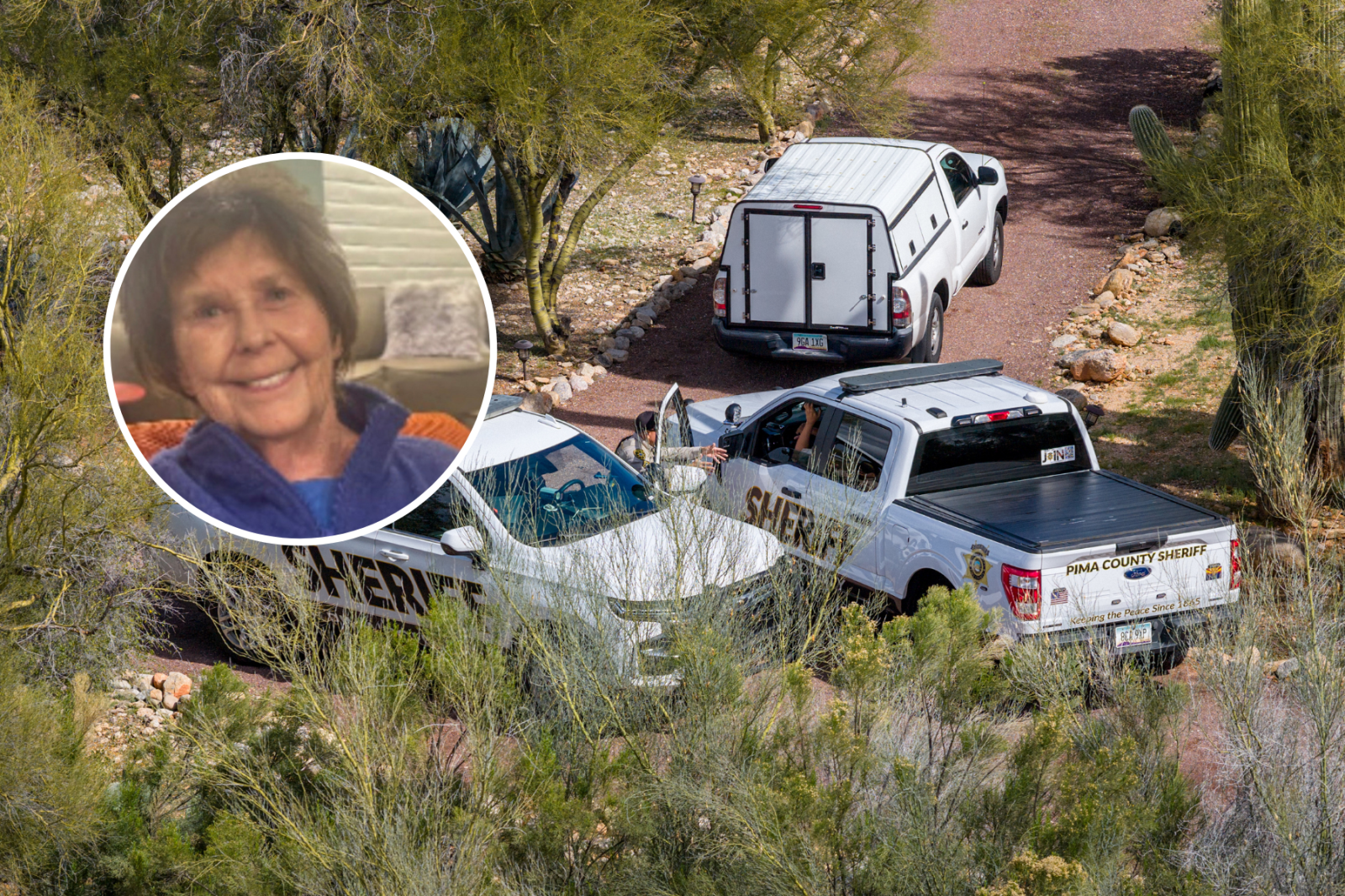
Glove DNA Fails CODIS, Prompting New Leads DNA from a glove recovered two miles from Nancy Guthrie’s Tucson home produced no matches in the FBI’s CODIS database, confirming the sample does not correspond to any known offender profile [1][2][3][4]. The same DNA extracted from the interior of her residence also lacked CODIS hits, leaving investigators without a traditional genetic lead [1][2]. The case, involving 84‑year‑old Nancy Guthrie, has generated tens of thousands of tips but no arrests [3][4].
Sheriff’s Office Embraces Investigative Genetic Genealogy Pima County Sheriff Chris Nanos announced the department will submit the glove and other DNA to open‑access genealogy databases such as GEDmatch and FamilyTreeDNA after the CODIS dead‑end [1][4]. Genetic genealogy specialist CeCe Moore explained that matches can be as distant as 1 % shared DNA and analysis times vary from minutes to years [1]. Moore warned that expanding database use could trigger prolonged legal challenges unless a warrant compels broader access [1].
Advanced Forensic Tech Deployed to Locate Pacemaker Signal Investigators are scanning the area with a helicopter‑mounted Bluetooth‑sniffing device to detect emissions from Guthrie’s implanted pacemaker, though experts note the limited range of the technology [2]. The AP reported use of the handheld BlueFly scanner, capable of detecting wearable electronics up to 200 m, both from air and ground assets [4]. These tools complement a review of neighbor‑camera footage that captured a masked suspect wearing a ski mask, backpack, and gloves, estimated at 5 ft 9 in to 5 ft 10 in tall [3][4].
Reward Raised and Public Appeals Intensify The FBI increased the reward for information leading to Guthrie’s recovery or arrests from $50,000 to $100,000 on Feb 18, urging tips via 1‑800‑CALL‑FBI or online submissions [2][3]. Savannah Guthrie posted a video and Instagram message urging the kidnapper to surrender, emphasizing that “it is never too late to do the right thing” [3][4]. Law‑enforcement also received multiple cryptocurrency ransom demands, which have been forwarded to the FBI for investigation [2].
Sources
-
1.
CNN: Genetic Genealogy Becomes Central Tool in Nancy Guthrie Investigation: Highlights the shift from CODIS to investigative genetic genealogy, includes expert CeCe Moore’s comments and predicts a legal battle over database access .
-
2.
Newsweek: FBI Contacts Mexico and Expands Forensic Efforts in Nancy Guthrie Search: Details FBI’s outreach to Mexican authorities, deployment of a helicopter signal sniffer, backpack trace, reward increase, and cryptocurrency ransom notes .
-
3.
BBC: Glove DNA Test Yields No CODIS Match in Nancy Guthrie Kidnapping: Reports the glove match to video, lack of CODIS hits, tip volume, reward doubling, and Savannah Guthrie’s public plea .
-
4.
AP: DNA from gloves near Nancy Guthrie’s home yields no CODIS matches: Covers CODIS failure, use of BlueFly device, neighbor camera analysis, and surge in public tips .
Related Tickers
Timeline
2020 – Genetic genealogy identifies the Golden State Killer after four months of analysis, illustrating the technique’s rapid, high‑impact potential. [2]
2021 – DNA genealogy resolves a 1921 Tulsa Race Massacre victim’s identity, showing the method’s power to solve historic cold cases. [2]
2022 – Investigators use genetic genealogy to convict Bryan Kohberger for the Idaho student murders, reinforcing its prosecutorial value. [2]
Feb 1‑16, 2026 – The tip line receives 28,000 calls—a 54 % rise over the same period in 2025—and Savannah Guthrie posts an Instagram video urging anyone with information to come forward, stressing “it is never too late to do the right thing.” [4]
Feb 17, 2026 – DNA from a black glove found two miles from Nancy Guthrie’s Tucson home yields no CODIS matches, prompting the Pima County Sheriff’s Department to submit the sample to investigative genetic genealogy databases and to continue broader DNA analysis. [4][1]
Feb 17, 2026 – Surveillance footage from a neighbor’s exterior camera captures a masked man wearing gloves, a backpack, and a jacket; forensic analysis estimates his height at 5 ft 9 in–5 ft 10 in, linking the physical evidence to the recovered glove. [1][4]
Feb 17, 2026 – Investigators deploy a BlueFly handheld scanner and a helicopter‑mounted “signal sniffer” to hunt for Bluetooth Low Energy emissions from Guthrie’s pacemaker, extending the search to both ground and air platforms. [4][3]
Feb 17, 2026 – The FBI raises the reward for information to $100,000, doubling the previous amount, and Sheriff Chris Nanos emphasizes that Guthrie’s children and relatives are victims, not suspects, after nearly 40,000 tips produce no arrests. [1]
Feb 18, 2026 – FBI agents contact Mexican authorities to explore cross‑border leads, though no evidence yet shows Guthrie was taken to Mexico; detectives also trace the Walmart‑exclusive Ozark Trail backpack seen in the video, seeking purchase records statewide. [3]
Feb 18, 2026 – Multiple cryptocurrency ransom demands, including Bitcoin requests, are forwarded to the FBI, indicating a possible extortion attempt linked to the kidnapping. [3]
Feb 19, 2026 – The sheriff’s office formally adopts investigative genetic genealogy (IGG) after DNA dead‑ends, aiming to generate distant‑relative matches that may share as little as 1 % DNA; analyses can range from minutes to years. [2]
Feb 19, 2026 – Commercial DNA services such as 23andMe, AncestryDNA, and MyHeritage continue to block law‑enforcement access without a warrant, forcing investigators to rely on open‑source databases GEDmatch and FamilyTreeDNA, which together hold under 2 million profiles. [2]
Feb 19, 2026 – DNA Justice CEO CeCe Moore warns that the Guthrie family’s push for broader database access will likely spark a “knock‑down, drag‑out fight” in the courts, highlighting ongoing privacy‑law tensions. [2]
Feb 19, 2026 onward – Investigators plan to keep analyzing DNA from the glove and the home using IGG tools, while the helicopter‑mounted sniffer continues scanning for the pacemaker signal, aiming to locate Guthrie or identify the suspect. [2][3]
External resources (9 links)
- https://www.foxnews.com/video/6389447004112 (cited 6 times)
- https://www.kwch.com/2026/02/18/police-offer-safety-tips-older-adults-amid-nancy-guthrie-search/ (cited 3 times)
- http://www.familytreedna.com/ (cited 1 times)
- https://www.23andme.com/law-enforcement-guide/ (cited 1 times)
- https://www.23andme.com/transparency-report/ (cited 1 times)
- https://www.ancestry.com/c/legal/lawenforcement#:~:text=Ancestry%20does%20not%20voluntarily%20cooperate,or%20to%20identify%20human%20remains. (cited 1 times)
- https://www.dnajustice.org/ (cited 1 times)
- https://www.gedmatch.com/ (cited 1 times)
- https://www.myheritage.com/privacy-policy (cited 1 times)