Columbus Transit Authority Battles Snow‑Clogged Stops After Record‑Breaking Storm
Updated (4 articles)
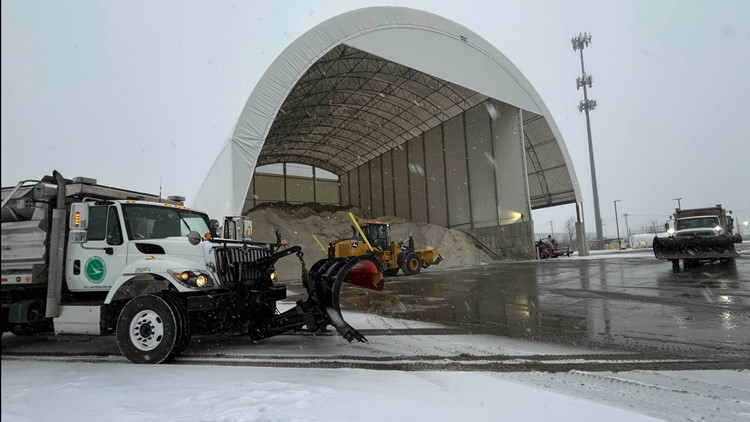
Historic Storm Dumps Up to 16 Inches of Snow Across Central Ohio The weekend winter storm delivered 10‑16 inches of snow, ranking as the fifth‑largest on record for Columbus and prompting Level 1 and Level 2 snow emergencies in multiple counties [2][3]. Subzero morning wind chills of –10 °F to –20 °F are forecast for at least a week, extending the cold‑weather advisory that triggered emergency measures [3]. The deep, drifting snow hampered road clearing and forced authorities to restrict non‑essential travel while maintaining essential‑worker exemptions [3].
COTA Keeps Buses Running While Waiving Fares Despite the emergency, the Central Ohio Transit Authority (COTA) maintained full bus service and suspended all fares, initially through Tuesday and later extended through Thursday under the agency’s weather‑alert policy [3][2]. Buses resumed their regular weekday schedule at 5 a.m. on Wednesday, following the storm’s disruption [2]. The fare‑waiver policy automatically activates when the National Weather Service issues heat or cold advisories, reflecting COTA’s strategy to preserve mobility during extreme conditions [2].
Snow Accumulates at Bus Stops, Creating Hazardous Boarding Conditions Snow piled high on sidewalks and inside transit shelters, blocking clear pathways for riders and forcing some to step into traffic or jump onto buses to avoid standing on the roadway [1]. Rider Susan Dickerson slipped while alighting a bus, and another rider reported having to leap onto a bus to stay off the street [1]. These conditions have raised immediate safety concerns for the city’s transit‑dependent population.
COTA Deploys Intensive Labor to Clear Stops Amid Plow Re‑Deposition Facilities crews and contractors logged 1,560 labor hours over three days, working 12‑hour shifts to clear roughly 200 transit stops multiple times, achieving an estimated 400‑500 cleanings focused on downtown and high‑ridership locations [1]. Municipal snowplows repeatedly pushed snow back into already‑cleared shelters, necessitating additional clearing efforts and further labor hours for COTA facilities and parking lots [1]. The repeated cycle underscores the difficulty of maintaining clear boarding areas in subzero conditions.
Safety Advisories Issued to Riders as Cleanup Continues COTA urges riders to expect delays, dress warmly, wear bright clothing, avoid running toward buses, and stand back from curbs while monitoring arrivals via the Transit App or the agency’s hotline [1]. Despite these precautions, the agency acknowledges that safety remains a concern as snow continues to accumulate on stops [1]. Ongoing communication aims to mitigate accidents until full clearance is achieved.
Sources
-
1.
WBNS:Snow‑Covered Bus Stops Pose Safety Risks for Columbus COTA Riders After Historic Storm: Details deep snow at shelters, rider injuries, 1,560 labor hours spent on repeated cleanings, and COTA’s safety advisories .
-
2.
WBNS:COTA Suspends Fares Through Thursday Amid Severe Winter Storm: Announces fare waiver until Thursday, explains policy tied to National Weather Service alerts, and notes service resumption at 5 a.m. Wednesday .
-
3.
WBNS:Franklin County Declares Level 1 Snow Emergency Amid Heavy Snow and Subzero Cold: Reports 10‑16 inches of snow, Level 1 emergency declaration, COTA’s fare waiver through Tuesday, and exemptions for essential workers .
Timeline
Jan 18, 2026 – COTA announces it will waive all fares on Jan 19‑20 because a Cold Weather Advisory covers Franklin County, and because Martin Luther King Jr. Day forces Sunday schedules and limits COTA/Plus service to south Columbus; the policy aims to protect riders from sub‑zero wind chills forecasted at –5 °F to –15 °F[4].
Jan 22‑23, 2026 – A historic winter storm drops 10‑16 inches of snow across central Ohio, ranking as the fifth‑largest on record for Columbus and prompting Level 1 and Level 2 snow emergencies in multiple counties; sub‑zero temperatures and wind chills persist, and officials warn of frostbite and advise limiting outdoor exposure[2].
Jan 23, 2026 – COTA suspends all fares through Thursday under its automatic policy that activates whenever the National Weather Service issues a heat or cold advisory, aiming to maintain mobility during the ongoing extreme cold[2].
Jan 25, 2026 – Franklin County declares a Level 1 snow emergency, restricting road use to essential travel and authorizing arrests for violators, while COTA keeps full bus service operating and waives fares through Tuesday to support essential workers and medical appointments[3].
Jan 25‑31, 2026 – Forecasts project continued sub‑zero morning wind chills ranging from –10 °F to –20 °F for at least a week, extending the Weather Impact Alert and likely triggering further fare‑waiver activations under COTA’s policy[3].
Jan 29, 2026 – Snow piles high on sidewalks and at roughly 200 COTA shelters after the city’s first ever Level 3 Snow Emergency, creating hazardous boarding conditions; riders like Susan Dickerson slip while alighting and Stephen jumps onto a bus to avoid standing in traffic, while COTA crews log 1,560 labor hours over three 12‑hour days to clear stops repeatedly as municipal plows push snow back into shelters[1].
Jan 29‑Feb 5, 2026 – COTA advises riders to expect delays, dress warmly, wear bright clothing, avoid running toward buses, stand back from curbs, and monitor arrivals via the Transit App or phone line, emphasizing that safety remains a concern despite intensive cleanup efforts[1].
All related articles (4 articles)
-
WBNS (Columbus, OH): Snow‑Covered Bus Stops Pose Safety Risks for Columbus COTA Riders After Historic Storm
-
WBNS (Columbus, OH): COTA Suspends Fares Through Thursday Amid Severe Winter Storm
-
WBNS (Columbus, OH): Franklin County Declares Level 1 Snow Emergency Amid Heavy Snow and Subzero Cold
-
WBNS (Columbus, OH): COTA waives fares on Jan. 19 and Jan. 20 amid Franklin County cold advisory