Pakistan’s Feb 22 Airstrikes Hit TTP and ISIS Camps, Spark Civilian Toll Claims
Updated (8 articles)
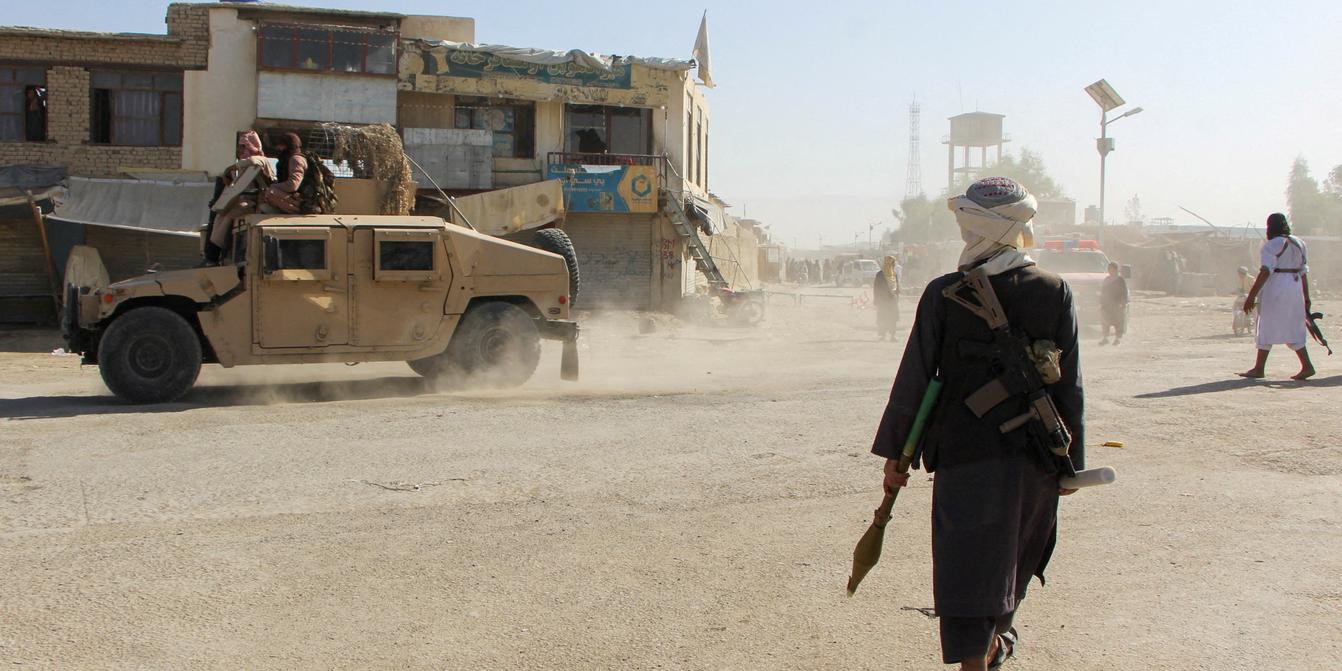
Pakistan Executes Cross‑Border Airstrikes on Feb 22, 2026 Pakistan’s military launched airstrikes on February 22, targeting seven Tehrik‑i‑Taliban Pakistan (TTP) camps and an Islamic State‑affiliated group along the Afghan border, describing the operation as selective and intelligence‑based while withholding exact coordinates; Information Minister Attaullah Tarar announced the strikes on X without further detail[1][2].
Strikes Intended Retaliation for Recent Suicide Bombings The operation follows a series of suicide attacks, including a February 6 bombing of a Shia mosque in Islamabad that killed 40 worshippers, an attack in Bajaur district that killed 11 soldiers and a child, and a Bannu district bombing that killed two soldiers, which Pakistan blames on Afghanistan‑based militants[1][2].
Afghan Authorities Report Significant Civilian Casualties Afghan spokesperson Zabihullah Mujahid said the strikes caused dozens of civilian deaths and injuries in Nangarhar and Paktika provinces, citing a house hit in Bihsud district that killed 17 people, including 12 children, and confirming women and children among the wounded[1][2].
International Reactions Emphasize Doha Agreement Enforcement Pakistan warned it will act “irrespective of location” and urged the Taliban government and the international community to enforce the Doha agreement, while the UN Assistance Mission in Afghanistan reported 70 Afghan civilians killed and 478 injured by Pakistani actions in the last three months of 2025, underscoring rising cross‑border violence[1][2].
Sources
-
1.
Le Monde: Pakistan launches airstrikes on Afghan border, targeting Taliban and ISIS‑linked camps: Le Monde details the seven TTP camps and ISIS‑linked group hit, cites civilian deaths in Nangarhar and Paktika, and highlights UN civilian tolls for late 2025.
-
2.
The Hindu: Pakistan conducts cross‑border strikes against militant hideouts on Feb 22, 2026: The Hindu emphasizes the intelligence‑based nature of the strikes, links them to recent suicide bombings, and stresses Pakistan’s demand that the Taliban enforce the Doha agreement.
Timeline
2011 – Amnesty International documents over 10,000 enforced disappearances in Balochistan, fueling long‑standing grievances that later drive the BLA insurgency [5].
2021 – The Taliban retake power in Afghanistan, creating a new cross‑border militant dynamic that later contributes to clashes with Pakistan [2].
Sep 2025 – US‑based Strategic Metals signs a $500 million MoU with Pakistan’s Frontier Works Organisation to mine Balochistan’s mineral deposits, highlighting the province’s strategic economic importance amid rising insecurity [5].
Dec 5‑6 2025 – Border clashes erupt overnight between Pakistani forces and Afghan Taliban near Spin Boldak; artillery and mortar fire kill four civilians in Kandahar and wound three in Pakistan, breaking a Qatar‑Turkey‑mediated ceasefire that had held for less than two months [2].
Dec 10 2025 – Chief of Defence Forces Asim Munir tells a national conference that 70 % of Tehrik‑i‑Taliban Pakistan formations entering Pakistan are Afghan nationals, urging the Afghan Taliban to choose between Pakistan and the TTP [7].
Jan 8 2026 – Pakistani security forces conduct two intelligence‑based operations in North Waziristan and Kurram, killing 11 Fitna Al Khawarij militants linked to the TTP, demonstrating ongoing counter‑terrorism pressure on the Afghan‑Pakistan frontier [6].
Jan 30‑31 2026 – The Balochistan Liberation Army launches coordinated assaults on nine districts, killing 84 security personnel, kidnapping 18, and releasing a video in which leader Bashir Zeb Baloch declares the attacks phase two of the “Herof” operation; Pakistan’s army responds province‑wide, reporting 145 insurgents killed and interior minister Mohsin Naqvi accusing India of involvement [5].
Feb 1 2026 – Prime Minister Shehbaz Sharif praises the military response to the BLA’s “Herof” attacks, pledges to continue the war on terrorism, and condemns alleged Indian support, while the BLA claims 84 security deaths and 18 kidnappings, and Chief Minister Sarfraz Bugti reports 31 civilians and 17 security personnel killed in 40‑hour urban clashes across Quetta and surrounding towns [1][5].
Feb 1 2026 – Military officials confirm that more than 120 people die in the coordinated Balochistan attacks, including 33 civilians and security staff, and that forces eliminate 92 militants on the day, marking the deadliest militant‑casualty count in decades; analysts note the unprecedented scale of the response [3].
Feb 6 2026 – A suicide bomber detonates a bomb at a Shia mosque in Islamabad, killing 40 worshippers, prompting Pakistan to cite the attack as justification for subsequent cross‑border strikes against militant camps [8].
Feb 22 2026 – Pakistan launches intelligence‑based cross‑border strikes on seven TTP camps and an ISIS‑affiliated group in Afghanistan’s Nangarhar and Paktika provinces, claiming selective targeting of militants responsible for recent attacks in Pakistan, while Afghan officials report dozens killed, including women and children, and a house strike in Bihsud kills 17, among them 12 children [4][8].
Feb 22 2026 – Information Minister Attaullah Tarar emphasizes that the strikes aim at terrorist hideouts irrespective of location and urges the Afghan Taliban and the international community to enforce the Doha agreement, highlighting strained Pakistan‑Afghanistan ties since the October 2025 border clashes [4].
Feb 22 2026 – The UN Assistance Mission in Afghanistan records that Pakistani cross‑border operations have killed 70 Afghan civilians and injured 478 in the last three months of 2025, a civilian toll far exceeding any previous year since 2011, underscoring the humanitarian impact of the escalating conflict [8].
All related articles (8 articles)
-
Le Monde: Pakistan launches airstrikes on Afghan border, targeting Taliban and ISIS‑linked camps
-
The Hindu: Pakistan conducts cross‑border strikes against militant hideouts on Feb 22, 2026
-
The Hindu: BLA’s Jan 30‑31 attacks spark fresh violence and diplomatic row in Balochistan
-
CNN: Deadliest Day of Violence in Balochistan Claims Over 120 Lives
-
BBC: Gun and bomb attacks in Balochistan kill dozens, spark 40‑hour clash
-
The Hindu: Pakistan security forces kill 11 terrorists in two KP operations
-
The Hindu: Pakistan's CDF urges Afghan Taliban to choose between TTP and Pakistan
-
BBC: Border Clashes Resume Between Pakistan and Afghan Taliban