New START Treaty Ends Feb 5, 2026, Prompting Russian Threats and U.S. Strategic Shift
Updated (5 articles)
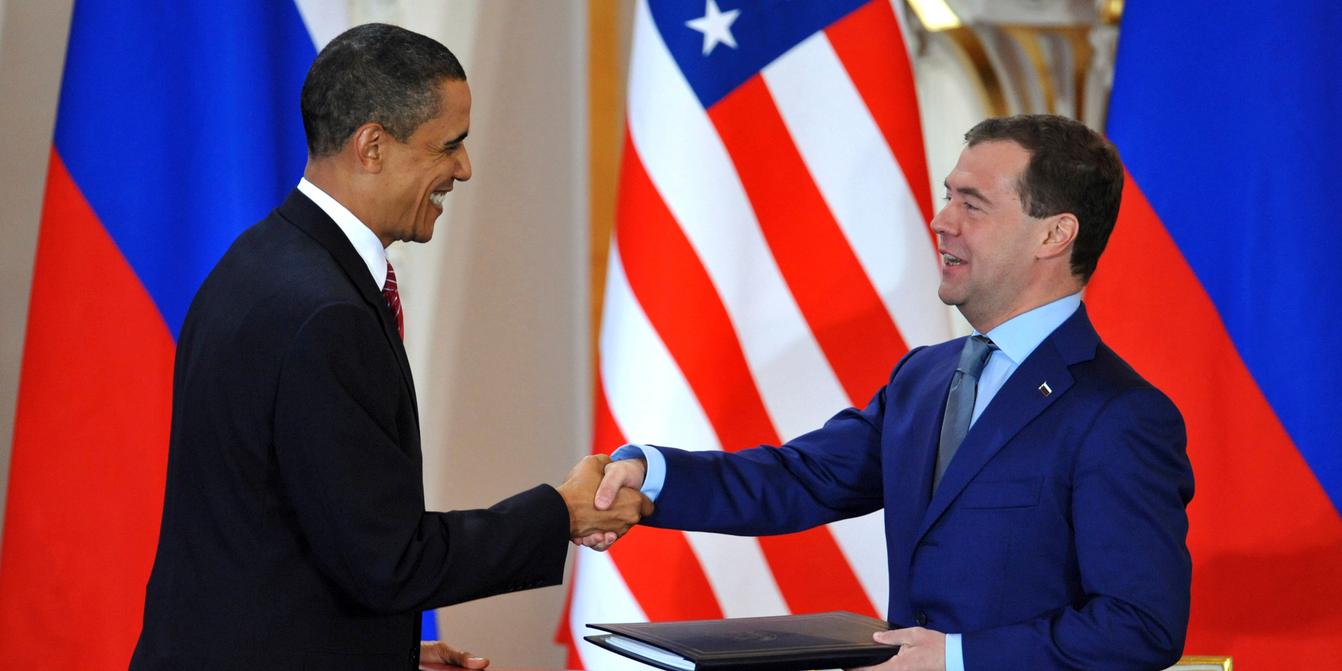
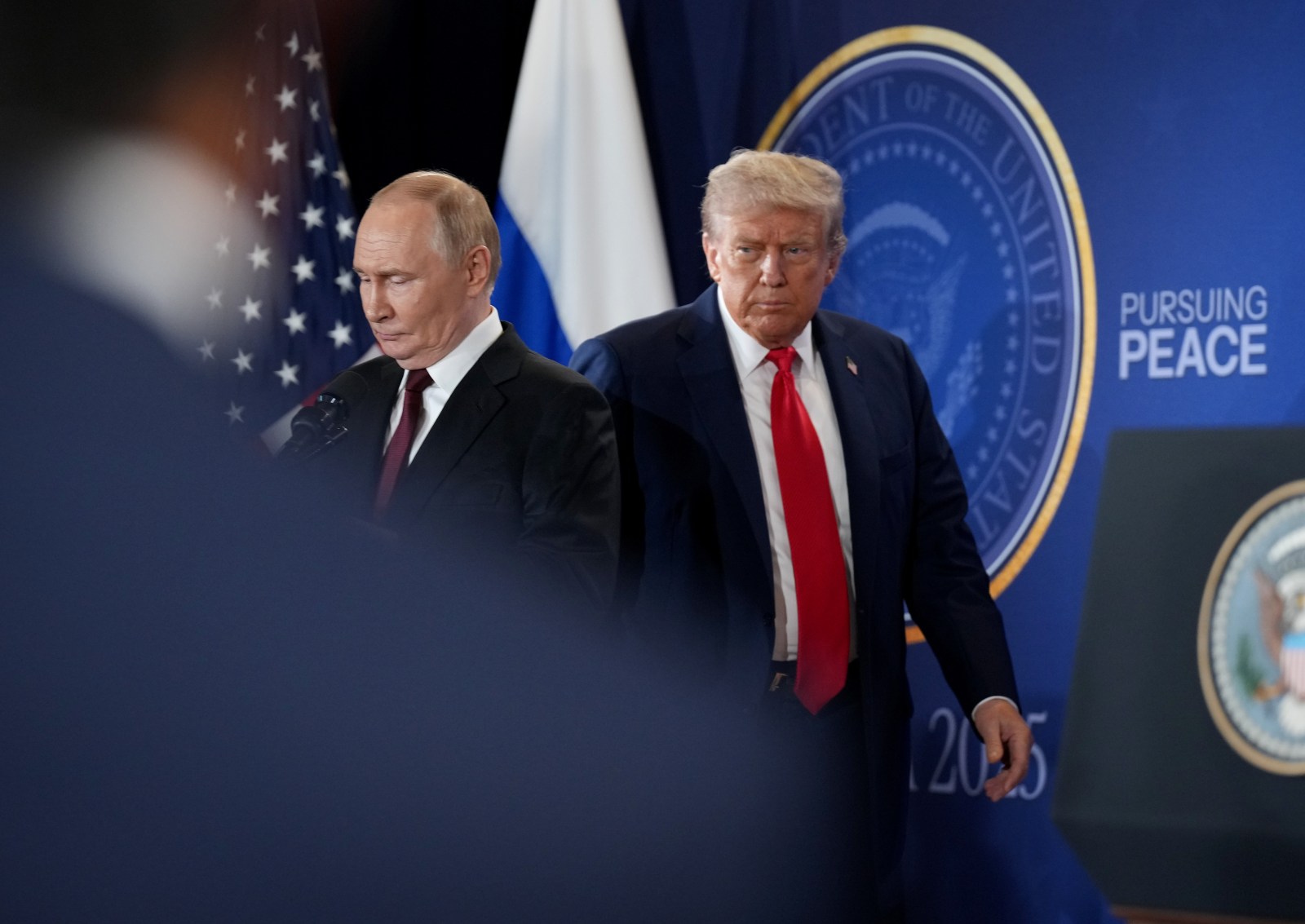
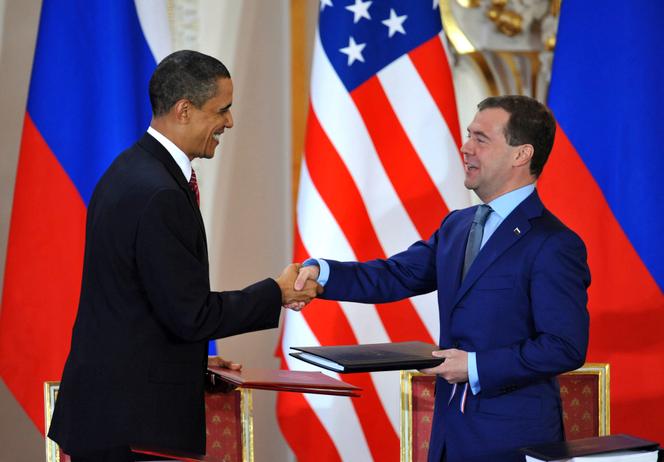
New START Treaty Officially Lapsed on 5 February 2026 The 2010 arms‑control pact signed by President Barack Obama and President Dmitri Medvedev expired on Thursday 5 February 2026, ending the last bilateral limit on deployed strategic warheads and launchers for the United States and Russia [1][2][3]. The agreement capped each side at 1,550 deployed warheads and roughly 700 delivery systems [1][3]. Its termination removes the sole verification framework that had constrained the two largest nuclear arsenals for over a decade [1][2][3].
Russia Signals Readiness for Decisive Action Post‑Expiry The Russian Foreign Ministry announced it is prepared to take “decisive action” after the treaty’s termination, warning that caps on the two arsenals are lifted for the first time in 50 years [2]. Kremlin aide Yury Ushakov noted that Moscow’s offer of a one‑year voluntary extension on 22 September 2025 received no U.S. reply, calling the silence “erroneous and regrettable” [2]. President Vladimir Putin held a 1‑hour‑25‑minute call with Chinese President Xi Jinping to discuss strategic cooperation amid the vacuum [2].
U.S. Administration Stays Passive, Eyes China Inclusion President Donald Trump dismissed the expiry, saying “If it expires, it expires,” and hinted a “better” future deal could be pursued, while Secretary of State Marco Rubio said no announcement is ready and the decision rests on Trump’s timeline [1][2]. The White House is reportedly considering future arms‑control talks that would involve China and has revived discussion of a “Trump‑class” nuclear‑armed battleship concept [1]. Kremlin spokesman Dmitry Peskov warned that U.S. silence threatens global security [1].
Analysts Warn Multi‑Nation Arms Race as Controls Erode Experts from the Arms Control Association caution that the United States may expand its arsenal, prompting Russia and China to increase theirs, potentially igniting a three‑way nuclear buildup [2]. Le Monde highlighted that, although current U.S. and Russian stockpiles are about five times smaller than Cold‑War peaks, the loss of a shared limitation culture could spur horizontal proliferation to new states and vertical growth of existing arsenals, with China seeking to close the gap [3]. The article also attributes the non‑renewal to Putin’s decision after accusing Washington of “extreme hostility” under President Joe Biden [3].
Sources
-
1.
CNN: New START Treaty Expires, Signaling Shift in Nuclear Power Balance: reports the treaty’s Thursday expiry, Trump’s dismissive comment, Medvedev’s Doomsday Clock warning, and U.S. plans to involve China and revive battleship concepts.
-
2.
Newsweek: Russia Issues Decisive‑Action Warning as New START Treaty Expires: details Russia’s readiness for decisive action, the unanswered September 2025 extension offer, Putin’s lengthy call with Xi, and analyst concerns about a three‑way arms race.
-
3.
Le Monde: New Start Treaty Ends, Raising Nuclear Proliferation Concerns: emphasizes Putin’s responsibility for non‑renewal, historical context of the treaty, U.S. withdrawal from other arms‑control accords, and heightened proliferation risk despite reduced stockpiles.
Timeline
1987 – The INF Treaty, signed by Reagan and Gorbachev, bans ground‑launched ballistic and cruise missiles, establishing a cornerstone of Cold‑War arms control. [5]
1992 – The Open Skies Treaty is signed, allowing unarmed aerial surveillance to build confidence among signatories. [5]
2002 – Open Skies enters into force, creating a transparent monitoring regime that later underpins U.S.–Russia verification practices. [5]
2010 – Presidents Barack Obama and Dmitry Medvedev sign the New START Treaty, capping each side at 1,550 deployed strategic warheads and 700 delivery systems, continuing the SALT series. [5]
2019‑2020 – The United States withdraws from the INF Treaty (2019) and the Open Skies Treaty (2020), eroding the post‑Cold‑War arms‑control architecture. [5]
2020 – The New START Treaty is extended for five years, pushing its expiration from 2021 to 2026 and preserving the last bilateral nuclear limit. [2]
2021 – The original expiration date of New START passes without renewal, highlighting the treaty’s reliance on extensions. [2]
Feb 2023 – Russia suspends participation in New START on‑site inspections, citing disputes over data exchanges, but continues to observe the treaty’s numerical caps. [2]
Jan 2025 – Donald Trump assumes the U.S. presidency, bringing a “Golden Dome” nuclear strategy and hinting at resuming nuclear testing, which complicates arms‑control dialogue. [3]
June 2025 – Regional tensions flare following the United States’ 2018 withdrawal from the Iran nuclear deal, contributing to a broader security environment that pressures arms‑control negotiations. [5]
Sep 22, 2025 – Russia offers a voluntary one‑year extension of New START to the United States; the Kremlin calls the lack of a reply “erroneous and regrettable.” [2]
Jan 8‑9, 2026 – A YouGov poll of 1,000 U.S. voters finds 91 % support extending New START limits, with 85 % of Trump supporters backing a one‑year extension. [3]
Jan 15, 2026 – The Kremlin reports that President Trump remains silent on Putin’s proposal for a one‑year extension, while White House officials signal no intention to extend. [4]
Jan 26, 2026 – Deputy Security Council Chair Dmitry Medvedev warns that the “nuclear club” will keep expanding as more states view nuclear weapons as optimal, and he urges a U.S. response to Russia’s extension offer. [3]
Feb 4, 2026 – U.S. officials defer any decision on New START to President Trump’s timetable, and Secretary of State Marco Rubio says talks with Russia and China are possible but no announcement is ready. [2]
Feb 5, 2026 – The New START Treaty expires, ending the last bilateral framework that limited U.S. and Russian deployed strategic warheads and launchers. [1][5]
Feb 5, 2026 – President Trump remarks in a January interview, “If it expires, it expires,” downplaying security implications and hinting at a “better” future deal. [1]
Feb 5, 2026 – Former Russian President Dmitry Medvedev warns the lapse could accelerate the Doomsday Clock, urging global alarm over the loss of verification. [1]
Feb 5, 2026 – Kremlin spokesman Dmitry Peskov says U.S. silence threatens global security, emphasizing heightened strategic insecurity without a limiting document. [1]
Feb 5, 2026 – Russia’s Foreign Ministry declares it is ready to take “decisive action” after the treaty lapses, signaling a possible shift in nuclear posturing. [2]
Feb 5, 2026 – President Vladimir Putin holds a 1‑hour‑25‑minute phone call with Chinese President Xi Jinping, underscoring strategic cooperation as the U.S. contemplates involving China in future arms talks. [2]
Feb 5, 2026 – Arms‑control analysts warn that U.S. moves to expand its arsenal could trigger a three‑way nuclear buildup involving Russia and China, risking a new multilateral arms race. [2]
Feb 5, 2026 – The U.S. administration revives the “Trump‑class” nuclear‑armed battleship concept and signals intent to craft future agreements that include China, widening the strategic gap with Russia. [1]
Feb 5, 2026 – Former NATO deputy secretary‑general Rose Gottemoeller suggests both sides could simply “flip the implementation switch back on” before the deadline, offering a rapid path to re‑instating limits. [3]
Future (post‑Feb 2026) – The United States plans to involve China in a new strategic‑arms‑control framework, aiming to curb a potential three‑nation nuclear buildup. [1]
All related articles (5 articles)
-
CNN: New START Treaty Expires, Signaling Shift in Nuclear Power Balance
-
Newsweek: Russia Issues Decisive‑Action Warning as New START Treaty Expires
-
Le Monde: New Start Treaty Ends, Raising Nuclear Proliferation Concerns
-
Newsweek: Russia’s Medvedev Says Nuclear Club Set to Expand as New START Deadline Looms
-
Newsweek: Kremlin says Trump silent on Putin's offer to extend New START