Dalai Lama’s Grammy Win Sparks Chinese Protest and Succession Controversy
Updated (3 articles)
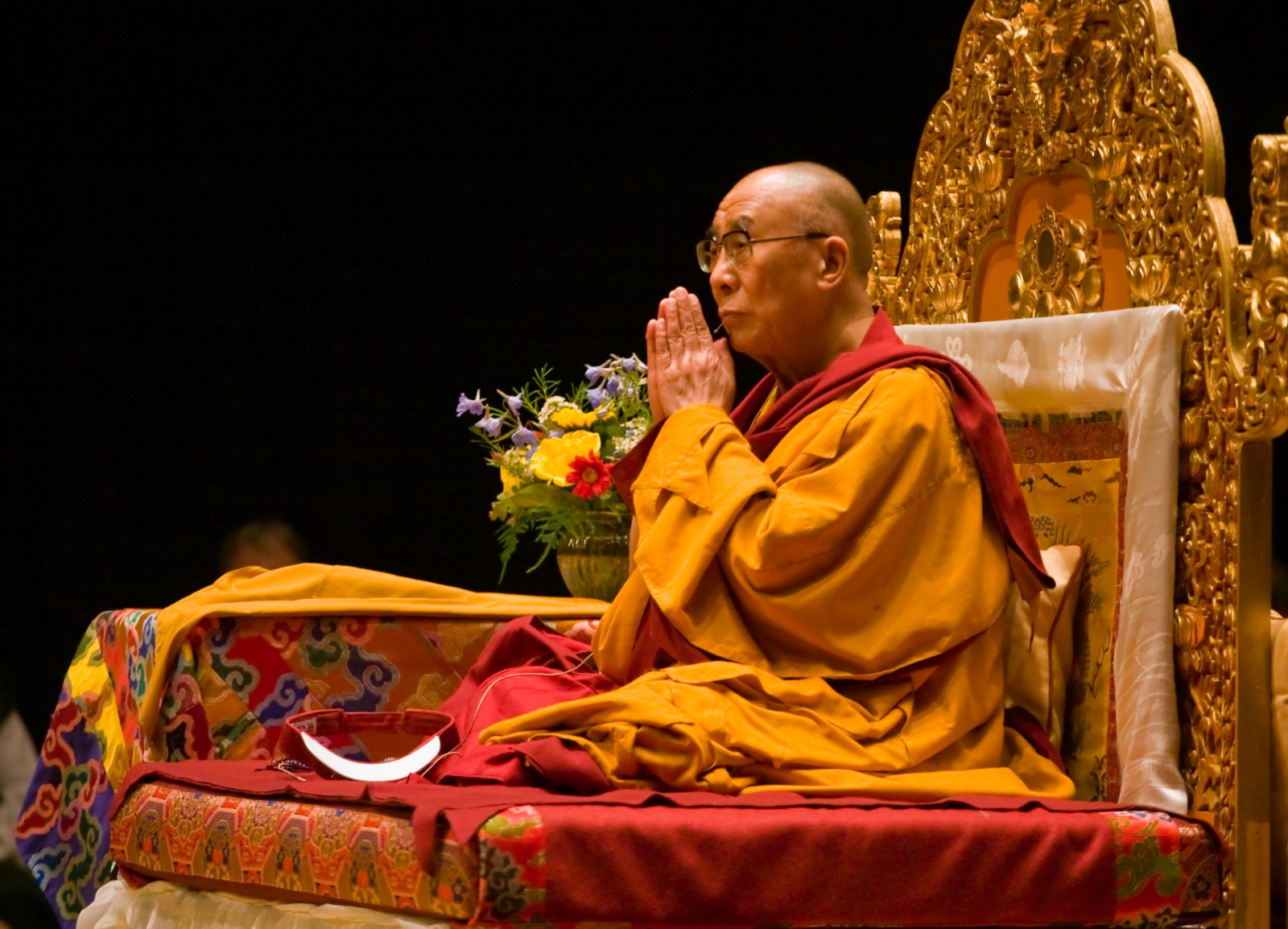
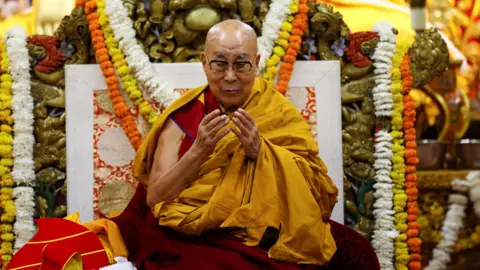
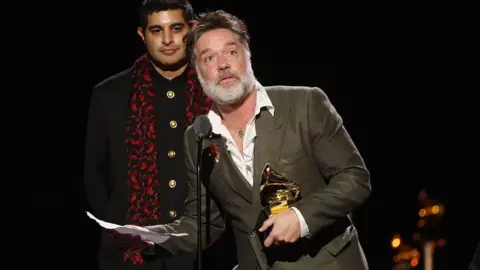
Grammy award and acceptance details On 2 February 2026 the 90‑year‑old Dalai Lama won the Grammy for Best Audiobook, Narration & Storytelling Recording for Meditations: The Reflections of His Holiness the Dalai Lama [3][2]. Canadian‑American singer Rufus Wainwright collected the trophy on his behalf during the ceremony in Los Angeles [1][2]. The Dalai Lama posted a statement saying he receives the honor with “gratitude and humility,” framing it as a shared universal responsibility for peace, compassion and environmental care [1][3].
China’s official reaction and language Chinese Foreign Ministry spokesman Lin Jian held a news conference the day after the awards, condemning the Grammy as an “anti‑China political maneuver” and accusing the ceremony of using art for political interference [2][1]. He labeled the Dalai Lama a “political exile” and a “rebel and separatist” who pursues anti‑China separatist activities under the guise of religion [1][2]. The protest was delivered to reporters on Monday and was not included in the ministry’s formal readout [1].
Succession dispute intensifies after win Beijing announced it will select the Dalai Lama’s reincarnation after his death, bypassing traditional Tibetan methods, a move the United States and other nations have called interference in religious affairs [1]. The Dalai Lama has previously said his successor will be named in the “free world,” heightening tensions as China insists any succession must follow Chinese law and receive government approval [2]. The Grammy win has amplified the diplomatic clash over the future of Tibetan leadership [1][2].
Broader Grammy context and other winners The 68th Grammy Awards also honored artists such as Billie Eilish, Olivia Dean, Lady Gaga and a 24‑year‑old who secured her second Grammy, alongside nominees from Nigeria and Uganda [2]. The ceremony featured a political moment when the U.S. president commented on a stage joke [2]. Coverage placed the Dalai Lama’s win among the night’s major cultural highlights [3].
Sources
-
1.
Newsweek: China Condemns Dalai Lama’s Grammy Win as Political Provocation: Details the Grammy win, Lin Jian’s protest, labeling of the Dalai Lama as a political exile, and Beijing’s plan to appoint his successor .
-
2.
BBC: China condemns Dalai Lama’s Grammy win as political manipulation: Reports the Chinese denunciation, Dalai Lama’s acceptance via Rufus Wainwright, and the heightened succession dispute, plus other Grammy highlights .
-
3.
The Hindu: Dalai Lama Wins First Grammy, Calls It Shared Responsibility: Focuses on the award details, Dalai Lama’s gratitude message, ceremony date, and contextualizes the win among other notable Grammy moments .
Timeline
Early 1950s – The People’s Republic of China annexes Tibet, describing the takeover as a “peaceful liberation,” establishing the territorial claim that underlies Beijing’s later objections to the Dalai Lama’s international recognition. [2]
1959 – The 14th Dalai Lama flees Tibet after Chinese troops suppress a Lhasa uprising, beginning his exile and cementing his status as a political and religious leader outside Chinese control. [2]
2025 – The Dalai Lama publicly announces that his successor will be identified in the “free world,” intensifying a diplomatic dispute as Beijing insists any reincarnation must follow Chinese law and government approval. [1]
Feb 2, 2026 – The 68th Grammy Awards take place in Los Angeles; the 90‑year‑old Dalai Lama wins his first Grammy for Best Audiobook Narration for Meditations: The Reflections of His Holiness the Dalai Lama, with musician Rufus Wainwright accepting the trophy on his behalf. [3][1]
Feb 2, 2026 – In a statement posted on his website, the Dalai Lama says, “I receive this recognition with gratitude and humility… it is a recognition of our shared universal responsibility,” framing the award as a platform for peace, compassion and environmental stewardship. [3][1]
Feb 2, 2026 – Chinese Foreign Ministry spokesman Lin Jian issues a protest, calling the Grammy win “anti‑China political maneuvering,” labeling the Dalai Lama “not a purely religious figure” but a “political exile committed to anti‑China separatist activities.” [1][2]
Feb 2, 2026 – Beijing announces it will appoint the Dalai Lama’s reincarnation after his death, bypassing the traditional Tibetan method of identifying a tulku, a plan that the United States and other nations condemn as interference in religious affairs. [2]
Future (unspecified) – The United States and allied countries pledge to oppose China’s succession plan, signaling ongoing diplomatic friction over Tibet’s religious leadership and broader human‑rights concerns. [2]