Flood Levels Recede in Western France While Red Alerts Remain in Charente‑Maritime and Maine‑et‑Loire
Updated (5 articles)
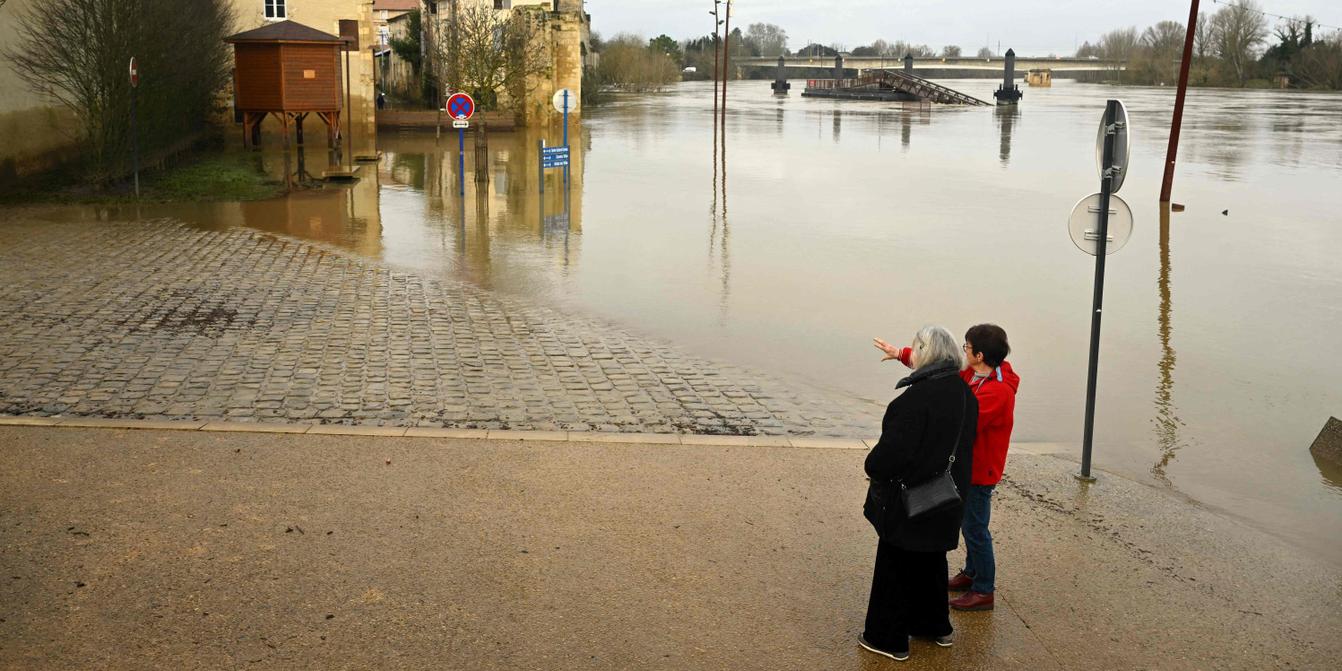
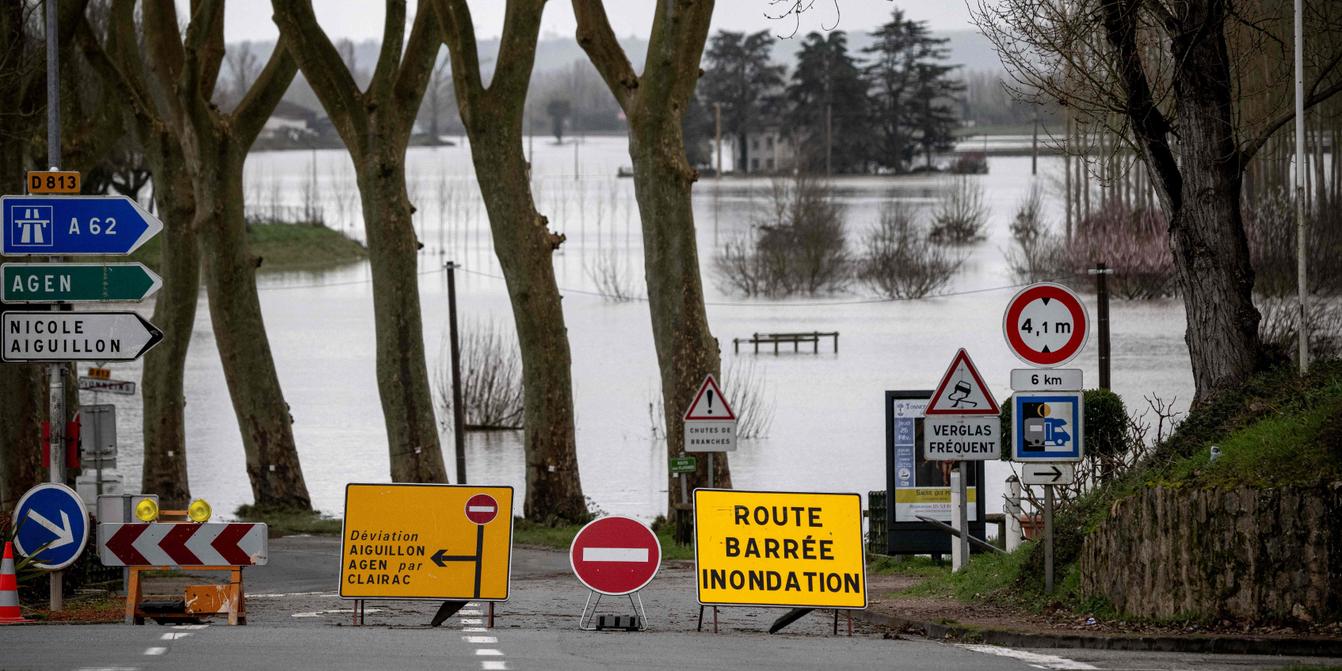


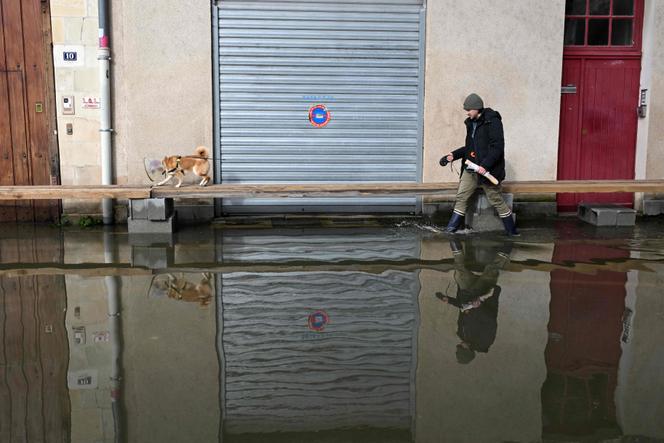
Water levels recede after two‑week flood surge River stages in Charente‑Maritime, Maine‑et‑Loire and neighboring districts have begun to fall since the peak on 17 February, allowing a gradual return toward normal conditions; about 3,000 homes and 120 businesses remain affected and 600 people stay in shelters, but no fatalities have been recorded [1]. Vigicrues notes a dry spell will aid the decline , yet stresses that overflow risk persists along rivers still under orange or red alerts after forty consecutive rainy days [1]. Schools in zone A resumed classes on 23 February , reflecting the modest drop in water levels that permits near‑normal attendance despite lingering hazards [2].
Red alerts persist in the hardest‑hit departments Météo‑France kept the highest (red) vigilance in Charente‑Maritime and Maine‑et‑Loire through at least Tuesday, while Loire‑Atlantique was downgraded to orange and Sarthe to yellow in the latest 16‑hour bulletin [1]. The same red status was confirmed on 21 February for Loire‑Atlantique, Charente‑Maritime and Maine‑et‑Loire, extending through the weekend, with orange alerts covering nine additional western departments [3]. Authorities warned that downstream river levels could still rise even as upstream waters recede, maintaining a significant flood‑risk profile [3].
Military and civil forces bolster agricultural and mobility recovery Roughly 100 reinforcements, including the 48th transmission regiment, have been deployed to assist farms in Lot‑et‑Garonne and to repair greenhouses in Gironde [1]. Three 4×4 military trucks were sent to Courcoury to replace a broken tractor, each carrying up to ten people for work, school, medical visits and supplies, as explained by Prefect Brice Blondel [3]. These deployments complement Red Cross nautical brigades and local gendarmerie transport efforts aimed at restoring mobility in flooded towns [2].
Urban services resume amid ongoing flood risk Angers mayor Christophe Béchu reported falling yet still high water levels, with streets and the tramway reopened after brief closures; the city, home to 160 000 residents, continues to monitor the Maine River, which peaked at 6.39 m on 21 February [1][3]. Approximately twenty streets have been cleared, and mobile insurance units operate nearby to aid residents in filing claims [2]. Despite the progress, evacuation orders persist for about 300 people in Saint‑Georges‑sur‑Loire, and officials stress that the recession speed remains uncertain [2].
Sources
-
1.
Le Monde: Floods in Western France Ease but Red Alerts Remain in Two Departments: Highlights receding water levels, continued red alerts in Charente‑Maritime and Maine‑et‑Loire, military assistance to farms, and impact figures such as 3,000 homes affected and 600 sheltered .
-
2.
Le Monde: Flood alerts ease slightly in western France, three departments stay on red warning until Tuesday: Focuses on school resumption, persistent red alerts for three departments, evacuation in Saint‑Georges‑sur‑Loire, and links floods to climate change and land‑use practices .
-
3.
Le Monde: Flood Alerts Extended in Western France as Rivers Remain High: Details extension of red alerts through the weekend, peak river levels (6.39 m in Angers), deployment of military trucks for mobility, and plans for long‑term victim support .
Timeline
1982 – Angers river reaches a level matching the 1982 flood, setting a benchmark for current water heights and prompting authorities to compare present conditions with that historic event [2].
1983 – Saumur’s Loire is projected to hit 5.15 m, the highest level recorded since the 1983 flood, underscoring the severity of the current flood wave [3].
1995 – Angers experiences its worst flood since 1995, with the Maine river climbing to 6.39 m, triggering extensive street closures, barrier deployments, and tram disruptions [3].
Feb 5, 2026 – Morbihan enters an orange rain‑flood alert at noon, expecting 15‑30 mm of rain rising to 40 mm by evening, while Gironde maintains an orange flood vigilance through Friday, prompting warnings of moderate to significant overflows in Bordeaux and Libourne [5].
Feb 6, 2026 – Météo‑France places Alpes‑Maritimes and Corse‑du‑Sud on orange wave‑submersion alerts and Finistère on orange flood alert, citing record‑close January rainfall and high tide coefficients that could cause localized overflows in Quimperlé and the Bordeaux area [4].
Feb 21, 2026 – Météo‑France extends red flood alerts for Loire‑Atlantique, Charente‑Maritime and Maine‑et‑Loire through the weekend, while Vigicrues forecasts a dry spell that should promote upstream recession but warns downstream levels may still rise and tide coefficients are decreasing, lowering high‑tide peaks [3]; Angers records a 6.39 m river level, the worst since 1995, prompting mayor Christophe Béchu to warn of unknown recession speed and to order extra barriers and bridge closures [3]; downstream, Saumur expects a 5.15 m Loire level, the highest since 1983, and four communes south of Angers order preventive evacuations [3]; three 4×4 military trucks arrive in Courcoury to restore mobility for residents, schools and medical visits, as Prefect Brice Blondel explains the operation [3]; authorities schedule a second‑phase post‑crisis support after the crisis‑management period ends late next week, promising long‑term assistance, insurance coordination and mental‑health services for flood victims [3].
Feb 23, 2026 – River levels recede enough to allow zone A schoolchildren to attend classes on Monday, with only minimal disruption, while Météo‑France keeps Loire‑Atlantique, Maine‑et‑Loire and Charente‑Maritime on red alert until Tuesday and Sarthe and Charente on orange, reflecting continued high risk [2]; emergency gendarmerie trucks ferry students in Courcoury and the French Red Cross deploys its nautical brigade—the first such climate‑related deployment—to aid flood victims [2]; Angers mayor notes water matches the 1982 level and plans a phased return to normal as streets are cleaned and mobile insurance units operate nearby [2]; evacuation of about 300 residents continues in Saint‑Georges‑sur‑Loire, with shelters closed and residents relocated [2]; the IPCC warns that precipitation will become more frequent and intense, linking the floods to climate change and highlighting land‑use practices that exacerbate impacts [2].
Feb 24, 2026 – Water levels slowly recede after two weeks of severe flooding, yet Météo‑France maintains red vigilance in Charente‑Maritime and Maine‑et‑Loire and orange in Charente and Loire‑Atlantique, indicating that the highest alerts persist in the hardest‑hit departments [1]; Vigicrues notes that no major rain is expected until Thursday, which should aid river declines, but stresses that overflow risk remains very present along orange or red rivers after a record forty consecutive rainy days [1]; roughly 100 reinforcements, including the 48th transmission regiment, assist agricultural recovery in Lot‑et‑Garonne and Gironde, repairing greenhouses and farm infrastructure [1]; Charente‑Maritime reports about 3,000 homes and 120 businesses affected, shelters 600 people, and records no casualties since the flood began on 17 February, while Angers mayor confirms falling yet still high water levels and announces the reopening of twenty streets and the tram service [1].
All related articles (5 articles)
-
Le Monde: Floods in Western France Ease but Red Alerts Remain in Two Departments
-
Le Monde: Flood alerts ease slightly in western France, three departments stay on red warning until Tuesday
-
Le Monde: Flood Alerts Extended in Western France as Rivers Remain High
-
Le Monde: Alpes‑Maritimes, Corse‑du‑Sud and Finistère on orange flood alert from Friday morning
-
Le Monde: Morbihan placed under orange rain‑flood alert; Gironde flood warning extended
External resources (3 links)
- https://vigilance.meteofrance.fr/fr (cited 2 times)
- https://www.vigicrues.gouv.fr/bulletin_national (cited 2 times)
- https://vigilance.meteofrance.fr/fr/demain (cited 1 times)