Trump Claims Active Role in Sudan War Ceasefire as Grassroots Efforts Expand
Updated (2 articles)
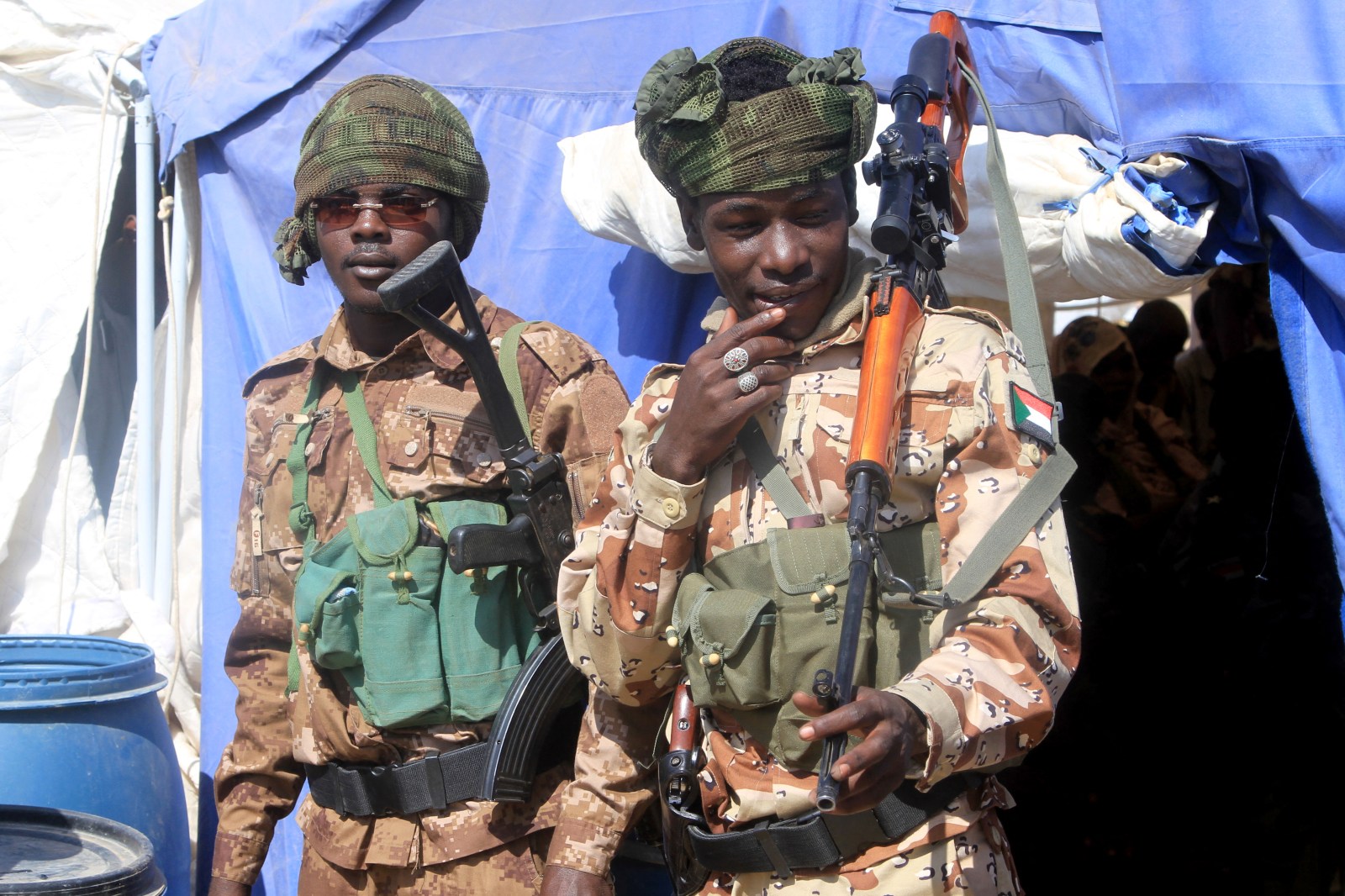
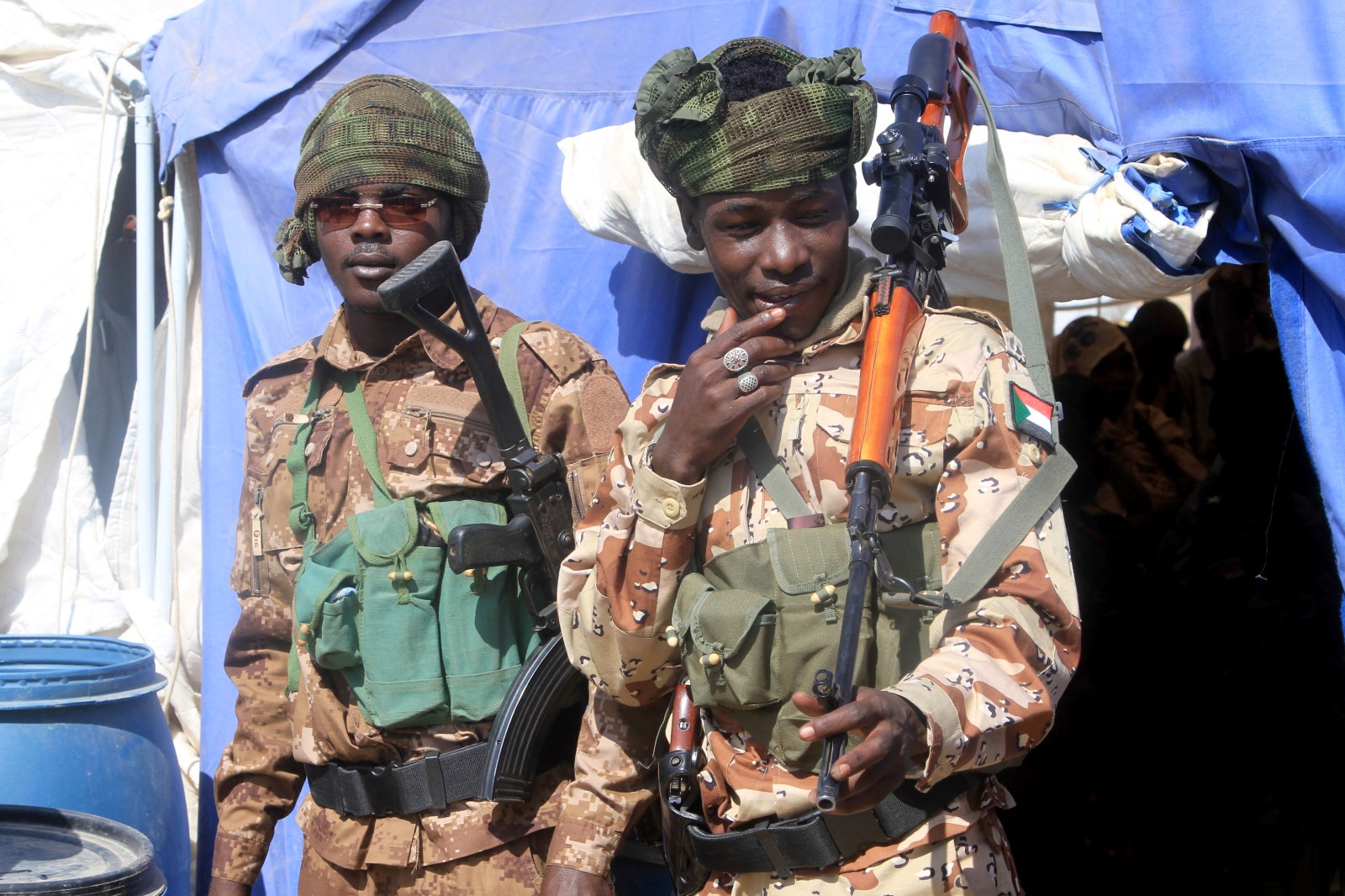
Trump Announces Personal Initiative to End Sudan Conflict President Donald Trump told reporters in early February that he is “working hard” to bring an end to the 2023 Sudan war, which the UN Security Council has condemned for mass killings, sexual violence and drone attacks, with estimates of up to 400,000 deaths [1]. He previously labeled Sudan “the most violent place on Earth” in November but omitted the country from his State of the Union address [1]. The claim marks the latest high‑profile U.S. political statement on the conflict [1].
UNDP Warns Ceasefire Insufficient Without Political Settlement Nadja Wuensche, head of UNDP peacebuilding in Sudan, emphasized that a top‑level ceasefire cannot automatically translate into lasting peace because deep social disintegration and grievances remain [1]. UNDP stresses that political deals are required to repair the fractured society [1]. The agency’s assessment aligns with broader international concerns that a ceasefire alone will not halt the humanitarian crisis [1].
Community Mediators and Youth Teams Reduce Violence in Khartoum and Darfur UNDP backs a program training rickshaw drivers and women tea sellers in Khartoum with conversation skills and coexistence messaging; a driver reported de‑escalating an ethnic dispute between passengers [1]. In Zalingei, Darfur, youths previously trained in peace‑building mobilized to move civilians to safety, protect hospitals and other infrastructure, demonstrating grassroots capacity to reduce violence despite ongoing fighting [1]. These local actions have saved lives and illustrate the potential of community‑level interventions [1].
U.S. Sanctions RSF Leaders While Urging Humanitarian Truce African and Arab affairs adviser Massad Boulos urged the warring factions to accept an immediate humanitarian truce [1]. The United States recently sanctioned Rapid Support Forces (RSF) leaders for atrocities, yet the RSF continues fighting, and Sudanese Armed Forces officials claim they must fight until the enemy is eliminated [1]. The dual approach of sanctions and diplomatic pressure reflects Washington’s attempt to balance punitive measures with conflict‑resolution efforts [1].
Related Tickers
Timeline
2023 – The Sudan war erupts, sparking a conflict that later kills up to 400,000 people and draws condemnation from the UN Security Council for mass killings, sexual violence and drone attacks [1].
Nov 2025 – President Donald Trump labels Sudan “the most violent place on Earth” and pledges to fix the crisis, a statement that later disappears from his State of the Union address [1].
Early Nov 2025 – The Rapid Support Forces (RSF) agree to a humanitarian truce, but the Sudanese army says it will accept only a truce that forces the RSF to withdraw from civilian areas and surrender its weapons [2].
Dec 23, 2025 – Sudan Prime Minister Kamil Idris presents a UN‑backed peace plan to the Security Council, calling for a ceasefire monitored by the UN, African Union and Arab League, RSF withdrawal to supervised camps and disarmament; U.S. Deputy Ambassador Jeffrey Bartos urges both sides to accept the truce immediately [2].
Early Feb 2026 – President Donald Trump says he is “working hard” to end the Sudan war, claiming an active U.S. effort to bring peace [1].
Early Feb 2026 – The United States sanctions RSF leaders for atrocities while African and Arab affairs adviser Massad Boulos urges the warring factions to accept an immediate humanitarian truce [1].
Early Feb 2026 – UNDP head Nadja Wuensche warns that a top‑level ceasefire cannot automatically translate into peace on the ground, stressing that political deals are needed to repair deep social disintegration and grievances [1].
Early Feb 2026 – UNDP trains rickshaw drivers and women tea sellers in Khartoum with conversation skills and coexistence messaging; a driver reports de‑escalating an ethnic dispute between passengers [1].
Early Feb 2026 – Youth‑led peace actions in Zalingei, Darfur mobilize to move civilians to safety, protect hospitals and other infrastructure, demonstrating grassroots capacity to reduce violence despite ongoing fighting [1].
Early Feb 2026 – Sudan is omitted from Trump’s State of the Union address, despite his earlier “most violent place” label, and neither Sudan’s foreign ministry nor the RSF respond to inquiries [1].