Zelensky Blames Trump for Pressure as Geneva Talks Begin Over Donbas Stalemate
Updated (72 articles)
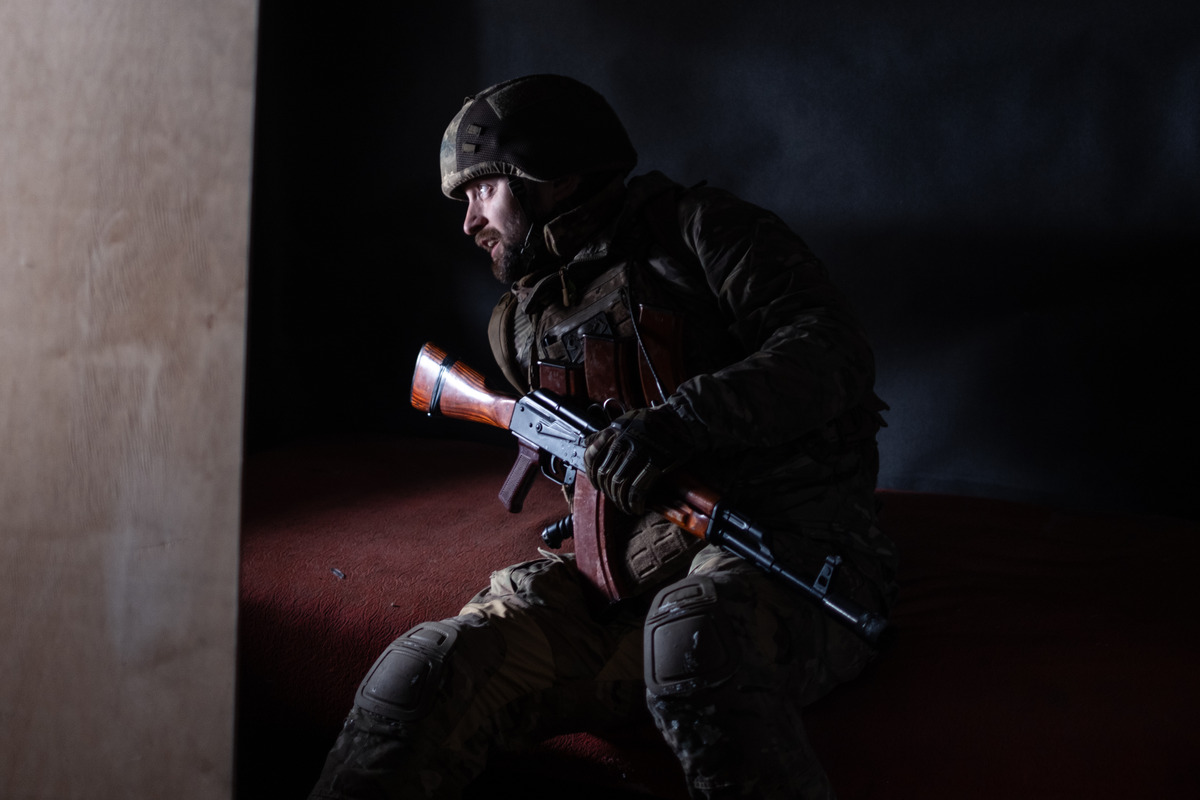
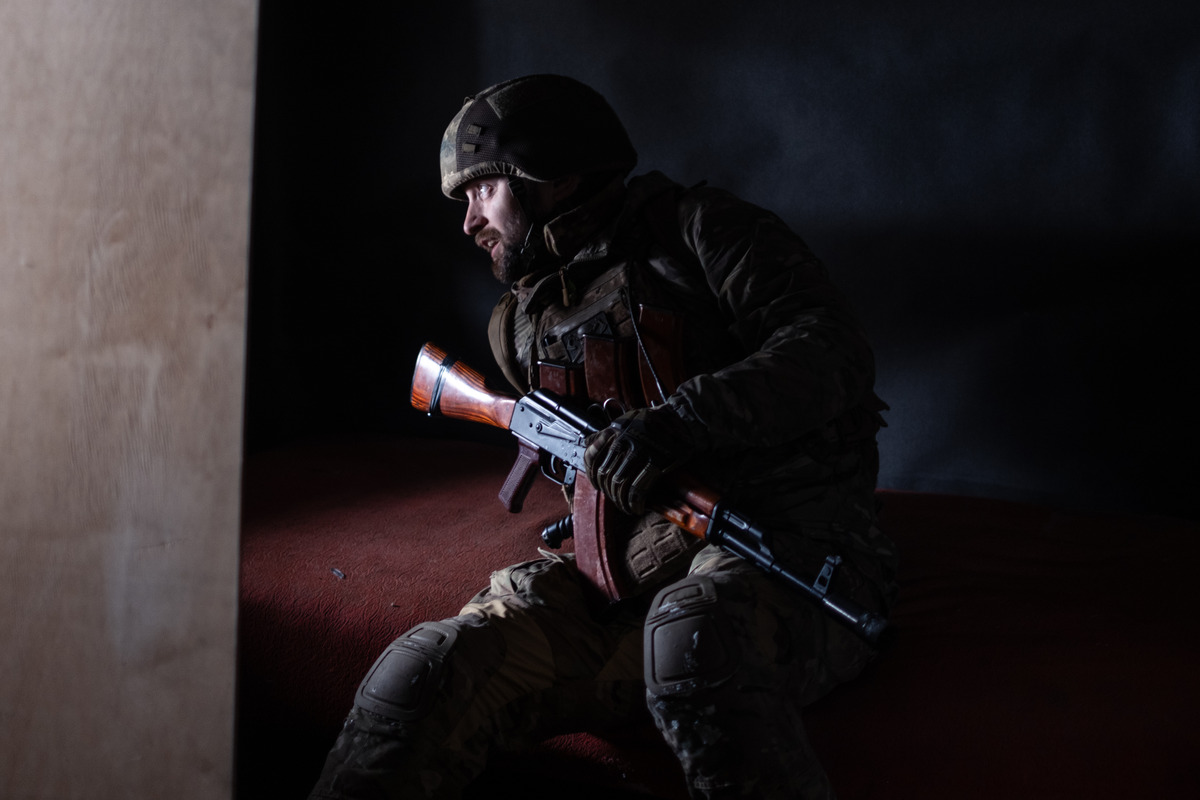
Zelensky’s Accusation of Trump’s Pressure In a Feb 17 2026 Axios interview, President Volodymyr Zelenskyy said Donald Trump’s public urging for Ukrainian concessions amounts to “undue pressure” on Kyiv [1]. He contrasted Trump’s tactics with those of U.S. envoy Steve Witkoff and Jared Kushner, whom he thanked without noting similar pressure [1]. Trump, speaking from Air Force One on Feb 16, demanded Ukraine “come to the table fast,” emphasizing rapid negotiation progress [1].
Geneva Talks Focus on Territorial Stalemate The U.S.-brokered peace conference opened in Geneva on Feb 16, centering on the disputed front lines that have persisted for nearly four years [2]. Russia’s delegation, led by chief negotiator Vladimir Medinsky, will present Moscow’s claims over Donetsk, Luhansk, Kherson and Zaporizhzhia [2]. Ukraine’s team, headed by newly appointed official Kyrylo Budanov, traveled by train to Switzerland and pledged to protect Ukrainian interests, rejecting any cession of territory [2].
Proposed Withdrawal and Security Guarantees U.S. Secretary of State Marco Rubio outlined a plan for Ukraine to pull back from parts of the Donbas to create a “free economic zone,” coupled with a 15‑year security guarantee [2]. Zelenskyy countered by proposing a peace document that freezes the front lines at today’s contact line, arguing such a deal would survive a national referendum [1]. Both sides remain unwilling to make major concessions, with Kyiv’s constitution explicitly barring territorial loss [2].
Zaporizhzhia Nuclear Risk and Ongoing Conflict The seized Zaporizhzhia nuclear plant, under Russian control since March 2022, continues to pose a nuclear safety threat amid the talks [2]. Recent Russian strikes on Ukrainian energy infrastructure and residential areas have heightened urgency for a resolution [2]. The war entered its fourth year, underscoring the protracted nature of the conflict and the stakes of any peace agreement [1].
Sources
-
1.
The Hindu: Zelenskyy Accuses Trump of Undue Pressure Over Ukraine Peace Terms – Details Zelensky’s Feb 17 interview condemning Trump’s push for concessions, Trump’s Feb 16 Air Force One remarks, and Zelensky’s proposal to freeze front lines for referendum approval .
-
2.
Newsweek: Russia‑Ukraine Geneva Talks Focus on Territorial Stalemate – Describes the Feb 16 Geneva summit, Medinsky’s Russian delegation, Budanov’s Ukrainian team, U.S. withdrawal proposal with a 15‑year guarantee, and the urgent nuclear plant risk .
Timeline
Feb 24, 2022 – Russia launches a full‑scale invasion of Ukraine, initiating a war that will last four years and become the backdrop for all subsequent peace negotiations. [27]
Dec 8, 2025 – Zelensky lands in London, meets UK Prime Minister Keir Starmer, French President Emmanuel Macron and German Chancellor Friedrich Merz to rally European backing, while President Trump claims Zelensky has not read the latest U.S. peace proposal; the Netherlands pledges €700 million in military aid. [25]
Dec 9, 2025 – Zelensky publicly refuses to cede any Ukrainian territory, saying such a concession would violate Ukraine’s constitution and international law, and notes that the U.S. plan has been trimmed from 28 to 20 points. [28]
Dec 10, 2025 – Ukraine submits its response to the U.S.–drafted peace plan, highlighting a demilitarized zone, NATO‑style security guarantees and a possible EU accession by 2027, while President Trump urges Zelensky to be realistic about the war’s duration and cites an 82 % Ukrainian desire for a settlement. [24][23]
Dec 14, 2025 – Zelensky announces he will drop Ukraine’s NATO‑membership bid in exchange for legally binding “Article 5‑like” security guarantees from the United States and its allies, rejects a U.S. proposal for a Donetsk demilitarized economic zone, and the Kremlin warns of continued Russian missile and drone attacks. [21][22]
Dec 15, 2025 – In Berlin, senior U.S. advisers Steve Witkoff and Jared Kushner meet Zelensky, narrowing gaps on security guarantees and the Donbas issue; European leaders pledge a multinational force and present an “Article 5‑like” guarantee document to the U.S. Senate. [20]
Dec 20, 2025 – Zelensky calls the 20‑point peace framework “solid,” noting it keeps Ukraine’s peacetime army at 800,000, outlines a path toward EU membership, and contains multilateral European security guarantees backed by a U.S. backstop, while fighting continues on the front lines. [19]
Dec 22, 2025 – Zelensky says U.S. draft proposals incorporate roughly 90 % of Kyiv’s demands, including a bilateral security‑guarantee document that must undergo congressional review, and he outlines a plan for a peacetime army, EU accession and a U.S.‑backed security backstop. [18]
Dec 24, 2025 – Zelensky proposes a free‑economic zone in demilitarized parts of eastern Ukraine, suggests a public referendum on any border changes, and acknowledges that Russia still claims Donbas, Kherson, Zaporizhzhia and Crimea, making territorial settlement the toughest hurdle. [17]
Dec 26, 2025 – Zelensky announces a 90 %‑ready 20‑point plan, offers to hold a nationwide referendum if the deal alters borders, invites President Trump to visit Ukraine in January to signal momentum toward a ceasefire, and proposes dropping the NATO bid for binding security guarantees while rejecting U.S. calls to cede Donetsk. [15][16][14][26]
Dec 27, 2025 – Zelensky acknowledges several issues remain unresolved—security‑guarantee details, the fate of territories Russia claims, and the Zaporizhzhia nuclear plant—while the Kremlin says dialogue with U.S. envoys continues after a meeting in Florida. [13]
Dec 28, 2025 – Zelensky arrives in Florida after a Russian missile barrage on Kyiv, holds a two‑and‑a‑half‑hour Mar‑a‑Lago session with Trump that both call “great,” and reports that about 90 % of the peace terms are settled, leaving land concessions and a Zaporizhzhia joint‑run proposal as the remaining gaps. [12][30][11]
Dec 29, 2025 – The United States offers Ukraine a 15‑year security‑guarantee package (Zelensky prefers up to 50 years); Zelensky claims the overall agreement is 90 % complete, both sides discuss a possible trilateral U.S.–Russia–Ukraine format, and Russia continues to reject NATO‑troop deployment in Ukraine. [9][10][2][3][4][5][8][1]
Dec 30, 2025 – Peace talks edge toward a final stage as Russia, the United States and Ukraine negotiate the last thorny issues—full Donbas territory and the management of the Zaporizhzhia nuclear plant—while Zelensky pushes for a demilitarized zone policed by international forces and a referendum to validate any deal. [1]
Jan 1, 2026 – Zelensky invites Trump to Ukraine, saying a presidential visit would signal momentum toward a ceasefire; Trump discusses the peace framework with Putin before and after the Florida talks, and Kyiv explores limited U.S. troop involvement as part of post‑war security guarantees. [8]
Jan 3, 2026 – European security advisers gather in Kyiv, receive all negotiation documents, and prepare to move talks to European capitals; Ukraine announces an $800 billion economic‑recovery package and a cabinet reshuffle that makes Denys Shmyhal energy minister and Gen. Kyrylo Budanov chief of staff. [7][29]
Jan 8, 2026 – Zelenskyy states the bilateral security‑guarantees document with the United States is “essentially ready” for finalisation, notes that Paris meetings have resolved many technical points, and ties the next step to U.S. engagement with Moscow and any indication of Russian willingness to end the war. [6]
Planned / future steps
Early Jan 2026 – Paris meetings with Ukraine’s General Staff and European leaders aim to finalize the multilateral security‑guarantee framework and the $800 billion economic package. [7][6]
January 2026 (date unspecified) – Trump plans a follow‑up gathering with European leaders, possibly at the White House, to continue peace talks. [30]
Post‑January 2026 – Ukraine intends to hold a national referendum on the 20‑point plan if Russia agrees to a ceasefire, as repeatedly indicated by Zelensky. [15][26]
Dive deeper (58 sub-stories)
-
The Hindu: Zelenskyy accuses Trump of undue pressure over Ukraine peace terms
-
Newsweek: Russia‑Ukraine Geneva Talks Focus on Territorial Stalemate
-
AP: Zelenskyy says Ukraine‑Russia‑US talks were constructive
-
CNN: Donbas at center as Abu Dhabi trilateral talks seek territorial settlement
-
The Hindu: Zelenskyy says U.S. security‑guarantees deal essentially ready to be finalised with Trump
-
The Hindu: Zelenskyy says U.S. and Ukraine discussed territorial 'ideas' as main barrier to peace talks
-
Ukraine Hosts European Security Advisers, Unveils $800 Billion Plan Ahead of Paris Summit
(2 articles)
-
The Hindu: Zelenskyy seeks U.S. leadership summit by January end as talks advance
-
The Hindu: Kyiv hosts security-allies talks as Zelensky says 15 nations attend
-
Zelensky Invites Trump to Ukraine as Florida Peace Talks Accelerate in January
(3 articles)
-
Newsweek: Zelensky says US troops discussed with Trump as peace talks intensify
-
BBC: Thorny issues threaten to derail Russia-Ukraine peace deal as talks edge toward final stage
-
U.S. Proposes 15‑Year Guarantees for Ukraine, Trump Hosts Zelenskyy Ahead of Paris Talks
(2 articles)
-
BBC: Trump says progress in Ukraine talks but thorny issues remain
-
CNN: Limited progress in Trump-Zelensky peace talks as Kyiv faces Russian assault
-
Newsweek: Trump-Zelensky Mar-a-Lago meeting advances peace talks as EU reacts
-
BBC: Trump and Zelensky upbeat after talks, but no evidence of progress toward peace
-
Trump Hosts Zelenskyy in Florida, Claims Ukraine‑Russia Peace Near Amid Donbas Stalemate
(4 articles)
-
Trump and Zelensky Conclude Mar‑a‑Lago Talks With No Breakthrough, 90% Plan Agreement
(2 articles)
-
CNN: Zelensky, Trump to meet in Florida after weeks of intensive peace talks
-
Zelensky Heads to Florida for Trump Talks After Deadly Kyiv Bombardment, While Russia Rejects U.S. Peace Blueprint
(2 articles)
-
The Hindu: Trump to host Zelenskyy at Mar-a-Lago to push end to Ukraine war
-
Newsweek: Zelensky updates Trump talks after Kyiv strikes as peace plan nears completion
-
AP: Zelenskyy flags unresolved issues in U.S.-Ukraine talks on ending Russia's war
-
Zelenskyy Heads to Florida for Trump Meeting on Ukraine Security and Peace Framework
(2 articles)
-
Newsweek: Zelensky Signals Referendum on Trump Peace Plan If Borders Change
-
Newsweek: Zelensky touts U.S. 'new ideas' for peace after talks, with revised 20-point proposal and possible Trump meeting
-
BBC: Zelensky hails new peace ideas after talks with US envoys
-
CNN: Zelensky offers peace concessions, puts ball in Putin's court
-
Zelensky Presents Revised 20‑Point Peace Plan with Demilitarized Donbas Zone
(2 articles)
-
The Hindu: Zelenskyy says progress in U.S.-led peace talks is solid
-
AP: Zelenskyy: U.S.-led peace drafts largely meet Kyiv’s demands as talks proceed
-
Newsweek: Zelensky says 20-point peace plan is solid with U.S.-European security guarantees
-
CNN: Putin Refuses Ukraine Territorial Concessions Amid Trump‑Led Peace Push
-
AP: Zelensky says Ukraine‑U.S. peace proposals could be ready within days
-
Newsweek: Zelensky Rules Out Donbas Concessions After Berlin Talks
-
AP: U.S. Agrees to Provide Security Guarantees to Ukraine in Berlin Talks
-
BBC: US Proposes NATO‑Style Guarantees as Ukraine Negotiates Peace, Donbas Remains Stalemate
-
Newsweek: EU Diplomat Rejects Russian Security Demand, Issues Donbas Warning
-
Zelenskyy Links NATO Withdrawal to Binding Guarantees While Rejecting Donetsk Concession
(2 articles)
-
Newsweek: Zelensky Signals Willingness to Trade NATO Bid for Bilateral Security Guarantees
-
The Hindu: Russia-Ukraine war: Is the 28-point Trump peace deal dead in the water?
-
AP: Zelenskyy to Convene Urgent Talks with 30 Allies Amid Trump‑Driven Peace Push
-
Newsweek: Trump Urges Zelensky to Be “Realistic” on Ukraine Peace Talks
-
CNN: Ukraine responds to US peace plan as Trump signals possible European meeting
-
AP: Ukraine to give revised peace plans to US as Kyiv readies for more talks with its coalition partners
-
Zelensky Reaffirms No Territorial Concessions While Seeking European Backing, Updates U.S. Framework
(3 articles)
-
AP: Zelenskyy improvises WhatsApp updates during whirlwind European trip
-
BBC: Trump Criticises European Leaders and Calls for Ukraine to Cede Territory
-
Newsweek: Trump Urges Ukraine to Decide on Peace Plan by Christmas Deadline
-
BBC: Ukraine prepares new peace plan as Zelensky rules out giving up land
-
AP: Zelenskyy in London with European allies on the U.S. peace plan and Ukrainian security
-
CNN: Zelensky says Ukraine will refuse to concede territory to Russia as peace talks press on
-
Newsweek: Trump Accuses Zelensky of Delaying 28‑Point Peace Plan Amid Ongoing Russian Attacks
-
CNN: Zelensky meets European leaders as Trump accuses him of not reading US proposal to end war
-
BBC: Zelensky heads to London for high-level Ukraine talks with European leaders
-
CNN: US‑Ukraine Negotiations Advance, but Key Compromises Remain Unsettled
-
Newsweek: U.S. Draft Security Plan Would Make Russia Co‑Arbiter of Ukraine’s Post‑War Security
All related articles (72 articles)
-
The Hindu: Zelenskyy accuses Trump of undue pressure over Ukraine peace terms
-
Newsweek: Russia‑Ukraine Geneva Talks Focus on Territorial Stalemate
-
AP: Zelenskyy says Ukraine‑Russia‑US talks were constructive
-
CNN: Donbas at center as Abu Dhabi trilateral talks seek territorial settlement
-
The Hindu: Zelenskyy says U.S. security‑guarantees deal essentially ready to be finalised with Trump
-
The Hindu: Zelenskyy says U.S. and Ukraine discussed territorial 'ideas' as main barrier to peace talks
-
King5 (Seattle, WA): Security advisers discuss peace proposals in Kyiv ahead of leaders' summit
-
AP: Kyiv hosts security advisers as talks on guarantees, funding advance toward Paris summit
-
The Hindu: Zelenskyy seeks U.S. leadership summit by January end as talks advance
-
The Hindu: Kyiv hosts security-allies talks as Zelensky says 15 nations attend
-
Newsweek: Zelensky invites Trump to Ukraine as peace talks gain momentum after Florida meeting
-
Newsweek: Zelensky says US troops discussed with Trump as peace talks intensify
-
BBC: Thorny issues threaten to derail Russia-Ukraine peace deal as talks edge toward final stage
-
AP: US offers Ukraine 15-year security guarantees as part of peace plan, Zelenskyy says
-
The Hindu: U.S. offers Ukraine 15-year security guarantees as part of peace plan, Zelenskyy says
-
BBC: Trump says progress in Ukraine talks but thorny issues remain
-
CNN: Limited progress in Trump-Zelensky peace talks as Kyiv faces Russian assault
-
Newsweek: Trump-Zelensky Mar-a-Lago meeting advances peace talks as EU reacts
-
BBC: Trump and Zelensky upbeat after talks, but no evidence of progress toward peace
-
AP: Trump hosts Zelenskyy in Florida, says Ukraine and Russia closer to peace despite tough negotiations
-
CNN: Trump-Zelensky talks at Mar-a-Lago yield no breakthrough, keep peace plan negotiations alive
-
The Hindu: Trump says Ukraine deal closer but no territorial breakthrough
-
King5 (Seattle, WA): Trump says Ukraine and Russia closer to peace after Zelenskyy talks in Florida
-
Newsweek: Trump-Zelensky meeting underway after Putin call at Mar-a-Lago
-
CNN: Zelensky, Trump to meet in Florida after weeks of intensive peace talks
-
BBC: Zelensky says Russia doesn't want peace ahead of Florida meeting with Trump
-
The Hindu: Trump to host Zelenskyy at Mar-a-Lago to push end to Ukraine war
-
Newsweek: Zelensky updates Trump talks after Kyiv strikes as peace plan nears completion
-
BBC: Zelensky to meet Trump in Florida to discuss US peace plan as fighting continues
-
The Hindu: Trump: Zelenskyy has nothing until I approve ahead of Florida meeting
-
AP: Zelenskyy flags unresolved issues in U.S.-Ukraine talks on ending Russia's war
-
The Hindu: Zelenskyy to meet Trump in Florida over Ukraine security guarantees
-
Newsweek: Zelensky Signals Referendum on Trump Peace Plan If Borders Change
-
AP: Zelenskyy to meet Trump in Florida to discuss security guarantees and reconstruction
-
Newsweek: Zelensky to meet Trump in Florida as peace talks advance
-
Newsweek: Zelensky touts U.S. 'new ideas' for peace after talks, with revised 20-point proposal and possible Trump meeting
-
BBC: Zelensky hails new peace ideas after talks with US envoys
-
CNN: Zelensky offers peace concessions, puts ball in Putin's court
-
BBC: Zelensky unveils updated 20-point peace plan proposing demilitarised Donbas zone and economic options
-
Newsweek: Zelensky signals concession to end Ukraine war with demilitarized zone proposal
-
The Hindu: Zelenskyy says progress in U.S.-led peace talks is solid
-
AP: Zelenskyy: U.S.-led peace drafts largely meet Kyiv’s demands as talks proceed
-
Newsweek: Zelensky says 20-point peace plan is solid with U.S.-European security guarantees
-
CNN: Putin Refuses Ukraine Territorial Concessions Amid Trump‑Led Peace Push
-
AP: Zelensky says Ukraine‑U.S. peace proposals could be ready within days
-
Newsweek: Zelensky Rules Out Donbas Concessions After Berlin Talks
-
AP: U.S. Agrees to Provide Security Guarantees to Ukraine in Berlin Talks
-
BBC: US Proposes NATO‑Style Guarantees as Ukraine Negotiates Peace, Donbas Remains Stalemate
-
Newsweek: EU Diplomat Rejects Russian Security Demand, Issues Donbas Warning
-
AP: Zelenskyy Offers NATO Bid Trade‑off for Binding Security Guarantees, Rejects U.S. Donetsk Concession
-
The Hindu: Zelenskyy offers to drop NATO bid for security guarantees but rejects US push to cede territory
-
Newsweek: Zelensky Signals Willingness to Trade NATO Bid for Bilateral Security Guarantees
-
The Hindu: Russia-Ukraine war: Is the 28-point Trump peace deal dead in the water?
-
AP: Zelenskyy to Convene Urgent Talks with 30 Allies Amid Trump‑Driven Peace Push
-
Newsweek: Trump Urges Zelensky to Be “Realistic” on Ukraine Peace Talks
-
CNN: Ukraine responds to US peace plan as Trump signals possible European meeting
-
AP: Ukraine to give revised peace plans to US as Kyiv readies for more talks with its coalition partners
-
AP: Zelenskyy reaffirms refusal to cede land as he rallies European support
-
AP: Zelenskyy improvises WhatsApp updates during whirlwind European trip
-
BBC: Trump Criticises European Leaders and Calls for Ukraine to Cede Territory
-
Newsweek: Trump Urges Ukraine to Decide on Peace Plan by Christmas Deadline
-
The Hindu: Zelenskyy refuses to cede land to Russia as he rallies European support
-
BBC: Ukraine prepares new peace plan as Zelensky rules out giving up land
-
AP: Zelenskyy in London with European allies on the U.S. peace plan and Ukrainian security
-
CNN: Zelensky says Ukraine will refuse to concede territory to Russia as peace talks press on
-
Newsweek: Zelensky Rejects Territorial Concessions; Trump Criticizes Europe Amid Russia‑Ukraine Tensions
-
Newsweek: Trump Accuses Zelensky of Delaying 28‑Point Peace Plan Amid Ongoing Russian Attacks
-
CNN: Zelensky meets European leaders as Trump accuses him of not reading US proposal to end war
-
BBC: Zelensky heads to London for high-level Ukraine talks with European leaders
-
AP: Trump says Zelenskyy isn’t ready to accept US-authored peace proposal amid ongoing talks
-
CNN: US‑Ukraine Negotiations Advance, but Key Compromises Remain Unsettled
-
Newsweek: U.S. Draft Security Plan Would Make Russia Co‑Arbiter of Ukraine’s Post‑War Security
External resources (23 links)
- https://www.whitehouse.gov/wp-content/uploads/2025/12/2025-National-Security-Strategy.pdf (cited 4 times)
- https://www.politico.com/news/2025/12/26/trump-to-politico-zelenskyy-doesnt-have-anything-until-i-approve-it-00706783 (cited 2 times)
- https://www.politico.com/news/2025/12/09/trump-dasha-burns-interview-europe-immigration-ukraine-00682016?utm_content=topic/politics&utm_source=flipboard (cited 1 times)
- https://www.politico.com/news/2025/12/26/trump-to-politico-zelenskyy-doesnt-have-anything-until-i-approve-it-00706783?utm_medium=twitter&utm_source=dlvr.it (cited 1 times)
- https://x.com/narendramodi (cited 9 times)
- https://t.co/J2iPAdArQn (cited 3 times)
- https://twitter.com/Pontifex?ref_src=twsrc%5Etfw (cited 3 times)
- https://www.facebook.com/sharer/sharer.php?u=https%3A%2F%2Fnews.sky.com%2Fstory%2Fukraine-war-latest-putin-peace-deal-china-russia-donbas-trump-india-miami-talks-12541713%3Fpostid%3D10674654%23liveblog-body&t=Pope%3A%20Trump%20remarks%20%27trying%20to%20break%20apart%27%20US-Europe%20alliance (cited 3 times)
- https://x.com/vonderleyen/status/2004998697231200301 (cited 3 times)
- https://x.com/alexstubb/status/2005394145624658332 (cited 2 times)
- https://x.com/donaldtusk/status/2005344651537260581 (cited 2 times)
- https://x.com/zelenskyyua/status/2005411973278679457?s=46 (cited 2 times)
- https://x.com/CMShehbaz/status/2005822489709142201 (cited 1 times)
- https://x.com/SEPeaceMissions/status/2002826320615444873 (cited 1 times)
- https://x.com/SEPeaceMissions/status/2002876838448697741 (cited 1 times)
- https://x.com/narendramodi/status/2005899780795535587 (cited 1 times)
- http://eng.mod.gov.cn/2025xb/N/T/16425680.html (cited 3 times)
- http://eng.mod.gov.cn/2025xb/N/T/16426188.html (cited 3 times)
- https://news.sky.com/story/ukraine-war-latest-trump-putin-attack-zelenskyy-russia-frontline-peace-talks-12541713?postid=10769353#liveblog-body (cited 3 times)
- https://www.bloomberg.com/news/articles/2025-12-08/zelenskiy-says-no-accord-so-far-on-eastern-ukraine-in-us-talks?embedded-checkout=true (cited 2 times)
- https://tass.ru/politika/26026699 (cited 1 times)
- https://www.president.gov.ua/en/news/ye-deyaki-nashi-novi-ideyi-yak-nabliziti-realnij-mir-i-ce-st-102201 (cited 1 times)