Mid‑Decade Redistricting Wars Intensify as Courts Block Plans and Elections Shift
Updated (55 articles)
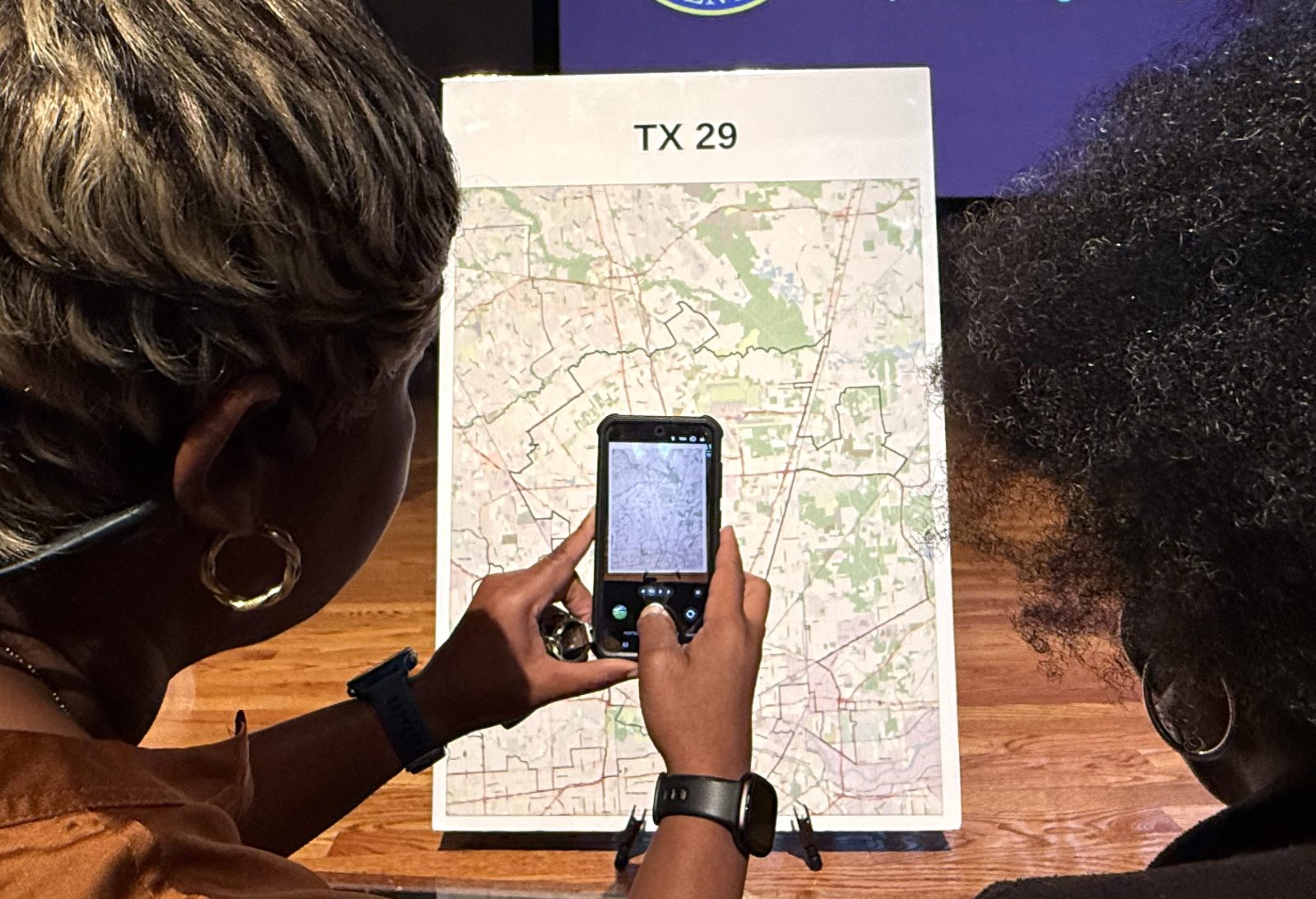
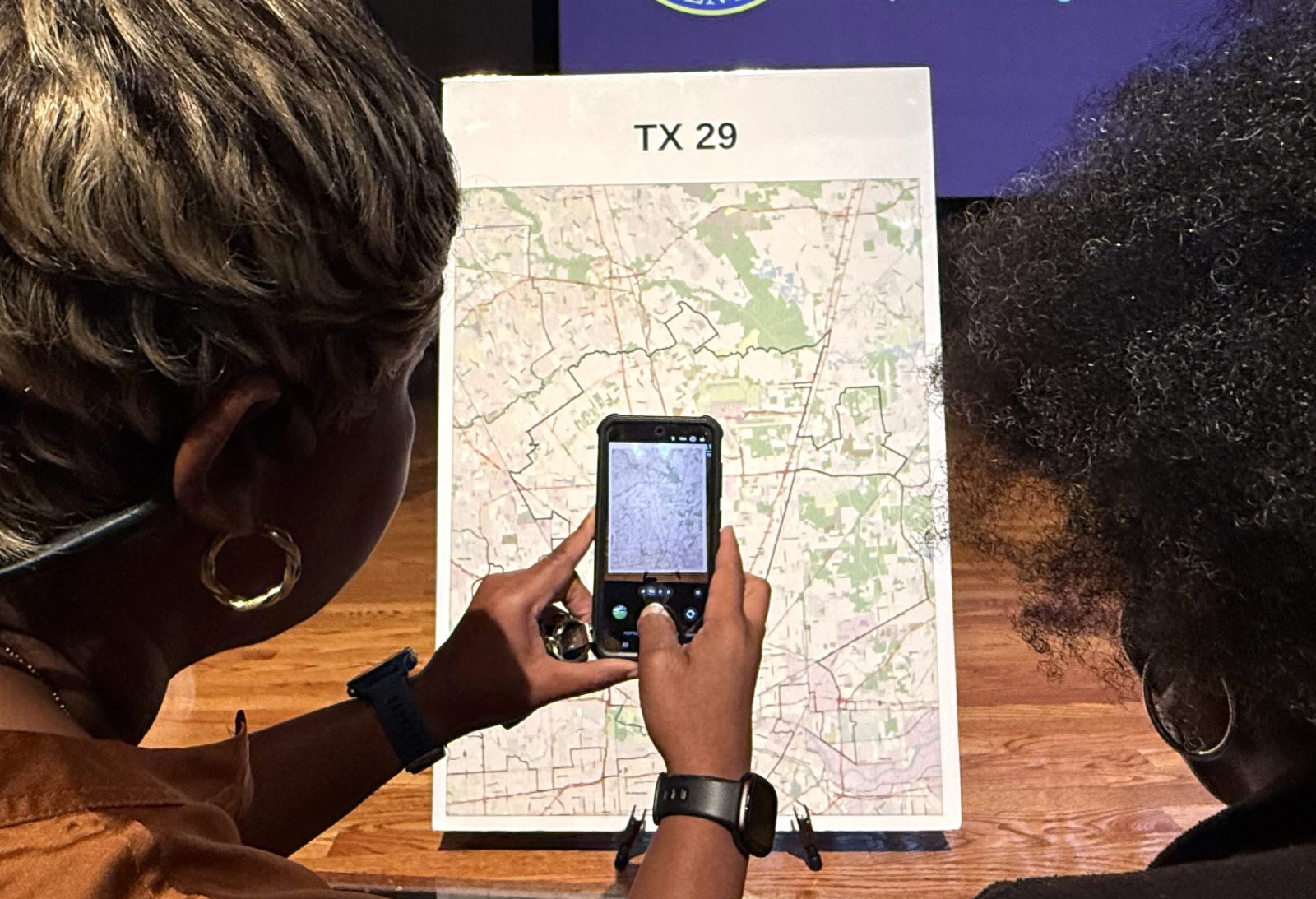
State Legislatures Push Mid‑Decade Maps Ahead of 2026 Midterms Republican‑led Texas signed a revised congressional map on Aug. 29 that could add five GOP seats, and the U.S. Supreme Court cleared it on Dec. 4 after overturning a lower‑court block [1]. Democratic‑controlled California voters approved a new map on Nov. 4 that could give Democrats five additional seats, while a federal panel rejected Republican challenges [1]. Missouri’s Gov. Mike Kehoe signed a map on Sept. 28 adding one GOP seat, and North Carolina’s Republican legislature finalized a map on Oct. 22 that also adds a GOP seat, both facing legal challenges [1]. Virginia’s bipartisan panel adopted a map on Oct. 31 that would boost Republicans by two seats, with no lawsuits filed yet [1].
Texas Senate Special Election Undermines GOP Redistricting Assumptions Democrat Taylor Rehmet won Texas Senate District 9 by more than 14 points, flipping a district Trump carried by 17 points in 2024 [2]. The loss follows the Supreme Court’s December decision to allow the GOP‑drawn congressional map to be used while the case proceeds [2]. Republicans had designed the map to secure vulnerable districts such as the 35th congressional district, a strategy now questioned after the upset [2]. Analysts cite the runoff’s 30‑plus‑point swing as evidence of growing Democratic momentum that could affect the 2026 midterms [2].
Maryland Governor’s Plan to Eliminate Lone GOP Seat Stalls Gov. Wes Moore is pushing a bill to redraw Maryland’s House districts to target Rep. Andy Harris, the state’s only Republican congressman, and the proposal cleared the House of Delegates [3]. Senate President Bill Ferguson blocked the plan, warning that an 8‑0 Democratic map could be struck down by courts and could produce a 6‑2 outcome instead [3]. Moore’s supporters have only ten or eleven Senate votes, far short of the 24 needed for passage, leaving the redistricting deadline looming [3]. National Democrats view the seat as pivotal for the House balance, adding pressure to the stalled effort [3].
Virginia Courts Nullify Democratic Mid‑Decade Redistricting Amendment Tazewell County Circuit Court Judge Jack Hurley Jr. ruled on Jan. 27 that the constitutional amendment enabling a Democratic‑led redistricting plan violated three procedural requirements, including the three‑month publication rule and timing before the Nov. 2025 election [4][5][6]. The decision could prevent Democrats from adding up to four new House seats in the 2026 midterms, prompting Democratic leaders to vow an appeal and consider an April referendum [4][6]. Republicans framed the lawsuit as “court‑shopping,” while Democrats accused them of abusing the legal process to block voter choice [5][6]. House Speaker Don Scott reiterated the party’s intent to put the question before voters despite the ruling [4][5].
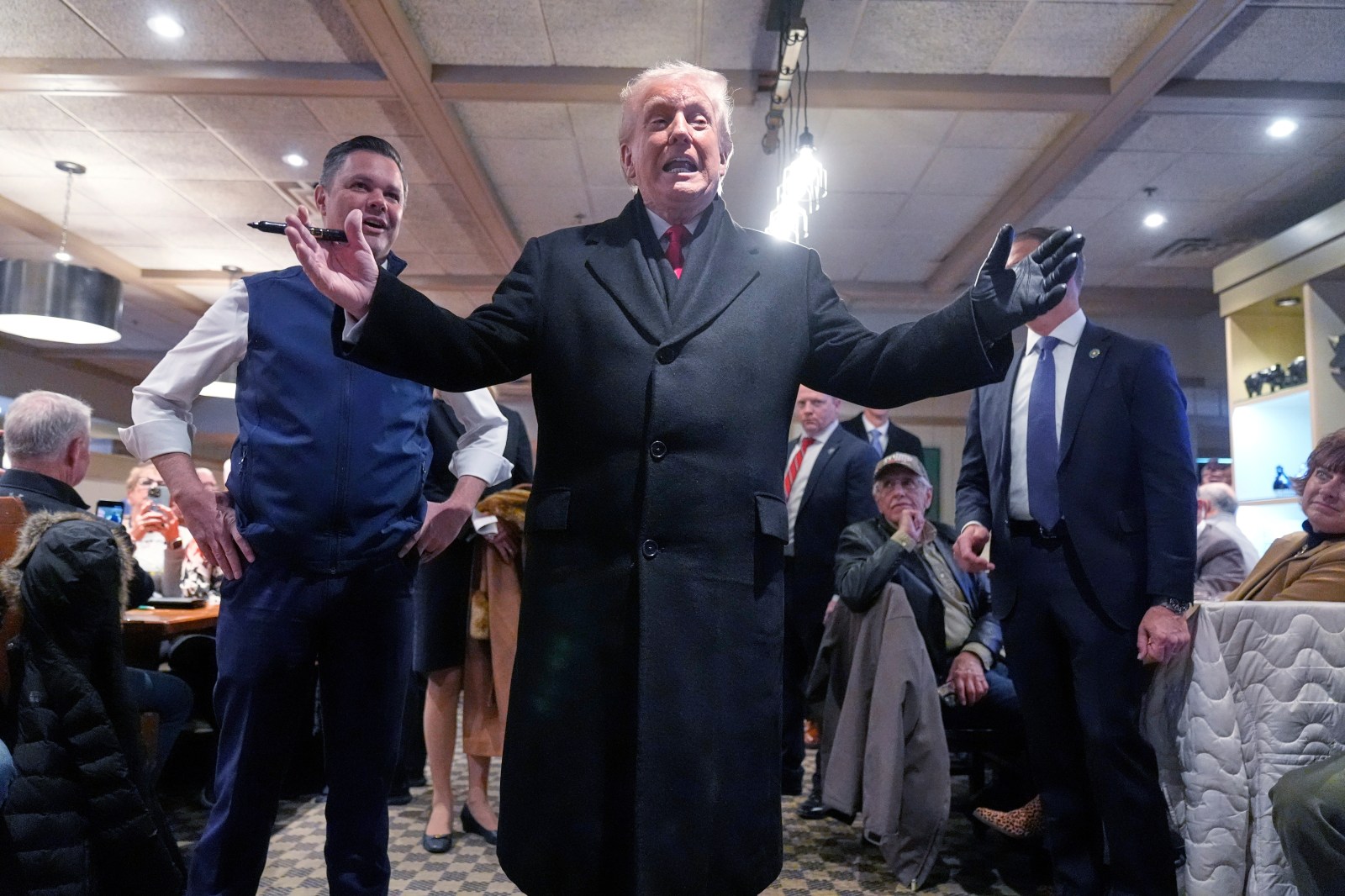
National Redistricting Battle Reflects Trump‑Initiated Push Former President Donald Trump urged Texas Republicans to redraw districts last summer, a move that has produced nine additional GOP‑friendly seats in states such as Texas, Missouri, North Carolina, and Ohio [1][5]. Democrats are targeting gains in California, Utah, and Virginia, hoping to offset Republican advances, but litigation and procedural setbacks continue to shape outcomes [1][4]. The Virginia and Maryland stalemates illustrate intra‑party resistance to national redistricting strategies, mirroring Indiana Republicans’ rejection of Trump’s agenda [3]. As courts issue rulings and special elections shift voter sentiment, the 2026 midterm map landscape remains highly contested [2][6].
Sources
-
1.
AP: States Accelerate Mid‑Decade Redistricting Ahead of 2026 Midterms – Details how Republican and Democratic legislatures in Texas, California, Missouri, North Carolina, and Virginia have adopted or are considering new congressional maps to add partisan seats, including court actions and voter approvals.
-
2.
Newsweek: GOP Redistricting Strategy Questioned After Texas Senate Upset – Highlights Democrat Taylor Rehmet’s 14‑point victory in Texas Senate District 9, the Supreme Court’s December decision to let the GOP‑drawn congressional map proceed, and the implication that the GOP’s targeted 35th district plan may be ineffective.
-
3.
CNN: Maryland Governor Wes Moore’s Redistricting Push Stalls Amid Senate Opposition – Describes Governor Moore’s effort to redraw Maryland’s districts to eliminate Rep. Andy Harris, the House’s approval, Senate President Bill Ferguson’s block, and the insufficient Democratic Senate support (10‑11 votes).
-
4.
Newsweek: Virginia Judge Blocks Democratic Redistricting Amendment – Details Judge Jack Hurley Jr.’s ruling that the constitutional amendment to allow a Democratic‑led redistricting plan violated procedural deadlines, threatening up to four new Democratic seats and prompting appeals.
-
5.
AP: Virginia Judge Blocks Democratic Redistricting Amendment – Mirrors the Newsweek report, emphasizing the three procedural violations identified by Judge Hurley and the Democratic leadership’s intent to appeal and place the issue before voters.
-
6.
CNN: Virginia Court Halts Democrats’ Mid‑Decade Redistricting Plan – Provides additional context on the timing violations, the potential April referendum, and the broader national trend originating from Trump’s Texas push that has produced nine GOP‑friendly seats and six Democratic‑friendly seats.
Videos (1)
Timeline
2010 – Voters approve Florida’s “Fair Districts” amendment, which bans congressional maps drawn to unfairly favor a party, setting a constitutional hurdle for any future redistricting effort [12].
Nov 2020 – Virginia voters adopt a bipartisan redistricting commission in a statewide referendum, establishing a new process for drawing congressional districts that later becomes contested [7].
2021 – The U.S. Supreme Court issues a decision that halts a similar partisan gerrymander, warning that mid‑decade redistricting could be struck down by the courts and influencing Maryland’s Senate President Bill Ferguson to block an 8‑0 Democratic map [2].
2022 – Justice Samuel Alito authors the Dobbs decision overturning abortion rights, a landmark ruling that later cements his influence on the Court’s approach to race‑related redistricting cases [13].
Aug 2023 – Texas Governor Greg Abbott signs the state’s newly redrawn congressional map, a plan projected to add up to five Republican seats in the 2026 midterms [1].
Sept 28 2025 – Missouri Governor Mike Kehoe signs a revised U.S. House map that could give Republicans an extra seat, prompting immediate legal challenges and a petition drive [14].
Oct 22 2025 – North Carolina’s General Assembly approves new congressional districts favoring Republicans, joining a wave of mid‑decade map changes across the South [24].
Nov 4 2025 – California voters pass Proposition 50, approving a voter‑backed congressional map designed to flip up to five House seats toward Democrats [24].
Dec 2 2025 – Former President Donald Trump urges states to redraw districts before the 2026 elections, launching a nationwide “mid‑decade redistricting” push aimed at countering the historical midterm loss trend for his party [24].
Dec 4 2025 – The U.S. Supreme Court grants emergency relief, staying a lower‑court block and allowing Texas to use its newly drawn map for the 2026 elections; three liberal justices dissent, warning that the map “violates the Constitution” by packing minority voters [22][1].
Dec 4 2025 – Florida’s House select committee holds its first redistricting meeting, marking the state’s entry into the national map‑making race while Governor Ron DeSantis and legislative leaders clash over the 2010 Fair Districts amendment [28].
Dec 4 2025 – Rep. Darrell Issa weighs moving to Texas’s 32nd District after California’s Proposition 50 adds Democratic‑leaning Palm Springs to his district, reflecting personal fallout from state‑level redistricting [29].
Dec 5 2025 – The Supreme Court issues a 5‑4 ruling permitting Texas to use its 2026 congressional map, a plan projected to give Republicans a net advantage of three seats in the state’s delegation [27].
Dec 9 2025 – More than 300,000 Missouri voters submit signatures to force a referendum on the new congressional map, far exceeding the 110,000 needed to suspend the law pending a statewide vote [21].
Dec 10 2025 – Trump warns Indiana Republicans that any senator who votes against the redistricting plan “will be met with a MAGA primary,” intensifying pressure on state legislators [20].
Dec 11 2025 – The Indiana Senate votes 31‑19 to reject the Trump‑backed congressional map that would have eliminated two Democratic districts and given GOP control of all nine seats [18][19].
Dec 12 2025 – Indiana Democrats pledge to continue the redistricting battle despite the Senate defeat, with House Minority Leader Hakeem Jeffries stating they will “finish the fight” [17].
Dec 14 2025 – Mid‑decade redistricting spreads to multiple states, including Indiana, Missouri, and California, as the GOP‑led effort projects a net gain of three House seats for Republicans nationwide [16].
Dec 19 2025 – Missouri’s new congressional map splits the Operation Breakthrough campus across Troost Avenue, re‑establishing the historic racial divide and potentially creating three Republican seats in Kansas City [15].
Dec 23 2025 – Missouri voters file a lawsuit to suspend the new congressional map pending a referendum, arguing the map should be halted until voters decide its fate [14].
Dec 29 2025 – Justice Alito’s influence dominates the Court as he authors a separate opinion criticizing liberal dissenters in the Texas redistricting case, underscoring his growing role in shaping partisan gerrymandering jurisprudence [13].
Jan 7 2026 – Gov. Ron DeSantis announces an April special legislative session to redraw Florida’s congressional map, saying he will “wait for the Supreme Court’s ruling in Louisiana v. Callais” before finalizing districts [11][12].
Jan 12 2026 – The Trump‑backed redistricting push stalls as states like Indiana reject GOP maps and legislators in Maryland, Virginia, and other states weigh legal and political risks [10].
Jan 14 2026 – A federal three‑judge panel in Los Angeles clears California’s voter‑approved 2026 congressional map, allowing the Democratic‑friendly districts to be used in the upcoming midterms [5][9].
Jan 16 2026 – Two federal rulings in California go against the Trump administration: a court upholds Proposition 50’s map, and a judge dismisses the Justice Department’s request for voter data, citing privacy violations [8]; the same day, Virginia’s Senate advances a constitutional amendment to permit mid‑decade redistricting, sending it to a statewide referendum [7].
Jan 21 2026 – Maryland’s redistricting commission, chaired by Gov. Wes Moore, votes to forward a map that expands Rep. Andy Harris’s district into Democratic‑leaning areas, a plan that could give Democrats an eighth House seat and wipe out the GOP’s lone seat [4][6].
Jan 27 2026 – A Virginia circuit judge blocks the General Assembly’s last‑minute constitutional amendment for mid‑decade redistricting, ruling that lawmakers violated timing rules for the November 2025 election and threatening Democratic hopes of adding up to four House seats [3].
Feb 1 2026 – Gov. Wes Moore’s effort to eliminate Maryland’s sole Republican House seat stalls as Senate President Bill Ferguson blocks the 8‑0 map, citing the 2021 Supreme Court decision and legal risk of a court‑struck map [2].
Apr 2026 (planned) – Florida’s special session convenes to draft new congressional districts, with the legislature expected to submit maps before the April deadline and potentially reshape the state’s 20‑seat Republican majority [11][12].
Apr 2026 (planned) – Virginia voters are slated to decide a statewide referendum on the constitutional amendment that would allow mid‑decade redistricting, a vote that could unlock a new bipartisan commission‑drawn map before the 2026 elections [7][3].
Feb 24 – Mar 31 2026 (planned) – Missouri candidates file for congressional races, a window that could be disrupted if the petition‑driven referendum suspends the new districts before the August 4 primary [21].
Aug 4 2026 (planned) – Missouri holds its primary elections, a contest that may be affected by the outcome of the pending referendum on the new congressional map [21].
Nov 2026 (planned) – The 2026 midterm elections approach, with Texas, California, Virginia, Maryland, and other states poised to use newly drawn maps that could shift the balance of power in the U.S. House of Representatives [1][5][7][9][23].
Dive deeper (10 sub-stories)
-
States Accelerate Mid‑Decade Redistricting as Texas Map Advances and GOP Upset
(17 articles)
-
Maryland Governor’s Bid to Redraw House Map Stalls as Senate Blocks 8‑0 Plan
(3 articles)
-
Virginia Judge Declares Democratic Redistricting Amendment Invalid, Prompting Appeal
(5 articles)
-
Trump Administration Loses Two Federal Rulings in California Over Redistricting and Voter Data
(2 articles)
-
Trump’s Mid‑Decade Redistricting Drive Faces Setbacks as Indiana Rejects Plan
(18 articles)
-
DeSantis Calls April Special Session to Redraw Florida Congressional Map Ahead of Supreme Court Ruling
(3 articles)
-
CNN: Alito’s court wins dominate, but mood turns testier and public scrutiny grows
-
Missouri Voters File Lawsuit to Suspend New Congressional Map Ahead of Referendum
(3 articles)
-
CNN: Missouri redistricting could reopen Kansas City's Troost divide.
-
Issa Rejects Texas Relocation, Remains in San Diego After Redistricting Shake‑up
(2 articles)
All related articles (55 articles)
-
AP: States Accelerate Mid‑Decade Redistricting Ahead of 2026 Midterms
-
Newsweek: GOP Redistricting Strategy Questioned After Texas Senate Upset
-
CNN: Maryland Governor Wes Moore’s Redistricting Push Stalls Amid Senate Opposition
-
Newsweek: Virginia Judge Blocks Democratic Redistricting Amendment
-
AP: Virginia Judge Blocks Democratic Redistricting Amendment
-
CNN: Virginia Court Halts Democrats’ Mid‑Decade Redistricting Plan
-
Newsweek: Maryland Redistricting Map Could Wipe Out Republicans’ House Seat
-
CNN: Maryland redistricting commission proposes map targeting GOP Rep. Andy Harris
-
AP: Virginia Senate advances mid-decade redistricting amendment ahead of referendum
-
Newsweek: Trump administration suffers back-to-back legal losses in California over redistricting and voter data
-
CNN: Federal judges allow California to use new Democrat-friendly map ahead of 2026 election
-
AP: Federal panel allows California's voter-approved House map for 2026 midterms
-
AP: Trump's redistricting push stalls at critical juncture
-
AP: DeSantis schedules April special session to redraw Florida congressional map
-
CNN: DeSantis calls April special session to redraw Florida congressional districts
-
AP: Democrats renew worries about Trump interfering in the 2026 midterms as GOP redistricting push unfolds
-
CNN: Alito’s court wins dominate, but mood turns testier and public scrutiny grows
-
AP: Missouri voters sue to suspend new congressional map pending referendum
-
CNN: Missouri redistricting could reopen Kansas City's Troost divide.
-
AP: Court hearing begins on California’s new congressional map
-
Newsweek: Rand Paul warns redistricting could heighten civil tension and violence
-
AP: Gerrymandering battles intensify as states redraw maps before 2026 midterms
-
AP: Trump’s Indiana Redistricting Proposal Rejected by State Senate
-
CNN: Democrats Push Redistricting Despite Indiana Republicans Rejecting New Map
-
CNN: Trump Faces Growing Republican Pushback as Indiana Senate Rejects Redistricting, DOJ Fails to Re‑Indict James, and House Votes Against His Order
-
AP: Indiana GOP Rejects Trump‑Backed Redistricting Plan Ahead of 2026 Midterms
-
AP: Indiana Senate Rejects Trump‑Backed Redistricting Plan
-
CNN: Indiana Senate Rejects Trump‑Requested Redistricting, Signaling Party Crack
-
CNN: Indiana Senate Rejects Trump‑Led Redistricting Plan
-
Newsweek: Indiana Senate Rejects Redistricting Plan, Defying Trump
-
CNN: Indiana Senate Rejects Trump‑Backed Redistricting Plan
-
CNN: Trump‑Led Redistricting Effort Faces Legal Challenges in Indiana, Texas, California
-
Newsweek: Trump Issues New Warning to Indiana Republican Over Redistricting
-
AP: Opponents of Trump-backed redistricting in Missouri submit a petition to force a public vote
-
CNN: Opponents of Trump-backed redistricting in Missouri submit a petition to force a public vote
-
AP: Indiana Senate committee advances redistricting measure backed by Trump toward final floor vote
-
CNN: Indiana GOP voters show mixed signals on Trump-backed redistricting
-
AP: Indiana Republicans face threats amid Trump-backed redistricting push in Indiana Senate
-
CNN: Supreme Court Endorses Texas Redistricting, Bolstering California Democrats' Map Defense
-
AP: Indiana House Passes Trump‑Backed Redistricting Map, Senate Set for Decision
-
AP: California Rep. Issa Declines Texas Move, Stays in San Diego Seat
-
Newsweek: Supreme Court Upholds Texas Redistricting Map, Shifting Congressional Landscape
-
AP: Supreme Court Temporarily Allows Texas to Use GOP‑Favored Redistricting Map
-
AP: Supreme Court Allows Texas to Use 2026 Congressional Map Favoring Republicans
-
Newsweek: Texas Supreme Court Allows GOP‑Favored Redistricting Map, Threatening Several Democrats
-
BBC: Supreme Court Clears Texas Redrawn Voting Map for 2026 Midterms
-
Newsweek: Justice Kagan Warns Constitutional Violation Over Texas Redistricting Ruling
-
Newsweek: Supreme Court Allows Texas to Use New Congressional Map in 2026 Elections
-
CNN: Supreme Court permits Texas to use Trump‑backed congressional map for 2026 midterms
-
AP: Florida Begins Redistricting Talks Amid GOP Infighting
-
Newsweek: Virginia Democrats Seek Redistricting to Gain Four Congressional Seats
-
AP: Issa Contemplates Texas Move After California Redistricting
-
AP: Trump‑Driven Redistricting Spurs Nationwide Legal Battles
-
AP: Indiana Senate to Reopen on Dec. 8 as GOP Pushes New Congressional Map
-
Newsweek: Indiana Senator Mike Bohacek Receives Bomb Threats After Breaking With Trump
External resources (30 links)
- https://www.youtube.com/watch?v=4_2vgnLwRRU (cited 1 times)
- https://bjs.ojp.gov/content/pub/pdf/fjs13st.pdf (cited 1 times)
- https://www.supremecourt.gov/opinions/16pdf/15-1262_db8e.pdf (cited 1 times)
- https://www.supremecourt.gov/opinions/23pdf/22-807_3e04.pdf (cited 1 times)
- https://www.supremecourt.gov/opinions/24pdf/24a1007_22p3.pdf (cited 1 times)
- https://www.supremecourt.gov/opinions/25pdf/25a608_7khn.pdf (cited 1 times)
- https://www.supremecourt.gov/oral_arguments/argument_transcripts/2023/22-666_l6h2.pdf (cited 1 times)
- https://www.law.cornell.edu/supct/pdf/08-205P.ZO (cited 1 times)
- https://edition.cnn.com/2025/12/11/politics/reasons-indiana-senate-republicans-said-no-trump-redistricting (cited 1 times)
- https://www.politico.com/live-updates/2025/12/11/congress/b-00686585 (cited 1 times)
- https://www.politico.com/news/2025/12/09/trump-dasha-burns-interview-europe-immigration-ukraine-00682016 (cited 1 times)
- https://www.wsj.com/opinion/samuel-alito-the-supreme-courts-plain-spoken-defender-precedent-ethics-originalism-5e3e9a7?gaa_at=eafs&gaa_n=AWEtsqeaGcSjYBRfjHKVagb8n4HDSnUdx8zaHYGhJLWUkTxUNoB3xmZG2_LDwHkTZw%3D%3D&gaa_ts=69447b4c&gaa_sig=vFgPOpnjOKkFzN79cboXRLN-N5v9VGxZ3UL8hELL9iSdOjBMP1ifJ2gd1wInPfDM8nkFyufX-3NQelWkGRGmQQ%3D%3D (cited 1 times)
- https://s3.documentcloud.org/documents/26338616/25a608-order.pdf (cited 1 times)
- https://bsky.app/profile/mikeysid.bsky.social (cited 1 times)
- https://x.com/ChuckGrassley/status/1999154682246144409 (cited 1 times)
- https://x.com/DaniellaMicaela (cited 1 times)
- https://x.com/JPenaMelnyk/status/2002093928523440443/photo/1 (cited 1 times)
- https://x.com/NicoleGriffinTV/status/1995601091581649097 (cited 1 times)
- https://x.com/SenLouiseLucas/status/1996717946903634409 (cited 1 times)
- https://x.com/SenLouiseLucas/status/1996721641204715608 (cited 1 times)
- https://x.com/SenLouiseLucas/status/1999282241588121890 (cited 1 times)
- https://x.com/agpambondi/status/1996729831355044296?s=46&t=NjhYIgHEw8Aya49uJVI5Hw (cited 1 times)
- https://x.com/allymutnick/status/1996326127196053586?s=46 (cited 1 times)
- https://x.com/heritage_action/status/1999141506473509071 (cited 1 times)
- https://x.com/thejusticedept/status/1996763717393055933 (cited 1 times)
- https://www.reportforamerica.org/ (cited 2 times)
- https://chicago.suntimes.com/politics/2025/12/09/indiana-redistricting-illinois-pritzker-congressional-map (cited 1 times)
- https://dayfortexas.com/ (cited 1 times)
- https://google.com/search?q=supreme+court+2019+rucho+cnn&rlz=1C1GCCA_en&oq=supreme+court+2019+rucho+cnn+&gs_lcrp=EgZjaHJvbWUyBggAEEUYOTIHCAEQIRigATIHCAIQIRigATIHCAMQIRigATIHCAQQIRigATIHCAUQIRigATIHCAYQIRirAtIBCDQwMDVqMGo0qAIAsAIA&sourceid=chrome&ie=UTF-8 (cited 1 times)
- https://www.aclu.org/press-releases/missouri-voters-challenge-mid-decade-redistricting-effort (cited 1 times)