Artemis II Launch Delayed After Helium‑Flow Fault Forces Kennedy Rollback
Updated (2 articles)
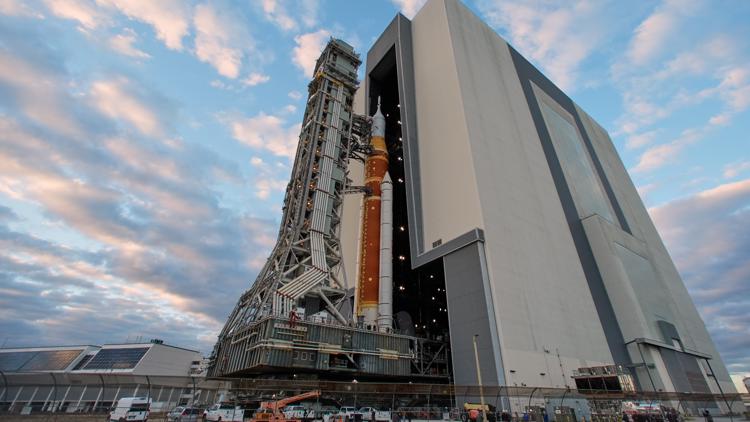
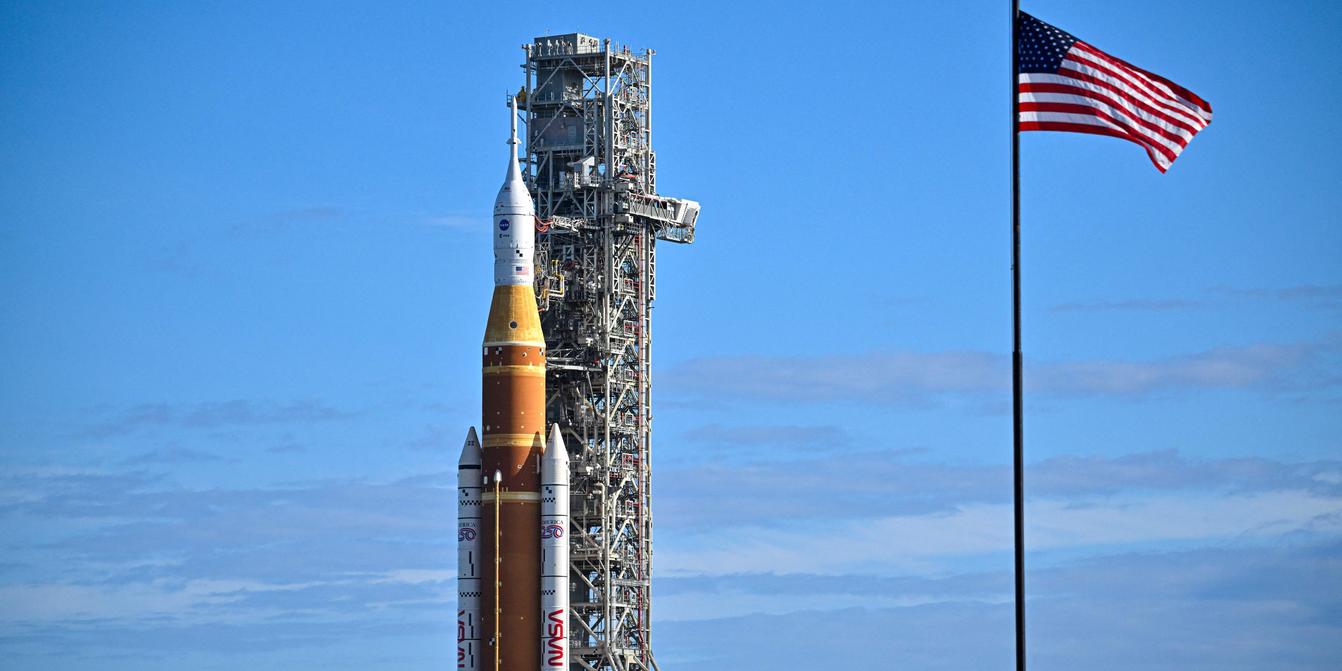
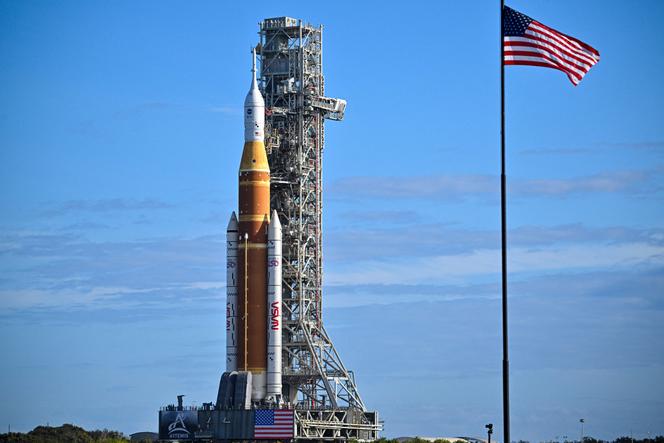
Helium‑Flow Interruption Triggers Immediate Launch Delay NASA detected a disruption in the helium feed to the Space Launch System’s interim cryogenic propulsion stage during overnight checks on Friday night, 21 February 2026, prompting a rollback of the vehicle to the Vehicle Assembly Building at Kennedy Space Center and eliminating the planned 6 March launch window [1][2].
Rollback Limits Repairs to Kennedy Space Center Engineers confirmed that repairs must be performed at Kennedy, requiring uninterrupted solid helium flow for a safe launch; the vehicle’s return to the integration facility closes the March opportunity and will require several days of additional checks [1][2].
Crew Quarantine Begins Amid Schedule Uncertainty The four Artemis II astronauts—three Americans and one Canadian—entered a mandatory two‑week quarantine on Friday night, a standard health protocol that may be lifted early because the launch has been postponed [1][2].
Earlier Hydrogen Leak Issues Largely Resolved second fueling test on Thursday showed only minimal hydrogen leaks after earlier dress‑rehearsal leaks, restoring confidence in the rocket’s performance for a future launch attempt [1].
Mission Remains First Crewed Lunar Orbit in Half a Century Artemis II will be the first crewed lunar‑orbit mission in 50 years, slated for a ten‑day flight from Cape Canaveral with multiple potential windows in March and April, underscoring NASA’s return to deep‑space crewed operations [1][2].
Sources
-
1.
WBNS: Artemis II launch delayed as helium‑flow problem forces rollback: Details NASA’s helium‑flow interruption, rollback to the VAB, loss of the 6 March window, crew quarantine start, and resolved hydrogen leak test, emphasizing operational specifics at Kennedy
-
2.
Le Monde: NASA postpones Artemis‑2 launch after helium‑flow fault discovered: Highlights the helium‑flow fault, cancellation of the March launch, rollback to the assembly building, quarantine of the three U.S. and one Canadian astronaut, and outlines multiple future launch windows, focusing on schedule impact
Related Tickers
Timeline
1972 – Apollo 17 completes the last crewed lunar‑orbit mission, establishing a five‑decade gap before NASA’s planned Artemis II flight, the first crewed lunar orbit in 50 years [1][2].
Feb 20, 2026 – NASA conducts a second SLS cryogenic‑stage fueling test, detecting only minimal hydrogen leaks after earlier dress‑rehearsal leaks and restoring confidence for a potential March liftoff [1].
Feb 20, 2026 (Friday night) – Engineers discover an interruption in helium flow to the SLS interim cryogenic propulsion stage during overnight checks, triggering safety concerns that later force a launch delay [2].
Feb 20, 2026 (Friday night) – The four Artemis II astronauts begin a mandatory two‑week health quarantine, a standard pre‑launch protocol to guard against illness before flight [1].
Feb 21, 2026 – NASA officially cancels the March 6 launch window for Artemis II, announcing that the helium‑flow fault requires the rocket to be returned to the Vehicle Assembly Building, thereby eliminating the March opportunity [2].
Feb 21, 2026 (Saturday morning) – Administrator Jared Isaacman posts on X, “overnight data showed the helium issue; teams are troubleshooting,” confirming the delay and noting disappointment among NASA staff [1].
Feb 21, 2026 – The SLS launch vehicle rolls back to the Vehicle Assembly Building at Kennedy Space Center, closing the March slot and limiting repairs to Kennedy, where uninterrupted solid helium flow is required for a safe launch [1].
Feb 2026 (future) – NASA retains six potential launch windows in April for Artemis II, planning to place Orion into a high‑altitude Earth orbit for system checkout and later use the interim stage as a target for docking drills essential to future lunar missions [1].
External resources (2 links)
- https://x.com/NASAAdmin/status/2025231621436186837 (cited 1 times)
- https://x.com/nasaadmin/status/2025249086908125630?s=46&t=azFssPL0RBPgx-fRnvr5MA (cited 1 times)