Knysna Declares Disaster as Day Zero Threat Looms, Receives $1.25 M Aid
Updated (2 articles)
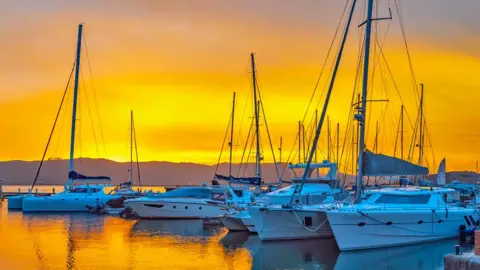
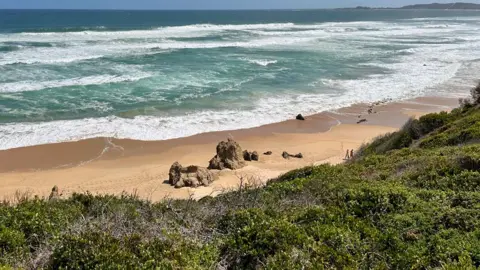
Emergency Declaration Highlights Imminent Water Shortage On 4 February 2026 the municipality announced a state of disaster for Knysna’s 100,000 residents, warning that municipal taps could run dry and that the town faces a “day zero” scenario similar to Cape Town’s 2018 crisis. Measurements show the Akkerkloof dam holds only about twenty days of water, underscoring the severity of the regional drought. The declaration triggers emergency protocols and mobilises national assistance. [1]
Aging Infrastructure Causes Massive Water Loss Municipal engineers estimate that roughly 55 % of the town’s potable water is lost through deteriorating and leaking pipes, a problem compounded by years of under‑maintenance. The high leakage rate dramatically reduces the already scarce supply, intensifying the risk of reaching day zero. Officials cite the need for urgent pipe repairs as a priority. [1]
National Government Allocates $1.25 Million for Immediate Repairs Pretoria approved an emergency cash injection of $1.25 million to fund short‑term and long‑term water projects. The money will finance repairs to seven boreholes, the construction of a desalination plant, installation of water meters, an additional borehole, and future initiatives such as a new dam and recycling schemes. This funding aims to stabilize supply while longer‑term infrastructure is built. [1]
Rationing Rules Cut Consumption to 50 Litres Per Person Daily Since January, the town has reduced water pressure and banned garden watering, pool filling, and boat washing, imposing a strict 50‑litre per capita daily limit—far below the UK average of 142 L. The rationing is enforced to stretch the dwindling reserves and delay the onset of day zero. Residents face penalties for non‑compliance. [1]
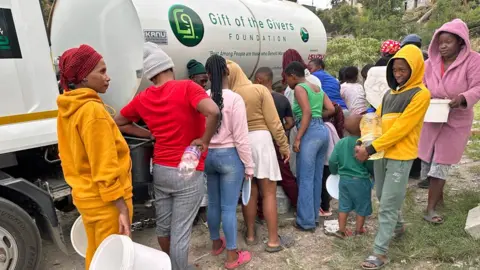
Private Investment and NGO Aid Fill Critical Gaps Local entrepreneur Franco de Grandis invested 250,000 rand in water tanks and pumps after a ten‑day outage, while the charity Gift of the Givers supplies thousands of litres daily from private boreholes to vulnerable households. These community‑driven efforts supplement municipal resources and provide immediate relief. [1]
Timeline
2018 – Cape Town experiences a “Day Zero” water emergency, a precedent that Knysna officials later cite when warning of an imminent crisis. [1]
2025 (throughout the year) – Dar es Salaam endures a prolonged drought that lowers Ruvu River flows, leaving the city’s 70 % water supply vulnerable and causing intermittent taps across new suburbs. [2]
Dec 2025 – City authorities impose week‑long water rationing, delivering water to households only once a week while water prices surge to about $10 per 1,000 L, up from $4, straining low‑income families. [2]
Dec 2025 – Water Minister Juma Aweso declares, “the city’s dependence on rainfall‑fed rivers leaves it exposed,” and announces long‑term fixes including a new multi‑source dam and additional boreholes. [2]
Dec 2025 – The Dar es Salaam Water and Sanitation Authority (Dawasa) apologises for the disruptions and urges residents to conserve water amid criticism over unclear rationing schedules. [2]
Jan 2026 – Knysna enforces a 50‑L per person daily water ration, cuts pressure, and bans garden watering, pool filling, and boat washing to avert “Day Zero.” [1]
Jan 2026 – Municipal engineers report that leaking pipes waste roughly 55 % of the town’s drinkable water, a loss compounded by years of under‑maintenance. [1]
Jan 2026 – Measurements show Akkerkloof dam holds only about twenty days of water, underscoring the severity of the regional drought. [1]
Feb 4 2026 – The national government declares a state of disaster in Knysna and provides $1.25 million in emergency cash; Mayor Thando Matika says the funds will repair seven boreholes, build a desalination plant, add another borehole, install water meters, and finance longer‑term projects such as a new dam and recycling schemes. [1]
Feb 2026 (planned) – Knysna schedules construction of a new dam and expansion of water‑recycling schemes to secure a sustainable supply beyond the current crisis. [1]
2026‑2027 (ongoing) – NGOs like Gift of the Givers and private investors continue to deliver thousands of litres of water daily to vulnerable households, supplementing municipal supply while infrastructure upgrades proceed. [1]
All related articles (2 articles)
External resources (4 links)
- http://bbcafrica.com/ (cited 2 times)
- https://twitter.com/BBCAfrica (cited 2 times)
- https://www.facebook.com/BBCnewsafrica/ (cited 2 times)
- https://www.instagram.com/bbcafrica/ (cited 2 times)