Trump Administration Consolidates Venezuelan Gains as Cuban Troops Withdraw and Iran Tensions Escalate
Updated (5 articles)
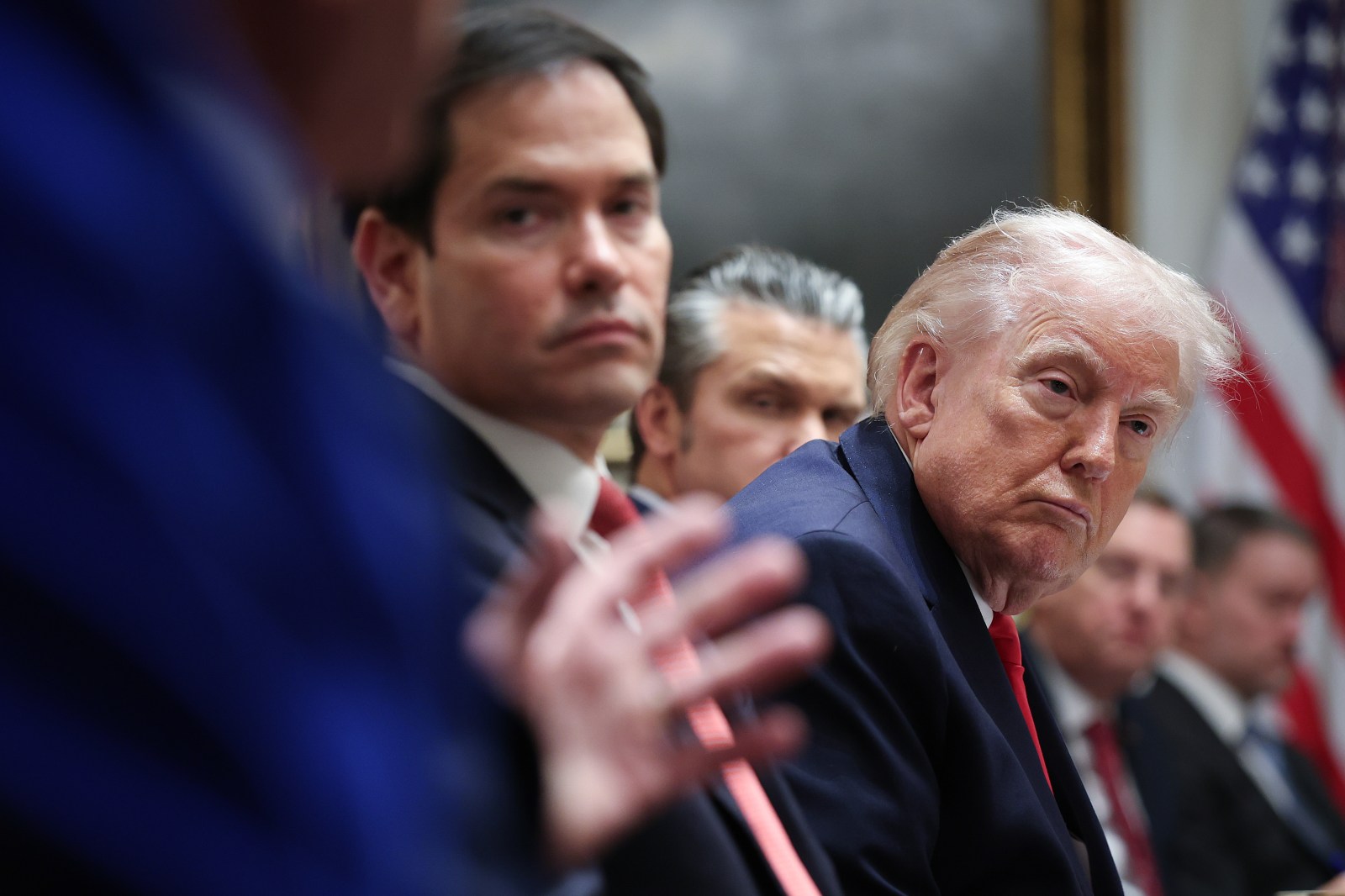
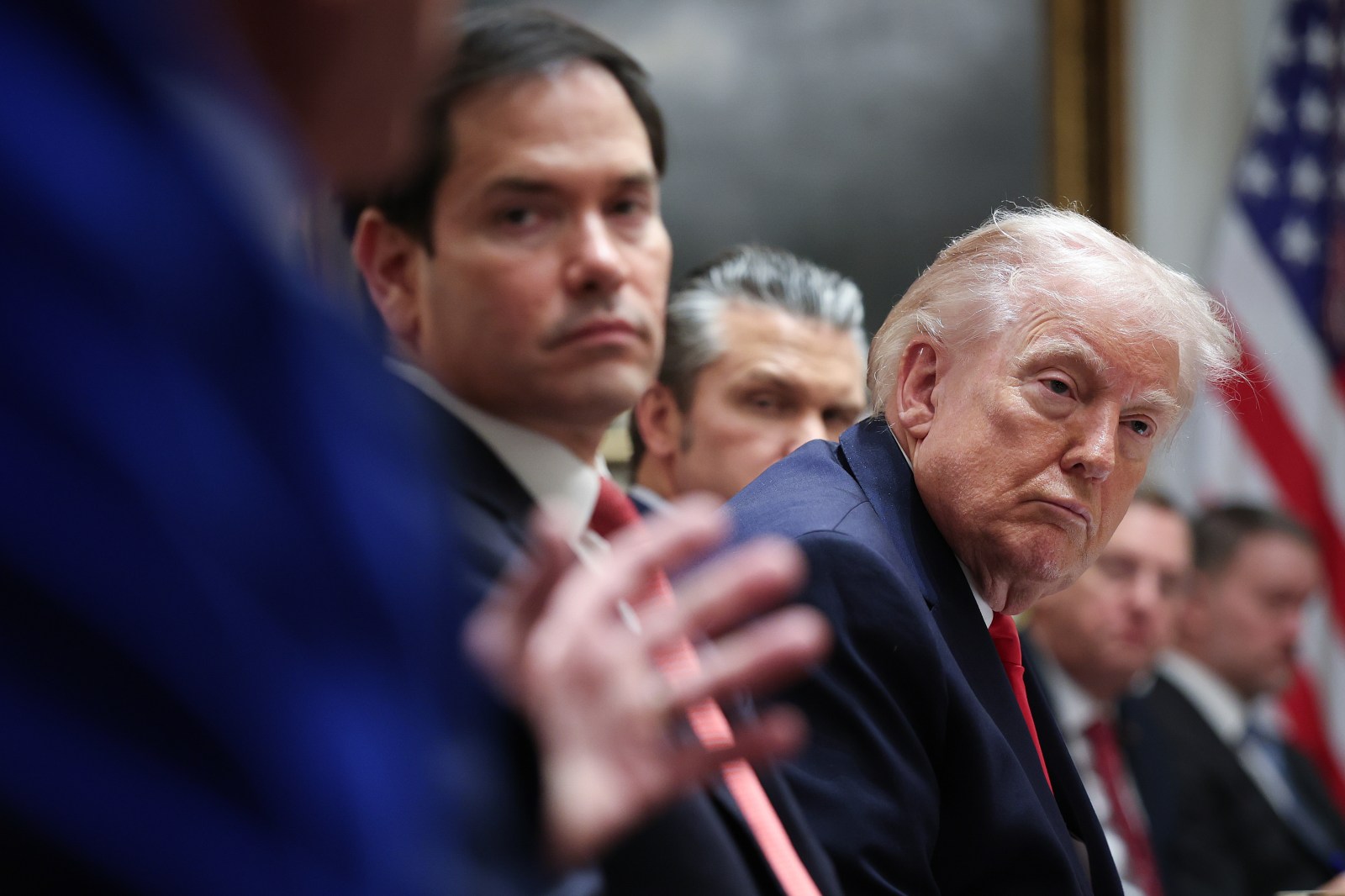
Cuban elite forces begin withdrawal after U.S. Maduro removal Elite Cuban security units started pulling out of Venezuela following the U.S. operation that ousted former President Nicolás Maduro earlier this month, signaling a strategic win for the Trump administration and reducing Tehran‑aligned militia presence in the region [1]. The withdrawal was reported by Reuters on Saturday and aligns with Washington’s broader objective to dismantle foreign-backed security structures in Caracas [1]. Cuban forces had been instrumental in supporting Maduro’s regime, and their exit marks a tangible shift in the post‑Maduro power balance [1].
U.S. deploys larger force in Middle East than Caribbean The United States has assembled a more extensive and complex military presence in the Middle East than ever deployed in the Caribbean Sea, reflecting heightened readiness for potential action against Iran [1]. This buildup includes advanced air, naval, and ground assets positioned to respond swiftly to any escalation [1]. The contrast underscores Washington’s prioritization of the Iranian threat over Caribbean security concerns after the Venezuelan operation [1].
Trump sets 10‑15‑day deadline for Iran nuclear draft President Donald Trump announced a 10‑ to 15‑day window for Iran to present a draft nuclear agreement, warning that “bad things will happen” if diplomacy fails [1]. He indicated that a limited strike remains on the table should Tehran not comply within the timeframe [1]. The deadline aims to pressure Iran into negotiations while preserving the option of calibrated military action [1].
Rubio announces transition priorities, targets Iran‑Hezbollah influence Secretary of State Marco Rubio hailed the initial steps of Venezuela’s transition, emphasizing U.S. national interest and Venezuelan welfare as top priorities [1]. He pledged to end drug trafficking and eradicate the presence of Iran and Hezbollah in the country, linking the transition to broader regional security objectives [1]. Rubio’s statements frame the post‑Maduro era as an opportunity to dismantle hostile foreign networks operating in Venezuela [1].
European nations issue Iran travel alerts amid strike risk Germany, Sweden, and Poland have issued travel warnings urging citizens to leave Iran, with Polish Prime Minister Donald Tusk specifically advising immediate departure and warning that evacuation could become impossible within days [1]. The alerts reflect growing concern over a potential U.S. strike on Iranian targets and the associated regional instability [1]. European governments are coordinating diplomatic efforts to protect their nationals while monitoring the evolving security environment [1].
Analysts warn Iran’s military capacity limits rapid regime change Former national security adviser Susan Rice cautioned that Iran’s significant military capabilities make a swift regime change unlikely [1]. SWP Berlin analyst Hamidreza Azizi added that Iran operates as if war could start at any moment, underscoring the difficulty of a rapid U.S. operation against Tehran [1]. These expert assessments highlight the challenges Washington faces in translating diplomatic pressure into decisive action [1].
Timeline
2020 – The United States files narco‑terrorism charges against former Venezuelan President Nicolás Maduro and his wife, laying legal groundwork for a future U.S. raid [4]
2025 – President Trump issues an executive order directing the Interior Department to eliminate historic content that “inappropriately disparages” American history, prompting the National Park Service to remove the slavery exhibit at the President’s House Site [1]
Jan 3, 2026 – Elite Delta Force operatives conduct a raid in Caracas, capture Maduro and his wife, and transport them to New York to face the 2020 narco‑terrorism charges, marking a decisive U.S. action in the Western Hemisphere [4]
Jan 5, 2026 – A Hezbollah spokesperson publicly denies any presence of the group in Venezuela or elsewhere in the Western Hemisphere, countering Secretary of State Rubio’s warning that Washington will not tolerate Hezbollah influence [4]
Jan 2026 (early) – France’s foreign minister announces support for adding Iran’s Islamic Revolutionary Guard Corps to the EU terrorist list, with EU foreign ministers set to meet in Brussels to approve new sanctions [3]
Jan 2026 (mid) – A Satena Airlines flight disappears near the Venezuela‑Colombia border, prompting a large‑scale search by Colombian authorities; the incident occurs amid heightened regional instability [3]
Jan 28, 2026 – President Trump posts on Truth Social that a “massive Armada” led by the USS Abraham Lincoln moves toward Iran and threatens “far worse” strikes if Tehran does not negotiate a nuclear deal, aiming to pressure Tehran into a “fair and equitable” agreement [3][1]
Jan 28, 2026 – Secretary of State Marco Rubio tells the Senate Foreign Relations Committee that the United States “is prepared to use force to ensure maximum cooperation” in Venezuela if interim authorities stray from U.S. expectations, and he schedules a meeting with opposition leader María Corina Machado [3]
Jan 28, 2026 – Rubio defends the Jan 3 raid as a “national‑security win,” says it removes a major threat, and pledges U.S. cooperation with interim Venezuelan authorities to stabilize the country [5]
Jan 28, 2026 – Rubio states the United States will not conduct further military actions in Venezuela without an “imminent threat,” emphasizing a limited scope for future interventions [5]
Jan 28, 2026 – Rubio claims tensions over Greenland within NATO are easing, notes ongoing talks, and argues NATO “needs to be reimagined,” downplaying criticism of President Trump’s Greenland demands [5]
Jan 28, 2026 – Rubio remarks that China’s goal to reunify Taiwan remains a “legacy project” and that, while Trump threatens Iran, there is no current U.S. plan for military action; recent carrier deployments serve only as deterrence [5]
Jan 28, 2026 – Rubio announces the State Department will send additional diplomatic and support personnel to Caracas and is considering reopening the embassy, contingent on revoking U.S. recognition of the 2015 Venezuelan parliament [5]
Jan 29, 2026 – U.S. Central Command launches multi‑day aerial drills across the CENTCOM area, showcasing a “show of strength” to deter a potential Iranian threat following Trump’s recent warnings [3]
Jan 29, 2026 – Rubio reports that technical‑level talks with Greenland and Denmark are “in a good place,” describing the process as professional, straightforward, and free of media spectacle [1]
Jan 29, 2026 – Rubio announces the United States will open a diplomatic presence in Venezuela “very quickly,” appointing career diplomat Laura Dogu to lead a Venezuela Affairs Unit that will initially operate from Bogotá before moving to Caracas, with about 70 locally employed staff already in place [1]
Jan 29, 2026 – Rubio unveils a short‑term financing mechanism that channels proceeds from sanctioned Venezuelan oil sold at market rates to fund policing, sanitation, and health services, requiring monthly budget submissions reviewed by the United States [1]
Jan 29, 2026 – Governor Josh Shapiro files a brief supporting Philadelphia’s lawsuit over the National Park Service’s removal of the slavery exhibit, calling the action “whitewashing” and an abuse of power stemming from the 2025 executive order [1]
Feb 22, 2026 – Elite Cuban security units begin withdrawing from Venezuela following the U.S. operation that removed Maduro, signaling a strategic win for the Trump administration [2]
Feb 22, 2026 – The United States assembles a larger and more complex force in the Middle East than ever deployed in the Caribbean, reflecting heightened readiness for potential action against Iran [2]
Feb 22, 2026 – President Trump announces a 10‑15‑day deadline for Iran to present a draft nuclear agreement, warning that “bad things will happen” and that a limited strike remains under consideration if diplomacy fails [2]
Feb 22, 2026 – Rubio hails the first steps of the Venezuelan transition after Maduro’s ouster, pledging to end drug trafficking and eradicate Iran and Hezbollah presence in the country [2]
Feb 22, 2026 – Germany, Sweden, and Poland issue travel alerts urging citizens to leave Iran amid the risk of a U.S. strike, with Polish Prime Minister Donald Tusk warning that evacuation could become impossible within days [2]
Feb 22, 2026 – Former national security adviser Susan Rice warns that Iran’s “significant military capacity” makes a rapid regime change unlikely, while SWP Berlin analyst Hamidreza Azizi notes the regime operates as if war could start at any moment [2]
All related articles (5 articles)
-
Newsweek: Trump Administration Gains Momentum in Venezuela as Iran Tensions Rise
-
CNN: Trump Administration Pushes on Iran, Venezuela, Greenland and Historical Narrative
-
Newsweek: Trump Threatens Iran, Rubio Warns of Force in Venezuela Amid Rising Tensions
-
AP: Rubio Defends Venezuela Raid, Addresses Greenland, NATO, and Iran
-
Newsweek: Hezbollah denies Venezuela presence after Rubio warning as Maduro is captured
External resources (10 links)
- https://www.nps.gov/inde/learn/historyculture/places-presidentshousesite.htm (cited 2 times)
- https://www.whitehouse.gov/presidential-actions/2025/03/restoring-truth-and-sanity-to-american-history/ (cited 2 times)
- https://x.com/atrupar (cited 3 times)
- https://susanrice484054.substack.com/p/live-with-ambassador-susan-rice (cited 1 times)
- https://x.com/JuanPGuanipa/status/2025303668489138677 (cited 1 times)
- https://x.com/RapidResponse47/status/2007822656159068382 (cited 1 times)
- https://www.globalr2p.org/publications/statement-on-the-recent-developments-in-venezuela/ (cited 3 times)
- https://www.ohchr.org/en/press-releases/2025/03/venezuela-harsh-repression-and-crimes-against-humanity-ongoing-fact-finding (cited 3 times)
- https://www.yahoo.com/news/articles/poland-urges-citizens-leave-iran-121335130.html (cited 1 times)