Trump Warns Khamenei as US‑Iran Nuclear Talks Scheduled for Friday in Oman
Updated (2 articles)
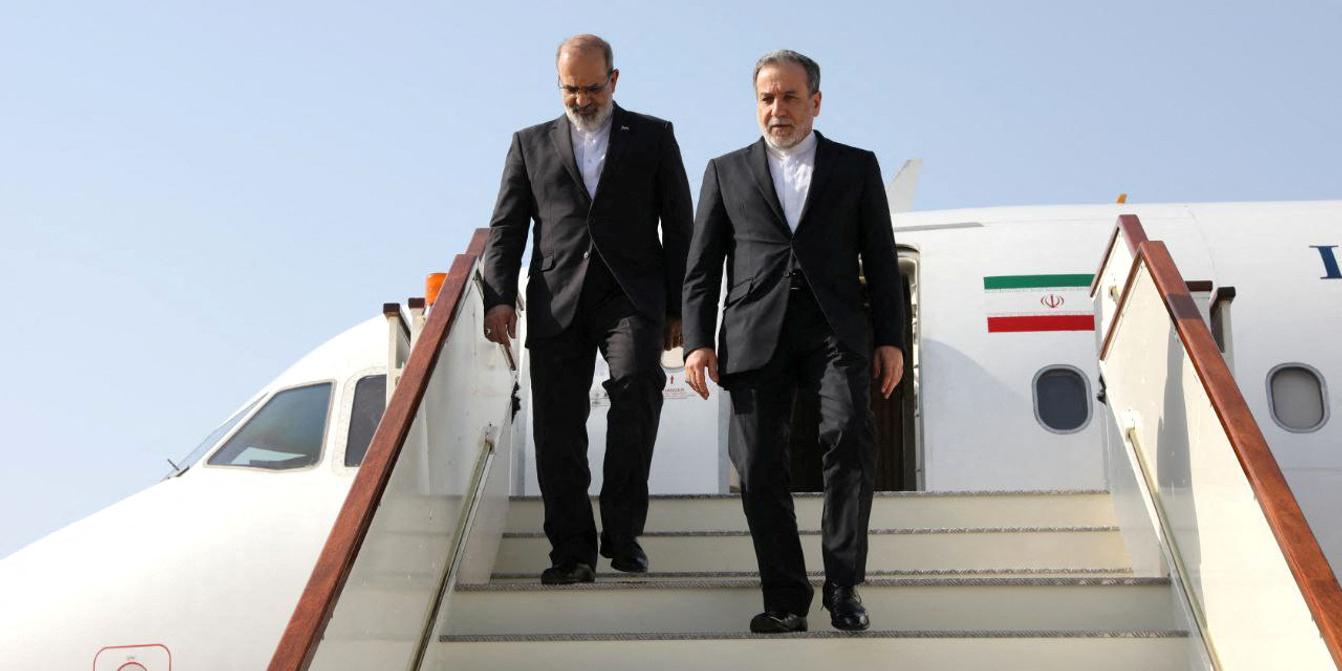
Friday Muscat Meeting Confirmed by Iranian Foreign Minister Abbas Araghchi announced that U.S. and Iranian delegations will meet Friday at 10 a.m. in Muscat, with Oman acting as host after earlier doubts about the summit’s occurrence [1][2]. The announcement follows Tehran’s recent crackdown on nationwide protests and aims to reduce post‑crackdown tensions [2]. Both outlets note that the talks are the first direct nuclear‑focused engagement since the June 2025 collapse of earlier Oman negotiations [2].
Trump Delivers Direct Warning to Supreme Leader Khamenei In an NBC interview aired Feb 4, President Donald Trump told Ayatollah Ali Khamenei that Tehran should be “very worried” and that the United States is prepared to respond with “very hard” retaliation if Iran proceeds with a new nuclear site [1][2]. The warning underscores heightened U.S. pressure ahead of the Friday talks. Trump’s remarks were broadcast the day before the scheduled summit, adding a personal diplomatic dimension to the negotiations [1].
Venue Shift to Oman Resulted from Arab Diplomatic Pressure A White House source reported that the administration moved the meeting from Turkey to Oman after appeals from Arab leaders urging engagement with Tehran [1]. The Associated Press confirmed the Oman venue but emphasized that the decision was not publicly announced and that officials remain skeptical about achieving a breakthrough [2]. The shift reflects broader regional interest in preventing further escalation.
U.S. Insists on Including Missiles, Human Rights, and Regional Issues Secretary of State Marco Rubio told reporters that any agreement must address Iran’s ballistic‑missile program, its support for militant groups, and the treatment of its own population, indicating the United States will not limit talks to the nuclear question [1][2]. Iran, however, has signaled a preference for a “different” format focused solely on its nuclear program, excluding missiles or human‑rights topics [2]. This divergence sets the stage for potential bargaining deadlocks.
U.S. Military Posture Remains Aggressive Amid Ongoing Tensions The White House disclosed that a substantial air‑and‑naval strike force is positioned near Iran and stands ready to act if Tehran rejects U.S. demands, citing a recent Iranian drone that approached a U.S. carrier in the Arabian Sea [1]. The AP article did not mention this military buildup, highlighting a discrepancy in coverage of U.S. readiness. The aggressive posture coexists with diplomatic overtures, reflecting a dual‑track strategy.
Sources
-
1.
Le Monde: Trump warns Iran’s Supreme Leader as US‑Iran talks loom in Oman – Details Trump’s warning, Iran’s confirmation of Friday talks, venue shift to Oman, Rubio’s broader agenda, and the U.S. military strike force, emphasizing the mix of diplomatic and coercive tactics .
-
2.
AP: Iran‑U.S. Nuclear Talks Set for Friday in Oman Amid Heightened Tensions – Highlights the scheduled Muscat meeting, Trump’s warning, Iran’s desire for a nuclear‑only format, the collapse of previous Oman talks, mixed regional reactions, and skepticism about a breakthrough .
Timeline
June 2025 – Oman talks collapse after Israel’s 12‑day war with Iran and subsequent U.S. airstrikes on Tehran’s nuclear facilities, ending the previous round of negotiations and raising regional stakes [1].
Jan 2026 – Iran violently suppresses nationwide protests, prompting international condemnation and deepening mistrust between Washington and Tehran as both sides trade threats and diplomatic overtures [2].
Feb 4, 2026 – President Donald Trump tells NBC that Ayatollah Ali Khamenei should be “very worried” and warns of “very hard” retaliation if Iran proceeds with a new nuclear site, underscoring heightened U.S. pressure ahead of talks [2][1].
Feb 4, 2026 – Iranian Foreign Minister Abbas Araghchi announces that U.S.–Iran nuclear negotiations will convene on Friday at 10 a.m. in Muscat, thanking Oman for facilitating the meeting after earlier uncertainty [1][2].
Feb 4, 2026 – The White House moves the venue from Turkey to Oman after appeals from Arab leaders, signaling Arab pressure to keep diplomatic channels open despite U.S. skepticism [2].
Feb 4, 2026 – Secretary of State Marco Rubio states that any meaningful agreement must also cover Iran’s ballistic‑missile program, support for regional militant groups, and human‑rights concerns, rejecting a narrow nuclear‑only format [2][1].
Feb 4, 2026 – The White House confirms a substantial U.S. air‑and‑naval strike force positioned near Iran and notes a recent Iranian drone approached a U.S. carrier in the Arabian Sea, indicating a continued aggressive military posture [2].
Feb 4, 2026 – Reformist President Masoud Pezeshkian urges “fair and equitable” talks, Vice President JD Vance highlights Khamenei’s refusal to speak directly with Trump, and Turkish President Recep Tayyip Erdogan calls for a diplomatic resolution and opposes foreign intervention, reflecting mixed regional support [1].
Feb 6, 2026 – U.S. and Iranian delegations meet in Muscat as scheduled, focusing primarily on the nuclear issue while other parties press for inclusion of missile, human‑rights, and regional‑security topics, setting the stage for potential breakthroughs or further stalemate [1][2].