South Korea Presses North Korea to Honor UN Resolutions as U.S. Ramps Iran Pressure
Updated (16 articles)
-
 Image: YonhapThis photo, provided by the foreign ministry on Feb. 23, 2026, shows Jeong Yeon-doo, vice minister for diplomatic strategy and intelligence, delivering a speech at the high-level segment of the Conference on Disarmament held on the same day in Geneva, Switzerland. (PHOTO NOT FOR SALE) (Yonhap) Source Full size
 -
Image: YonhapThis photo, provided by the foreign ministry on Feb. 23, 2026, shows Jeong Yeon-doo, vice minister for diplomatic strategy and intelligence, delivering a speech at the high-level segment of the Conference on Disarmament held on the same day in Geneva, Switzerland. (PHOTO NOT FOR SALE) (Yonhap) Source Full size

South Korean Envoy Calls for Immediate UN Compliance Jeong Yeon‑doo, South Korea’s vice minister for diplomatic strategy and intelligence, urged the DPRK to obey the Nuclear Non‑Proliferation Treaty and all relevant UN Security Council resolutions during the high‑level segment of the Conference on Disarmament in Geneva on Feb. 23, 2026 [1]. He warned that continued illegal military cooperation with Russia “must cease immediately” because it threatens international peace [1]. Jeong framed the appeal as part of Seoul’s broader effort to restart constructive dialogue with Pyongyang [1].
North Korea’s Military Cooperation With Russia Remains Unabated The DPRK continues to send approximately 10,000 Korean People’s Army personnel to fight in Ukraine and has upheld a mutual‑defense pact signed in June 2024, deepening its military ties with Moscow [2]. South Korean officials described this cooperation as illegal and demanded its immediate termination [1]. Both sources note that the partnership bolsters North Korea’s strategic leverage despite global sanctions [2][1].
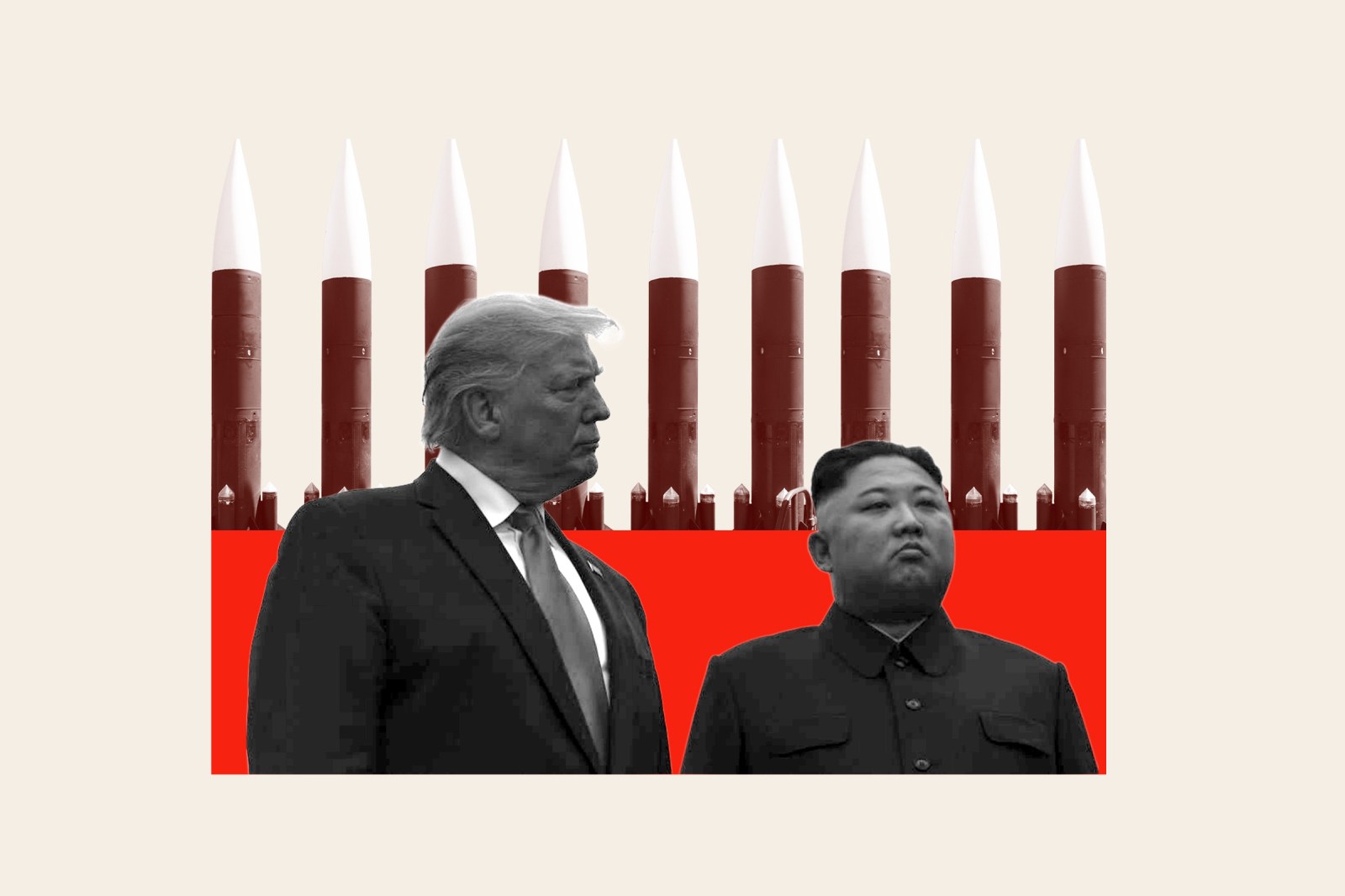
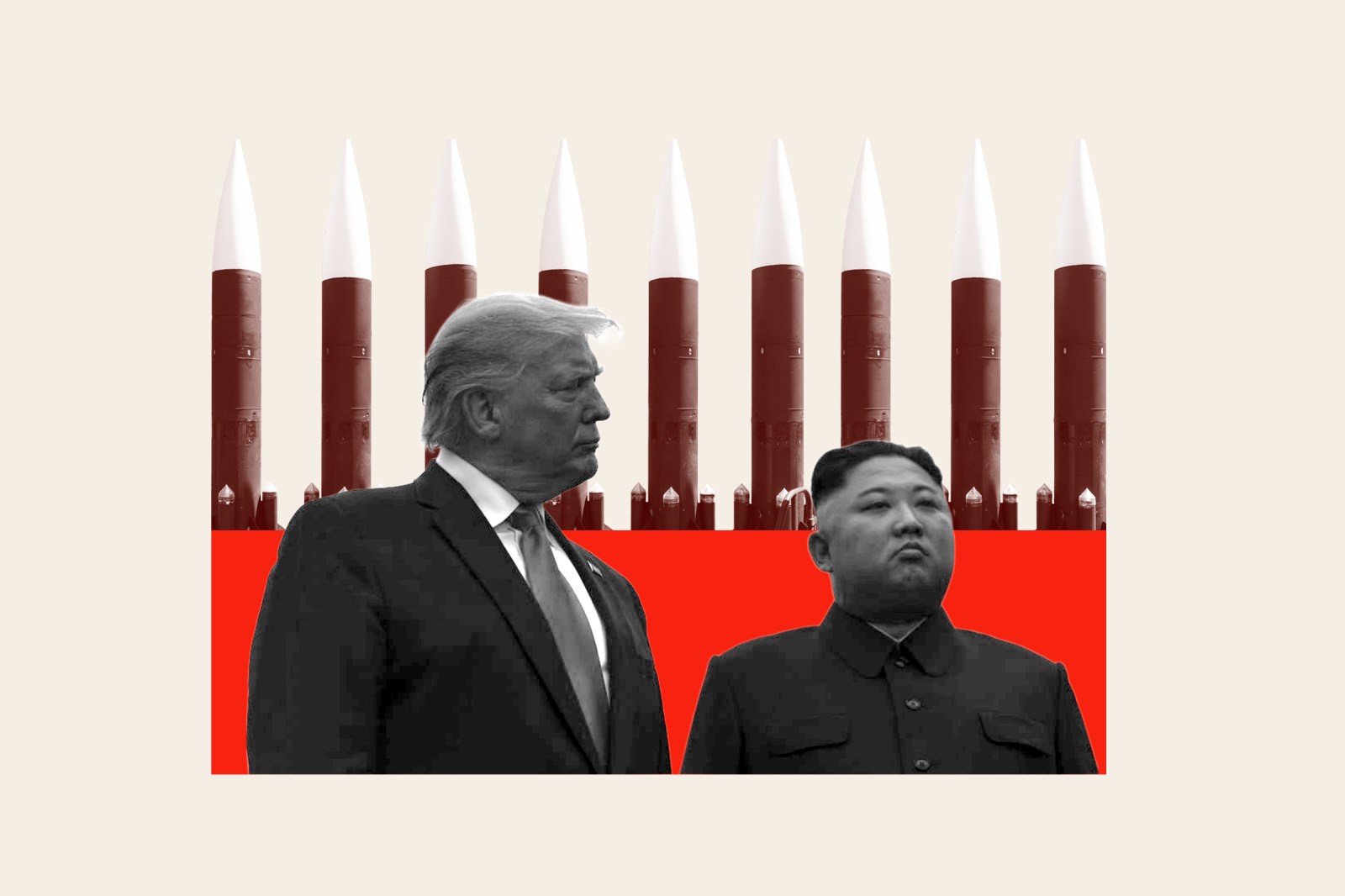
U.S. Denuclearization Policy Persists Despite Trump’s Iran Escalation The State Department reiterated its commitment to complete denuclearization of the Korean Peninsula while President Donald Trump intensified military pressure on Iran in late February 2026 [2]. Trump’s actions, including threats of force, occurred as North Korean leader Kim Jong Un observed the situation under the protection of his nuclear arsenal [2]. Analysts suggest that a direct U.S.–North Korea dialogue could mitigate escalation, but current U.S. policy favors pressure over diplomatic outreach [2].
Sanctions and Cyber Revenue Limit Impact on North Korean Program Former State Department official Joel Wit reported that sanctions have had limited effect on North Korea, which generates substantial revenue through an extensive overseas smuggling network and increasingly lucrative cybercrime operations [2]. This financial resilience supports the regime’s ability to maintain and expand its nuclear deterrent [2]. The same resilience undermines international efforts to compel compliance with UN resolutions [2].
Seoul Outlines Phased Denuclearization Strategy While Dialogue Stalls South Korea presented a phased plan that first seeks to halt nuclear and ballistic missile programs through dialogue, then pursue medium‑term reductions, and ultimately dismantle the arsenal [1]. President Lee Jae Myung’s offers for inter‑Korean talks have been ignored, and Kim Jong Un continues to describe relations as between “two states hostile to each other” [1]. The strategy reflects Seoul’s intent to combine diplomatic pressure with a clear roadmap for eventual denuclearization [1].
Sources
-
1.
Yonhap: South Korea Urges North Korea to Honor UN Resolutions and Resume Talks: reports Jeong Yeon‑doo’s Geneva appeal for DPRK compliance with the NPT and UNSC resolutions, condemns illegal Russia cooperation, and details Seoul’s phased denuclearization plan amid Kim Jong Un’s rejection .
-
2.
Newsweek: Trump’s Iran Pressure Meets North Korea’s Nuclear Shield: describes Trump’s heightened Iran pressure, North Korea’s nuclear deterrent and deepening Russia ties, notes sanctions’ limited impact, and highlights U.S. continued denuclearization stance despite limited diplomatic outreach .
Timeline
2004 – North Korea conducts its first nuclear test, marking the start of a two‑decade‑long weapons development that later yields intercontinental‑range missiles capable of reaching the United States[1].
June 2024 – Pyongyang and Moscow sign a mutual‑defense pact, the first formal agreement since the 1961 China treaty, and deploy an estimated 10,000 Korean People’s Army troops to fight in Ukraine[1].
Dec 3, 2025 – South Korean Foreign Minister Cho Hyun delivers video remarks at a Washington forum, urging diplomatic engagement with the North while stressing that deterrence must be paired with de‑escalation and a trilateral U.S.–Japan–Korea framework[16].
Nov 27, 2025 – China’s new arms‑control white paper removes any reference to a denuclearized Korean Peninsula, signaling a shift away from Beijing’s historic pressure on Pyongyang[12].
Dec 5, 2025 – The U.S. National Security Strategy is released without any mention of North Korea or denuclearization, prompting analysts to question a possible de‑prioritization of the issue[15].
Dec 7, 2025 – Seoul announces it will not use joint military drills as leverage in inter‑Korean talks, signaling a more cautious diplomatic posture[8].
Dec 8, 2025 – North Korea reports the final stage of a 50,000‑unit housing project in Pyongyang, showcasing domestic development amid external pressure[8].
Dec 8, 2025 – Acting U.S. Ambassador Kevin Kim reaffirms the “complete denuclearization” commitment with South Korea despite the NSS omission, citing a joint fact sheet from recent summits[13][14].
Dec 9, 2025 – Former Seoul diplomat Cho Byung‑jae warns that dropping denuclearization language from any future talks could trigger a regional nuclear domino and undermine the NPT[11].
Dec 9, 2025 – Kim Jong‑un sends condolences to Russia over the death of its envoy to Pyongyang, reinforcing the North’s diplomatic ties with Moscow[8].
Dec 12, 2025 – Tickets for the Pyongyang International Marathon scheduled for April 5, 2026 sell out within hours, indicating strong domestic and limited international interest[9].
Dec 17, 2025 – The pro‑Pyongyang newspaper Choson Sinbo highlights the NSS omission of North Korea as the most notable aspect of the document, interpreting it as a sign of U.S. “Fortress America” policy[6][7].
Jan 4, 2026 – Kim Jong Un declares that expanding North Korea’s nuclear capabilities is essential to counter a “geopolitical crisis,” framing deterrence as the core of the regime’s security strategy[5].
Jan 24, 2026 – A U.S. defense assessment labels North Korea’s nuclear arsenal a “clear and present danger” to the American mainland, underscoring heightened concern over potential attacks[4].
Feb 6, 2026 – The U.S. State Department reaffirms its extended nuclear deterrence umbrella for South Korea; Deputy Spokesperson Mignon Houston praises President Trump as a “president of peace” and warns of North Korean missile threats while Trump threatens to raise South Korean tariffs to 25 % if trade talks stall[3].
Feb 20, 2026 – President Trump intensifies military pressure on Iran, prompting North Korean leader Kim Jong Un to watch the situation under the shield of his nuclear arsenal; senior fellow Ankit Panda argues that North Korea’s deterrent validates the regime, while former State Dept. official Joel Wit notes sanctions have limited impact on Pyongyang’s revenue streams[1].
Feb 23‑24, 2026 – South Korean nuclear envoy Jeong Yeon‑doo urges the DPRK at the Geneva Conference on Disarmament to comply with the NPT and UN Security Council resolutions and to cease illegal military cooperation with Russia, warning that such cooperation “seriously undermines international peace and security”[2].
Apr 5, 2026 (planned) – The Pyongyang International Marathon is set to take place, reflecting North Korea’s continued use of high‑profile events to project normalcy despite escalating regional tensions[9].
2027 (expected) – Analysts speculate that a possible Trump‑Kim summit could occur next year, though former diplomat Cho Byung‑jae warns the meeting may end empty‑handed and could affect Kim’s domestic standing[11].
Dive deeper (13 sub-stories)
-
Yonhap: South Korea Urges North Korea to Honor UN Resolutions and Resume Talks
-
Newsweek: Trump’s Iran Pressure Meets North Korea’s Nuclear Shield
-
Yonhap: U.S. State Department Reaffirms Nuclear Deterrence for South Korea Amid Trade Tensions
-
Yonhap: North Korea’s Nuclear Forces Deemed “Clear and Present” Threat to U.S. Homeland
-
Yonhap: Kim says need to advance North Korea's nuclear capabilities amid geopolitical crisis
-
Pro‑Pyongyang Newspaper Flags North Korea Omission in U.S. December 2025 National Security Strategy
(2 articles)
-
Yonhap: Key developments on North Korea this week
-
Yonhap: Summary of external news of North Korea this week
-
U.S. NSS and China White Paper Exclude North Korea Denuclearization, Seoul Rethinks Deterrence
(2 articles)
-
Yonhap: Ex-Seoul diplomat cautions against dropping denuclearization language in NK policy
-
U.S. Envoy Kevin Kim Reaffirms Complete Denuclearization as NSS Excludes North Korea
(2 articles)
-
Yonhap: North Korea denuclearization language vanishes from US, Chinese security documents
-
Yonhap: South Korean FM Cho Emphasizes Diplomacy with North Korea Amid Deterrence Efforts
All related articles (16 articles)
-
Yonhap: South Korea Urges North Korea to Honor UN Resolutions and Resume Talks
-
Newsweek: Trump’s Iran Pressure Meets North Korea’s Nuclear Shield
-
Yonhap: U.S. State Department Reaffirms Nuclear Deterrence for South Korea Amid Trade Tensions
-
Yonhap: North Korea’s Nuclear Forces Deemed “Clear and Present” Threat to U.S. Homeland
-
Yonhap: Kim says need to advance North Korea's nuclear capabilities amid geopolitical crisis
-
Yonhap: Pro-Pyongyang paper flags omission of North Korea in US security strategy
-
Yonhap: Pro-Pyongyang paper notes North Korea omission from US security strategy
-
Yonhap: Key developments on North Korea this week
-
Yonhap: Summary of external news of North Korea this week
-
Yonhap: North Korea denuclearization omitted from U.S. NSS prompts Seoul to recalibrate strategy
-
Yonhap: Nuclear void: US and China bypass denuclearization on Korea, Seoul urged to rethink deterrence
-
Yonhap: Ex-Seoul diplomat cautions against dropping denuclearization language in NK policy
-
Yonhap: U.S. envoy keeps denuclearization stance as NSS omits North Korea mention
-
Yonhap: U.S. envoy reaffirms “complete denuclearization” of North Korea amid its omission in new U.S. security strategy
-
Yonhap: North Korea denuclearization language vanishes from US, Chinese security documents
-
Yonhap: South Korean FM Cho Emphasizes Diplomacy with North Korea Amid Deterrence Efforts