Trump’s “If It Expires, It Expires” Stance Meets Kremlin Regret as New START Lapses on Feb 5, 2026
Updated (9 articles)
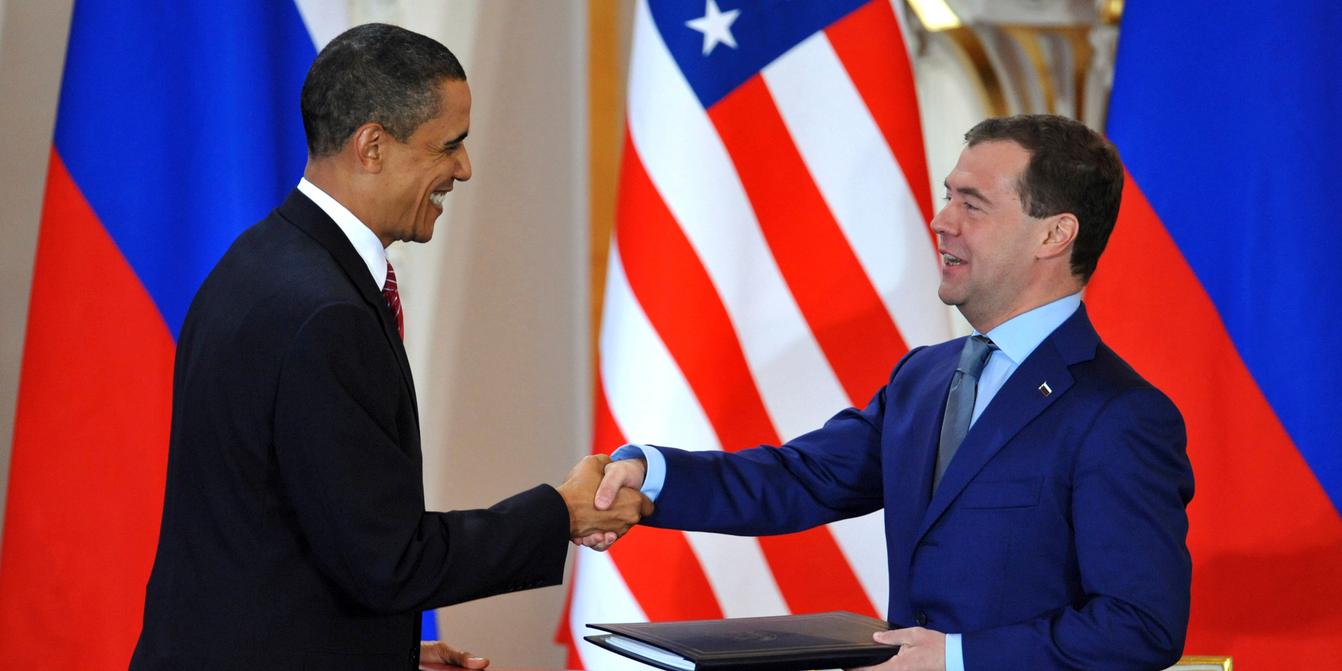
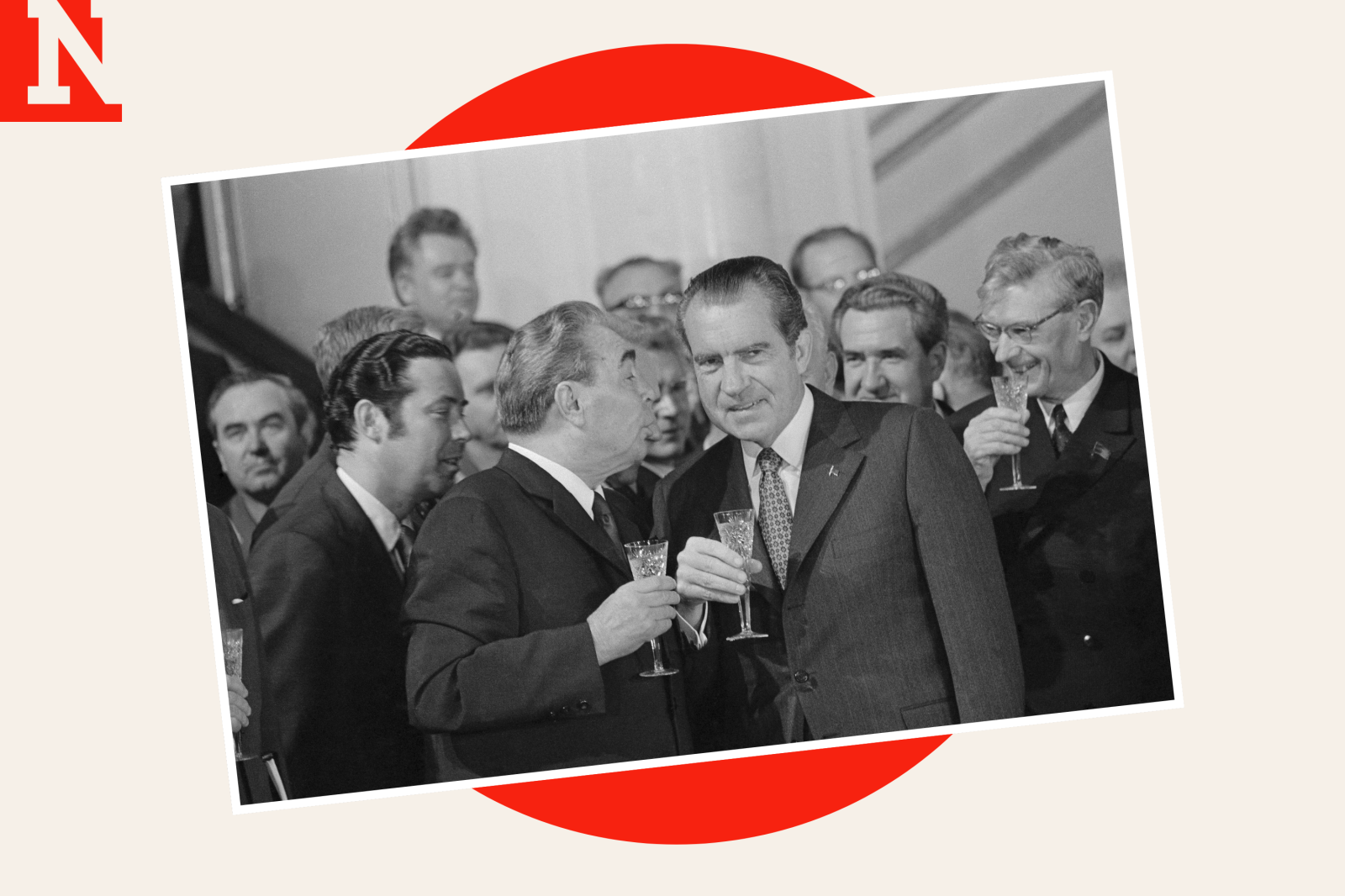
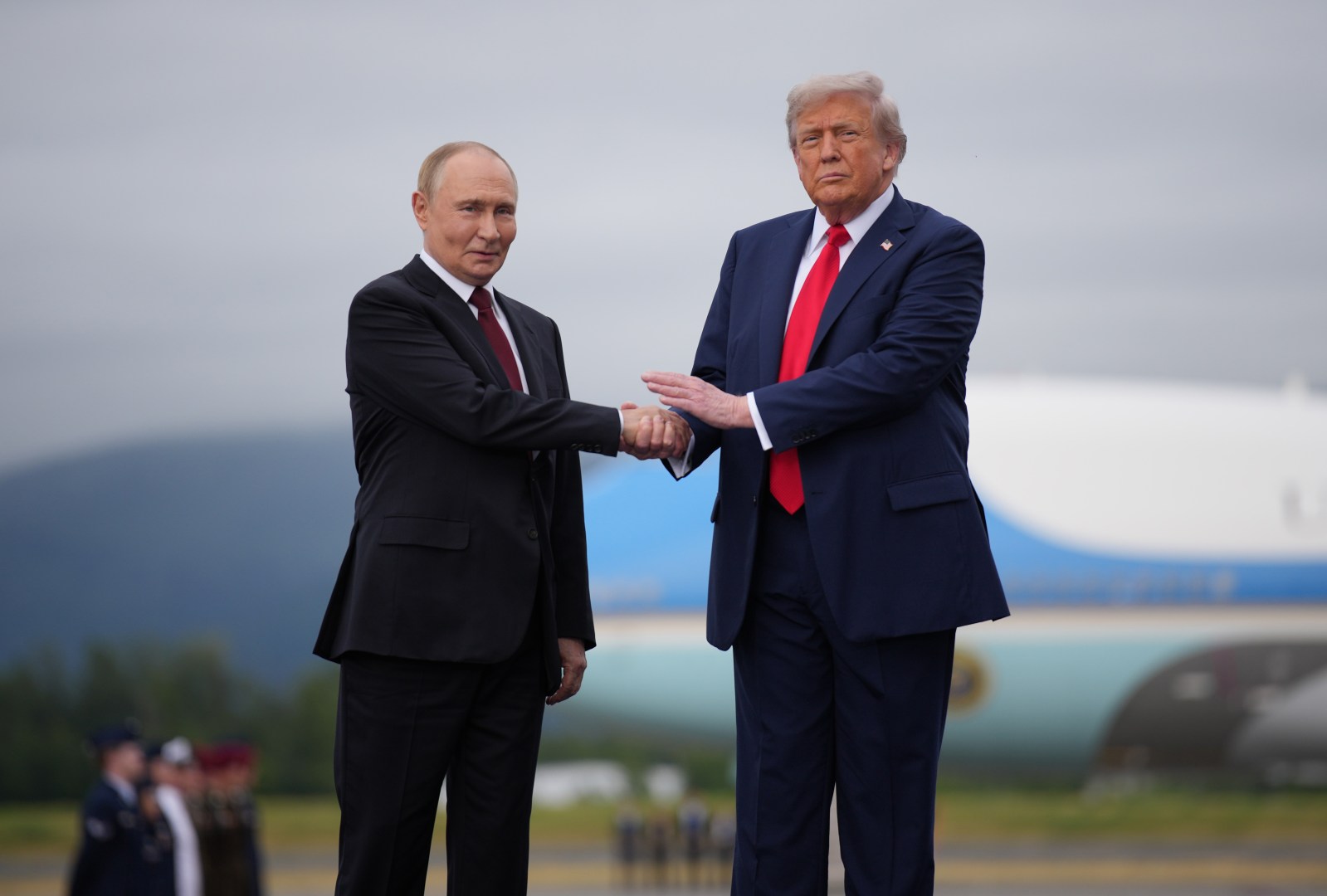
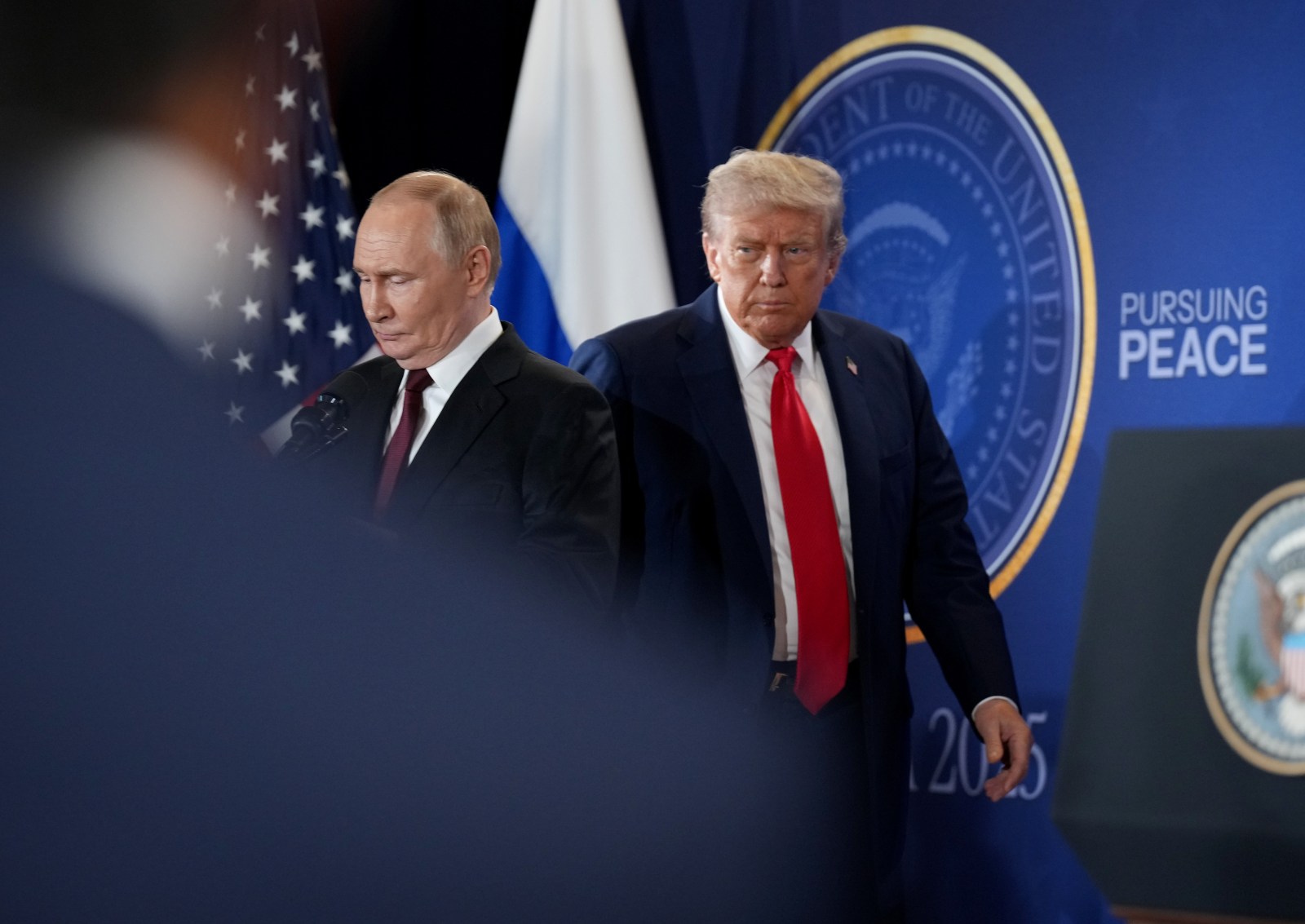
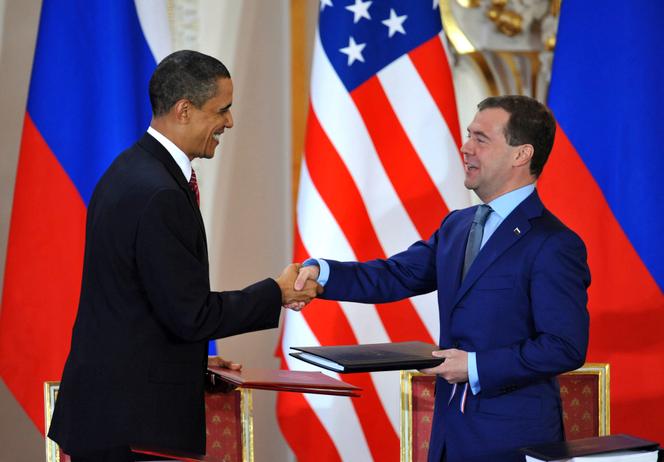
Treaty expiration eliminates the last US‑Russia nuclear cap The New START treaty formally ended on 5 February 2026, ending the legally binding limit of 1,550 deployed strategic warheads and 700 delivery systems for both nations [1][5][7]. The lapse removes the final bilateral inspection and notification regime that had provided the only transparency on the two largest arsenals since 2010 [2][4]. With no caps, verification now relies on unilateral satellite and intelligence methods, raising the risk of miscalculation [4].
Kremlin expresses regret while pledging a “balanced” response Moscow called the expiration “negative” and said it would act responsibly based on security analysis, inviting dialogue if the United States offers constructive responses [1][6]. President Vladimir Putin discussed the lapse with Chinese President Xi Jinping, emphasizing U.S. failure to extend the pact and stressing strategic cooperation with China [1][6]. Kremlin spokesman Dmitry Peskov warned that the absence of a fundamental document threatens global security, yet affirmed Russia’s commitment to a responsible nuclear stance [1][5].
President Trump dismisses the lapse and pushes a China‑inclusive deal Trump posted on Truth Social that “if it expires, it expires,” rejecting any extension and promising a “new, improved, and modernized treaty” that would include China [1][3][5]. The administration has not announced a concrete timeline, leaving the decision to Trump’s schedule while Secretary of State Marco Rubio says talks with Russia and China remain possible [6]. Trump’s rhetoric frames arms control as decorative rather than essential, contrasting with earlier bipartisan calls for renewal [2][3].
Russia warns decisive action and the Doomsday Clock jumps to 85 seconds The Russian Foreign Ministry announced readiness for “decisive steps” after the treaty’s end, citing U.S. silence on a proposed one‑year voluntary extension in September 2025 [6][1]. Former President Dmitry Medvedev said the lapse accelerates the Doomsday Clock, a view echoed by the Bulletin of the Atomic Scientists, which moved the clock to 85 seconds to midnight [2][3]. Analysts warn that the removal of caps could trigger a three‑way nuclear buildup involving China, heightening existential risk [6][7].
High‑level military‑to‑military talks resume amid AI‑driven weapons growth Senior officials from the United States and Russia met in Abu Dhabi and agreed to re‑establish a suspended military‑to‑military dialogue channel, the first such contact since 2021 [1]. Concurrently, NATO’s adoption of AI battle‑management systems and the Pentagon’s Replicator program blur the line between conventional and nuclear warfare, while Russia fields AI‑enabled drones and MIRV‑capable missiles in Ukraine [2][6]. The convergence of diplomatic re‑engagement and rapid AI weaponization underscores heightened strategic uncertainty in the post‑New START era.
Sources
-
1.
AP: Kremlin Regrets New START Expiration as Trump Pushes China‑Inclusive Deal: Reports Kremlin’s negative view of the lapse, Trump’s “if it expires” stance, Putin‑Xi call, and Abu Dhabi talks .
-
2.
Newsweek: Trump and Putin Push Past Nuclear Guardrails as AI War Rises: Highlights treaty expiry, Doomsday Clock shift, AI weapons acceleration, and both leaders’ “no‑regrets” posture .
-
3.
Newsweek: Trump’s Inaction Lets New START Expire, Leaving No Nuclear Caps: Details Trump’s dismissal, Putin’s informal extension offer, Rose Gottemoeller’s criticism, and public poll supporting renewal .
-
4.
The Hindu: New START’s expiry removes legal caps on US‑Russia nuclear arsenals: Explains treaty limits, suspension history, and expert calls for new multilateral transparency .
-
5.
CNN: New START Treaty Expires, Signaling Shift in Nuclear Power Balance: Covers expiration, Trump’s comment, Medvedev’s warning, and Peskov’s security concerns .
-
6.
Newsweek: Russia Issues Decisive‑Action Warning as New START Treaty Expires: Reports Russian “decisive action” warning, lack of U.S. response to extension proposal, and Putin‑Xi strategic call .
-
7.
Le Monde: New Start Treaty Ends, Raising Nuclear Proliferation Concerns: Describes expiration, Putin’s responsibility, Trump’s broader treaty exits, and proliferation risks .
Related Tickers
Timeline
2010 – The United States and Russia sign the New START treaty, capping each side at 1,550 deployed strategic warheads and 700 delivery systems, establishing the last bilateral nuclear‑arms‑control framework [9].
2021 – The treaty receives a one‑time five‑year extension, pushing its expiry to 5 February 2026, the first such extension since the original 1991 SALT agreements [8].
Feb 2023 – Russia suspends its participation in New START verification, accusing the United States of seeking a “strategic defeat” and halting data exchanges, eroding mutual trust [8].
Jan 2025 – Donald Trump assumes the U.S. presidency, inheriting the New START deadline and signaling a “Golden Dome” nuclear testing plan that complicates renewal talks [5].
Sep 22 2025 – President Vladimir Putin offers a voluntary one‑year extension of New START limits; the United States gives no official reply, prompting Kremlin criticism of “erroneous and regrettable” silence [4][6].
Sep 2025 – Putin makes an unofficial one‑year extension proposal, which Trump ignores, later quipping “If it expires, it expires…we’ll just do a better agreement” [3].
Jan 8‑9 2026 – A YouGov poll finds 91 % of Americans support negotiating a new agreement or maintaining current limits, and 85 % of Trump voters back Russia’s extension proposal [5].
Jan 15 2026 – The Kremlin states Trump remains silent on Putin’s extension offer, while White House officials signal no intention to extend the treaty, reinforcing the “if it expires, it expires” stance [6].
Jan 26 2026 – Dmitry Medvedev warns that the “nuclear club” will continue to expand as more states may seek nuclear weapons, and notes the treaty’s imminent lapse on 5 Feb 2026 [5].
Feb 4 2026 – Russia’s Foreign Ministry warns of “decisive action” once New START expires, saying the lapse lifts caps on the two largest arsenals for the first time in over 50 years [4].
Feb 5 2026 – New START formally expires, ending the last legally binding cap on U.S.‑Russia strategic nuclear weapons and halting the inspection regime that provided mutual visibility [1][8][9].
Feb 5 2026 – President Trump reiterates “If it expires, it expires,” downplaying security implications and hinting at a “better” future deal [1][2][3].
Feb 5 2026 – The Bulletin of the Atomic Scientists moves the Doomsday Clock to 85 seconds to midnight, citing leadership failures and the treaty’s lapse as heightening nuclear danger [2].
Feb 5 2026 – Dmitry Medvedev warns the expiry could accelerate the Doomsday Clock, urging global alarm over the loss of a verification framework [1][3].
Feb 5 2026 – Kremlin spokesman Dmitry Peskov says U.S. silence threatens global security, calling the lapse “negative” and pledging a “responsible, thorough approach to stability” [1][7].
Feb 5 2026 – Both U.S. and Russian officials adopt a “no‑regrets” posture, emphasizing freedom from constraints while continuing strategic competition [2].
Feb 5 2026 – NATO begins acquiring Palantir’s AI battle‑management system and the Pentagon advances the Replicator program, accelerating AI‑driven weapons that blur nuclear‑conventional lines [2].
Feb 5 2026 – President Trump posts that the U.S. should not extend New START but instead craft a “new, improved, and modernized Treaty” that includes China [7].
Feb 5 2026 – In a call with Chinese President Xi Jinping, Putin highlights the U.S. failure to extend the pact, while Russia pledges a “balanced and responsible” response to the lapse [7].
Feb 5 2026 – Senior U.S. and Russian officials meet in Abu Dhabi and agree to resume high‑level military‑to‑military dialogue, a channel suspended in 2021 [7].
Future (2026‑2027) – U.S. officials signal intent to involve China in a new arms‑control framework and revive the “Trump‑class” nuclear‑armed battleship concept, widening the strategic gap with Russia [1].
All related articles (9 articles)
-
AP: Kremlin Regrets New START Expiration as Trump Pushes China‑Inclusive Deal
-
Newsweek: Trump and Putin Push Past Nuclear Guardrails as AI War Rises
-
Newsweek: Trump’s Inaction Lets New START Expire, Leaving No Nuclear Caps
-
The Hindu: New START’s expiry removes legal caps on US‑Russia nuclear arsenals
-
CNN: New START Treaty Expires, Signaling Shift in Nuclear Power Balance
-
Newsweek: Russia Issues Decisive‑Action Warning as New START Treaty Expires
-
Le Monde: New Start Treaty Ends, Raising Nuclear Proliferation Concerns
-
Newsweek: Russia’s Medvedev Says Nuclear Club Set to Expand as New START Deadline Looms
-
Newsweek: Kremlin says Trump silent on Putin's offer to extend New START