NATO Chief Rutte Insists Europe Must Rely on U.S. Backing, Calls for 10% GDP Defense Spending
Updated (4 articles)
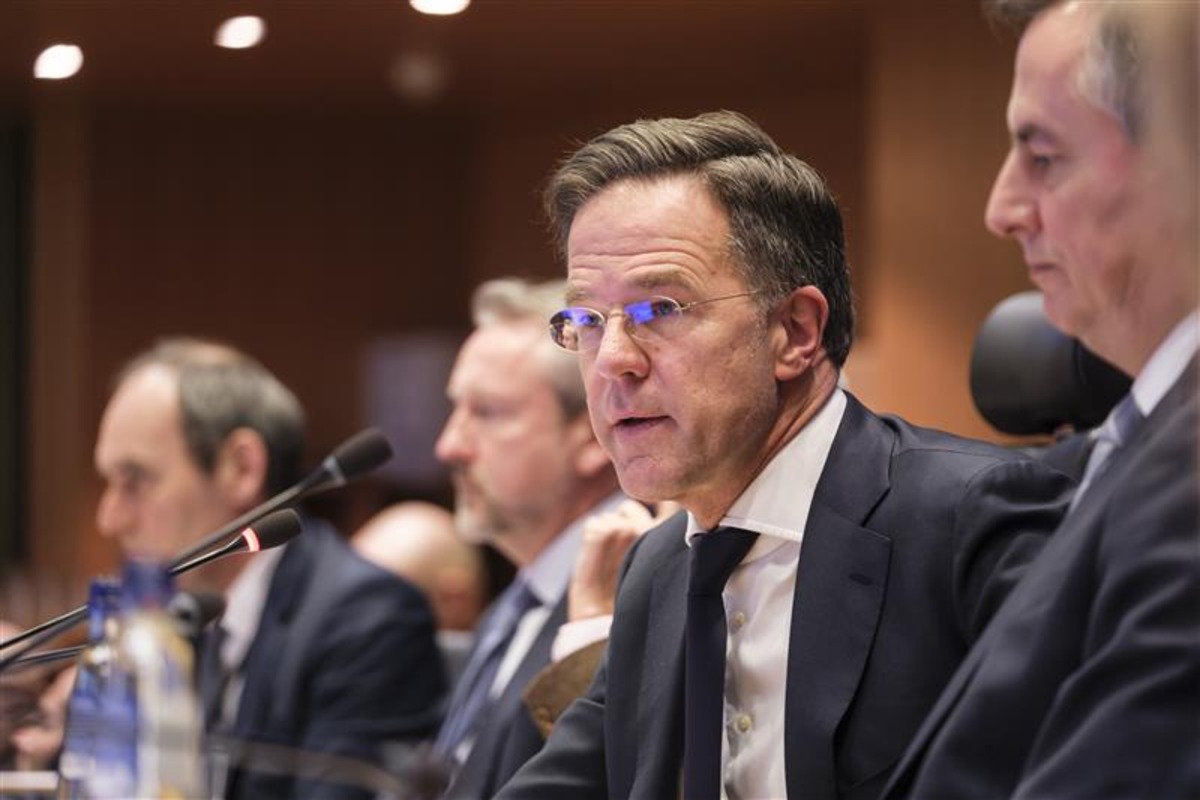
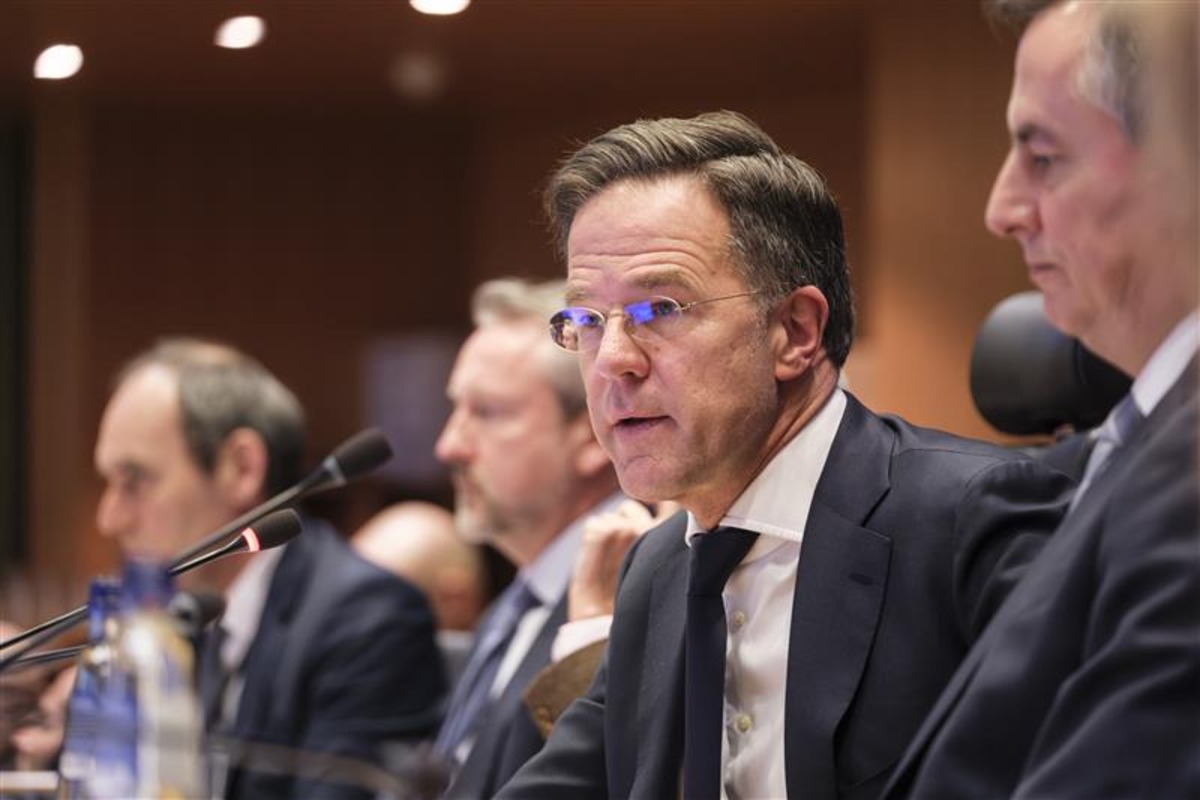
Rutte Declares U.S. Backing Essential for European Defense NATO Secretary‑General Mark Rutte told the European Parliament on 26 January 2026 that Europe “cannot defend itself” without American military support, emphasizing the U.S. nuclear umbrella as the “ultimate guarantor of freedom” [3][1]. He warned EU legislators that any notion of independent European security is unrealistic and urged members to “keep dreaming” about self‑sufficiency [3]. The same message was repeated to EU lawmakers in Brussels on 27 January 2026, where he again stressed reliance on U.S. capabilities [2][1].
Europe Would Need 10% of GDP and Its Own Nuclear Force Rutte argued that a Europe attempting solo defense would have to double the NATO‑agreed 5 % target and spend roughly 10 % of gross domestic product on defence [1][2][3]. He added that such a budget would be required to develop a credible European nuclear capability, a cost he described as “billions and billions of euros” [1][2]. The Dutch leader contrasted this with the existing baseline of 5 % by 2035, which he said would not fund nuclear ambitions [1][4].
Greenland Dispute Triggers NATO Tension and Diplomatic Maneuvering President Donald Trump’s claim to ownership of Greenland created a “rollercoaster week” for the alliance, prompting Rutte to label the issue a distraction from the Ukraine war [3][4]. AP reported that Trump later withdrew his annexation threat after a “framework” deal brokered with Rutte’s assistance, though details remain scarce [2]. CNN noted that while Rutte praised Trump for highlighting Arctic security concerns, he stayed out of the U.S.–Denmark–Greenland trilateral talks [3].
NATO Members Commit to 5% GDP Defense Target by 2035 At the July 2024 Hague summit, all NATO members except Spain, together with Canada, pledged to reach a 5 % of GDP defence spending target by 2035, allocating 3.5 % to core defence and an additional 1.5 % to security‑related infrastructure [2]. This commitment remains the alliance’s baseline, despite Rutte’s claim that it will not cover a European nuclear deterrent [1][4]. The pledge reflects ongoing pressure from the United States for greater burden sharing, a theme echoed in Trump’s statements about NATO fairness [4].
France Pushes Strategic Autonomy Amid Shifting U.S. Priorities France has intensified calls for “strategic autonomy,” arguing that Europe must develop independent defence capabilities after the Trump administration signaled a possible shift in U.S. security focus [2]. Rutte’s warnings about the high cost of solo defence contrast with French ambitions, highlighting a split within NATO leadership [2][1]. The debate underscores the alliance’s challenge of balancing U.S. leadership with growing European aspirations for self‑reliance.
Sources
-
1.
Newsweek: NATO Secretary‑General Rutte Says Europe Needs U.S. Military Backing: Rutte warns Europe cannot defend itself without the United States, calls for 10 % GDP defence spending, and notes Finnish President Stubb’s disagreement .
-
2.
AP: NATO’s Rutte says Europe needs U.S. military support: Rutte repeats the U.S. dependence claim, details the Greenland “framework” deal, and outlines NATO’s 5 % GDP pledge and France’s strategic autonomy push .
-
3.
CNN: NATO chief warns Europe it cannot defend itself without the United States: Rutte’s 26 January speech, 10 % GDP demand, Greenland “rollercoaster” week, and his praise for Trump’s Arctic concerns .
-
4.
Newsweek: NATO chief says allies would defend Article 5: Rutte affirms Article 5 commitment, links Greenland dispute to NATO unity, and warns the issue could distract from Ukraine .
Timeline
July 2024 – At the NATO summit in The Hague, members (except Spain) and Canada accept President Trump’s demand to match U.S. defence spending, committing to 3.5 % of GDP for core defence and an additional 1.5 % for security‑related infrastructure by 2035, establishing the 5 % baseline for future spending [4].
2024 – NATO adopts a 5 % of GDP defence‑spending target by 2035 as the new baseline, upgrading the long‑standing 2 % benchmark and signalling a collective effort to meet rising security costs [2].
Jan 21, 2026 – At a Davos panel, NATO Secretary‑General Mark Rutte declares that allies will invoke Article 5 to defend the United States, cites past unity after attacks, and warns that the Greenland dispute could distract from Europe’s core security challenge – Russia’s war in Ukraine, which approaches its four‑year anniversary in February [3].
Jan 21, 2026 – President Donald Trump tells a White House briefing that he has secured commitments from NATO allies to raise defence spending toward a 5 % of GDP target, framing the push as fair‑share reciprocity for U.S. burden‑sharing [3].
Jan 21, 2026 – Finnish President Alexander Stubb, speaking at the World Economic Forum in Davos, disputes Rutte’s claim and asserts that Europe can unequivocally defend itself, highlighting a split among NATO leaders over strategic autonomy [2].
Jan 2026 (early) – President Trump advances a claim that the United States should own Greenland, then publicly rules out using force to annex the Arctic island at Davos, creating a “rollercoaster week” of diplomatic turbulence for Europe [1][2].
Jan 26, 2026 – In a European Parliament address in Brussels, Rutte warns that Europe cannot defend itself without U.S. backing, stresses that the U.S. nuclear umbrella is the “ultimate guarantor of freedom,” and calls for defence spending of 10 % of GDP and a costly European nuclear capability costing “billions and billions of euros” [1][4].
Jan 27, 2026 – Rutte repeats his message to EU lawmakers, emphasizing that a self‑sufficient Europe would need to double the agreed 5 % target to about 10 % of GDP and develop its own nuclear force, while noting that the U.S. and Russia together hold roughly 90 % of the world’s nuclear weapons, underscoring reliance on the American nuclear shield [2].
Late Jan 2026 – After Trump’s Greenland threats, a “framework” deal is reached with Rutte’s assistance, leading Trump to withdraw his annexation threats and tariffs, though details remain undisclosed, easing immediate NATO tensions [4].
2026 (future) – NATO outlines two Arctic work streams, planning greater collective responsibility for Arctic defence and continued U.S.–Denmark–Greenland trilateral talks, while Rutte stays out of the direct negotiations, signalling an expanded NATO role in the high‑north [1].
Feb 2026 – The four‑year anniversary of Russia’s invasion of Ukraine approaches, prompting Rutte to caution that the Greenland dispute must not divert attention from sustaining European focus on Ukraine’s defence [3].
2026 (ongoing) – France leads a push for European “strategic autonomy” after the Trump administration’s warning that U.S. security priorities may shift elsewhere, reinforcing calls for Europe to develop independent defence capabilities despite Rutte’s emphasis on U.S. leadership [4].