Trump and Xi Discuss Taiwan Arms Caution, Iran Tariff, and April China Visit
Updated (4 articles)
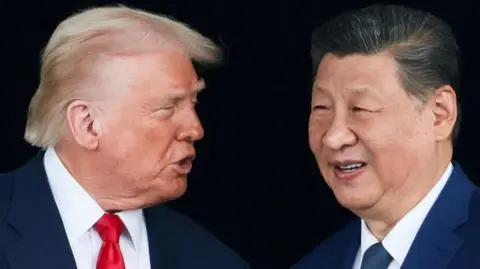
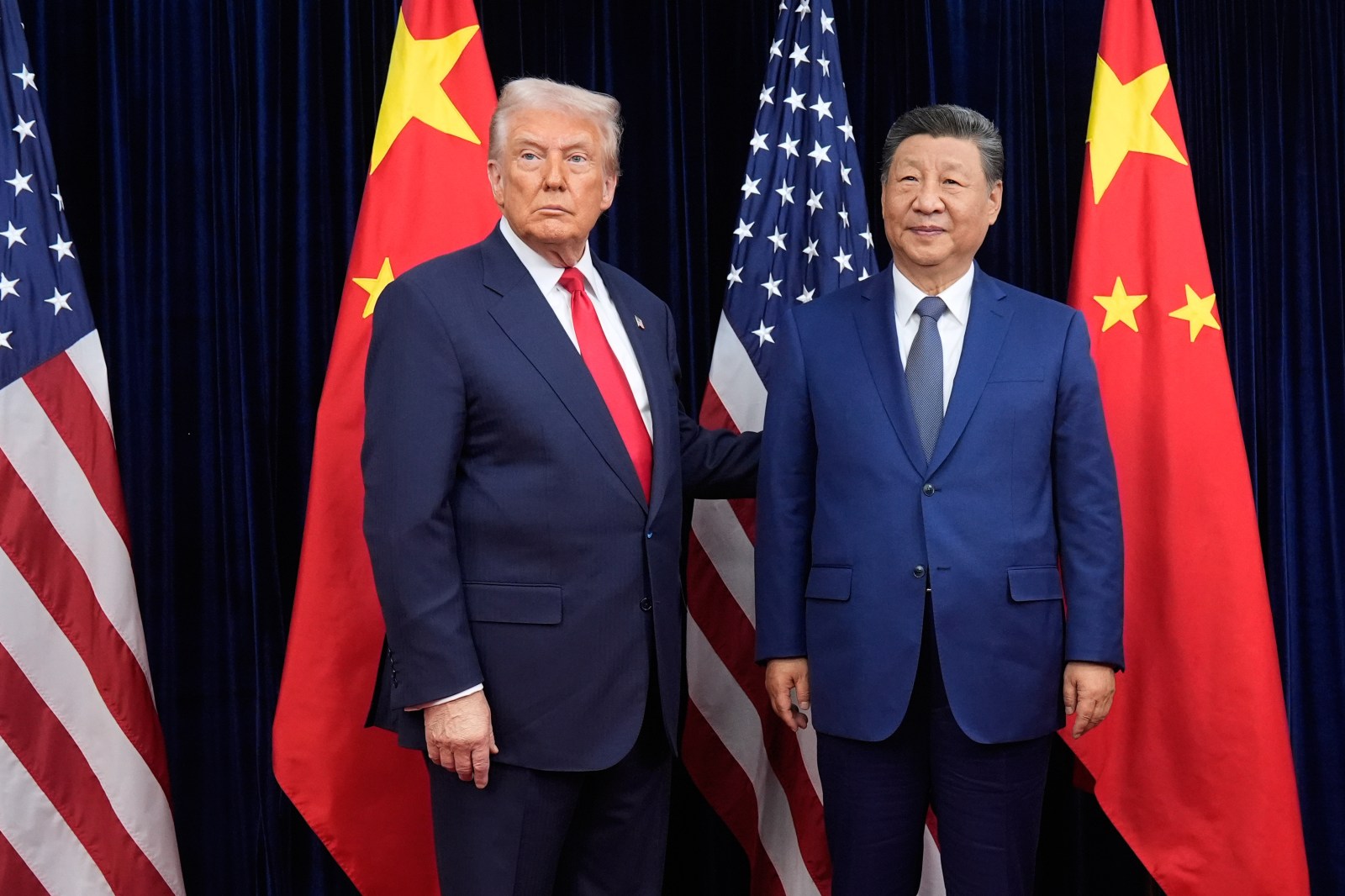

Call Highlights Taiwan as Core Bilateral Issue Xi told Trump Taiwan is the most important issue and demanded extreme caution on any weapons transfers, labeling separation “unacceptable.” The United States unveiled a $10‑11 billion arms package for Taiwan, prompting Beijing’s sharp warning. Both leaders also referenced Russia’s war in Ukraine and reaffirmed China’s claim to Taiwan. [1][2][3]
Trump Praises Relationship and Announces April Beijing Trip Trump described the conversation as “excellent” and “long and thorough,” praising his personal rapport with Xi. He announced he looks forward to an April visit to Beijing, expecting to discuss trade and soybean imports. China is considering raising U.S. soybean purchases from 12 million to 20 million tonnes and continues buying U.S. oil and gas. [1][3][4]
Iran Policy Discussed, New 25% Import Tax Unveiled The call covered Iran, with Trump mentioning possible military action and a newly announced 25 percent import tariff on nations trading with Tehran. The United States is arranging high‑level talks with Iran in Oman after moving the meeting from Turkey. China recorded $32 billion in trade with Iran in 2024, underscoring the tariff’s potential impact. [2][3]
Additional Topics Include Ukraine, Energy, and Critical Minerals Ukraine’s war was discussed, and both presidents noted ongoing U.S. energy sales to China. A ministerial meeting on critical‑minerals self‑reliance featured Vice President JD Vance, aiming to reduce dependence on Chinese supplies. The conversation referenced the imminent expiry of the New START treaty and broader nuclear‑arms considerations. [1][3]
Discrepancy Over Official Readout of the Call The Chinese readout of the call omitted any mention of Trump’s planned April visit, contrary to U.S. statements. BBC and other outlets reported the visit as a key agenda item, highlighting a discrepancy between official Chinese communication and Western reporting. This difference illustrates divergent framing of the dialogue’s priorities. [2][1]
Sources
-
1.
BBC: Xi Urges Trump to Exercise Caution on Taiwan Arms Sales Amid Renewed US‑China Dialogue: Details Xi’s warning on Taiwan arms, Trump’s praise, upcoming April visit, soybean import increase, and $11 billion arms sale criticism.
-
2.
AP: Trump and Xi Discuss Iran, Trade, Taiwan and Upcoming Summits: Emphasizes Iran talks, 25% import tax, $10 billion Taiwan arms package, omission of April visit in Chinese readout, and critical‑minerals meeting.
-
3.
Newsweek: Trump Urged by Xi to Exercise Extreme Caution on Taiwan Arms Sales: Highlights Xi’s “extreme caution” demand, Trump’s social‑media recap, Iran tariff, broader diplomatic backdrop including Busan and New START expiry.
-
4.
Yonhap: Trump claims “positive” call with Xi on Taiwan, Ukraine, Iran and more: Focuses on Trump’s description of call as “long and thorough,” trade topics like soybeans and oil, and anticipation of April Beijing trip.
Timeline
June 2025 – The United States bombs three Iranian nuclear sites, intensifying Tehran’s security concerns and setting the stage for later diplomatic overtures, including high‑level talks in Oman. [3]
2025 (Busan meeting) – Leaders meet in Busan, stabilizing U.S.–China relations after months of tension and paving the way for renewed dialogue on Taiwan and other strategic issues. [2]
Nov 24, 2025 – President Donald Trump and President Xi Jinping hold their first phone conversation since that date, ending a month‑long silence and hinting at a possible reset in bilateral ties. [4]
Dec 2025 – The United States announces an $11 billion arms package for Taiwan, prompting Beijing to condemn the sale as support for “Taiwan’s independence” and a risk to Strait stability. [1]
Jan 2026 – Western leaders, including UK Prime Minister Keir Starmer, travel to Beijing in a coordinated effort to reset ties with China ahead of high‑level U.S. engagements. [1]
Feb 4, 2026 – In a “long and thorough” phone call, Xi Jinping tells Trump that Taiwan is the “most important issue” and urges “extreme caution” on any weapons transfers, while Trump praises the “great nations” relationship and posts on Truth Social that the discussion is “excellent.” [1][2][4]
Feb 4, 2026 – Trump announces a 25 percent import tax on any country that does business with Iran, targeting China’s $32 billion trade with Tehran and signaling a hardening U.S. stance. [2][3]
Feb 4, 2026 – Washington unveils a $10 billion arms package for Taiwan, including medium‑range missiles, howitzers and drones, despite Beijing’s warning that “Taiwan will never be allowed to separate from China.” [3]
Feb 4, 2026 – Vice President JD Vance convenes a ministerial meeting on critical‑minerals self‑reliance, aiming to reduce U.S. dependence on China for high‑tech supply chains. [3]
Feb 4, 2026 – Trump discusses raising Chinese soybean imports from 12 million to 20 million tonnes and notes expanding U.S. oil and gas sales to China, linking trade to the broader diplomatic thaw. [1][4]
Feb 4, 2026 – Trump confirms his planned April 2026 visit to Beijing, expects “many positive outcomes” over the next three years, and hints that the trip could open a summit with North Korean leader Kim Jong‑un. [1][4]
Feb 4, 2026 – The leaders also cover the Russia‑Ukraine war, Iran’s regional behavior, and energy issues, while noting that the New START nuclear arms‑control treaty will expire on Thursday. [2]
Feb 6, 2026 – The New START treaty expires, prompting Trump to argue that any future arms‑control agreement must include China to maintain strategic stability. [2]
Feb 7, 2026 – The United States and Iran hold high‑level talks in Oman, moved from Turkey at Iran’s request, though the White House remains skeptical about the talks’ success. [3]
2027 – Major multilateral summits involving the United States, China and other powers are slated for next year, offering a platform to address Taiwan, Iran and global arms‑control issues. [2]