Orban Vows to Veto EU Sanctions, Endangering €90 Billion Ukraine Aid Package
Updated (2 articles)
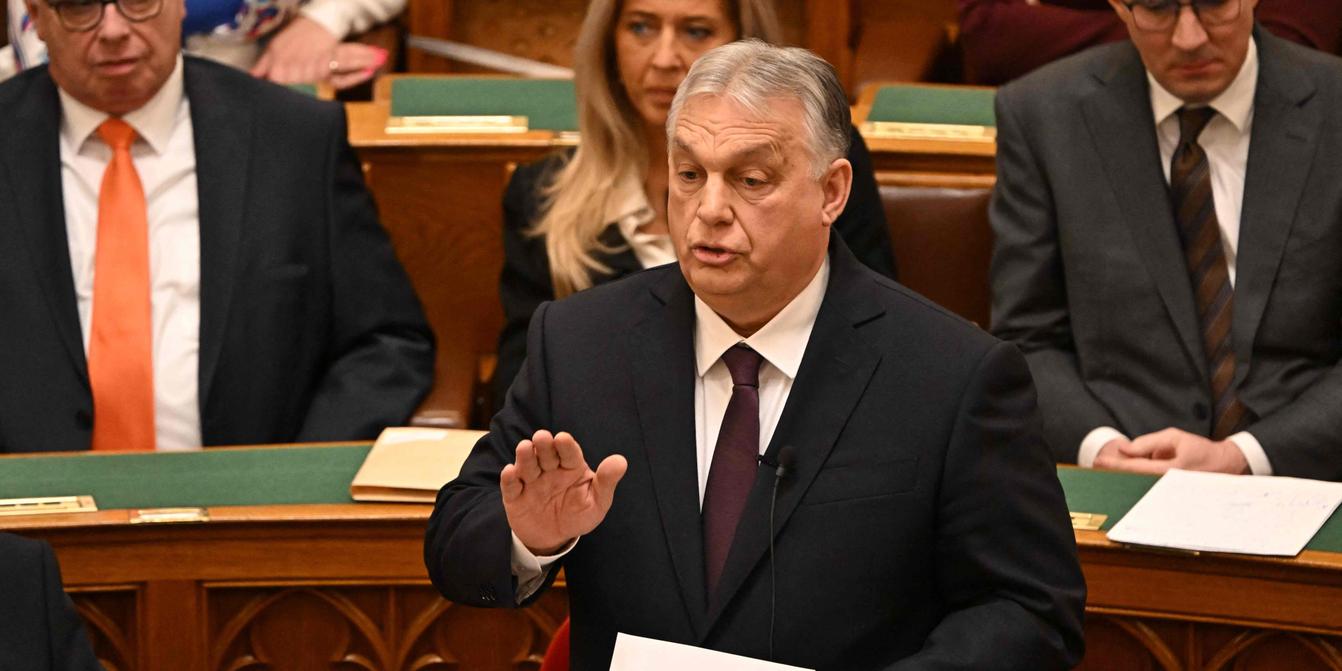
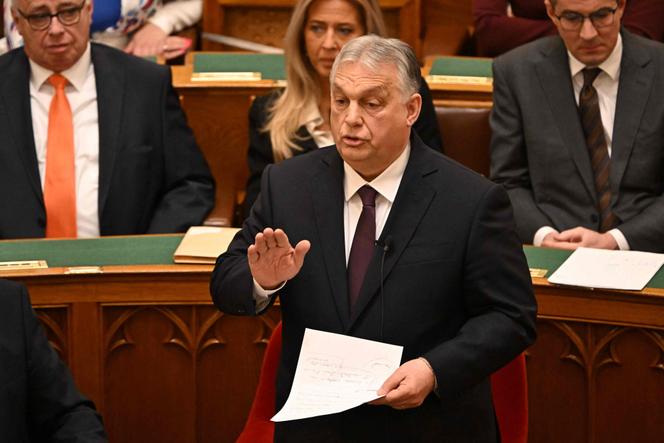
Orban’s Veto Threat Targets EU’s Twentieth Sanctions Package On 24 February 2026 Budapest announced it will veto the EU’s twentieth sanctions package against Russia, known as the “Vingt‑Sept” agenda. The move directly challenges the coordinated response planned by Brussels. Hungary’s opposition is explicitly linked to leverage over the €90 billion aid package the EU intends to grant Ukraine for 2026‑27. The announcement coincided with a visit to Kyiv by Commission President Ursula von der Leyen and European Council President Antonio Costa, whose diplomatic push was stalled by Orban’s stance. [1]
€90 Billion Aid Package Tied to Ukraine’s Imminent Funding Gap The EU’s aid plan totals €90 billion, adding to the €195 billion already delivered to Kyiv since 2022. Analysts project that Ukraine will exhaust its funds in April 2026 as American assistance tapers off. The looming shortfall heightens the urgency of securing the new package before the funding gap widens. Without the Hungarian‑linked approval, the aid could be delayed, risking a pause in critical support. [1]
December 2025 Zero‑Interest Loan Excludes Future Repayment by Hungary In December 2025, Hungary, Slovakia and the Czech Republic signed a zero‑interest loan for Ukraine. The agreement stipulated that these three states would not participate in any future repayment once the war ends and Russia is forced to pay reparations. This clause reflects Budapest’s broader strategy of using financial commitments to extract political concessions within the EU framework. [1]
EU Diplomats Warn of Limited Time to Secure Funding senior EU diplomat warned that “the urgency is the €90 billion aid to Kiev” and that “we still have a little time, but not much.” The statement underscores the narrow window for finalizing the package before Ukraine’s cash flow collapses. Diplomats stress that any further delay could force Kyiv to seek alternative, less coordinated financing sources. [1]
Timeline
Dec 2025 – Hungary, Slovakia and the Czech Republic sign a zero‑interest loan for Ukraine, agreeing they will not take part in any future repayment once the war ends and Russia pays reparations [2].
Jan 2026 (Davos) – Ukrainian President Volodymyr Zelensky mocks Orbán at the World Economic Forum, saying “Every Viktor who lives off European money while trying to sell out European interests deserves a smack upside the head” [1].
Jan 28, 2026 – Prime Minister Viktor Orbán posts on X that Ukraine’s leadership “crossed a line,” declares Hungary will not fund Ukraine’s war effort, refuses to implement the EU‑mandated ban on Russian oil and gas, and vows to block fast‑track EU accession for Ukraine, stressing domestic priorities over foreign aid [1].
Jan 28, 2026 – Ukraine’s foreign minister Andrii Sybiha condemns Hungary’s stance on X, calling Budapest an “accomplice of the Kremlin regime” and saying blocking Ukraine’s EU membership aids Putin, invoking the EU’s post‑World‑War II peace purpose [1].
Feb 24, 2026 – Hungary signals it will veto the EU’s twentieth Russia sanctions package on the “Vingt‑Sept” agenda, threatening to derail a coordinated European response to Moscow [2].
Feb 24, 2026 – The Hungarian veto is tied to leverage over the €90 billion Ukraine aid plan the EU intends for 2026‑2027, turning the sanctions vote into a bargaining chip for Budapest [2].
Feb 24, 2026 – EU Commission President Ursula von der Leyen and European Council President Antonio Costa arrive in Kyiv, only to see their diplomatic push stalled by Hungary’s opposition, highlighting deepening intra‑EU tensions [2].
Apr 2026 (projected) – Ukraine faces a funding gap as U.S. aid wanes; the country is expected to run out of money in April 2026 without the €90 billion package, underscoring the urgency of EU financing [2].
2027 (planned) – The EU plans to enforce a ban on Russian oil and gas imports, a deadline Hungary opposes, reflecting its reliance on cheap Russian energy [1].