Syrian Interim Government Integrates SDF Amid ISIS Resurgence and U.S. Policy Shift
Updated (11 articles)
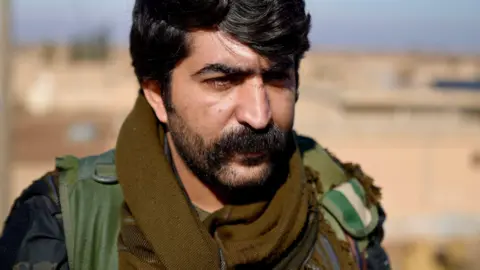
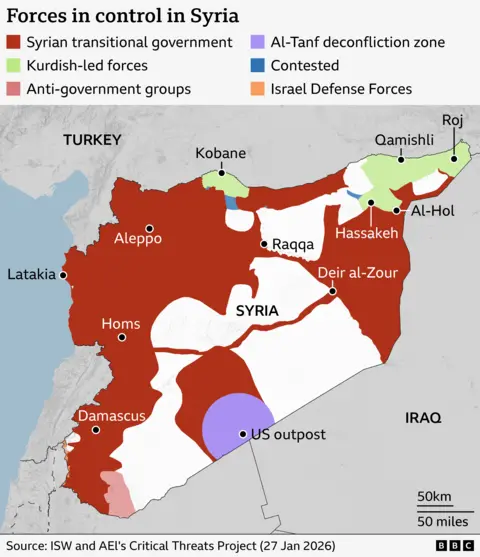
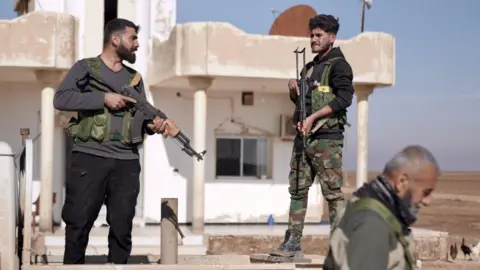
Jan 30 Integration Deal Formalizes SDF Merger The Syrian government and the Kurdish‑led Syrian Democratic Forces signed an agreement on 30 January 2026 to merge SDF fighters and institutions into the national army, creating three brigades and appointing a Kurdish‑chosen governor for Hasakah while preserving civil staff [2]. The pact follows the SDF’s acceptance of a cease‑fire on 18 January after Syrian troops recaptured large swaths of the northeast [2]. President Ahmed al‑Sharaa issued a decree granting Kurdish language rights, citizenship to stateless Kurds, and recognizing the Kurdish new year as a national holiday [2]. U.S. envoy Tom Barrack called the agreement “historic,” underscoring Washington’s interest in a unified Syria [2].
Syrian Forces Capture Key Energy Infrastructure Within two weeks of the cease‑fire, Syrian army units seized the Omar oil field—the country’s largest—and the strategic Tabqa dam on the Euphrates, transferring control of these assets to Damascus [2][3]. The SDF withdrew from these sites, marking the first major territorial retreat since the defeat of ISIS in 2019 [3]. The loss of oil and water resources threatens the economic viability of the Kurdish‑administered region [2].
U.S. Shifts Backing to Former Jihadist President The White House announced support for interim president Ahmed al‑Sharaa, a former al‑Qaeda affiliate who toppled Bashar al‑Assad in December 2024 [3]. Kurdish commander Azad condemned the shift as a “slap in the face,” accusing the United States of betraying years of cooperation against ISIS [3]. The cease‑fire is set to expire on 7 February, raising concerns that the policy change could reignite full‑scale fighting [3]. U.S. Central Command confirmed the killing of Bilal Hasan al‑Jasim, highlighting continued violence despite diplomatic moves [3].
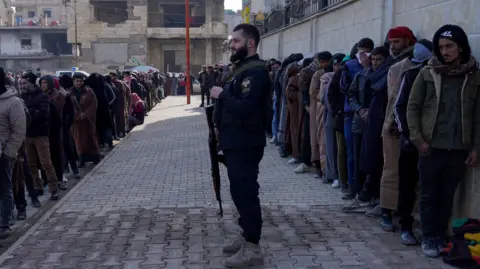
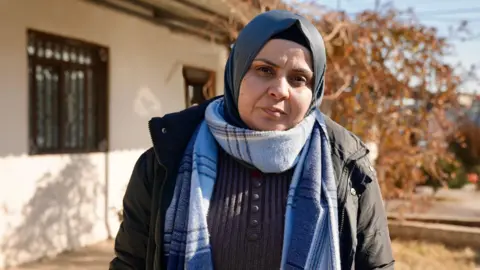
ISIS Cells Re‑Emerge Amid Prisoner Releases Kurdish leader Afrin warned that the interim government’s raid on Shaddadi prison freed roughly 2,000 IS detainees, allowing active cells to operate across Syria, including in Damascus [1]. Since 2014, SDF, YPG and YPJ forces have suffered more than 12,000 deaths fighting ISIS, underscoring the group’s lingering danger [1]. The United Nations described conditions in al‑Hol camp as “tense and volatile” after the SDF’s withdrawal, reflecting acute humanitarian concerns [2]. Afrin urged an international political solution to prevent further ISIS resurgence [1].
Sources
-
1.
The Hindu: ISIS Resurges as Syrian Kurdish Forces Grapple with Renewed Fighting: Highlights ISIS’s revival due to prisoner releases, the heavy toll on Kurdish fighters, and attacks targeting women‑led autonomous governance, while noting the Jan 30 cease‑fire and integration steps .
-
2.
BBC: Syrian Government and Kurdish SDF Seal Integration Deal After Ceasefire: Details the Jan 30 integration agreement, the preceding Jan 18 cease‑fire, U.S. envoy praise, Kurdish cultural rights, transfer of Omar oil field and Tabqa dam, and UN warnings about al‑Hol camp .
-
3.
BBC: Kurds Retreat as U.S. Shifts Support to Syria’s New Interim President: Reports SDF territorial losses to Damascus forces, U.S. backing of interim president Ahmed al‑Sharaa, the looming Feb 7 cease‑fire expiry, heightened tension in detention camps, commander Azad’s grievances, and a U.S. casualty report .
Timeline
Dec 2024 – Bashar al‑Assad’s regime collapses and former al‑Qaeda affiliate Ahmed al‑Sharaa assumes the interim presidency after leading the rebel offensive that ousts Assad, reshaping Syria’s power structure. [7][3]
Dec 11, 2025 – The United States reorients its Syria strategy, directing troops to cooperate with interim President Ahmad al‑Sharaa and to engage Damascus alongside the Kurdish‑led SDF, marking a shift from a solely Kurdish‑centric approach. [7]
Jan 6, 2026 – Coordinated assaults by the Syrian Interim Government, Turkey‑controlled brigades, Hayat Tahrir al‑Sham and Islamic State force the SDF and Women’s Defence Units to withdraw from Tabqa, Raqqa and Deir ez‑Zor, sparking new displacement and civilian casualties. [11]
Jan 18, 2026 – The Syrian government and the US‑backed SDF announce a cease‑fire; SDF commander Mazloum Abdi confirms the group will withdraw from Raqqa and Deir el‑Zour and begin integration into state security structures. [10]
Jan 19, 2026 – A 14‑point cease‑fire agreement mandates the SDF’s handover of Deir el‑Zour, Raqqa, border crossings, oil fields and detention facilities, while promising Kurdish language rights and individual integration of fighters into the defence and interior ministries; President Ahmed al‑Sharaa urges unity and Abdi says the fighting was imposed on his forces. [5][10]
Jan 20, 2026 – Damascus declares a new cease‑fire after the SDF pulls out of the al‑Hol camp; a four‑day consultation window opens to detail how the northeast will come under government control and how tens of thousands of SDF fighters will be absorbed, with a pledge not to deploy forces into Hassakeh, Qamishli or Kurdish villages. [4]
Jan 22, 2026 – Government forces launch a rapid offensive that retakes the Kurdish‑held northeast, prompting the SDF to sign a 14‑point framework that reverses earlier concessions; President Sharaa issues a decree granting Kurdish language status, citizenship to stateless Kurds and a national Nowruz holiday, while a four‑day cease‑fire gives the SDF time to submit an integration plan. [3]
Jan 23, 2026 – Turkish President Recep Tayyip Erdoğan congratulates the Syrian government on defeating the SDF, reiterates Turkey’s refusal to tolerate any separatist structures near its border, and claims Ankara coordinated with Damascus to protect civilians during the offensive. [8]
Jan 29, 2026 – U.S. policy pivots further toward Damascus as Washington backs interim President Sharaa; the cease‑fire set to expire on 7 February, and UN officials describe conditions in the al‑Hol camp as “tense and volatile” after its seizure by government forces. [2]
Jan 30, 2026 – The Syrian government and the Kurdish SDF sign an integration deal that creates a three‑brigade military division, transfers the Omar oil field and Tabqa dam to state control, and enshrines Kurdish cultural, linguistic and civil rights; U.S. envoy Tom Barrack calls the pact “a profound and historic milestone” in Syria’s path to national reconciliation. [1]
Feb 2, 2026 – Despite the January 30 cease‑fire, Islamic State cells re‑emerge as the Syrian Interim Government releases roughly 2,000 IS prisoners and attacks continue nationwide, prompting Kurdish leader Afrin to warn that the gender‑equal autonomous model of DAANES is under assault and that the next month will be critical for implementing integration steps. [11]
Feb 7, 2026 – The fragile cease‑fire between Damascus and the SDF reaches its scheduled expiration, with negotiators scrambling to extend or formalize the truce while both sides warn that any breakdown could reignite full‑scale fighting. [2]
Dive deeper (10 sub-stories)
-
The Hindu: ISIS resurges as Syrian Kurdish forces grapple with renewed fighting
-
BBC: Syrian Government and Kurdish SDF Seal Integration Deal After Ceasefire
-
BBC: Kurds Retreat as U.S. Shifts Support to Syria’s New Interim President
-
AP: Jan 23: Turkey hails Syrian government gains as Kurdish-led SDF collapses
-
BBC: Sharaa's government seizes Kurdish-held northeast in rapid Syria realignment
-
AP: Kurdish-led SDF loses power in Syria as US shifts support to Damascus government
-
Newsweek: US policy shift leaves SDF seeking aid as Damascus advances in Syria
-
BBC: Syria seals ceasefire as Kurdish-led forces withdraw from al-Hol camp
-
Ceasefire Signed Jan 18 Triggers SDF Withdrawal but Sparks New Clashes
(2 articles)
-
Newsweek: US troops in Syria pivot to new partnership with interim president
All related articles (11 articles)
-
The Hindu: ISIS resurges as Syrian Kurdish forces grapple with renewed fighting
-
BBC: Syrian Government and Kurdish SDF Seal Integration Deal After Ceasefire
-
BBC: Kurds Retreat as U.S. Shifts Support to Syria’s New Interim President
-
AP: Jan 23: Turkey hails Syrian government gains as Kurdish-led SDF collapses
-
BBC: Sharaa's government seizes Kurdish-held northeast in rapid Syria realignment
-
AP: Kurdish-led SDF loses power in Syria as US shifts support to Damascus government
-
Newsweek: US policy shift leaves SDF seeking aid as Damascus advances in Syria
-
BBC: Syria seals ceasefire as Kurdish-led forces withdraw from al-Hol camp
-
BBC: Clashes persist after Syria-SDF ceasefire deal
-
AP: Syrian government and SDF sign ceasefire with SDF to withdraw from Raqqa and Deir el-Zour
-
Newsweek: US troops in Syria pivot to new partnership with interim president
External resources (2 links)
- https://www.reuters.com/world/middle-east/how-syrias-sharaa-captured-kurdish-held-areas-while-keeping-us-onside-2026-01-21/ (cited 1 times)
- https://sana.sy/en/syria/2291194/ (cited 2 times)