Supreme Court Blocks Trump Global Tariffs, President Promises New 10% Executive Order
Updated (4 articles)
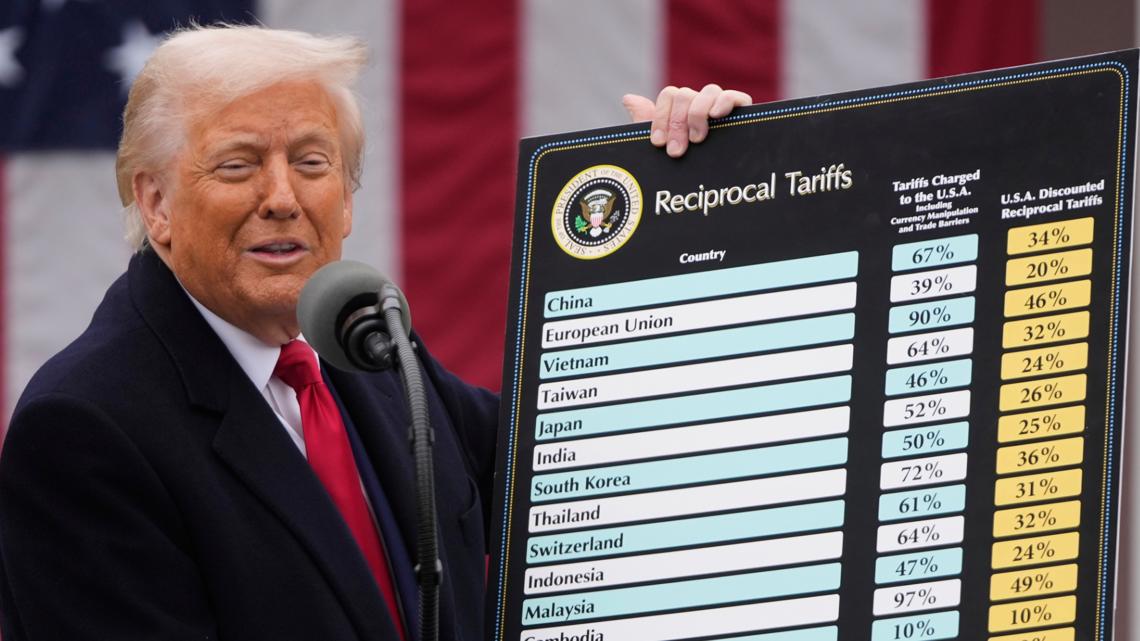
Supreme Court Issues 6‑3 Decision Blocking Global Tariff Authority The nine‑justice Court ruled 6‑3 that President Trump exceeded his authority under the International Emergency Economic Powers Act, declaring the sweeping tariffs unconstitutional [1][2][3][4]. Chief Justice John Roberts authored the majority opinion, stressing that the Constitution reserves taxing power for Congress, not the Executive [1][2][3][4]. The decision marks the first major second‑term agenda item halted by the Court and nullifies the emergency‑law tariffs imposed since 2024 [1][2][3][4]. The ruling did not resolve whether importers will receive refunds for tariffs already paid [1][3][4].
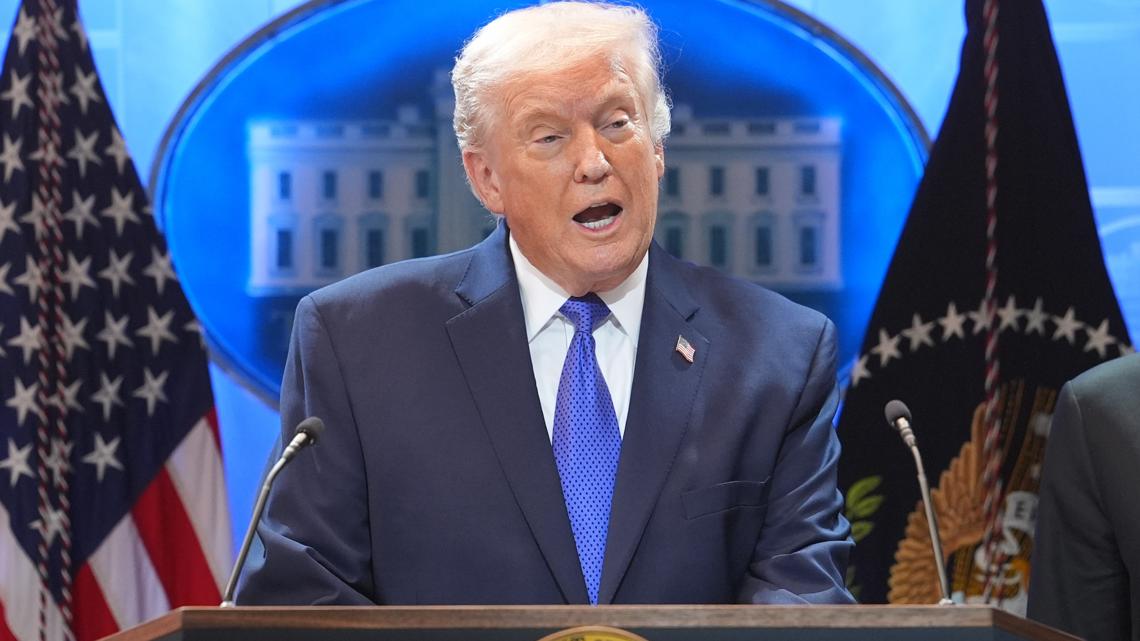
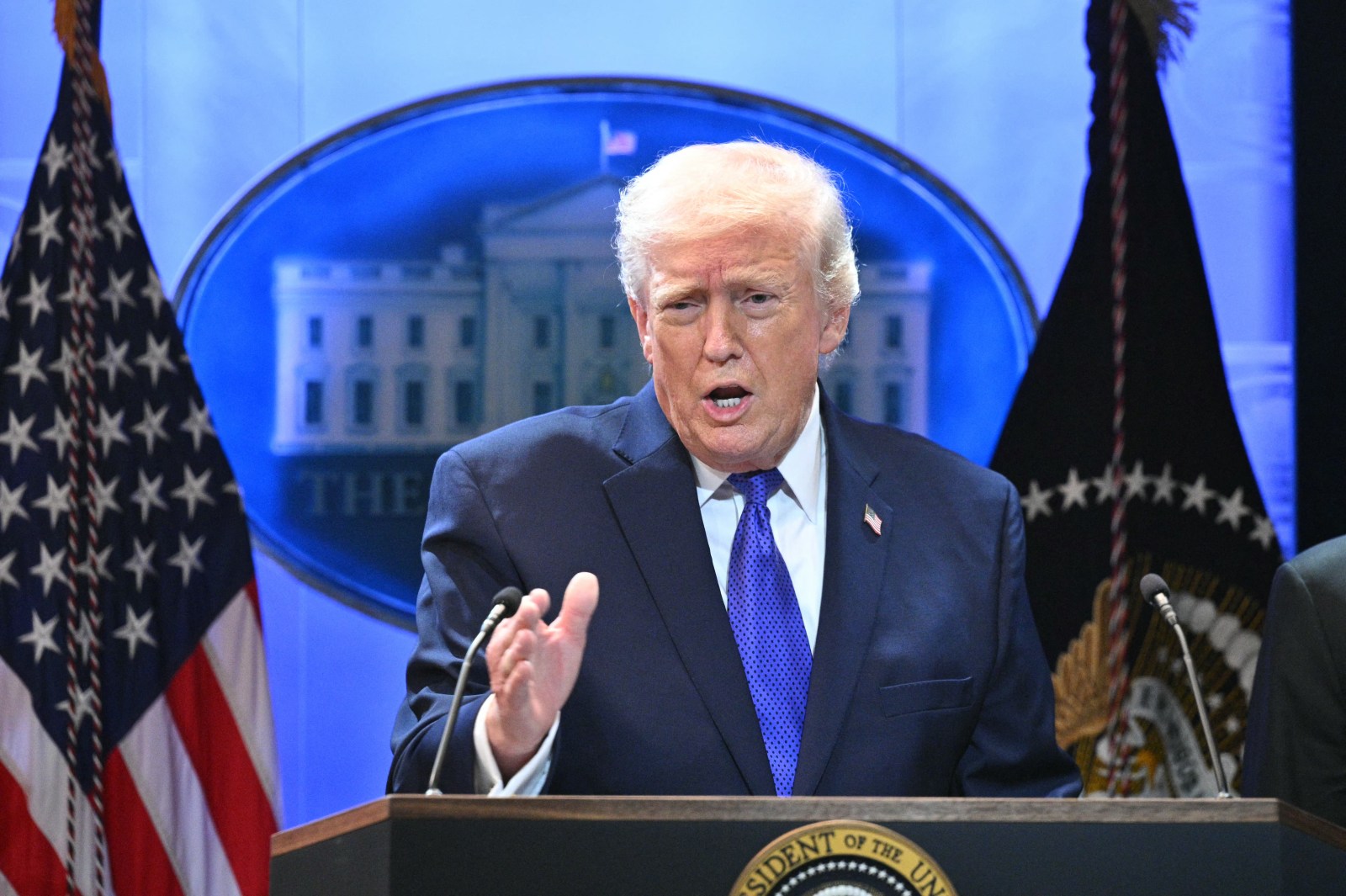
Trump Reacts With Harsh Criticism and Announces New Executive Order In a press conference, Trump called the justices “disloyal” and “lapdogs,” labeling the decision “deeply disappointing” and accusing the Court of foreign influence [1][2][3][4]. He announced he will issue an executive order imposing a fresh 10 % global tariff, citing statutes such as the Trade Expansion Act and the Tariff Act of 1930 that he says remain available [1][2][3][4]. Trump praised the dissenting opinions, especially Justice Kavanaugh’s 63‑page dissent, as “genius” [1][3][4]. The president framed the new order as a continuation of his trade agenda despite the Court’s ruling [1][2][3][4].
Dissenting Justices Praised by Trump Amid Ongoing Legal Uncertainty Justices Brett Kavanaugh, Samuel Alito and Clarence Thomas dissented, arguing the tariffs were lawful under presidential trade powers [1][2][3][4]. Trump publicly lauded their votes, calling Kavanaugh’s dissent “genius” and the others “great” [1][3][4]. Treasury data show more than $133 billion in tariffs had been collected by December, while small businesses and groups like the National Retail Federation welcomed the ruling for providing certainty [1][4]. The Court did not address how or whether the billions already paid will be reimbursed, leaving refund mechanisms uncertain [1][3][4].
Political Fallout Extends to Governors Meeting and International Partners The ruling was announced during a meeting with governors, prompting Louisiana Governor Jeff Landry to describe it as “unfortunate” and saying it eclipsed the agenda [3][4]. Vice President JD Vance condemned the decision as “lawlessness,” and the European Commission said it will stay in close contact with the U.S. for clarity on future trade steps [1][2]. Polls cited by Newsweek show roughly six‑in‑ten Americans think Trump has gone too far with tariffs, with strong partisan divides [2]. The administration asserts it will pursue “other alternatives” to maintain the tariff framework despite the Court’s injunction [3][4].
Sources
-
1.
AP: Supreme Court nullifies Trump’s global tariff regime: Emphasizes constitutional reasoning, details $133 billion collected, highlights conservative dissent and small‑business reactions.
-
2.
Newsweek: Supreme Court Halts Trump’s Global Tariff Plan, President Vows Alternative Path: Adds poll data on public opinion and Trump’s plan to use the Trade Expansion Act and Tariff Act of 1930.
-
3.
WBNS: Supreme Court blocks President Trump’s global tariff authority: Focuses on rapid hearing request, impact on governors’ meeting, and administration’s claim to seek “other alternatives.”
-
4.
King5: Supreme Court blocks Trump’s global tariff plan: Highlights disruption of governors’ meeting, mentions Costco refunds, and stresses legal fallout despite ruling.
Timeline
Apr, 2025 – An April survey shows half of U.S. adults oppose tariffs on all imports, indicating early public resistance to Trump’s trade strategy [1].
Mid‑2025 – The Supreme Court agrees to a fast‑tracked case challenging the president’s emergency‑power tariffs after the administration requests an accelerated hearing, a rare rapid docket move [3].
Dec, 2025 – The Treasury reports collection of over $133 billion in tariffs imposed under the International Emergency Economic Powers Act, with analysts projecting a $3 trillion impact over the next decade [2].
Jan, 2026 – An AP‑NORC poll finds roughly six‑in‑ten Americans believe Trump has “gone too far” with tariffs, with 90 % of Democrats and 60 % of independents sharing the view [1].
Feb 20, 2026 – The Supreme Court issues a 6‑3 decision holding that the president lacks authority to levy worldwide tariffs under the 1977 emergency powers law, emphasizing that taxing power resides with Congress [1][2][3][4].
Feb 20, 2026 – Hours after the ruling, President Trump calls the justices “deeply disappointing,” labels Roberts, Barrett and Gorsuch “fools and lapdogs,” and vows to impose a fresh 10 % global tariff using the Trade Expansion Act or the Tariff Act of 1930, statutes he says were never used for tariffs before [1][2][3][4].
Feb 20, 2026 – Trump announces he will sign an executive order adding a 10 % global tariff on top of existing duties, asserting the administration will pursue “other alternatives” now that the court “incorrectly removed” the emergency‑law basis [3][4].
Feb 20, 2026 – Vice President JD Vance condemns the ruling as “lawlessness,” while European Commission officials say they will stay in close contact with the U.S. administration for clarity on future trade steps [2].
Feb 20, 2026 – Small‑business groups such as the National Retail Federation hail the decision for providing certainty, yet the Court leaves unresolved how importers will be reimbursed for billions already paid [2].
Feb 20, 2026 – Justice Kavanaugh’s dissent warns that refunding companies that have already paid tariffs could be “complicated,” underscoring lingering financial uncertainty for affected firms [3].
Feb 20, 2026 – The ruling interrupts a meeting of governors; Louisiana Governor Jeff Landry calls the decision “unfortunate” and says it “completely overshadows” the agenda [3][4].
Feb 20, 2026 – Future (within 150 days) – Trump signals he will invoke a 150‑day statutory authority, never before used for tariffs, to enact the new 10 % global tariff, setting a deadline for implementation and potential legal challenges [2].
Future – The administration plans to pursue alternative statutory tools, such as the Trade Expansion Act and the Tariff Act of 1930, to sustain its trade agenda despite the court’s ruling [1][3][4].
Future – Refunds for companies that paid the now‑invalid tariffs remain uncertain, with businesses like Costco awaiting clarification on reimbursement mechanisms [2].
External resources (2 links)
- https://www.cbp.gov/newsroom/stats/trade (cited 1 times)