Hong Kong Court Upholds Prison Sentences for Twelve Pro‑Democracy Activists Amid Ongoing NSL Crackdown
Updated (2 articles)
-
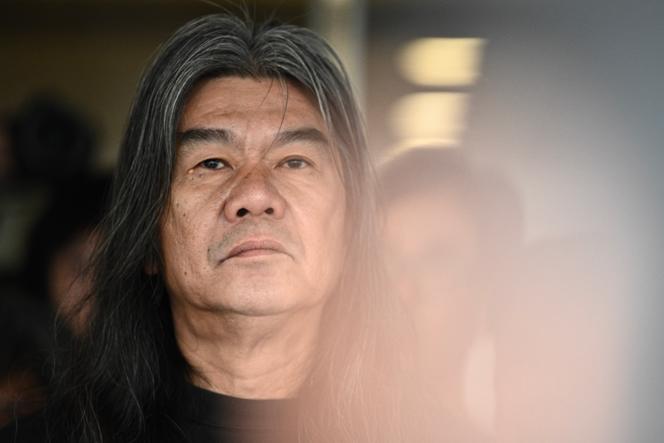 Image: Le MondeL’ex-député prodémocratie Leung Kwok-hung, également connu sous le nom de « Cheveux longs », avant d’entrer à la Haute Cour pour entendre la sentence de son appel concernant sa disqualification du conseil législatif de Hongkong, le 15 février 2019.ANTHONY WALLACE/AFP (ANTHONY WALLACE/AFP) Source Full size
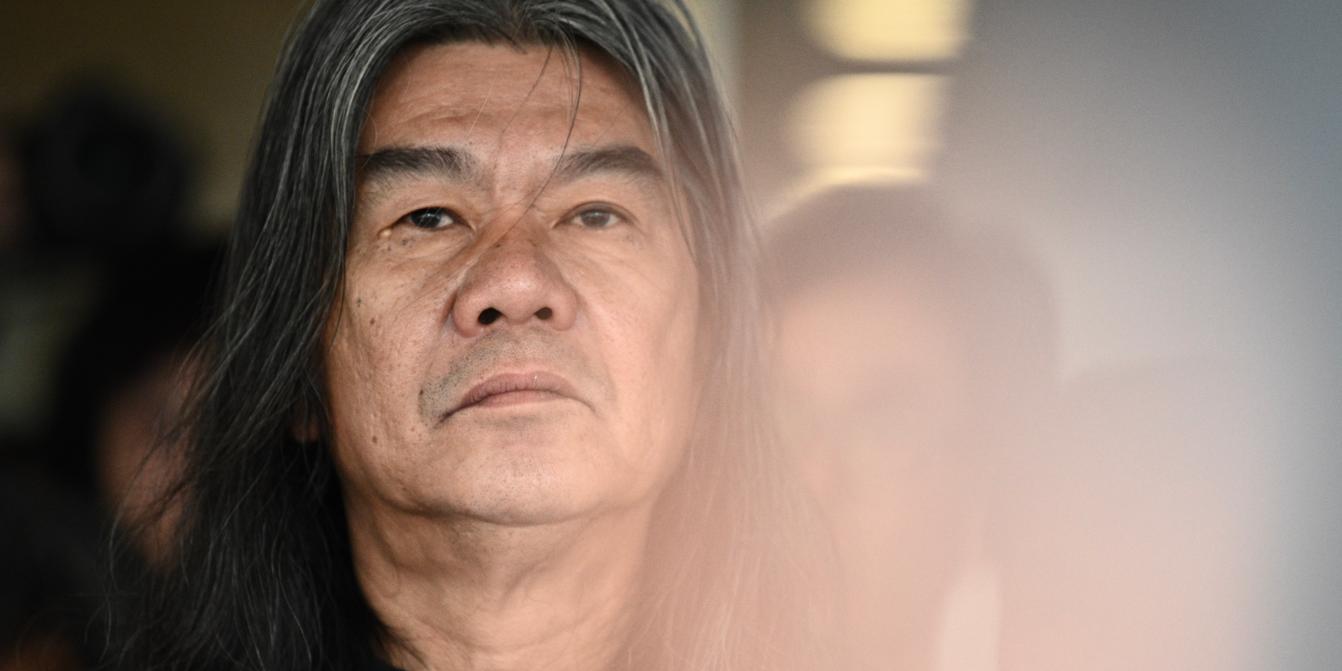
Court of Appeal Decision Reinforces National Security Law Sentences On 23 February 2026 the Hong Kong Court of Appeal confirmed the imprisonment of twelve pro‑democracy activists, all convicted under the 2020 National Security Law, and rejected every appeal without altering the original terms [2]. Judge Jeremy Poon issued a concise ruling stating, “Nous rejetons l’appel des demandeurs,” underscoring the judiciary’s alignment with Beijing’s security agenda [2]. The upheld sentences signal that the legal apparatus continues to enforce the law’s harsh penalties for political dissent.
Activists Linked to 2020 Primary Election Convictions The twelve defendants belong to a broader 2024 cohort of 45 individuals sentenced for “subversion” after participating in a July 2020 unofficial primary that attracted roughly 610,000 voters, about one‑seventh of the electorate [2]. Authorities argued the primary, which sought to pressure Chief Executive Carrie Lam to resign, constituted a coordinated attempt to undermine state authority [2]. This case illustrates how the NSL is applied retroactively to electoral activities deemed hostile to the government.
Prominent Figures Among the Convicted Include Former Lawmakers High‑profile defendants include former legislator Leung Kwok‑hung, ex‑journalist Gwyneth Ho, parliamentary candidate Owen Chow (29), activist Gordon Ng (47), and former lawmaker Lam Cheuk‑ting (48) [2]. Their varied backgrounds—from legislative service to journalism—demonstrate the breadth of the crackdown on dissenting voices across Hong Kong’s civil society [2]. The convictions have effectively removed several seasoned opposition figures from public life.
Broader Political Landscape Shaped by 2020 National Security Law Enacted in June 2020, the National Security Law criminalises secession, subversion, terrorism and foreign collusion, leading to about 260 arrests and 76 convictions to date [1]. Media outlets have been systematically silenced: Apple Daily founder Jimmy Lai faced renewed NSL prosecution in 2026 after a 2021 conviction, and Stand News was shut down in 2021 with staff charged for “conspiracy to publish seditious materials” [1]. The law’s reach extends to cultural suppression, exemplified by the 2015 disappearance of five Causeway Bay Books sellers who dealt in banned titles [1].
Global Demonstrations Highlight International Criticism Throughout 2024, protests erupted worldwide condemning the convictions of Hong Kong activists, reflecting mounting global concern over Beijing’s expanding authority over the city [2]. Demonstrators in several capitals called for the release of the imprisoned figures and for the repeal of the NSL [2]. These international actions underscore the diplomatic friction generated by Hong Kong’s tightened political controls.
Sources
-
1.
The Hindu: Hong Kong’s Political Landscape Transformed After the 2020 National Security Law – Provides a comprehensive timeline of Hong Kong’s shift since the NSL, detailing the Umbrella Movement, 2019 protests, the 2015 Causeway Bay Books kidnappings, media shutdowns, and the 2026 prosecution of Jimmy Lai, emphasizing systematic assimilation under Xi Jinping .
-
2.
Le Monde: Hong Kong Court of Appeal Upholds Prison Sentences for Twelve Pro‑Democracy Activists – Focuses on the February 23 2026 appellate ruling, names the twelve activists, links them to the 2020 primary election, notes Judge Jeremy Poon’s rejection of appeals, and mentions the 2024 worldwide protests against the convictions .
Related Tickers
Timeline
2013 – Xi Jinping assumes leadership of the Chinese Communist Party and intensifies efforts to align Hong Kong with the mainland, laying groundwork for later security measures. [1]
Oct 2014 – The Umbrella Movement occupies Hong Kong streets for 79 days to protest Beijing‑vetted candidate rules for the 2017 Chief Executive election; police eventually clear the protests. [1]
2015 – Five Causeway Bay Books sellers are kidnapped and disappear after selling banned titles, signaling Beijing’s crackdown on critical media voices. [1]
June 2019 – Massive rallies oppose an extradition bill that would send suspects to mainland courts; Beijing labels the unrest “terrorism” and vows to restore order. [1]
June 2020 – China imposes the National Security Law in Hong Kong, criminalising secession, subversion, terrorism and foreign collusion and reshaping the city’s political, media and judicial spheres. [1]
July 2020 – An unofficial pro‑democracy primary draws 610,000 voters to pressure Chief Executive Carrie Lam to resign; the vote later underpins subversion charges against participants. [2]
2021 – Stand News is forced to shut down and its staff are arrested on “conspiracy to publish seditious materials” charges; Apple Daily founder Jimmy Lai receives his first NSL‑related conviction for protest. [1]
2024 – Forty‑five participants in the 2020 primary are convicted of subversion, prompting worldwide protests and diplomatic criticism of Beijing’s expanding authority over Hong Kong. [2]
Feb 23 2026 – Hong Kong’s Court of Appeal upholds prison sentences for twelve pro‑democracy activists convicted under the NSL, with Judge Jeremy Poon stating, “Nous rejetons l’appel des demandeurs.” [2]
2026 – Jimmy Lai faces a new NSL prosecution, reflecting continued legal pressure on dissenting journalists after his 2021 conviction. [1]