New Jersey Leads Property‑Tax Gap as WalletHub Study Highlights 2026 Burdens
Updated (5 articles)
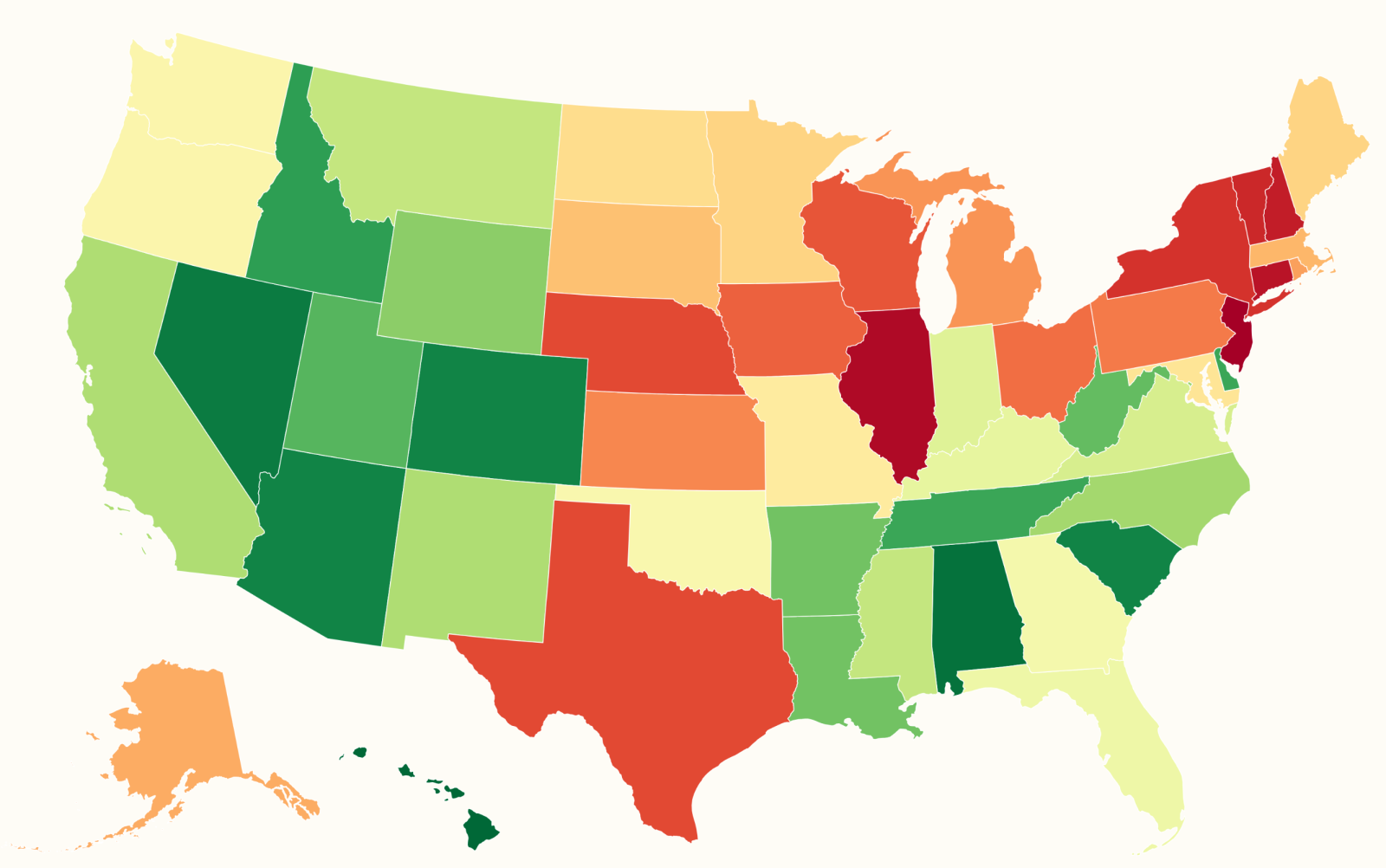
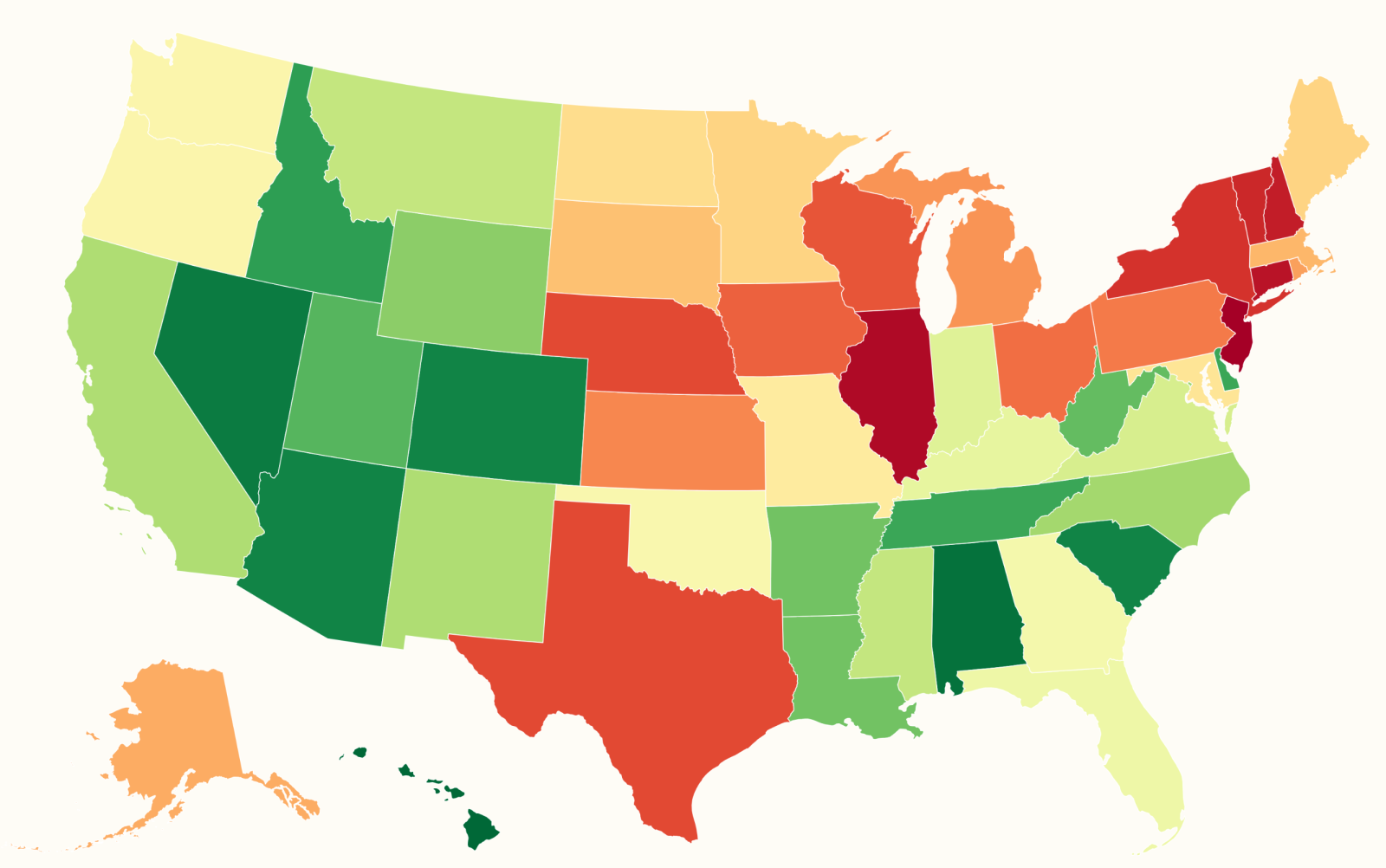
WalletHub Study Reveals State‑by‑State Tax Gap The analysis shows New Jersey topping the list with a 2.11 % effective property‑tax rate, amounting to $7,022 on a median‑priced home of $332,700, while Hawaii sits at the low end with 0.27 % ($888) on the same home value [1]. The average U.S. household pays $3,119 in property taxes annually, according to Census Bureau data [1]. These figures illustrate a stark disparity in tax burdens across states [1].
High Property Taxes Exacerbate 2026 Housing Market Strain Experts link the elevated tax pressure to declining home sales, buyer hesitation, and persistent inventory shortages that have plagued the market throughout 2026 [1]. The study suggests that property‑tax costs act as a hidden expense worsening affordability challenges [1]. Local government reliance on these levies intensifies the tension between revenue needs and market health [1].
Industry Leaders Blame Taxes and Regulation for Development Delays Jeff Kolakowski, chief of the New Jersey Builders Association, attributes stalled development timelines to the state’s “high regulatory environment… and high property taxes” [1]. He argues that these factors deter investment and slow construction activity [1]. The commentary underscores industry frustration with fiscal and regulatory pressures [1].
Tax Policy Experts Call for Reform to Ease Taxpayer Burden Manish Bhatt of the Center for State Tax Policy warns that without overdue reforms, taxpayers will continue demanding relief throughout 2026 [1]. He emphasizes that unresolved tax policy issues risk prolonging the fiscal strain on homeowners [1]. The call for reform highlights a consensus among analysts about the need for legislative action [1].
Related Tickers
Timeline
1978 – California’s Proposition 13 caps property‑tax rates and limits assessment growth, becoming a reference point for today’s “property‑tax revolt” and shaping reform debates across states [5].
2019‑2024 – Nationwide property assessments climb 27 % and property‑tax bills rise about 30 %, driven by post‑pandemic home‑value surges and tight inventory, intensifying homeowner pressure for relief [4][3].
2024 – Every U.S. state records an average residential property‑tax bill above $1,000 for the first time, with the national average reaching $4,271, underscoring a historic burden on homeowners [4].
Dec 1, 2025 – The NAHB reports New Jersey homeowners pay the highest average tax ($9,767) while West Virginia’s is lowest ($1,044); finance expert Michael Ryan warns that doubling tax rates can depress home prices by 20 % [4].
Dec 31, 2025 – Republican‑led legislatures push varied reforms: Illinois advances a 30‑year homestead exemption, Texas moves forward multiple constitutional amendments, and Florida floats full abolition, signaling a national reform surge heading into 2026 [3].
Jan 14, 2026 – Governor Ron DeSantis proposes eliminating Florida’s property tax via a constitutional amendment, noting revenue growth from $32 billion to $56 billion and declaring homeowners “should not pay perpetual rent” [2].
Jan 28, 2026 – Georgia’s House unveils a phased elimination of homeowner taxes by 2032, raising the exemption to $150,000 and capping revenue growth at 3 %; Florida, North Dakota and Texas introduce parallel elimination plans, while experts like Adam Langley warn such moves are “very difficult” [5].
Feb 18, 2026 – WalletHub’s analysis shows New Jersey leads with a 2.11 % effective rate ($7,022 on a median home) and Hawaii trails at 0.27 % ($888); NJ Builders Association chief Jeff Kolakowski blames “high regulatory environment… and high property taxes” for market strain, and tax‑policy analyst Manish Bhatt warns taxpayers will keep “clamoring for relief” throughout 2026 [1].
Nov 2026 (planned) – Georgia’s tax‑elimination plan requires a two‑thirds Senate vote, a constitutional amendment, and voter approval in the November election to proceed [5].
2026‑2032 (planned) – Florida aims to phase out nonschool property taxes over ten years, targeting relief for retirees and low‑income residents, pending legislative passage [5].
2026‑2027 (planned) – Texas Governor Greg Abbott seeks to use state surplus funds to abolish school property taxes, though financing mechanisms remain under discussion [5].
All related articles (5 articles)
-
Newsweek: Property‑Tax Gap Widens: New Jersey Tops, Hawaii Bottoms in WalletHub Study
-
AP: Georgia, Florida, North Dakota Push to Eliminate Homeowner Property Taxes
-
Newsweek: DeSantis outlines bid to eliminate Florida property tax
-
Newsweek: States push property tax reform ahead of 2026 with mixed approaches
-
Newsweek: Property taxes in America hit historic milestone
External resources (5 links)
- http://michaelryanmoney.com (cited 1 times)
- https://njba.org/ (cited 1 times)
- https://wallethub.com/edu/states-with-the-highest-and-lowest-property-taxes/11585 (cited 1 times)
- https://whyy.org/articles/new-jersey-housing-market-buyers-sellers/#:~:text=%E2%80%9CWe%20have%20a%20history%20of,investment%20here%20in%20New%20Jersey. (cited 1 times)
- https://www.ppic.org/publication/proposition-13-40-years-later/ (cited 1 times)