Imane Khelif’s Hormone Therapy, Political Attack, and Uncertain Path to Los Angeles 2028
Updated (2 articles)
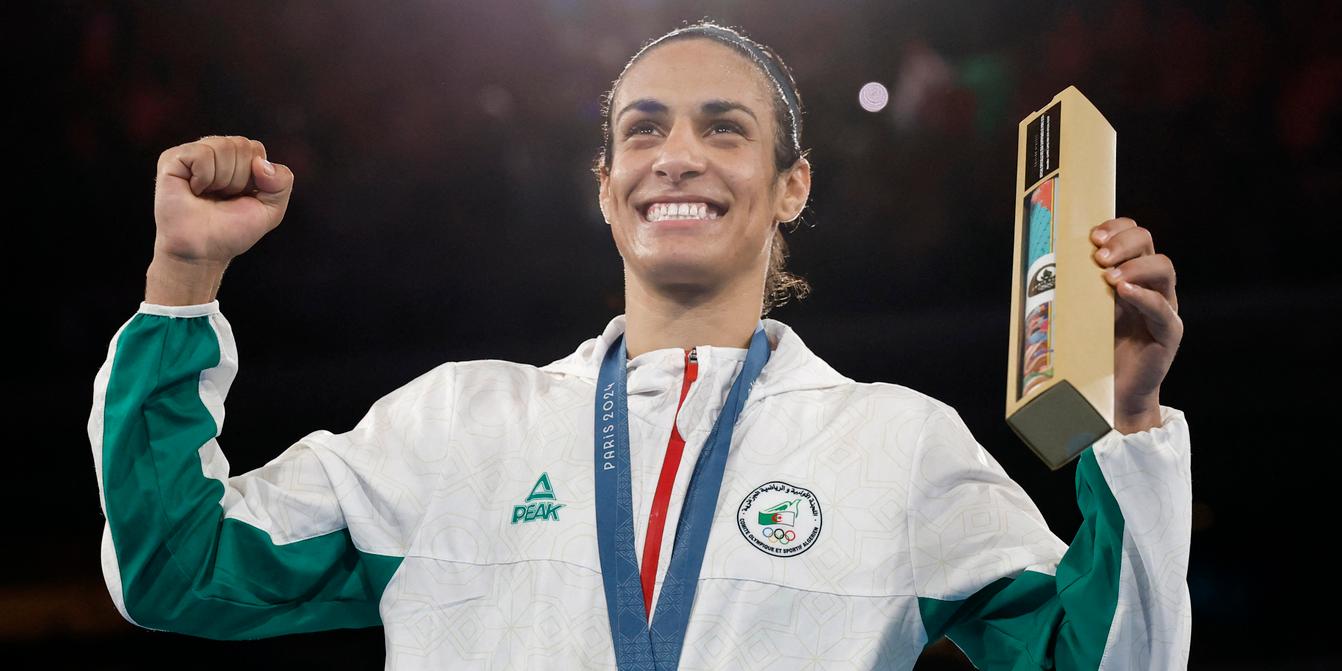
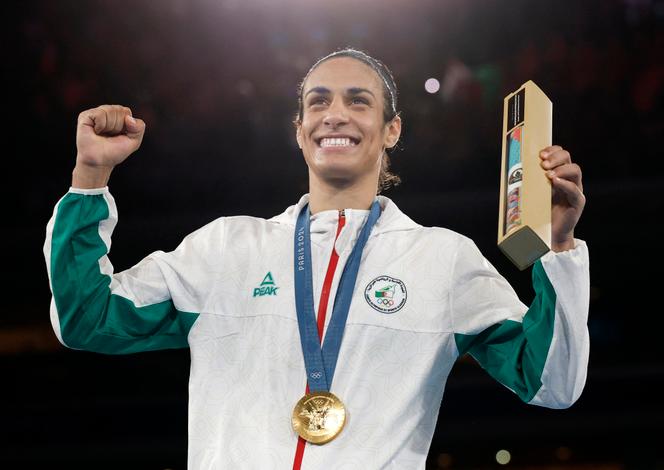
Hormone Treatment Enabled Olympic Gold Imane Khelif, the 26‑year‑old Algerian boxer, lowered her testosterone with medically supervised hormone therapy before the Paris 2024 qualifiers and then captured the under‑66 kg gold medal at the Games [1][2]. She confirmed she carries the SRY gene on a Y chromosome, a natural condition she describes as a “genetic difference,” not a transgender identity [1]. Her victory sparked a coordinated backlash from public figures who framed her as a male athlete competing against women [1][2].
World Boxing’s Mandatory Test Excludes Her From 2025 Event The federation introduced a compulsory chromosomal test for all boxers over 18 and declared Khelif ineligible for female competition until the test is completed, barring her from the Eindhoven tournament in 2025 [1][2]. She has already forwarded her medical file and hormone results to World Boxing but has not received a response, prompting her to seek a French professional licence while preserving her Olympic ambitions [1]. The organization later apologized for the damage to her reputation, yet the testing requirement remains a barrier [2].
Political Targeting Fuels Legal Challenge President Donald Trump repeatedly cited Khelif’s 2024 win in a January 2026 speech to Republican lawmakers, labeling her a “male boxer” and linking her case to his executive order to keep men out of women’s sports [2]. Khelif rejected the politicization, affirmed she is a woman, and announced she will submit to any IOC‑mandated genetic testing [2]. She has filed a case with the Court of Arbitration for Sport, arguing that the testing policy discriminates against athletes with naturally high testosterone [2].
Future Eligibility Hangs on IOC Decisions IOC president Kirsty Coventry has advocated stricter eligibility rules, including the possible reintroduction of genetic or chromosomal testing for the Los Angeles 2028 Games [2]. Khelif stated she intends to compete in 2028 and will comply with any required testing, while awaiting clarification from World Boxing [1][2]. The ongoing debate over naturally elevated testosterone and differences of sexual development continues to shape her prospects.
Sources
-
1.
Le Monde: Imane Khelif admits hormone treatment before Paris 2024, faces ongoing controversy: details her supervised hormone therapy, SRY gene, gold medal, World Boxing ban from 2025, plans for 2028, and the high‑profile campaign labeling her a “man fighting women” .
-
2.
CNN: Algerian Olympic Boxer Imane Khelif Faces Political Targeting and Possible Genetic Testing: focuses on Trump’s mischaracterization, World Boxing’s mandatory testing, Khelif’s CAS lawsuit, IOC president’s stricter eligibility push, and her willingness to undergo any IOC‑mandated genetic test .
Timeline
July 2024 – Imane Khelif wins the under‑66 kg gold medal at the Paris Olympics after using medically supervised hormone therapy to lower her testosterone for the qualifiers, and later confirms she carries the SRY gene on a Y chromosome, emphasizing that her condition is a natural genetic difference, not a transgender identity [2].
Late 2024 – A coordinated campaign led by public figures such as Donald Trump, Elon Musk and J.K. Rowling labels Khelif a “man fighting women,” intensifying anti‑trans rhetoric around her Olympic victory [2].
Jan 2025 – President Donald Trump cites Khelif’s 2024 win in a January speech to Republican lawmakers, calling her a “male boxer” and using the example to justify his “Keeping Men Out of Women’s Sports” executive order [1].
Early 2025 – World Boxing announces a mandatory genetic‑testing policy for all boxers over 18, specifically naming Khelif as ineligible for female events until she complies, prompting her withdrawal from the World Championships and sparking widespread criticism [1].
Mid 2025 – World Boxing bars Khelif from the 2025 Eindhoven tournament for failing to complete a required chromosomal test, leading her to pursue a French professional boxing licence while keeping her Olympic ambitions alive [2].
Late 2025 – Khelif files a case with the Court of Arbitration for Sport, refusing to submit to testing until she receives what she calls “justice” and arguing that the rules are discriminatory [1].
Late 2025 – IOC President Kirsty Coventry publicly advocates re‑introducing stricter eligibility measures, including possible genetic or chromosomal testing, warning that Khelif could be excluded from the 2028 Los Angeles Games if she does not comply [1].
Feb 4 2026 – In her first extensive CNN interview, Khelif demands political exclusion from the debate, reiterates she is a woman, and states she will submit to any IOC‑mandated genetic testing, noting her naturally high testosterone and the ongoing scrutiny of athletes with intersex traits [1].
Feb 5 2026 – Khelif confirms she intends to compete at the Los Angeles 2028 Olympics, has already sent her medical file and hormone results to World Boxing, and says she is prepared to undergo any required genetic test to secure her eligibility [2].
Summer 2028 (planned) – The Los Angeles Olympic Games will serve as the next decisive arena for Khelif’s eligibility, contingent on the outcome of pending genetic testing policies and any CAS rulings [1][2].