EU Commissioner Lahbib Arrives in M23‑Controlled Goma to Push Aid Access
Updated (2 articles)
-
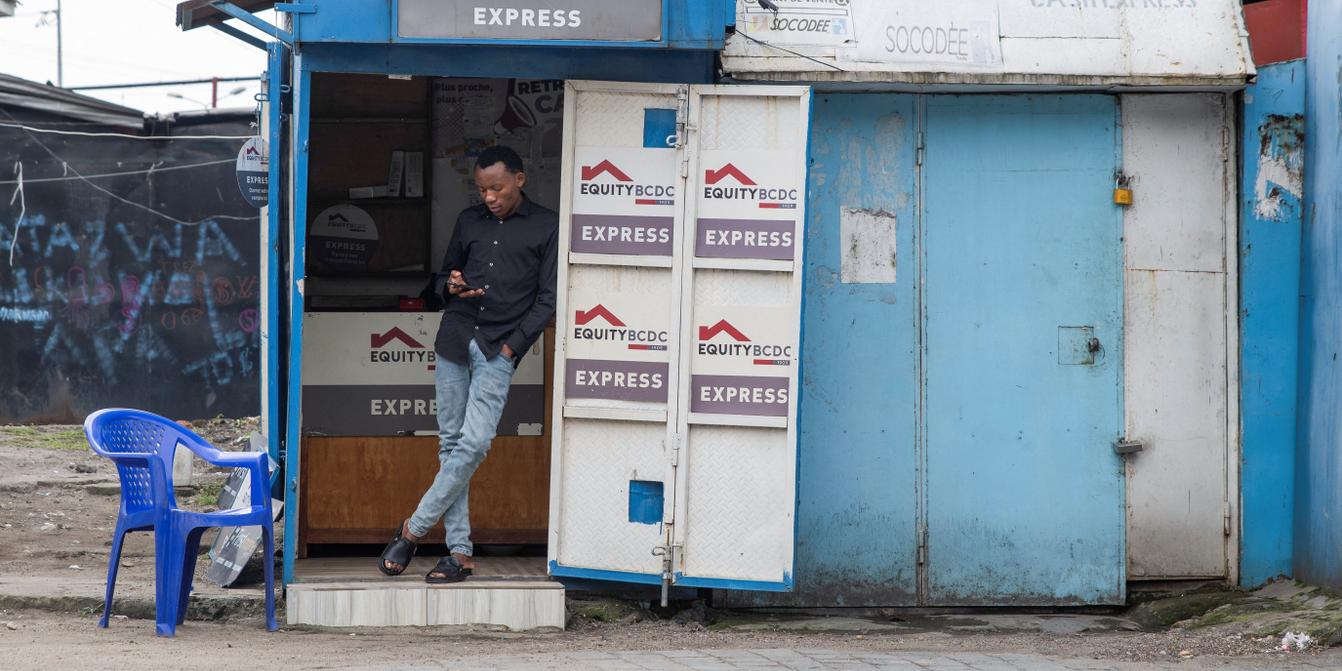
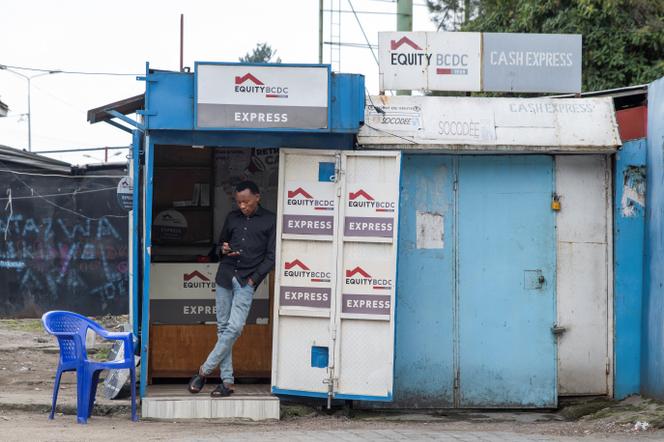 Image: Le MondeUne boutique proposant des services bancaires en ligne et le paiement mobile, après la fermeture des banques consécutive à la prise de contrôle de Goma par les rebelles du M23. A Goma, en République démocratique du Congo, le 22 janvier 2026.ARLETTE BASHIZI/REUTERS (ARLETTE BASHIZI/REUTERS) Source Full size
Commissioner Lahbib’s Feb 20 Mission Targets Humanitarian Relief The European commissioner arrived in Goma on 20 February 2026, marking the first high‑level EU visit since the city fell to M23 rebels. Her primary objective was to negotiate safe corridors for humanitarian aid and to coordinate the delivery of relief supplies. The trip underscores the EU’s renewed diplomatic focus on the crisis in eastern Congo [1].
M23 Rebels Have Governed Goma for Over One Year The Alliance Fleuve Congo‑Mouvement du 23 mars seized Goma on 28 January 2025, and the rebel flag continues to fly over the city. This administration represents the third rebel‑run government since the conflict began, and many normal civic services have disappeared. Residents now live under a hybrid system of rebel authority and lingering state restrictions [1].
Bank Shutdowns Deepen Economic Crisis Under Rebel Rule Following the capture, Kinshasa ordered the closure of all banks in Goma and extended the ban to the entire AFC/M23‑controlled zone. The shutdown has left residents without access to cash, forcing many to rely on informal networks and barter. The economic strain compounds food insecurity and limits the ability of NGOs to distribute funds [1].
Humanitarian Workers Report Hidden Suffering Behind Normalcy Facade Aid workers describe a superficial appearance of normal life while underlying hardships intensify. Combat‑related trauma continues to affect the population, and many essential services have vanished. Rebel “revolutionary police” in yellow vests attempt to regulate traffic, but congestion and disorder persist, highlighting the fragile stability of daily life [1].
Timeline
28 Jan 2025 – M23 rebels capture Goma, raise the AFC/M23 flag over the city and establish a new rebel administration backed by Rwanda, initiating a year‑long occupation [2].
Late Jan 2025 – The central government in Kinshasa orders the closure of all banks in Goma and later extends the ban across the entire AFC/M23‑controlled zone, cutting off formal credit, savings protection and cash withdrawals [2].
Early 2025 – Goma’s international airport ceases operations following the rebel takeover, further isolating the city and hampering the flow of humanitarian aid [1].
2025‑2026 – The UN refugee agency estimates that more than seven million people are displaced across eastern Congo, making the conflict one of the world’s largest humanitarian emergencies [1].
2025‑2026 – Residents pay mobile‑money withdrawal fees up to 3.5 % after banks shut; Grace Omari (Chaumage) says the cost “pushes thousands into poverty” [1].
2025‑2026 – Espérance Mushashire, a 44‑year‑old mother of twelve, reports that customers have no money and her children are out of school, highlighting the deepening socioeconomic collapse [1].
2025‑2026 – Agathe Hanghi (Mugunga) claims rebels seized her remaining savings, illustrating personal asset loss under rebel rule [1].
2025‑2026 – Professor Deo Bengeya warns that without banks there is no credit, investment or savings protection, leading to falling purchasing power, reduced wages and rising unemployment, effectively paralyzing Goma’s economy [1].
2025‑2026 – An anonymous aid worker notes that “under the appearance of normality, there is much suffering here,” underscoring hidden trauma despite a façade of daily market activity [2].
2025‑2026 – AFC/M23 “revolutionary police” in yellow vests attempt to regulate minibuses and motorbike taxis, but streets remain congested and chaotic, reflecting weakened municipal authority [2].
27 Jan 2026 – One year after the offensive, M23 still dominates Goma; banks stay closed, the airport remains non‑operational, and the city’s market persists in a weakened state as residents continue to face severe hardship [1].
20 Feb 2026 – European Commissioner Hadja Lahbib arrives in Goma to negotiate the entry of humanitarian aid, marking the first high‑level EU visit since the rebel takeover and signaling a push to alleviate the crisis [2].
All related articles (2 articles)
External resources (3 links)
- https://www.unhcr.org/emergencies/dr-congo-emergency (cited 1 times)
- http://ap.org/ (cited 1 times)
- https://www.ap.org/about/standards-for-working-with-outside-groups/ (cited 1 times)