IRS Prepares for 2026 Tax Season With Record Filings, Higher Refunds, and Staffing Strain
Updated (8 articles)
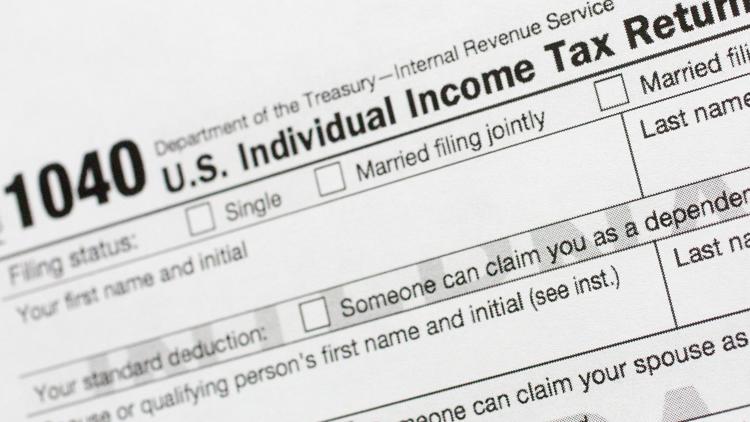

2026 filing season opens with 164 million expected returns The IRS announced that about 164 million individual returns will be filed by the April 15 deadline, mirroring recent years and continuing a trend of high electronic participation (94 % e‑filing) [1][2][4][5]. The season officially began in late January 2026, and the agency has readied its systems for the anticipated volume [4][5].
Average refund projected near $4,200 after new law Analysts estimate the average 2026 refund could rise to roughly $4,200, up from $3,167 in 2025, driven by the One Big Beautiful Bill’s tip and overtime relief and expanded deductions for seniors [1][2][4][5]. Standard deductions increase to $31,500 for joint filers, $23,625 for heads of household, and $15,750 for singles, reflecting inflation indexing [4][5]. Treasury Secretary Scott Bessent linked the larger refunds to these statutory changes [4][5].
Staff cuts raise concerns about service capacity The IRS workforce shrank by 27 % to about 74,000 employees by the end of 2025, down from roughly 102,000 at the start of the year, prompting warnings from National Taxpayer Advocate Erin M. Collins about potential processing delays [3][1]. Treasury Inspector General flagged backlogs and staffing levels comparable to 2021, while IRS CEO Frank Bisignano asserted the agency is “well‑prepared” despite turnover [3].
Refund timelines set but credit dates differ Electronic refunds are slated for delivery within 21 days, with direct deposit accelerating payment; paper returns may take four weeks or more [1][2][4][5]. The IRS expects Earned Income Tax Credit and Additional Child Tax Credit refunds by March 2, 2026, though the AP notes early deposit projections as early as Feb. 21 for some filers [2][1][4][5]. Paper checks are being phased out after Sept. 30 per an executive order [2][4][5].
Online tools provide real‑time status updates Filers can track refunds through the “Where’s My Refund?” portal, the IRS2Go mobile app, or an Individual Online Account, with status updates typically available within 24 hours of e‑filing [2][4][5]. These platforms require a Social Security number or ITIN for access and help mitigate concerns about staffing‑related service gaps [2][3].
Sources
-
1.
WBNS: When 2026 Tax Refunds Will Arrive: Details projected 164 million filings, $4,200 average refund, 21‑day e‑refund timeline, and March 2 credit deposits, while highlighting staffing reductions .
-
2.
AP: Tax Season 2026: Filing Numbers, Refund Timelines and Credit Details: Provides filing forecasts, refund estimates, staff‑cut warnings, and notes early credit deposit dates (Feb. 21) alongside online tracking tools .
-
3.
Newsweek: IRS warns of tougher 2026 filing season amid staff cuts and new tax law: Emphasizes 27 % workforce decline, leadership comments from Frank Bisignano and Scott Bessent, and potential processing strain from the One Big Beautiful Bill .
-
4.
WBNS: 2026 Tax Season Begins with New Refund Rules and Higher Deductions: Announces launch of the season, new deduction amounts, $4,200 refund outlook, and March 2 credit schedule, stressing direct‑deposit preference .
-
5.
King5: 2026 Tax Filing Season Begins with New Refund Rules and Deductions: Mirrors WBNS on filing volume, new tax provisions for tips/overtime/seniors, 21‑day refund window, and March 2 credit deadline, highlighting Treasury Secretary Bessent’s optimism .
Timeline
Early 2025 (Jan – Apr) – The 2025 filing season processes more than 165 million individual returns, 94 % e‑filed, with an average refund of $3,167 and only 3.6 million taxpayers facing delays, showing a smooth season despite looming staffing concerns [1].
Summer 2025 – President Donald Trump signs the One, Big, Beautiful Bill, adding tip and overtime relief and new deductions for qualifying seniors, provisions that will take effect for the 2025 tax year and reshape credits and deductions [5].
June 2025 – The National Taxpayer Advocate’s watchdog report documents the IRS workforce falling from 102,113 to 75,702 employees, a 26 % drop that raises alarms about capacity for the upcoming filing season [3].
End of 2025 – The IRS workforce shrinks to about 74,000 staff, a 27 % reduction from the start of the year, intensifying pressure on customer service and case processing [1].
Sept 30 2025 – An executive order phases out paper refund checks, requiring most refunds to be issued via direct deposit or debit cards to modernize federal payments [5][7].
Jan 26 2026 – The IRS opens the 2026 filing season, beginning acceptance of 2025 tax returns and announcing an April 15 deadline, while expecting roughly 164 million individual returns, most filed electronically [3][6][8].
Jan 26 – Apr 15 2026 – The agency projects that 164 million taxpayers will file by the deadline, and that e‑filed refunds will be issued within 21 days (direct deposit faster), while paper returns may take four weeks or more [2][4][5][7].
2026 season – Analysts estimate the average refund will rise to about $4,200, roughly $1,000 higher than the prior year, due to the One, Big, Beautiful Bill’s new credits and higher standard deductions [2][4][5].
Mar 2 2026 – Refunds for the Earned Income Tax Credit and Additional Child Tax Credit are slated to appear in bank accounts or on debit cards for direct‑deposit filers, with some receiving funds earlier depending on banks [2][4][5][7].
2025–2026 – National Taxpayer Advocate Erin M. Collins warns that the 27 % workforce cut and extensive retroactive tax‑law changes could strain processing, but notes that e‑filers with direct deposit and no IRS flags should see quick refunds [1].
2025–2026 – IRS CEO Frank Bisignano asserts the agency is “well‑prepared,” with updated information systems ready for the new laws, while Treasury Secretary Scott Bessent promises “substantial tax refunds” under the new legislation [1][3][6][8].
2025–2026 – The Treasury Inspector General for Tax Administration flags unprocessed returns and backlogged correspondence, warning that staffing levels comparable to 2021 may hinder the agency’s ability to meet 2026 demand [1].
2025–2026 – The Department of Government Efficiency, led by Elon Musk, drives planned layoffs and buyouts that remove tens of thousands of tax workers, a factor cited by watchdogs as a major risk to filing‑season operations [3][6][8].
All related articles (8 articles)
-
WBNS (Columbus, OH): When 2026 Tax Refunds Will Arrive
-
AP: Tax Season 2026: Filing Numbers, Refund Timelines and Credit Details
-
Newsweek: IRS warns of tougher 2026 filing season amid staff cuts and new tax law
-
WBNS (Columbus, OH): 2026 Tax Season Begins with New Refund Rules and Higher Deductions
-
King5 (Seattle, WA): 2026 Tax Filing Season Begins with New Refund Rules and Deductions
-
AP: IRS opens 2026 filing season Jan. 26 as watchdogs warn staffing cuts and law changes could complicate processing
-
WBNS (Columbus, OH): IRS sets Jan. 26 start for 2026 filing season as new tax law changes and staffing questions loom
-
King5 (Seattle, WA): IRS sets Jan. 26 start for 2026 filing season; new tax-law changes and staffing worries loom
External resources (9 links)
- https://www.irs.gov/newsroom/one-big-beautiful-bill-provisions (cited 7 times)
- https://www.irs.gov/wheres-my-refund (cited 4 times)
- https://www.irs.gov/credits-deductions/individuals/earned-income-tax-credit/use-the-eitc-assistant (cited 2 times)
- https://www.irs.gov/help/irs2goapp (cited 2 times)
- https://www.irs.gov/newsroom/irs-releases-tax-inflation-adjustments-for-tax-year-2026-including-amendments-from-the-one-big-beautiful-bill (cited 2 times)
- https://www.irs.gov/payments/online-account-for-individuals (cited 2 times)
- https://www.taxpayeradvocate.irs.gov/ (cited 1 times)