Russia Threatens Nuclear Targeting of Estonia as NATO Weapon Debate Intensifies During Four‑Year Ukraine Conflict
Updated (16 articles)
-
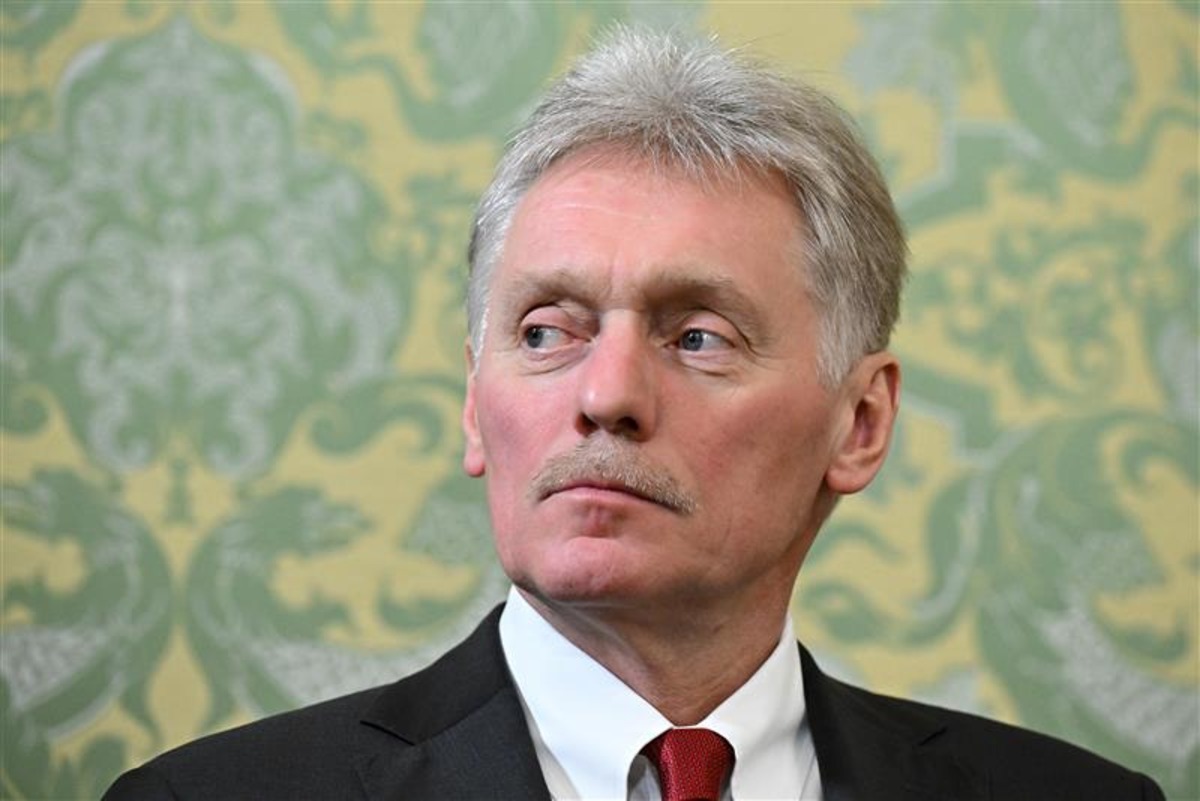 Image: NewsweekKremlin spokesman Dmitry Peskov waits before a meeting between Russian President Vladimir Putin and President of Madagascar Michael Randrianirina at the Kremlin in Moscow, Russia, on February 19, 2026. This image was provided to AP by a third party and could not be independently verified. Source Full size
 -
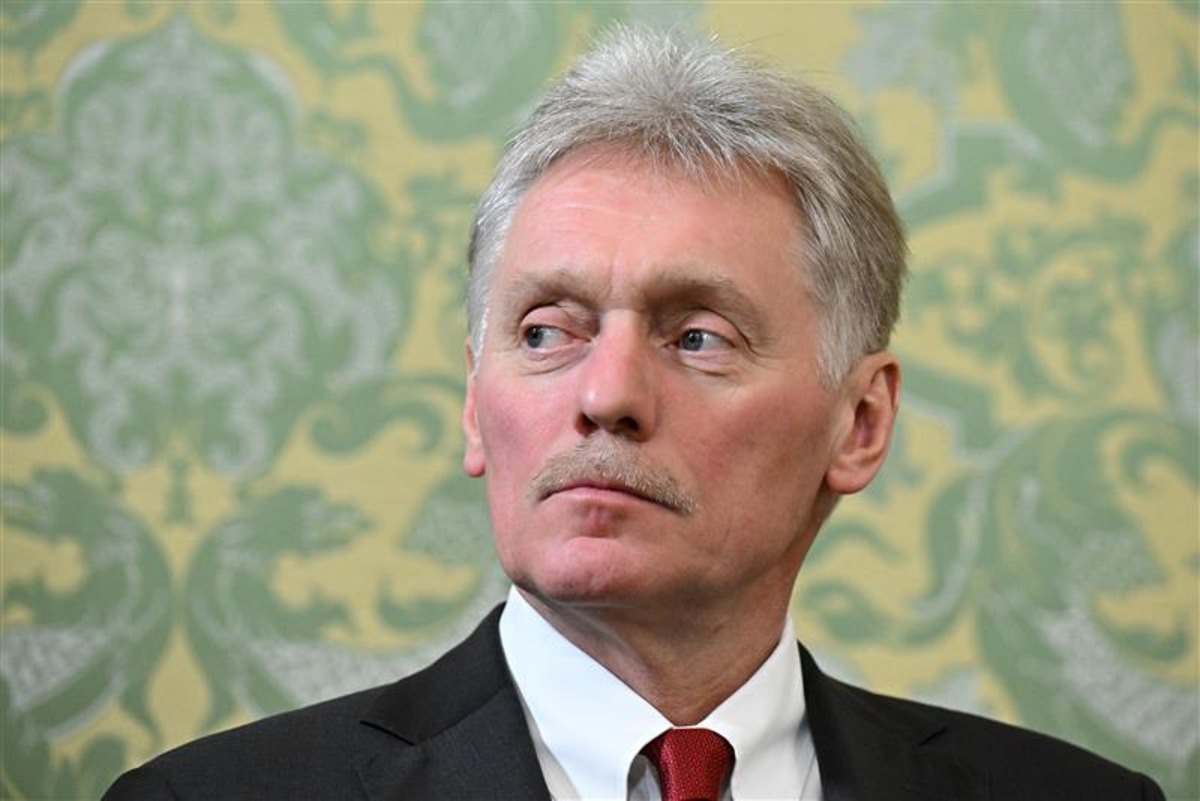 Image: NewsweekKremlin spokesman Dmitry Peskov waits before a meeting between Russian President Vladimir Putin and President of Madagascar Michael Randrianirina at the Kremlin in Moscow, Russia, on February 19, 2026. This image was provided to AP by a third party and could not be independently verified. Source Full size
Russia Issues Nuclear Threat Over Potential NATO Weapons in Estonia Kremlin spokesman Dmitry Peskov warned that any deployment of NATO nuclear weapons on Estonian soil would prompt Russia to aim its own nuclear arsenal at Estonia, a statement reported on 23 February 2026 [2]. Estonian Foreign Minister Margus Tsahkna said the country would not oppose such a deployment if NATO deemed it necessary, though the defence ministry declined comment and no concrete plans exist [2]. The threat echoes Russia’s 2023 relocation of tactical nukes to Belarus and highlights the heightened stakes of NATO’s ongoing discussions about stationing nuclear weapons in member states [2].
Ukraine War Drives Drone‑Centric Tactics and Civilian Hardship By late 2023 Ukraine began filling infantry gaps with attack drones, while Russia fielded sensor‑equipped drones that detonate on passing troops, accelerating a battlefield revolution [1]. Front‑line officers report exhaustion and inexperienced commanders, and civilians such as Yulia endure daily drone strikes and displacement, underscoring the war’s human toll [1]. These developments have forced Western militaries to scramble for counter‑drone measures, reshaping combat doctrines across the globe [1].
Europe Commits to Higher Defence Spending Despite Political Reluctance NATO members have pledged defence budgets equal to 5 % of GDP for the next nine years, a commitment that outlasts many current leaders [1]. Centrist leaders in the United Kingdom, France and Germany resist raising spending, yet the collective pledge signals a shift in Europe’s defence posture amid strained alliance dynamics [1]. This budgetary resolve aims to address the security vacuum created by the protracted conflict and Russia’s aggressive posturing [1].
U.S. Strategy Shifts Toward Selective Alliances Under Trump The Trump administration’s National Security Strategy references “other great powers separated by vast oceans,” indicating a retreat from worldwide supremacy and a focus on ideologically aligned allies [1]. Limited sanctions, two brief energy‑infrastructure ceasefires, and stalled diplomatic talks at the Munich Security Conference illustrate the administration’s constrained engagement [1]. This strategic pivot reshapes the United States’ role in global security and influences NATO’s collective response to Russian threats [1].
Sources
-
1.
CNN: Four Years Into Russia’s War, Conflict Redefines Warfare and Global Security – Provides a comprehensive analysis of how the four‑year Ukraine war has transformed combat tactics, European security, NATO budgeting, and U.S. strategic posture, emphasizing drone proliferation and civilian fatigue .
-
2.
Newsweek: Russia Threatens Nuclear Targeting of Estonia as NATO Weapon Talks Intensify – Details Russia’s explicit nuclear targeting warning toward Estonia, Estonia’s conditional openness to NATO nuclear deployment, and the broader NATO debate on tactical nuclear weapons, highlighting historical and legal contexts .
Videos (1)
Timeline
2021 – Poland endures a hybrid war with Russia, confronting drone incursions, disinformation and cyber attacks that drive its defence spending toward ≈5 % of GDP and shape its security posture [1].
Late 2023 – Ukraine fields attack drones to fill infantry gaps, sparking a rapid battlefield revolution; Russia counters with sensor‑equipped kamikaze drones, reshaping combat dynamics across the front [4].
2023 – Russia stations tactical nuclear weapons in Belarus, expanding its forward‑deployed nuclear posture and raising escalation risks for NATO’s eastern flank [6].
June 2025 – NATO members adopt a Hague‑summit pledge to raise defence spending to 5 % of GDP by 2035, a target driven by perceived Russian threats and championed by Donald Trump [2].
Oct 2025 – A Finnish court dismisses charges against the crew of the Eagle S tanker, highlighting legal hurdles that complicate NATO’s response to Russia’s “shadow‑fleet” sabotage operations [15].
Dec 1, 2025 – NATO’s military chief Admiral Giuseppe Cavo Dragone signals that the alliance is weighing pre‑emptive strike options; Moscow’s foreign ministry calls the stance “extremely irresponsible” and warns of escalation [15].
Dec 2, 2025 – President Vladimir Putin declares Russia ready to confront NATO members if Europe initiates hostilities, while Kremlin spokesman Dmitry Peskov says Moscow lacks dialogue with Europe, underscoring heightened tension [14].
Dec 7, 2025 – The United States releases a 33‑page National Security Strategy that Russia says is “largely consistent” with Moscow’s vision; Dmitry Medvedev welcomes the document as opening a dialogue window [3][13].
Dec 11, 2025 – NATO Secretary‑General Mark Rutte warns that Russia could target NATO allies within five years, urges a swift move to the 5 % GDP defence target, and credits former President Trump with initiating Russia‑Ukraine talks; the same day President Zelensky convenes a “Coalition of the Willing” video conference amid Trump’s push for territorial concessions [5][12].
Dec 16, 2025 – The EU freezes Russian‑owned assets indefinitely, launches a two‑year €90 billion loan to Ukraine, and sets a goal to achieve autonomous European defence by 2030, while the Trump administration pressures NATO allies to meet the 5 % GDP spending benchmark by 2035 [16].
Dec 22, 2025 – Deputy Foreign Minister Sergey Ryabkov warns that NATO and Russia are edging toward direct conflict between nuclear powers, labeling the trajectory “catastrophic” and singling out Britain and France as especially aggressive [10].
Dec 24, 2025 – European security officials urge the continent to prepare for possible war with Russia, citing a shift away from reliance on U.S. protection; the Pentagon simultaneously drafts plans to downgrade major U.S. headquarters, including EUCOM, reflecting a recalibration of American force posture in Europe [9].
Dec 28, 2025 – Foreign Minister Sergey Lavrov claims Europe prepares for war with Russia ahead of a planned Trump‑Zelensky meeting in Florida; NATO reiterates its 5 % defence‑spending goal, German Chancellor Friedrich Merz declares Europe is “no longer at peace,” and Russia continues to allocate >7 % of its GDP to the military [8].
Jan 14, 2026 – Polish President Andrzej Nawrocki tells the BBC that Donald Trump is the only world leader capable of stopping Vladimir Putin, thanks Britain for RAF Typhoon support, and references the extraordinary September 2025 drone incursion that tested Poland’s NATO defences [1].
Jan 15, 2026 – Sergey Karaganov warns that a defeated Russia could unleash nuclear strikes on Europe, while former President Trump says Putin is ready to negotiate and Kremlin spokesman Dmitry Peskov concurs; the discussion also highlights NATO’s contentious push to place nuclear weapons in Greenland, raising fears of the island falling under Chinese or Russian influence [7].
Feb 22‑23, 2026 – Kremlin spokesperson Dmitry Peskov threatens to target Estonia with Russian nuclear weapons if NATO stations nuclear arms on Estonian soil, and Estonian Foreign Minister Margus Tsahkna says the country would not oppose such deployment, signaling a potential expansion of NATO’s nuclear posture in the Baltics [6].
Feb 24, 2026 – Analysts note that four years of war have reshaped global warfare, with drones dominating the battlefield, NATO members locked into a 5 % GDP defence commitment through 2034, and the Trump administration’s National Security Strategy signalling a retreat from worldwide U.S. leadership toward selective, ideologically aligned allies [4].
Future/Planned
2027 (expected) – Poland hopes to receive an invitation to the Britain‑hosted G20 summit, reflecting its desire for greater global diplomatic standing [1].
2030 (target) – The European Union aims to achieve a self‑defence capability that can repel external attacks without U.S. assistance, marking a strategic shift toward strategic autonomy [16].
2035 (target) – NATO allies plan to meet the 5 % of GDP defence‑spending benchmark set at the 2025 Hague summit and reinforced by U.S. pressure under Trump’s administration [2][16].
Future (unspecified) – Estonia indicates willingness to host NATO nuclear weapons if the alliance deems it necessary, opening the possibility of a new nuclear‑sharing arrangement in the Baltic region [6].
Future (unspecified) – Poland explores developing its own nuclear defence options, echoing former President Andrzej Duda’s suggestion that the country could host American tactical nuclear weapons [6].
Dive deeper (7 sub-stories)
-
Four Years Into Russia‑Ukraine War, Drones Redefine Battlefields and Europe Shifts Defense Strategy
(2 articles)
-
Newsweek: Russia Threatens Nuclear Targeting of Estonia as NATO Weapon Talks Intensify
-
Karaganov Threatens Nuclear Strike on Europe as Ukraine Peace Talks Stall
(2 articles)
-
BBC: Nawrocki says Trump is only leader able to stop Putin, in BBC interview
-
Europe Prepares for Possible War with Russia as Trump‑Zelensky Talks Approach
(6 articles)
-
Russia Praises U.S. National Security Strategy as “Largely Consistent” With Moscow’s Vision
(2 articles)
-
Putin Warns Russia Will Counter NATO If Europe Initiates Conflict, NATO Mulls Pre‑emptive Strikes
(2 articles)
All related articles (16 articles)
-
CNN: Four Years Into Russia’s War, Conflict Redefines Warfare and Global Security
-
Newsweek: Russia Threatens Nuclear Targeting of Estonia as NATO Weapon Talks Intensify
-
Newsweek: Putin ally warns Europe could face nuclear destruction if Russia is defeated as peace talks stall
-
BBC: Nawrocki says Trump is only leader able to stop Putin, in BBC interview
-
Newsweek: Europe braces for potential war with Russia as Trump talks loom, Kremlin says
-
Newsweek: Europe urged to defend itself as US shifts burden and NATO spending rises
-
Newsweek: Russia warns NATO of catastrophic consequences as nuclear tensions rise
-
BBC: Nato spending pledge is Trump's biggest foreign policy success, Rutte tells BBC
-
Newsweek: NATO Confronts Russia’s Expanding Hybrid Warfare
-
AP: Europe Faces New Reality Without Reliable U.S. Support
-
CNN: NATO Chief Warns Europe of Possible Russian Targeting, Calls for Rapid Defense Spending
-
Newsweek: NATO Warns of Russia Threat; Ukraine Urges Support Amid Trump Pressure
-
Newsweek: Russia Welcomes Donald Trump’s New US National Security Strategy
-
BBC: US security strategy aligns with Russia's vision, Moscow says update
-
Newsweek: Putin Signals Russia Ready to Respond to European Attack
-
Newsweek: Russia Responds to NATO’s Consideration of Pre‑emptive Strikes
External resources (9 links)
- https://www.youtube.com/watch?v=zK4gfhWXs-U&t=3049s (cited 1 times)
- https://www.ap.org/news-highlights/spotlights/2025/higher-us-tariffs-part-of-the-price-europe-was-willing-to-pay-for-its-security-and-arms-for-ukraine/ (cited 1 times)
- https://www.reuters.com/world/europe/trump-says-zelenskiy-not-putin-is-holding-up-ukraine-peace-deal-2026-01-15/ (cited 1 times)
- https://www.washingtonpost.com/national-security/2025/12/15/military-command-plan-caine-hegseth/ (cited 1 times)
- https://www.wsj.com/world/europe/after-a-generation-of-peace-europe-tells-its-people-to-prepare-for-war-ba2a1a88 (cited 1 times)
- https://LONDON%20_%20Russian%20President%20Vladimir%20Putin%E2%80%99s%20determination%20to%20export%20chaos%20around%20the%20world%20is%20rewriting%20the%20rules%20of%20conflict,%20the%20new%20head%20of%20the%20MI6%20spy%20agency%20warned%20Monday.%20Blaise%20Metreweli%20was%20using%20her%20first%20public%20speech%20as%20chief%20of%20the%20U.K.%E2%80%99s%20foreign%20intelligence%20service%20to%20say%20that%20Britain%20faces%20increasingly%20unpredictable%20and%20interconnected%20threats.%20%E2%80%9CThe%20export%20of%20chaos%20is%20a%20feature%20not%20a%20bug%20in%20the%20Russian%20approach%20to%20international%20engagement,%20and%20we%20should%20be%20ready%20for%20this%20to%20continue%20until%20Putin%20is%20forced%20to%20change%20his%20calculus,%E2%80%9D%20she%20will%20say%20according%20to%20the%20Foreign%20Office,%20which%20oversees%20MI6.%20The%20MI6%20chief,%20known%20as%20C,%20is%20the%20only%20employee%20of%20the%20secretive%20agency%20whose%20name%20is%20made%20public.%20Metreweli,%20who%20took%20over%20from%20Richard%20Moore%20at%20the%20end%20of%20September,%20was%20previously%20the%20MI6%20director%20of%20technology%20and%20innovation%20%E2%80%94%20the%20real-world%20equivalent%20of%20the%20fictional%20James%20Bond%20gadget-master%20Q.%20She%20plans%20to%20say%20that%20technological%20savvy%20and%20human%20intelligence%20are%20both%20key%20to%20combating%20hybrid%20threats,%20and%20MI6%20officers%20%E2%80%9Cmust%20be%20as%20comfortable%20with%20lines%20of%20code%20as%20we%20are%20with%20human%20sources,%20as%20fluent%20in%20Python%20as%20we%20are%20in%20multiple%20languages.%E2%80%9D%20The%20speech%20is%20the%20latest%20in%20a%20series%20of%20warnings%20by%20Western%20defense%20and%20security%20authorities%20about%20the%20growing%20hybrid%20threat%20from%20states%20such%20as%20Russia,%20Iran%20and%20China%20whose%20use%20of%20cyber%20tools,%20espionage%20and%20influence%20operations%20they%20say%20threatens%20global%20stability.%20Last%20week%20the%20U.K.%20imposed%20sanctions%20on%20several%20Russian%20media%20outlets%20for%20alleged%20information%20warfare%20and%20two%20Chinese%20tech%20firms%20for%20%E2%80%9Cvast%20and%20indiscriminate%20cyber-activities.%E2%80%9D%20Metreweli%20is%20the%20first%20woman%20to%20hold%20the%20post%20since%20MI6%20was%20founded%20in%201909.%20%20Britain%E2%80%99s%20two%20other%20main%20intelligence%20agencies%20have%20already%20shattered%20the%20spy%20world%E2%80%99s%20glass%20ceiling.%20MI5,%20the%20domestic%20security%20service,%20was%20led%20by%20Stella%20Rimington%20from%201992%20to%201996%20and%20Eliza%20Manningham-Buller%20between%202002%20and%202007.%20Anne%20Keast-Butler%20became%20head%20of%20electronic%20and%20cyber-intelligence%20agency%20GCHQ%20in%202023.%20(jl)/ (cited 1 times)
- https://abrahamventure.com/ (cited 1 times)
- https://archive.ph/uAmRK (cited 1 times)
- https://www.amazon.com/Path-Abraham-Donald-East-Unmaking/dp/1637583095 (cited 1 times)