House Republicans Advance “Make Elections Great Again” Bill After Trump Calls for Nationalized Voting
Updated (3 articles)
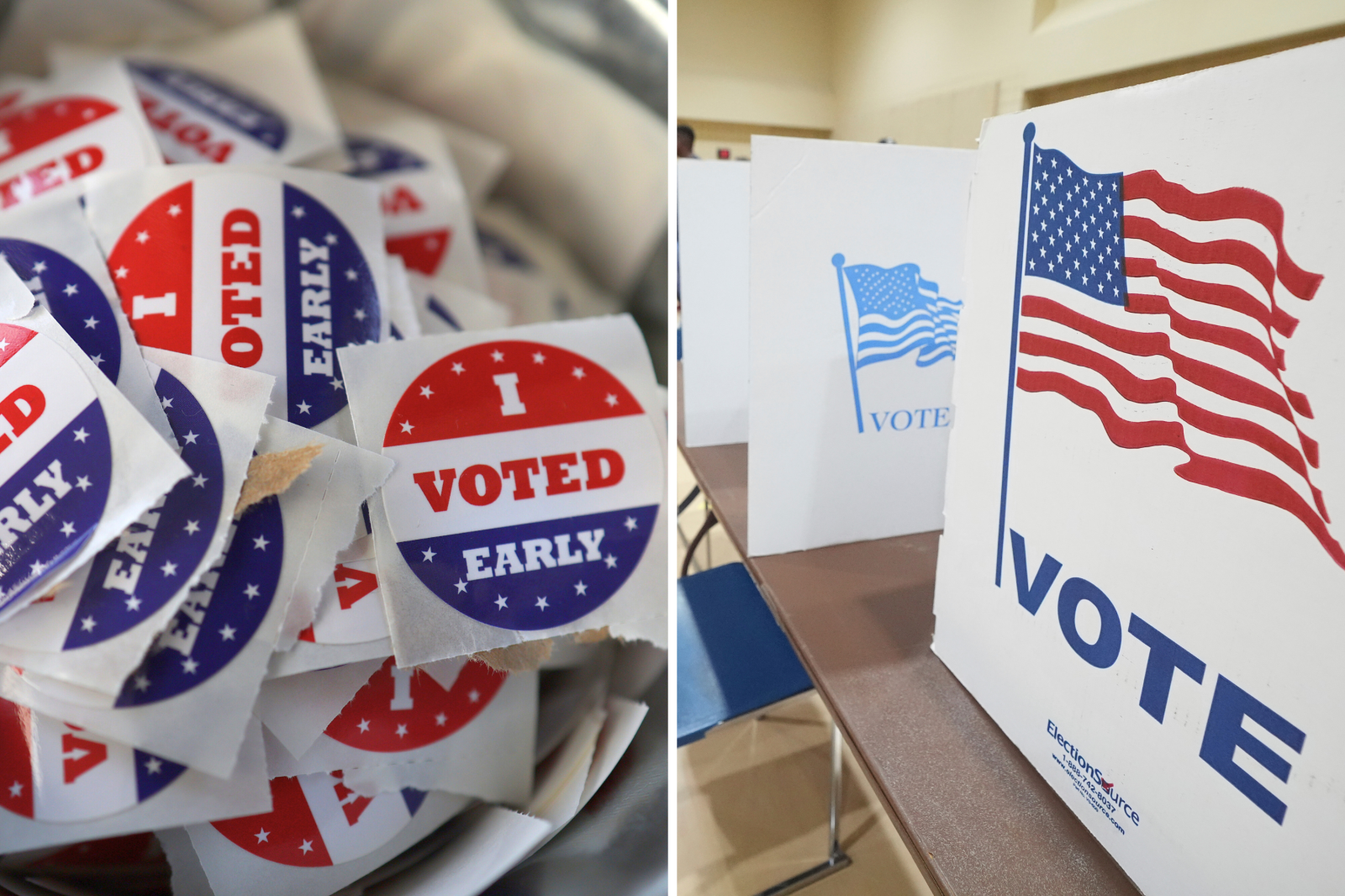
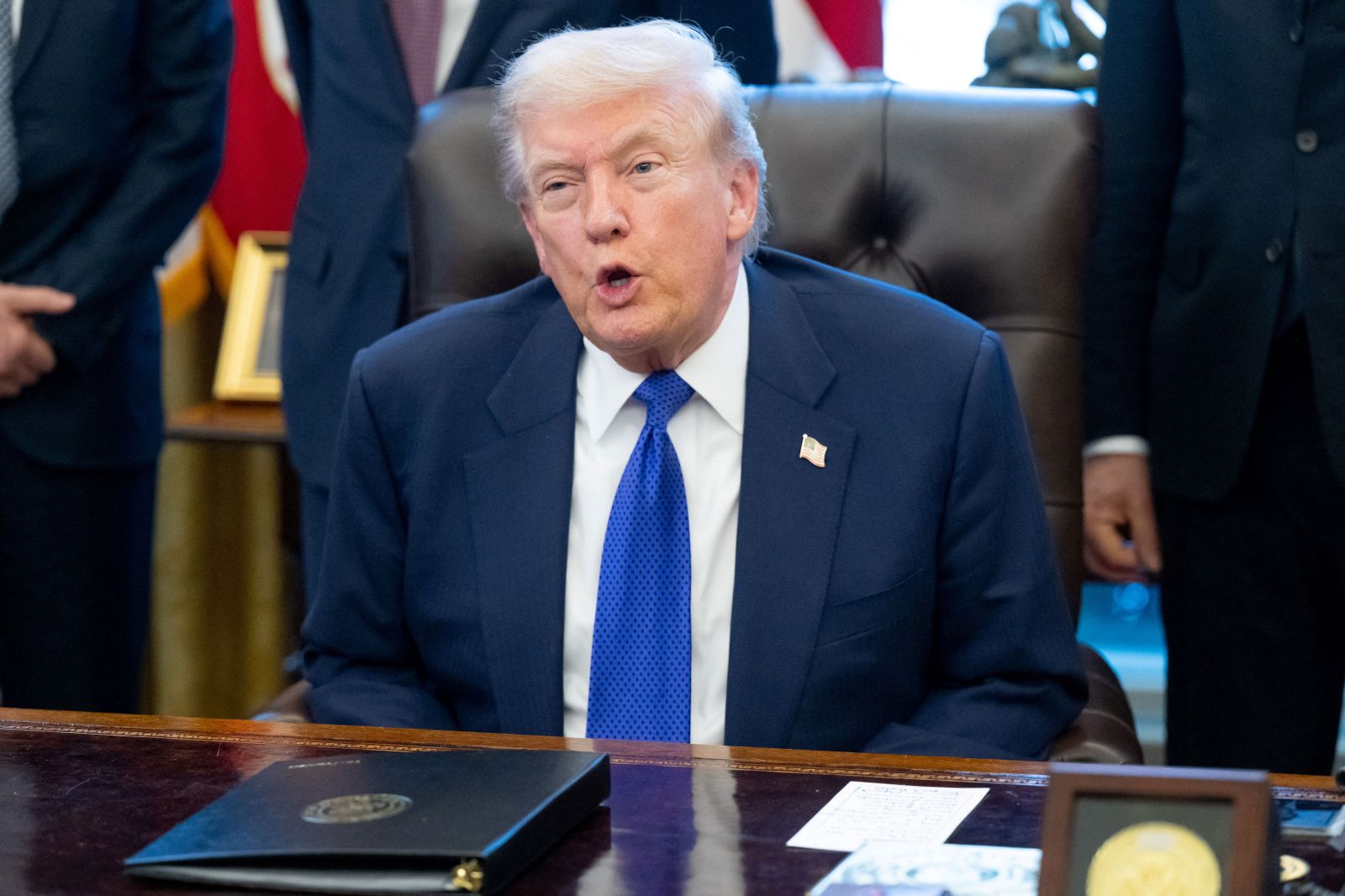
Bill Introduction and Legislative Mechanics Rep. Bryan Steil, chair of the House Administration Committee, filed H.R. 7300, the 120‑page “Make Elections Great Again” (MEGA) Act, during a Friday pro‑forma session and posted the full text on Congress.gov [1][3]. The measure sets a federal baseline for elections, mandating auditable paper ballots for all federal contests and linking compliance to federal election funding [3]. It also requires states to refresh voter rolls every 30 days and to provide a single, statewide computerized voter list [1][3].
Core Voting Restrictions Enshrined in the Proposal The MEGA Act obliges voters to present a government‑issued photo ID and forces states to verify citizenship at registration beginning in 2027 [1][3]. It bans universal vote‑by‑mail, eliminates ranked‑choice voting in federal races, and demands that mail‑in ballots be received by the close of polls on Election Day, except for overseas military voters [1][3]. Additional provisions include mandatory paper ballots this fall and penalties for jurisdictions that fail to share fraud‑related data with the attorney general [3].
Republican Backing Swells Following Trump’s “Nationalize” Appeal After President Donald Trump urged Republicans on “The Dan Bongino Show” to “nationalize” elections in at least fifteen jurisdictions, 14 new GOP members—including Byron Donalds and Claudia Tenney—joined the bill, bringing total co‑sponsors to 38 [2][1]. Trump framed the legislation as a defense against “crooked systems and illegal voting,” aligning his agenda with the MEGA Act’s restrictions [1][2]. Senate Majority Leader Chuck Schumer denounced the nationalization concept as “outlandishly illegal,” signaling bipartisan resistance in the upper chamber [2].
Democratic Opposition and Uncertain Passage House Democrats, led by Rep. Joe Morelle, label the bill disenfranchising and pledge to block it, warning that the citizenship‑proof requirement could affect roughly 21 million voters [3][1]. Schumer’s criticism of Trump’s proposal and the parallel SAVE America Act underscores Senate Democrats’ uniform opposition [2]. With a narrowly divided Congress and upcoming 2026 midterms, the MEGA Act’s prospects remain unclear despite strong House Republican support [1][2].
Sources
-
1.
Newsweek: Republican‑Led MEGA Act Proposes Federal Voting Rules Amid Congressional Divide: Details the bill’s provisions, 38 Republican co‑sponsors, and Trump’s alignment with the legislation, while noting Democratic concerns and uncertain legislative fate .
-
2.
Newsweek: GOP Election Bill Gains Momentum After Trump Calls for “Nationalize” Voting: Highlights the surge of 14 new co‑sponsors after Trump’s call, outlines the same voting restrictions, and records Senate leader Schumer’s condemnation .
-
3.
AP: House Republicans Unveil “Make Elections Great Again Act” Ahead of Midterms: Provides a comprehensive overview of the 120‑page bill’s ID and citizenship requirements, roll‑refresh mandates, and the partisan split framing its introduction .
Timeline
2020 – President Donald Trump repeatedly claims the 2020 presidential election was “rigged” and “stolen,” fueling a nationwide push for stricter voting rules that later shape Republican legislative efforts [3].
2024 – Federal agents raid Fulton County, Georgia’s election headquarters, a high‑profile action that underscores the Trump administration’s aggressive stance on election oversight [3].
2024 – The Trump administration issues an executive order mandating proof of citizenship for voters, laying groundwork for the citizenship‑verification provisions later embedded in the MEGA Act [3].
Jan 29, 2026 – House Republicans unveil the 120‑page “Make Elections Great Again Act” (MEGA Act), proposing nationwide voter photo ID, citizenship verification, bans on universal vote‑by‑mail and ranked‑choice voting, and immediate paper‑ballot requirements [3].
Jan 2026 (Fall 2026) – The bill mandates that all states use auditable paper ballots for federal contests this fall, a step the GOP frames as enhancing election integrity [3].
Jan 2026 – The legislation requires voter rolls to be refreshed every 30 days beginning this year, with non‑compliant states facing potential loss of federal election funding [3].
Early Feb 2026 – On “The Dan Bongino Show,” Trump urges Republicans to “nationalize” elections in at least fifteen jurisdictions, describing the effort as a response to alleged 2020 fraud [2].
Feb 3, 2026 – Fourteen new Republicans, including Byron Donalds and Claudia Tenney, join as co‑sponsors, bringing total support to 38 as Rep. Bryan Steil formally introduces H.R. 7300 during a House pro‑forma session [2][1].
Feb 3, 2026 – Senate Majority Leader Chuck Schumer condemns Trump’s “nationalize” proposal as “outlandishly illegal” and declares the companion SAVE America Act “dead on arrival” in the Senate [2].
Feb 3, 2026 – The MEGA Act’s text, posted on Congress.gov, outlines voter‑photo‑ID requirements, citizenship checks beginning 2027, bans on universal vote‑by‑mail and ranked‑choice voting, and a single statewide computerized voter list [1][2].
Feb 3, 2026 – The bill threatens states that fail to share fraud‑related information with the Attorney General with penalties and possible loss of federal election funding in 2026 [1].
2026 (Nov) – The upcoming 2026 midterm elections create a politically charged backdrop, making the bill’s passage uncertain as Democrats historically oppose similar voter‑restriction measures [1].
2027 – If enacted, the citizenship‑verification requirement for voter registration takes effect, marking the final implementation phase of the MEGA Act’s core provisions [1][2].
External resources (5 links)
- http://www.congress.gov/bill/119th-congress/house-bill/7300?s=1&r=5 (cited 1 times)
- https://steil.house.gov/media/press-releases/steil-introduces-election-reform-package (cited 1 times)
- https://steil.house.gov/sites/evo-subsites/steil.house.gov/files/evo-media-document/final-make-elections-great-again-act.pdf (cited 1 times)
- https://www.congress.gov/bill/119th-congress/house-bill/7300/cosponsors?s=1&r=1&q=%7B%22search%22%3A%22make+elections+great+again%22%7D (cited 1 times)
- https://www.congress.gov/bill/119th-congress/house-bill/7300/cosponsors?s=1&r=5 (cited 1 times)