Secretary of State Rubio Sends Lunar New Year Greetings as Fire Horse Begins
Updated (3 articles)

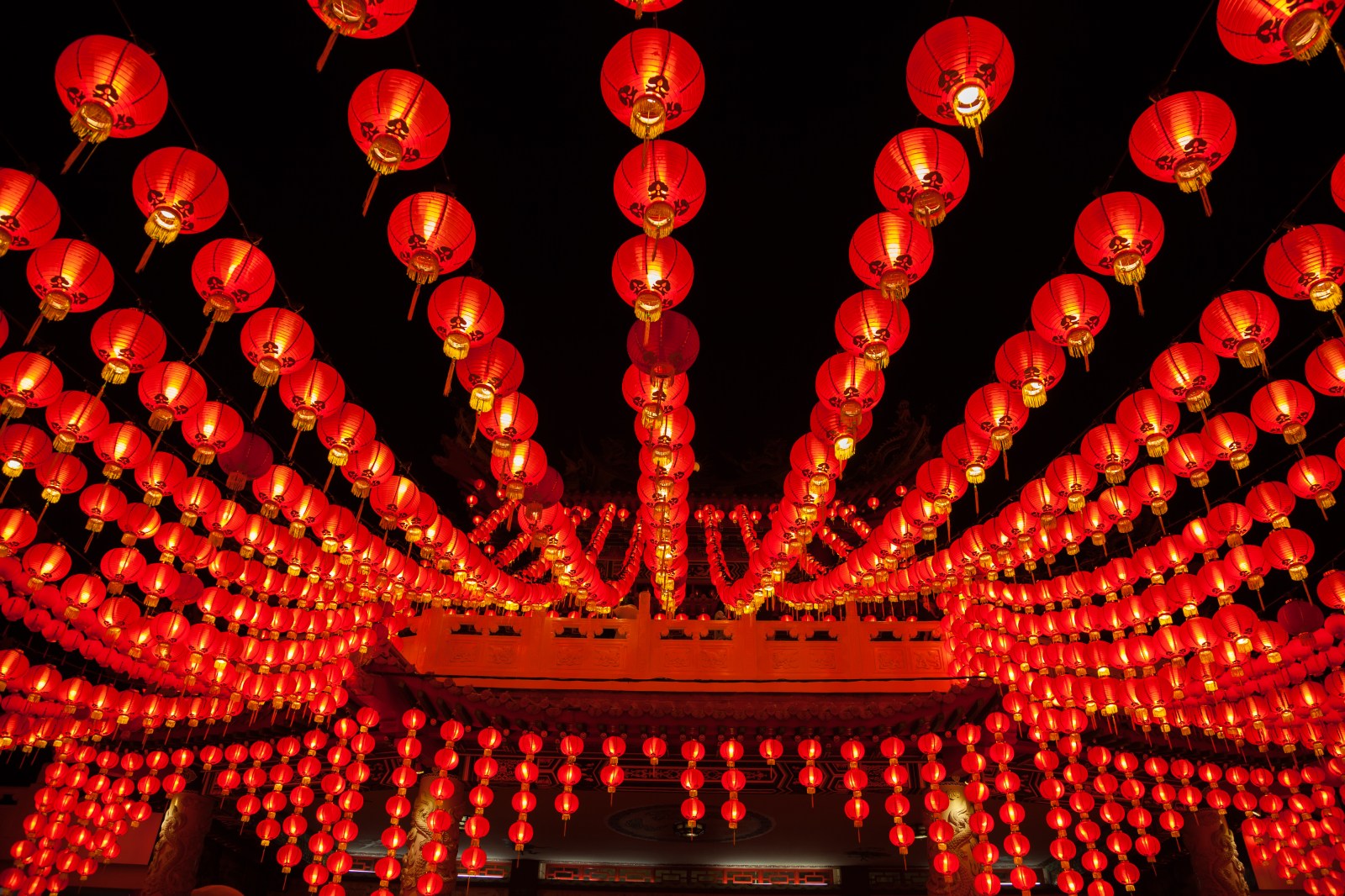
Lunar New Year Commences on Feb 17, 2026, Marking a 15‑Day Spring Festival The first new moon of the lunar calendar fell on February 17, 2026, launching the Spring Festival that will run for fifteen days and conclude with the Lantern Festival on March 3, the first full moon of the new year[2][3]. This year is designated the Year of the Fire Horse, pairing the fiery “Bing” stem with the “Wu” horse branch, a combination traditionally viewed as energetic and action‑oriented[2][3]. The holiday’s timing follows the lunar calendar rather than the Gregorian, causing annual date shifts between late January and February[2].
Customs Highlight Red Décor, Firecrackers, and Symbolic Reunion Meals Families sweep homes before the holiday, display red ornaments, and set off fireworks to scare away the mythic Nian beast, a practice shared across Chinese communities worldwide[2][3]. On New Year’s Eve (Feb 16) a reunion dinner features fish, dumplings, and puddings for prosperity, while elders hand out red envelopes often containing the lucky number 8[2][3]. Preparations begin on Feb 11 with the making of gao cakes, whose name sounds like “tall” and symbolizes growth[3].
Rubio Issues Official Lunar New Year Message While Meeting Orban On February 17, 2026, U.S. Secretary of State Marco Rubio released a press statement wishing health, happiness, and success to celebrants worldwide and highlighted the “Year of the Horse” as a time for family and hope[1]. The statement coincided with his joint press conference with Hungarian Prime Minister Viktor Orban in Budapest on February 16, captured in an EPA‑released photo[1]. Rubio’s remarks frame the holiday as an opportunity to reflect on the past and look forward to new opportunities[1].
South Korea Observes Seollal Holiday From Saturday Through Wednesday The Korean Lunar New Year, known locally as “Seollal,” began on Saturday and will continue through the following Wednesday, aligning with the broader regional celebrations[1]. The extended holiday underscores the cultural importance of family gatherings and traditional customs in South Korea during the Year of the Fire Horse[1]. Government offices and schools close for the duration, reflecting nationwide participation in the festivities[1].
Sources
-
1.
Yonhap: U.S. Secretary of State Marco Rubio Sends Lunar New Year Greetings: Details Rubio’s February 17 press statement wishing celebrants well, his reference to the Year of the Horse, and his meeting with Hungarian PM Viktor Orban on February 16, plus notes on South Korea’s Seollal holiday dates.
-
2.
Newsweek: 2026 Lunar New Year Begins Feb 17, Marked by Fire Horse Zodiac: Outlines the February 17 start, 15‑day duration ending with the Lantern Festival, explains the Fire Horse zodiac significance, and describes traditional customs such as cleaning, red décor, fireworks, family dinner, and red envelopes.
-
3.
CNN: Lunar New Year 2026: Year of the Fire Horse Marks Feb 17 Celebration: Provides the same start date and zodiac details, adds preparation dates (Feb 11 gao cakes), specifics of reunion dinner foods, and the March 3 Lantern Festival, emphasizing mythic Nian protection rituals.
Timeline
2026 – The Chinese zodiac assigns the heavenly stem “Bing” (big sun) and the earthly branch “Wu” (Horse) to the year, creating the rare Fire Horse combination that many believe shapes the year’s luck and character [1].
Feb 11, 2026 – Families begin Spring Festival preparations by making gao cakes and puddings, a tradition that uses the homophonous word for “tall” to symbolize growth and improvement [1].
Feb 14 – Feb 18, 2026 – South Korea observes the extended Lunar New Year holiday, Seollal, running from Saturday through Wednesday, marking a regional celebration parallel to the Chinese festivities [3].
Feb 16, 2026 – Households hold the reunion dinner on Lunar New Year’s Eve, serving fish for “surplus,” puddings for advancement, and gold‑ingot‑shaped dumplings, while elders hand out red envelopes containing cash with the lucky number 8 [2].
Feb 16, 2026 – U.S. Secretary of State Marco Rubio meets Hungarian Prime Minister Viktor Orban in Budapest, a diplomatic engagement highlighted in an EPA‑released photo [3].
Feb 17, 2026 – The Lunar New Year begins with the first new moon, launching a 15‑day Spring Festival that will run until the Lantern Festival on the first full moon [1][2].
Feb 17, 2026 – Rubio issues a press statement wishing “the warmest” Lunar New Year greetings, noting, “As we welcome the Year of the Horse, we honor the traditions and customs that make this holiday meaningful to millions in the United States and around the world” [3].
Feb 17, 2026 – In the same statement Rubio adds, “May this new year bring health, happiness, and success to all who celebrate,” framing the holiday as a time for families to reflect and look forward with hope [3].
Mar 3, 2026 – The Lantern Festival concludes the Spring Festival on the 15th day, lighting lanterns to drive out darkness and historically allowing young women to meet suitors, now celebrated with global lantern displays [1].