South Korean Missionary Park Detained in Khabarovsk, Prompting Diplomatic Intervention
Updated (6 articles)
Park’s Arrest and Facility Shutdown in Khabarovsk Late January 2026, a female missionary identified only by the surname Park was taken into custody by local Russian authorities while operating a religious facility in Khabarovsk; the facility was immediately closed following her detention. Korean community members in Russia and regional media corroborated the arrest, confirming the shutdown of the center. The incident marks the latest in a series of detentions of South Korean religious workers in the Russian Far East [1].
South Korean Diplomatic Response and Consular Visit The South Korean embassy in Moscow and the consulate general in Vladivostok began monitoring Park’s condition, dispatching a consul to Khabarovsk who met her to verify her health status. Officials emphasized ongoing consular access and pledged to keep the family informed. The diplomatic teams are coordinating with Russian officials to secure regular updates on the case [1].
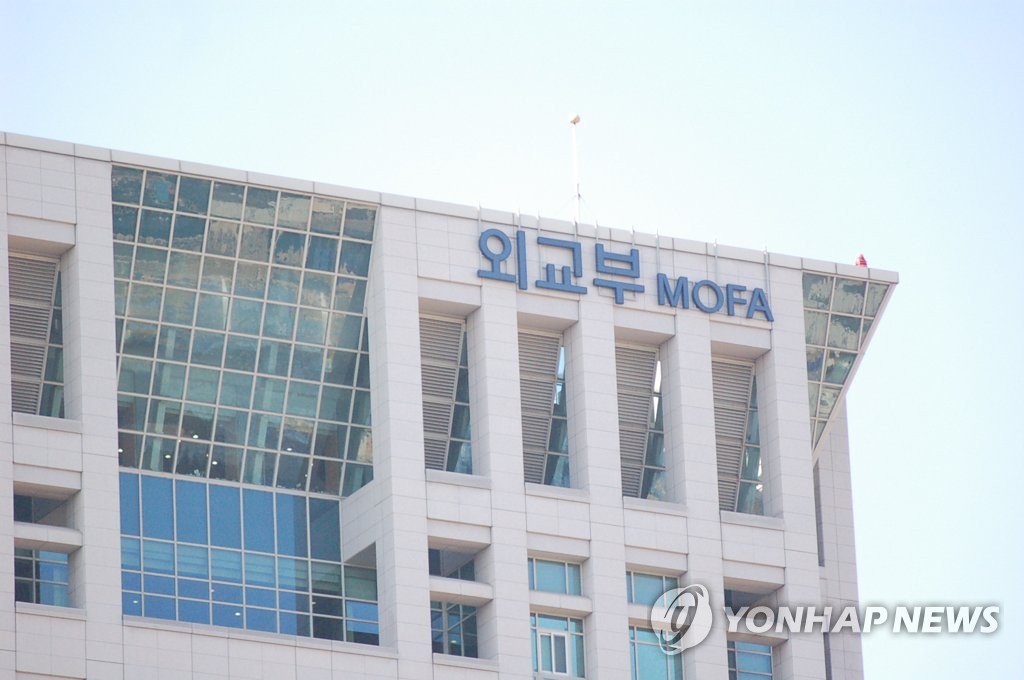
Seoul’s Call for Humane Treatment and Investigation South Korea’s foreign ministry formally requested that Russian authorities conduct a prompt, fair investigation into Park’s detention, ensure humane treatment, and provide regular consular access. The ministry also asked for assistance to support Park’s family during the legal process. These demands reflect Seoul’s broader policy of protecting its nationals abroad [1].
Pattern of Detentions Including 2024 Vladivostok Case The Khabarovsk arrest follows a similar incident in January 2024, when another South Korean missionary was arrested in Vladivostok on espionage charges and remains in custody without trial. Analysts note the recurring nature of such cases, suggesting a pattern of heightened scrutiny toward foreign religious workers in Russia’s Far East. The earlier case underscores concerns about due‑process rights for detained South Koreans [1].
Timeline
2013‑2014 – Three South Korean missionaries, Kim Jung‑wook, Kim Kook‑kie and Choi Chun‑gil, are arrested in North Korea on espionage charges, marking the earliest known detentions of South Korean nationals in the North [5].
2016 – Three South Korean defectors and three missionaries are detained in North Korea, adding to the growing list of Seoul citizens held by Pyongyang [4].
Jan 2024 – A South Korean missionary is arrested in Vladivostok on espionage accusations and remains in custody without trial, illustrating a pattern of Russian‑linked detentions [1].
Oct 2024 – North Korea deploys roughly 15,000 troops to fight alongside Russian forces in Ukraine, intensifying the geopolitical stakes of any POW negotiations [2][3][4].
Jan 2025 – Ukrainian President Volodymyr Zelenskyy posts online that two North Korean soldiers were captured by Ukrainian forces in Russia’s Kursk region while fighting for Russia [3].
Feb 2025 – Opposition lawmaker Yu Yong‑weon meets the two North Korean POWs in Kyiv, photographs the encounter, and later urges the South Korean government to act [2].
Oct 2025 – The two North Korean POWs write a letter in October expressing a desire to defect to South Korea, calling South Koreans “parents and brothers” and describing their capture as “the beginning of a new life” [3].
Dec 1 2025 – Two South Korean nationals are detained in southwestern Iran on smuggling charges after a Nov 20 arrest; Seoul’s consular officials provide ongoing assistance while details remain limited [6].
Dec 3 2025 – The South Korean presidential office confirms six citizens—including the three missionaries arrested in 2013‑2014—are held in North Korea, pledges to resume inter‑Korean talks, and says President Lee Jae‑Myung “has never heard of such cases and lacks information on individual detainees” [5].
Dec 3 2025 – The Unification Ministry announces a push to repatriate elderly unconverted North Korean POWs, stating “we will not link repatriation of elderly POWs to the release of South Korean nationals detained in the North,” while President Lee reiterates he has no knowledge of those detainees [4].
Dec 24 2025 – A defectors’ group in Seoul receives the POWs’ October letter; activist Jang Se‑yul says “the letter confirms the captives’ desire to move to South Korea,” and the South Korean government notifies Ukraine it will accept the prisoners if their intent is verified [3].
Jan 22 2026 – Opposition lawmaker Yu Yong‑weon calls for “all‑out diplomacy,” urging President Lee Jae‑Myung to send special envoys to Kyiv to negotiate the POWs’ return, and cites the Third Geneva Convention and non‑refoulement principle to argue they should not be sent back to North Korea [2].
Feb 3 2026 – South Korean missionary Park is detained in Khabarovsk, Russia; the Korean embassy and consulate verify her health, and Seoul’s foreign ministry asks Russian authorities for a “prompt, fair investigation, regular consular access, and assistance for Park’s family, emphasizing humane treatment” [1].
All related articles (6 articles)
-
Yonhap: South Korean Missionary Detained in Khabarovsk, Russia
-
Yonhap: Opposition calls for all-out diplomacy to bring back two North Korean POWs held in Ukraine
-
Yonhap: Two North Korean POWs in Ukraine express desire to defect to South Korea in letter
-
Yonhap: South Korea Pursues Repatriation of Elderly North Korean POWs, Not Tying to South Korean Detainee Release
-
Yonhap: South Korean Presidential Office Confirms Six Citizens Detained in North Korea
-
Yonhap: Two South Korean Nationals Detained in Iran on Smuggling Charges