Robotic Cameras and On‑Ice Operator Transform Visual Coverage at Milan‑Cortina 2026 Olympics
Updated (2 articles)
Robotic Cameras Expand Olympic Visual Reach The Associated Press deployed robotic and remote‑controlled cameras throughout the Milan‑Cortina 2026 Winter Games, delivering striking images from venues previously inaccessible to traditional crews [1]. These systems captured dynamic moments in speed skating, figure skating, ice hockey, curling and short‑track, enriching the visual narrative for global audiences [1]. The technology complements existing broadcast feeds, offering novel angles that enhance storytelling [2].
AP Team Installed Remote Systems Across Venues three‑person robotics team spent weeks before the Games installing and testing camera rigs at distant locations, including a goal‑level placement at the hockey arena where photographers physically crawled to fine‑tune the view [1]. The remote setups recorded high‑resolution footage transmitted live to Olympic Broadcasting Services, ensuring seamless integration with standard broadcast pipelines [1]. This marks AP’s first large‑scale operation across such widely spread Olympic sites [1].
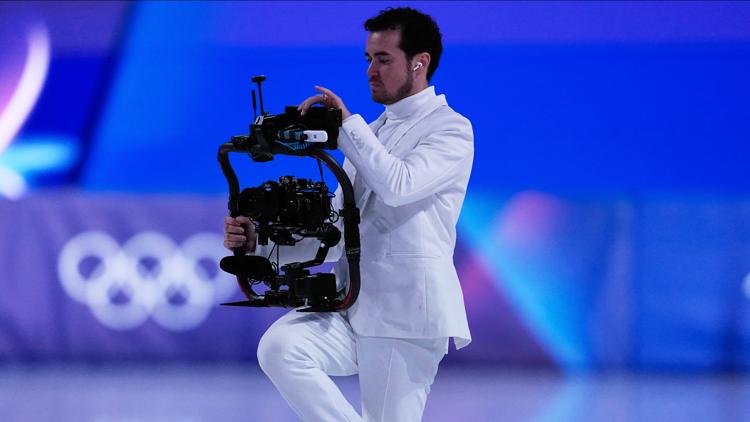
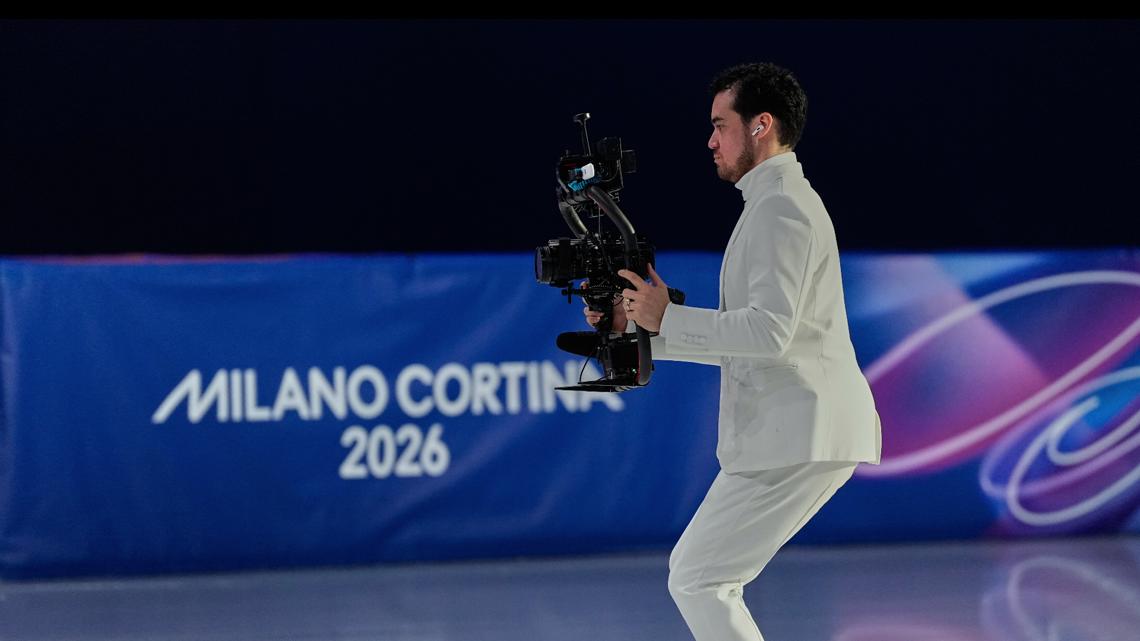
Jordan Cowan Introduces First On‑Ice Camera Operation Former U.S. ice dancer Jordan Cowan became the inaugural on‑ice camera operator in Olympic figure‑skating history, gliding backward in a tuxedo to capture post‑program moments missed by overhead rigs [2]. He filmed Ilia Malinin’s emotional reactions after the team‑event gold win and a later free‑skate mishap, delivering the footage to national rights holders via Olympic Broadcasting Services [2]. Cowan’s lightweight gimbal rig, custom‑designed for stability and wireless transmission, allows him to stay invisible while anticipating skaters’ moves [2].
New Techniques Promise Broader Broadcast Perspectives Both AP’s robotic deployments and Cowan’s on‑ice rig represent a shift toward immersive, athlete‑level coverage, expanding the range of angles available to broadcasters [1][2]. The combined innovations aim to deliver richer, more engaging content for viewers worldwide, while maintaining safety and minimal disruption to athletes [2]. These advancements set a precedent for future Games, where remote and on‑person technologies will likely become standard practice [1][2].
Sources
-
1.
Associated Press: AP Photographers Deploy Robots for Striking Olympic Images: Describes AP’s three‑person robotics team installing remote cameras at multiple venues, including a goal‑level setup at the hockey arena, and the resulting footage across several sports .
-
2.
WBNS (Columbus, OH): Jordan Cowan Pioneers On‑Ice Camera Work at Milan‑Cortina Winter Games: Highlights former ice dancer Jordan Cowan’s custom gimbal rig, his historic on‑ice filming of Ilia Malinin’s reactions, his role with Olympic Broadcasting Services, and plans to capture medal ceremonies and the closing gala .
Related Tickers
Timeline
2011 – Jordan Cowan retires from competitive ice dancing, ending a career that later fuels his innovative work behind the camera [2].
2018 – Cowan launches On Ice Perspectives, a company that creates viral skating videos and builds his expertise in on‑ice filming [2].
2021 – He films the World Exhibition Gala, gaining experience with large‑scale live‑event broadcasts that prepares him for Olympic duties [2].
Jan 2026 – A three‑person AP robotics team spends weeks installing and testing remote‑camera systems at distant Olympic venues, marking the news agency’s first operation across such widely spread locations [1].
Feb 17, 2026 – Cowan becomes the first on‑ice camera operator in Olympic figure‑skating history, gliding backward in a white tuxedo to capture moments overhead cameras miss [2].
Feb 17, 2026 – He films Ilia Malinin punching his camera in celebration after Team USA wins gold in the team‑event long program, capturing the skater’s raw emotion [2].
Feb 17, 2026 – Cowan records Malinin’s grimace following a botched singles free skate, providing a candid view of the athlete’s disappointment [2].
Feb 17, 2026 – He prepares to film medal ceremonies and the closing gala, planning to stay invisible while anticipating skaters’ signature moves for unobtrusive coverage [2].
Feb 19, 2026 – AP photographers deploy robotic and remote cameras that capture striking Olympic images across speed skating, figure skating, ice hockey, curling and short‑track, delivering angles traditional setups cannot reach [1].
Feb 19, 2026 – Photographers crawl into a hockey goal to position a remote camera, testing its angle to ensure optimal shots and expanding coverage of previously inaccessible spots [1].