Macron Visits 62nd Salon de l’Agriculture as Live Cattle Remain Absent
Updated (2 articles)
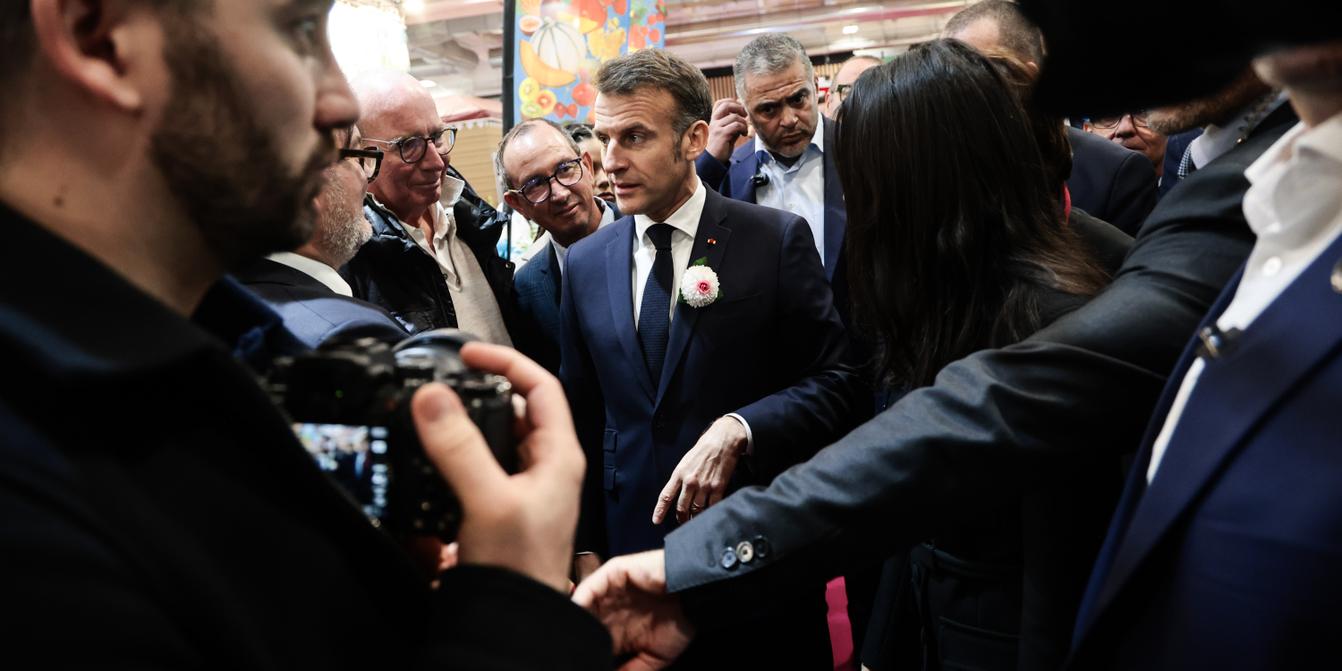
Macron Arrives Under Heavy Police Guard at 8:30 a.m. Macron entered the Parc des expositions de la porte de Versailles at 8:30 a.m., escorted by a large police contingent that secured the venue throughout the opening ceremony. He inaugurated the eighth Salon de l’Agriculture of his presidency, a milestone noted by officials. Skipping the traditional union breakfast, he held separate bilateral talks with the FNSEA and Coordination rurale, emphasizing security and dialogue with agricultural leaders [1].
Live Cattle Replaced by Holographic Brahman Cow Organizers barred all live bovines after the contagious nodular dermatitis (DNC) prompted a precautionary ban, substituting the usual herd parade with a hologram of the Brahman “Biguine” cow from Martinique. Officials announced that no DNC cases had been reported in France since the start of 2026, framing the hologram as a safe alternative. The holographic display highlighted both the disease’s perceived threat and the fair’s adaptation to public‑health concerns [1].
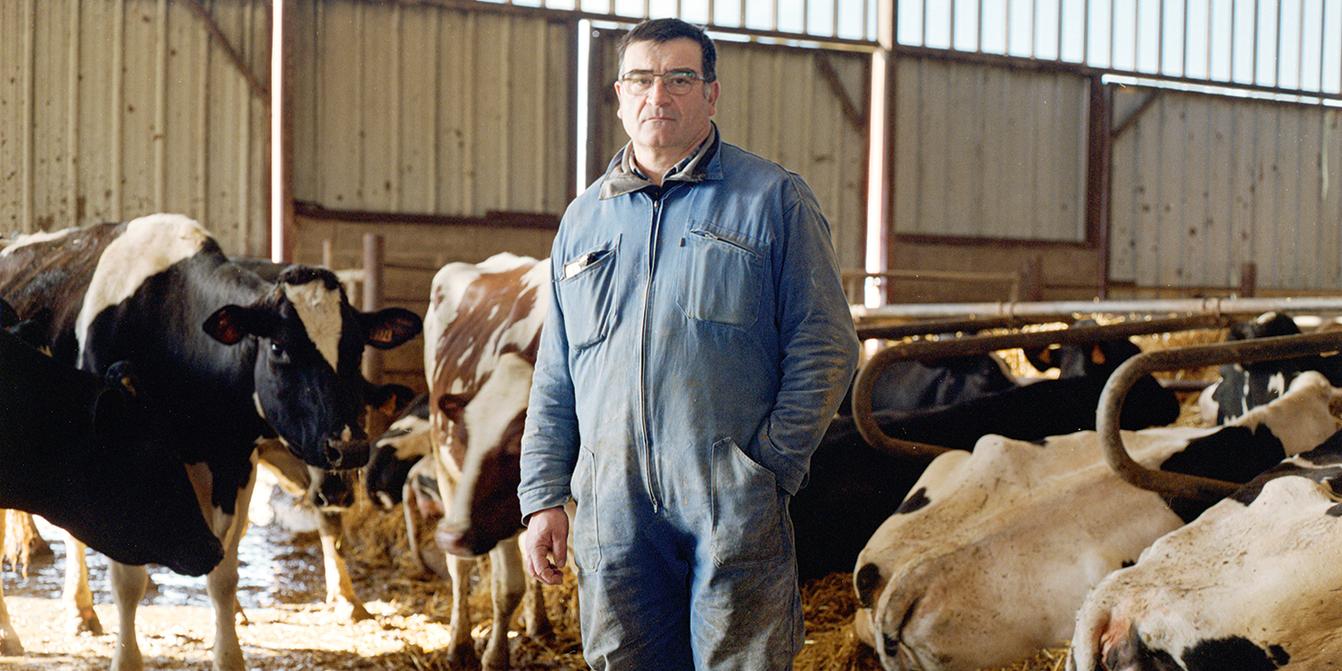
Farmers Experience Nationwide Herd Culls Following Disease Outbreak Veterinary authorities ordered the slaughter of cattle across several regions, including Villeneuve‑sur‑Lot, where farmers reported the loss of herds deemed unfit. Marielle Cadiot, a 50‑year‑old farmer, described the empty barns as a “mortuary calm,” recalling the emotional impact of the 2021 cull that erased generations of family‑bred livestock. The article also noted that bovine tuberculosis, locally called “the tube,” has recently infected farms in the area, adding another layer of risk for producers [2].
Reports Differ on Disease Prevalence and Impact Le Monde’s coverage of the Salon states that zero DNC cases have been recorded this year, while its separate report links the same disease to the nationwide herd culls, creating a factual tension between containment claims and observed livestock losses. Additionally, the second article foregrounds bovine tuberculosis as a distinct and ongoing threat, whereas the Salon piece does not mention TB at all, underscoring differing editorial emphases on agricultural health risks [1][2].
Sources
-
1.
Le Monde: Macron’s low‑key visit to the 62nd Salon de l’Agriculture: details Macron’s guarded arrival, holographic cow replacement, meetings with FNSEA and Coordination rurale, and the claim of zero DNC cases .
-
2.
Le Monde: No Cattle at 2026 Salon de l’Agriculture Amid Nationwide Herd Culls: emphasizes the complete cattle ban, herd culling in Villeneuve‑sur‑Lot, farmer testimonies, and the presence of bovine tuberculosis as an additional concern .
Timeline
Jun 2021 – Farmers near Villeneuve‑sur‑Lot endure a fifteen‑day herd cull after bovine tuberculosis spreads, leaving them unable to perform their daily morning checks and causing emotional distress, as recounted by Marielle Cadiot [2].
2026 (Jan) – French veterinary authorities report zero cases of contagious nodular dermatitis (DNC) since the start of the year, indicating successful containment of the disease that previously threatened livestock exhibitions [1].
Feb 21, 2026 – The 62nd Salon de l’Agriculture opens in Paris without any live cattle; authorities bar all bovines to prevent DNC spread, replace the traditional Brahman cow with a hologram of “Biguine,” and create a somber atmosphere among attendees [1][2].
Feb 21, 2026 – President Emmanuel Macron arrives at 8:30 a.m. under heavy police guard, walks through the Parc des expositions de la porte de Versailles, and conducts separate bilateral talks with the FNSEA and Coordination rurale, skipping the customary union breakfast [1].
Feb 21, 2026 – Stéphane Travert, president of the economic affairs committee in the National Assembly, expresses disappointment over the missing cows, saying “C’est tristounet, ça ne sent pas la vache et il n’y a pas de bruits,” highlighting the cultural loss felt by the agricultural community [1].
Feb 21, 2026 – The Salon marks the eighth agricultural fair inaugurated during Macron’s presidency, underscoring the continuity of the event despite the unprecedented absence of livestock [1].