Gold Rush Ignites in Springs Settlement After Cattle‑Pen Nuggets Spark Illegal Digging
Updated (3 articles)
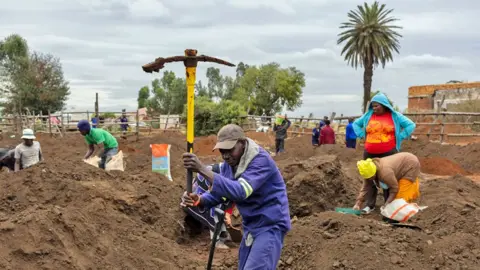
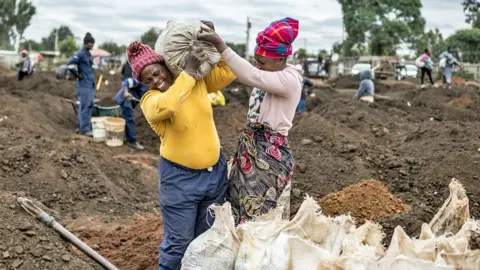
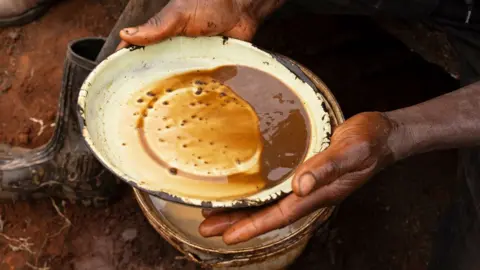
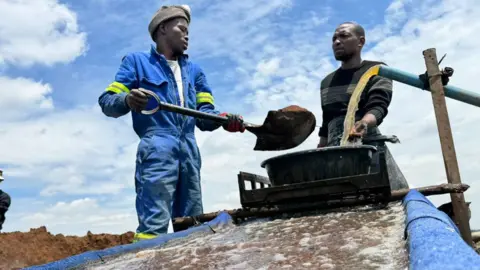
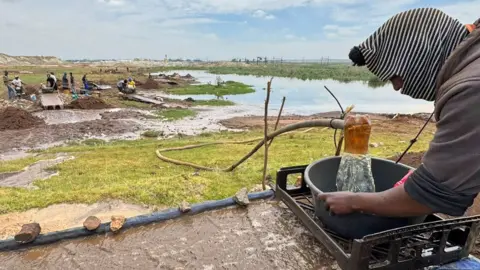
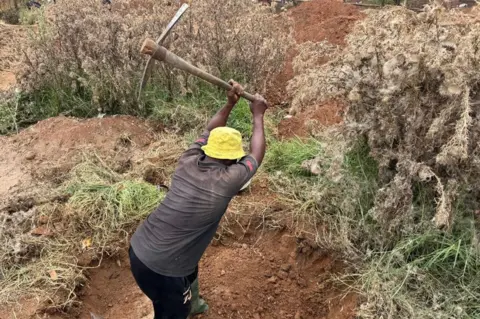
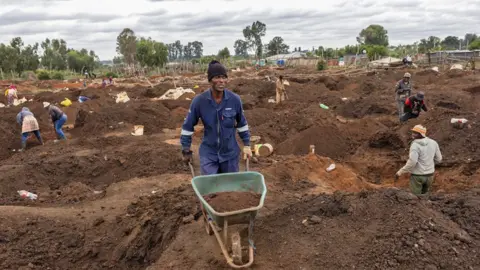
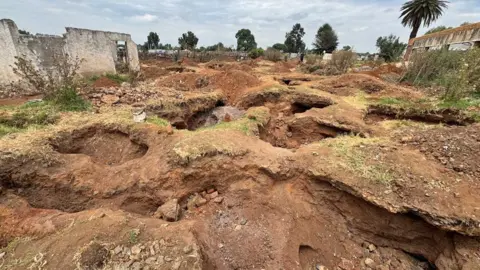
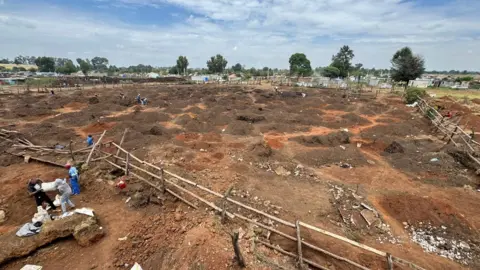
Gold Nuggets Discovered in Springs Cattle Pen Prompt Rush resident of the informal Springs settlement east of Johannesburg reported finding several gold nuggets while digging in an outdoor cattle enclosure on 17 February 2026 [1]. Within hours, dozens of locals arrived with pickaxes and shovels, recreating the historic gold‑rush atmosphere that once built South Africa’s financial capital [1]. The find quickly spread through word‑of‑mouth and social media, drawing miners from nearby townships and even from Lesotho [1].
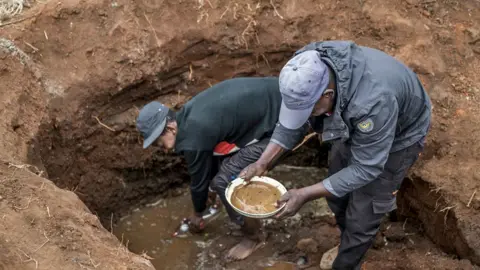
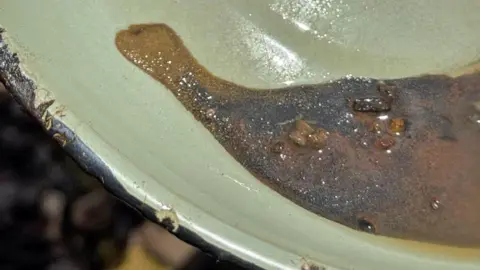
Dozens of Residents Dig Using Pickaxes and Hazardous Chemicals Participants told reporters they have successfully extracted gold and sell it on the black market, employing mercury and sodium cyanide to separate the metal from ore [1]. The use of these toxic substances raises severe health and ecological risks, especially in a densely populated informal settlement [1]. Despite the danger, miners continue the activity because a single gram of gold can fetch roughly $100, far exceeding the national minimum wage of $368 per month [1].
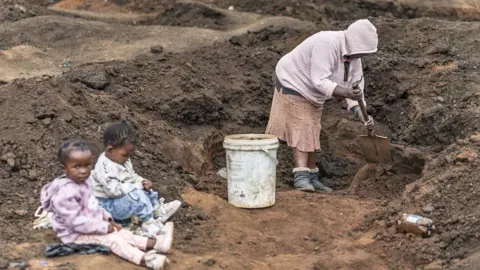
Economic Hardship Drives Families and Children to Illegal Mining An unnamed father of two appealed for legal permits, explaining that his family relies on the gold to survive [1]. Many diggers, originally from Lesotho, bring their children to the site after school to help with the labor, highlighting the depth of economic desperation [1]. The rush has turned the settlement into a makeshift mining camp, with makeshift shelters and improvised processing stations appearing overnight [1].
Government Labels Excavation Illegal, Warns of Ground Instability South Africa’s Department of Mineral Resources declared the Springs operation illegal and environmentally harmful, warning that unregulated digging could destabilize the ground and endanger nearby residents, especially children [1]. Officials cited a broader illegal‑mining crisis linked to “zama zamas,” though no direct evidence ties those groups to the Springs activity [1]. The ministry emphasized that any permits must be obtained through formal channels to ensure safety and environmental compliance [1].
President Ramaphosa Orders Military Support to Combat Illegal Mining President Cyril Ramaphosa announced plans to deploy the army to assist police in confronting criminal gangs and illegal mining operations nationwide [1]. While the deployment targets the country’s wider illegal‑mining problem, the announcement underscores the urgency of the Springs situation [1]. Authorities intend to increase surveillance and enforce stricter penalties to curb the hazardous rush [1].
Timeline
2024 – Police break up protests against the Bea Mountain Mining Corporation’s N’dablama mine with tear‑gas and lethal force, injuring demonstrators such as Satta Surtual, who later shows a scar on his scalp, highlighting the government’s harsh response to community opposition [3].
2025 – A Forest Trends analysis finds that mining concessions, including those held by Bea Mountain, now cover roughly 50 % of Liberia’s forested land, underscoring the scale of deforestation linked to gold extraction [3].
Dec 9, 2025 – Two teenage boys, Mohamed Bangura (16) and Yayah Jenneh (17), die when an artisanal gold pit collapses in Nyimbadu, Eastern Province, Sierra Leone, marking the third fatal mine accident in four years and illustrating the lethal risks of unregulated mining [2].
Dec 9, 2025 – Mother Namina Jenneh tells investigators, “I would have stopped him if I had known where he was going,” while child‑protection activist Sahr Ansumana warns that “poverty and lack of options push families toward mining,” emphasizing the social drivers behind the tragedy [2].
2025 – Liberia’s environmental agency records multiple cyanide spills from the N’dablama mine into local waterways, but later removes the reports from public view, revealing attempts to conceal environmental damage [3].
Jan 30, 2026 – Bea Mountain Mining Corporation posts a village notice announcing a blast at a nearby pit; residents of Gold Camp report cracked walls and crumbling houses, showing how mining operations directly damage local housing [3].
Jan 30, 2026 – The mine’s blasting and hidden cyanide releases have already cleared 2,200 ha of rainforest, destroying habitat for endangered pygmy hippos and Western chimpanzees, intensifying ecological concerns around Liberia’s largest gold project [3].
Feb 18, 2026 – A resident of the informal Springs settlement east of Johannesburg discovers gold nuggets while digging a cattle pen, prompting dozens of diggers with pickaxes to converge on the site, echoing the historic gold rush that founded South Africa’s financial capital [1].
Feb 18, 2026 – Diggers in Springs employ mercury and sodium cyanide to extract gold, selling the product on the black market despite severe health and ecological hazards, illustrating the dangerous chemistry of informal mining [1].
Feb 18, 2026 – An unnamed father of two pleads for legal permits, noting that “a gram of gold fetches about $100 while the national minimum wage is $368 per month,” highlighting extreme economic desperation driving families and children to mine [1].
Feb 18, 2026 – President Cyril Ramaphosa announces plans to deploy the army to assist police in combating criminal gangs and illegal mining, signaling a forthcoming escalation of state security measures against the illegal mining crisis [1].
Feb 18, 2026 – The South African mining ministry warns that unregulated excavation in the Springs settlement threatens ground stability and could endanger nearby residents, especially children, reflecting a pattern of fatalities in the country’s illegal mining sector [1].
All related articles (3 articles)
External resources (4 links)
- http://bbcafrica.com/ (cited 2 times)
- https://twitter.com/BBCAfrica (cited 2 times)
- https://www.facebook.com/BBCnewsafrica/ (cited 2 times)
- https://www.instagram.com/bbcafrica/ (cited 2 times)