Trump Pushes Federal Takeover of Elections as SAVE Act Advances Amid Constitutional Opposition
Updated (8 articles)
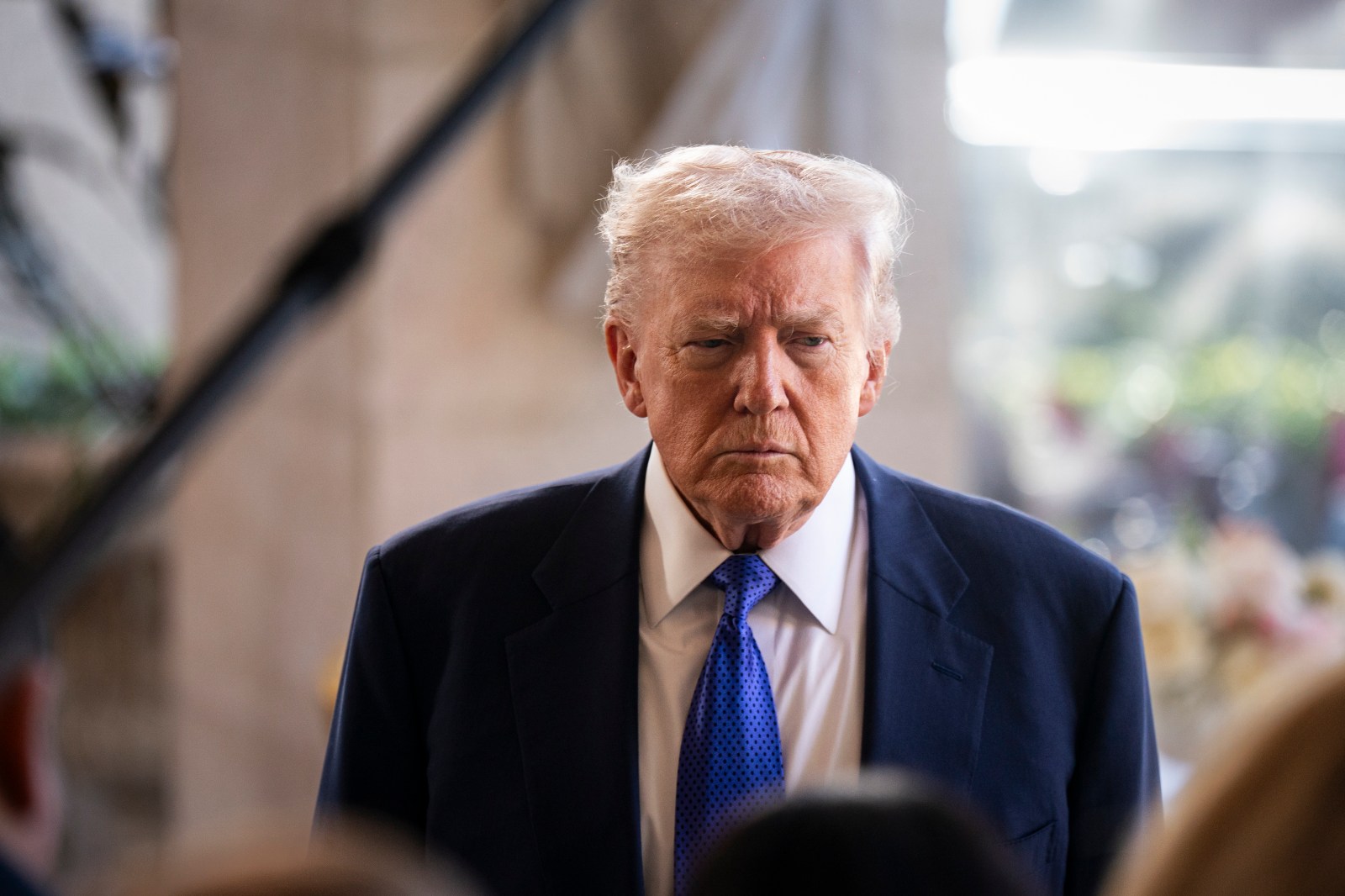
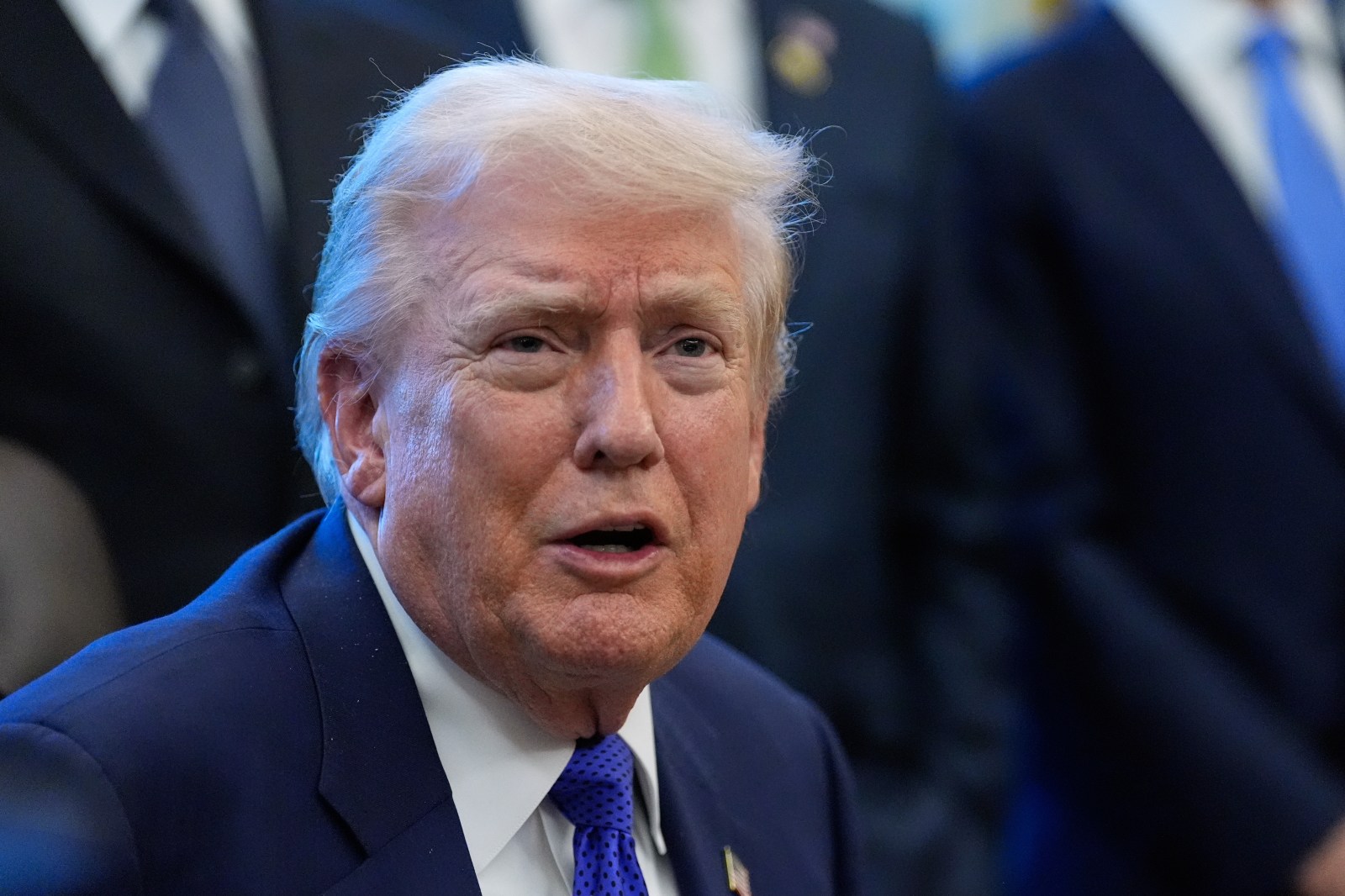
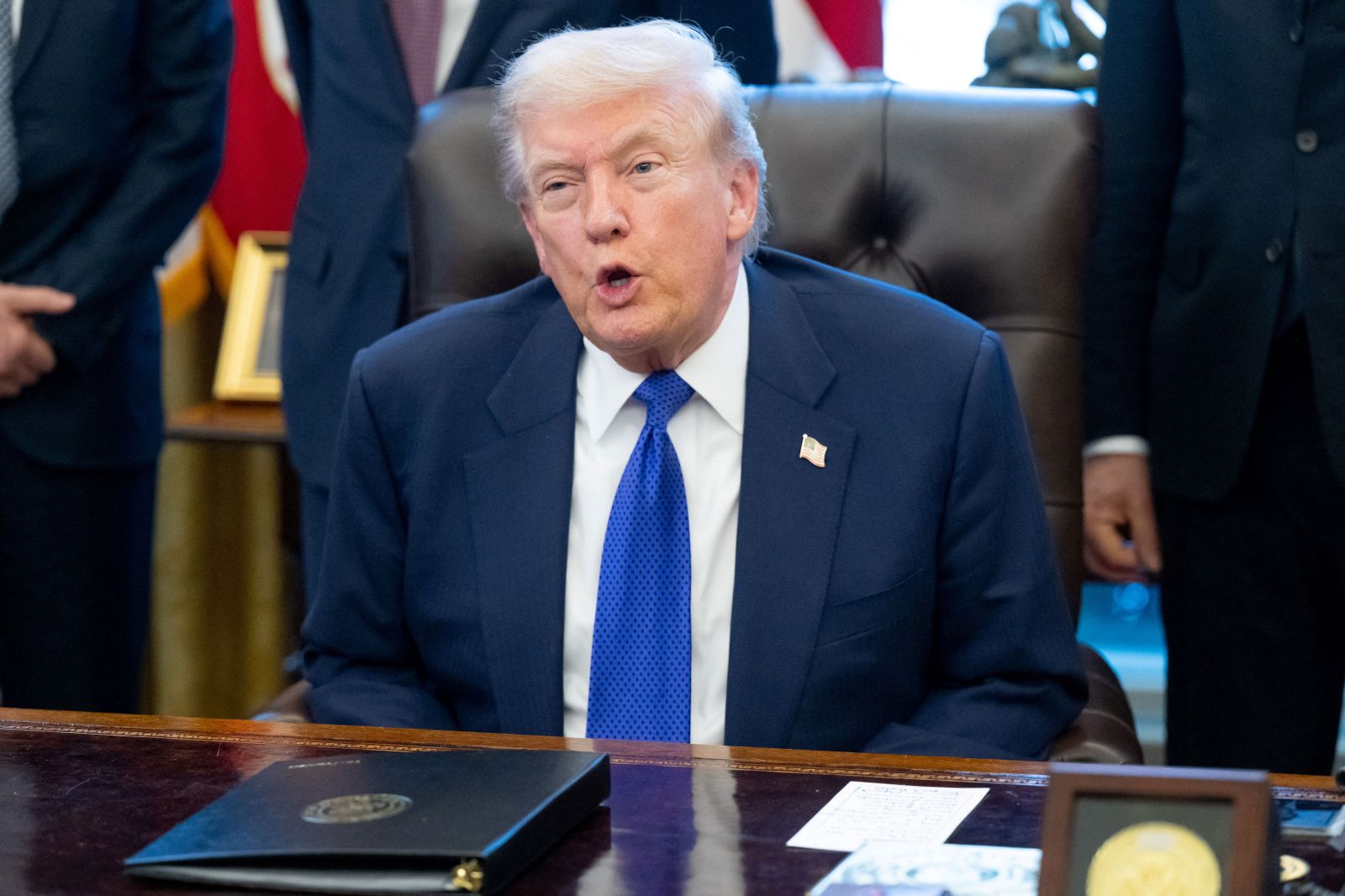
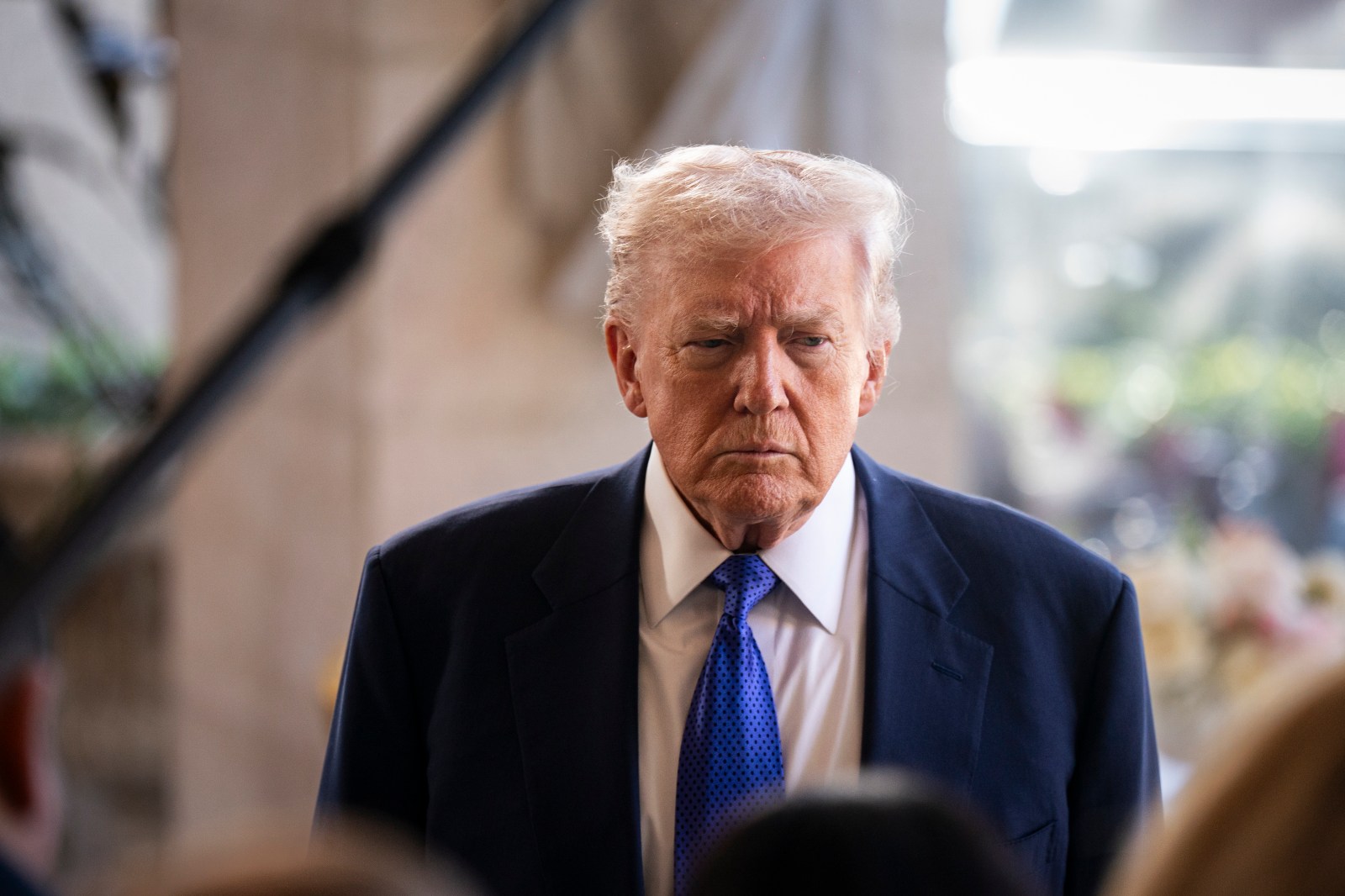
Trump Calls for Federal Intervention After Atlanta FBI Raid President Donald Trump told CNN’s Kaitlan Collins that states act as federal agents and that the federal government must step in when “states cannot run elections honestly,” citing the January FBI search of Fulton County’s election office in Atlanta as proof of “horrible corruption” [1]. He made the remarks during an Oval Office signing ceremony for the Safeguard American Voter Eligibility (SAVE) Act, which would require documentary proof of citizenship for voter registration [1][2]. White House press secretary Karoline Leavitt linked the comment directly to the SAVE legislation, framing it as a national voter‑ID requirement [1].
Constitutional Experts Reject Presidential Authority Over Elections Legal analysts emphasized that Article I, Section 4 of the Constitution assigns election administration to state legislatures, and only Congress may modify those rules by law [2][4]. Attorneys Bradley P. Moss and former prosecutor Gene Rossi described Trump’s “nationalize” proposal as “blatantly unconstitutional” and lacking any statutory basis [2]. Senate Minority Leader Chuck Schumer and former District Judge John E. Jones III echoed this view, warning that any attempt to shift control to the federal level would violate constitutional limits [4].
GOP Bill Gains Co‑Sponsors While Facing Tight Senate Odds Rep. Bryan Steil introduced the Make Elections Great Again Act, which now has 38 Republican co‑sponsors, including Byron Donalds and Claudia Tenney, after Trump’s nationalization plea [3][6]. The 120‑page bill mandates photo ID, citizenship verification at registration starting 2027, bans universal vote‑by‑mail and ranked‑choice voting, and requires a single statewide computerized voter list [3][6]. Democrats such as Rep. Joe Morelle and Senate leader Chuck Schumer have labeled the measures “outlandishly illegal” and warned they would disenfranchise millions [3][4].
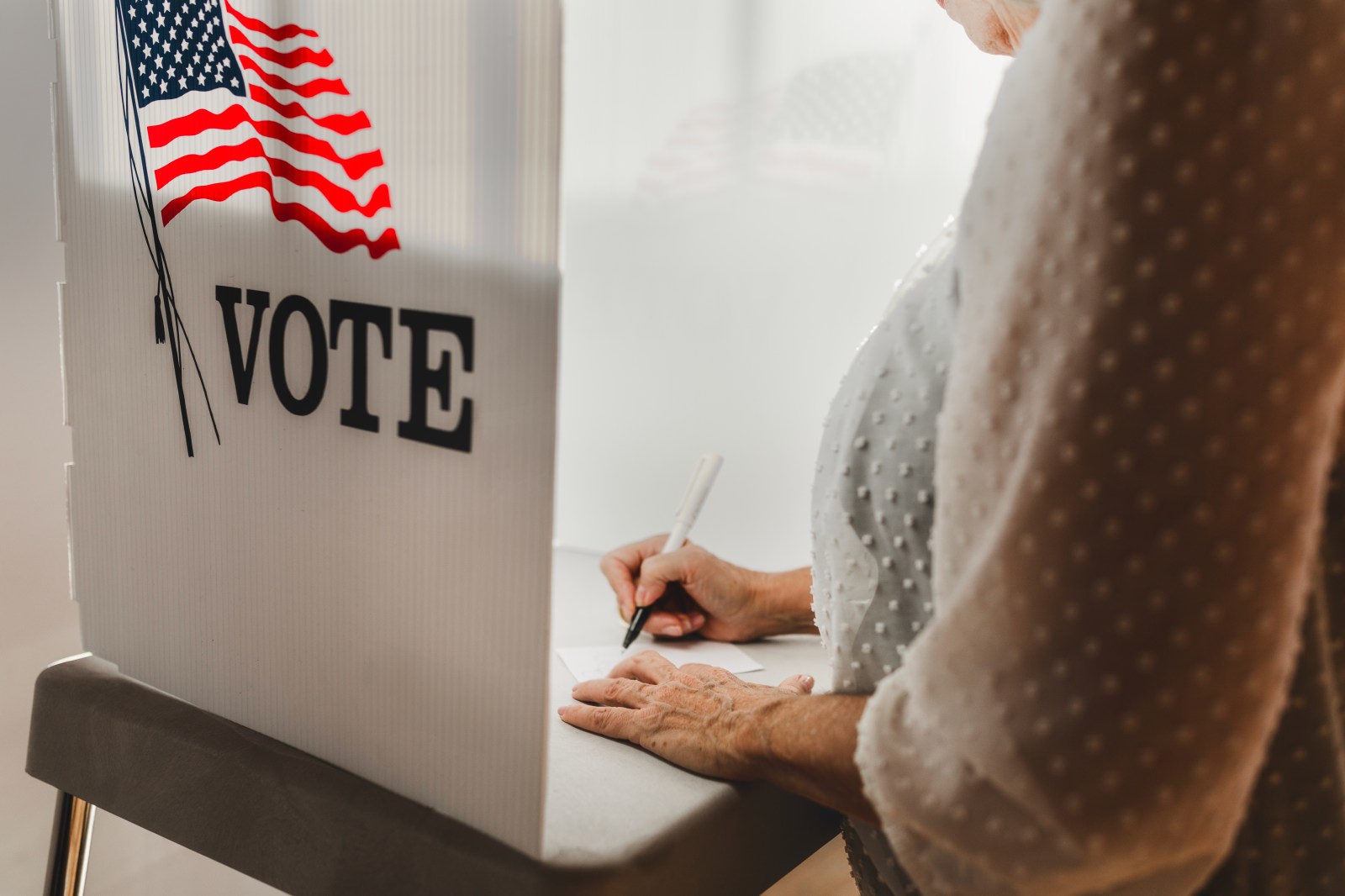
SAVE Act Could Impose Extra Burdens on Married Women and Minorities The SAVE Act’s citizenship‑proof requirement would force voters to present a passport, REAL ID, or birth certificate, and married women whose legal names differ from birth certificates would also need to supply a marriage certificate [5]. Policy analyst Caroline Welles warned that this extra paperwork would disproportionately affect Native American, low‑income, and domestic‑violence‑survivor women, potentially suppressing turnout in the 2026 midterms [5]. Republican supporters argue the rule prevents non‑citizen registration, while a coalition of state attorneys general warns it could reverse decades of voting‑rights progress [5].
Midterm Election Strategy Tied to Trump’s Rhetoric and Redistricting Push Trump’s comments come as the administration launches a rare mid‑decade redistricting campaign aimed at gaining additional House seats for Republicans ahead of the November 2026 midterms [1]. The White House plans to use the SAVE Act and related rule changes to shape election administration, positioning the reforms as “integrity measures” while Democrats and voting‑rights groups predict a significant drop in participation among affected groups [1][6]. The GOP’s legislative push reflects a broader effort to translate Trump’s fraud narrative into concrete policy before voters head to the polls [2].
Sources
-
1.
CNN: Trump Calls for Federal Takeover of State‑Run Elections – Details Trump’s Oval Office remarks linking federal intervention to the Atlanta FBI raid and ties his call to the SAVE Act proposal .
-
2.
Newsweek: Trump’s Call to “Nationalize” Voting Meets Constitutional Pushback – Highlights legal analysis that the Constitution bars presidential control, cites attorney opinions, and notes the upcoming 2026 midterms .
-
3.
Newsweek: GOP Election Bill Gains Momentum After Trump Calls for “Nationalize” Voting – Reports the surge in Republican co‑sponsors for the Make Elections Great Again Act and outlines its key provisions .
-
4.
Newsweek: Trump urges Republicans to “nationalize” voting, sparking constitutional backlash – Covers reactions from Democratic leaders, former judge commentary, and Republican lawmakers publicly rejecting nationalization .
-
5.
Newsweek: SAVE Act Could Add Voting Hurdles for Married Women – Explores how the citizenship‑proof requirement would uniquely affect married women and other marginalized groups .
-
6.
AP: House Republicans Unveil “Make Elections Great Again Act” Ahead of Midterms – Provides a comprehensive overview of the bill’s photo‑ID, citizenship, and voting‑method restrictions, plus Democratic opposition and potential voter‑impact estimates .
Timeline
2020 – Trump continues to assert that illegal immigrants voted and that “widespread fraud” occurred in states such as Georgia, despite multiple investigations finding no evidence, a claim he repeats in 2026 statements [4].
2022 – Ohio voters approve a constitutional amendment that limits voting to U.S. citizens, laying groundwork for later use of the SAVE database to verify citizenship [8].
Oct 2024 – Ohio files a federal lawsuit challenging the Biden administration’s denial of access to the Department of Homeland Security’s Systematic Alien Verification for Entitlements (SAVE) database, a case that later resolves with a 20‑year access agreement [8].
Dec 2, 2025 – Florida, Indiana, Iowa, and Ohio settle lawsuits with DHS, allowing the states to conduct bulk voter‑citizenship checks through the upgraded SAVE program, a development expected to shape the 2026 midterm election landscape [7].
Dec 2, 2025 – Ohio signs a 20‑year agreement with DHS to use the SAVE database at no cost, enabling bulk verification of voter citizenship and supporting new monthly voter‑list maintenance rules under Senate Bill 293 [8].
2025 – The House passes the SAVE Act, which would require documentary proof of citizenship for federal voter registration, a provision that later raises concerns about added burdens for married women [5].
Jan 30, 2026 – The House Republican leadership unveils the 120‑page “Make Elections Great Again Act,” mandating photo ID, citizenship verification at registration starting 2027, banning universal vote‑by‑mail and ranked‑choice voting, and threatening to withhold federal election funding from non‑compliant states [6].
Feb 2, 2026 – Analysts warn the SAVE Act could create extra paperwork for married women, who may need to submit marriage certificates in addition to standard ID, potentially disenfranchising millions, especially Native American, low‑income, and domestic‑violence survivors [5].
Feb 2, 2026 – In an interview on The Dan Bongino Show, Trump urges Republicans to “nationalize” voting by taking over at least 15 jurisdictions, describing state‑run elections as “corrupt” and calling for federal intervention [4].
Feb 3, 2026 – Republican lawmakers add 14 co‑sponsors to the Make Elections Great Again Act, bringing total support to 38, as the bill moves forward amid a narrow congressional split and a looming November 2026 midterm election [3].
Feb 3, 2026 – Constitutional scholars and former judges stress that the Constitution assigns election administration to state legislatures, rendering Trump’s nationalization proposal “blatantly unconstitutional” and “outlandishly illegal,” according to Senate Minority Leader Chuck Schumer [2][4].
Feb 3, 2026 – The White House ties Trump’s election‑security agenda to the SAVE Act, describing it as a “national voter ID requirement” that would require proof of citizenship, ban no‑excuse mail‑in voting, and end ballot harvesting [2][1].
Feb 3, 2026 – Trump signs an executive order in the Oval Office, declaring that “a state is an agent for the federal government in elections” and calling for federal takeover of state‑run elections, while highlighting the FBI’s January raid on Fulton County’s election office as evidence of “horrible corruption” [1].
Nov 2026 – The upcoming midterm elections serve as the focal point for both the Make Elections Great Again Act’s implementation timeline and the GOP’s push to reshape election administration ahead of the 2026 campaign cycle [6][3].
2027 – The provisions of the Make Elections Great Again Act and the SAVE Act are slated to take effect, requiring voter photo ID, citizenship verification at registration, and a single statewide computerized voter list, fundamentally altering election procedures nationwide [6][3].
All related articles (8 articles)
-
CNN: Trump Calls for Federal Takeover of State‑Run Elections
-
Newsweek: Trump’s Call to “Nationalize” Voting Meets Constitutional Pushback
-
Newsweek: GOP Election Bill Gains Momentum After Trump Calls for “Nationalize” Voting
-
Newsweek: Trump urges Republicans to “nationalize” voting, sparking constitutional backlash
-
Newsweek: SAVE Act Could Add Voting Hurdles for Married Women
-
AP: House Republicans Unveil “Make Elections Great Again Act” Ahead of Midterms
-
WBNS (Columbus, OH): Ohio Secures 20‑Year Access to Federal Voter‑Citizenship Database
-
AP: Four GOP‑led States Reach Settlement with DHS Over Voter Citizenship Data