China Carries Out January 29 Executions of Eleven Myanmar‑Based Ming Crime Syndicate Members
Updated (7 articles)
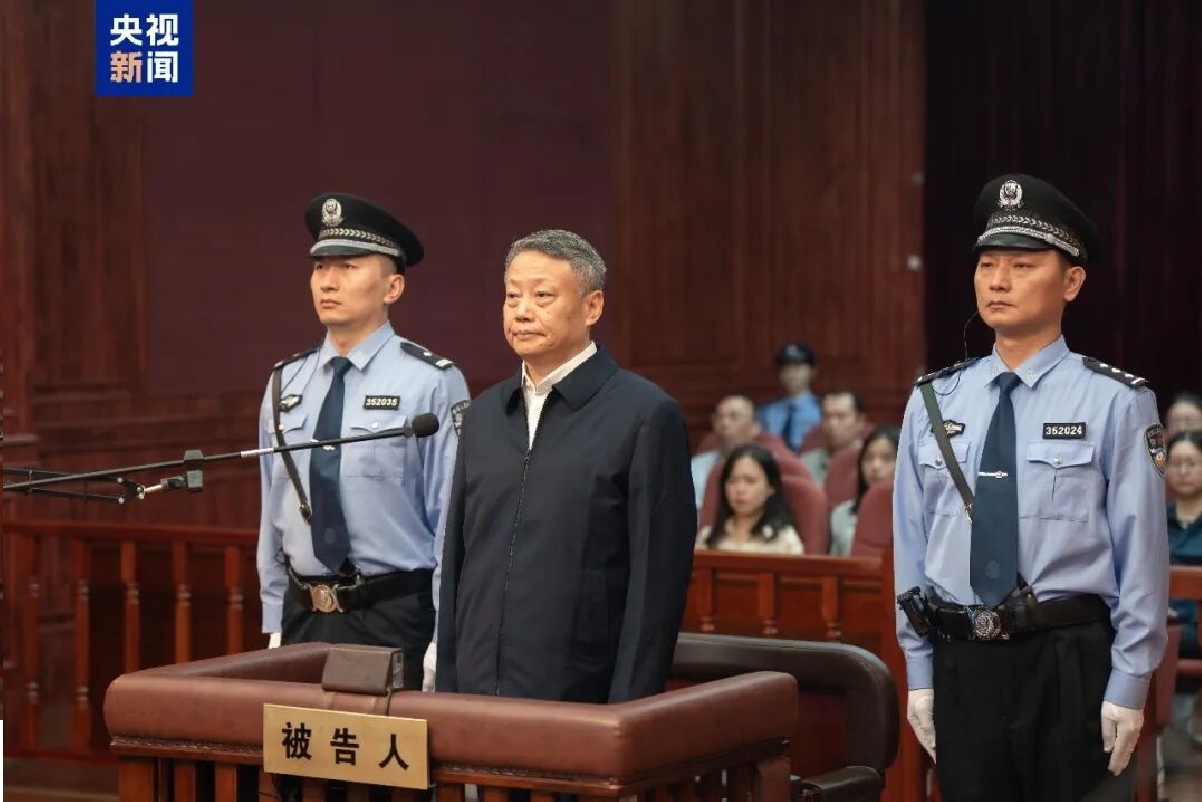
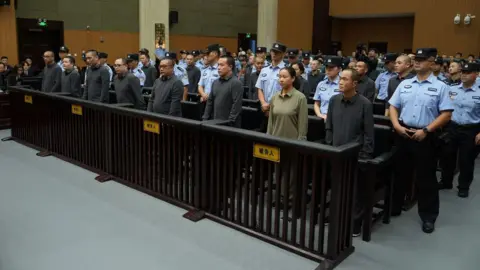
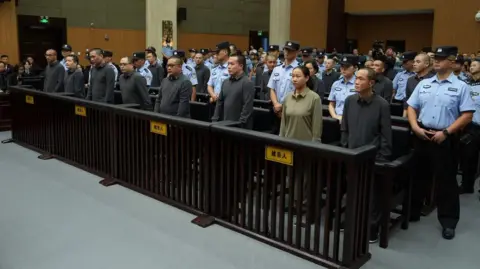


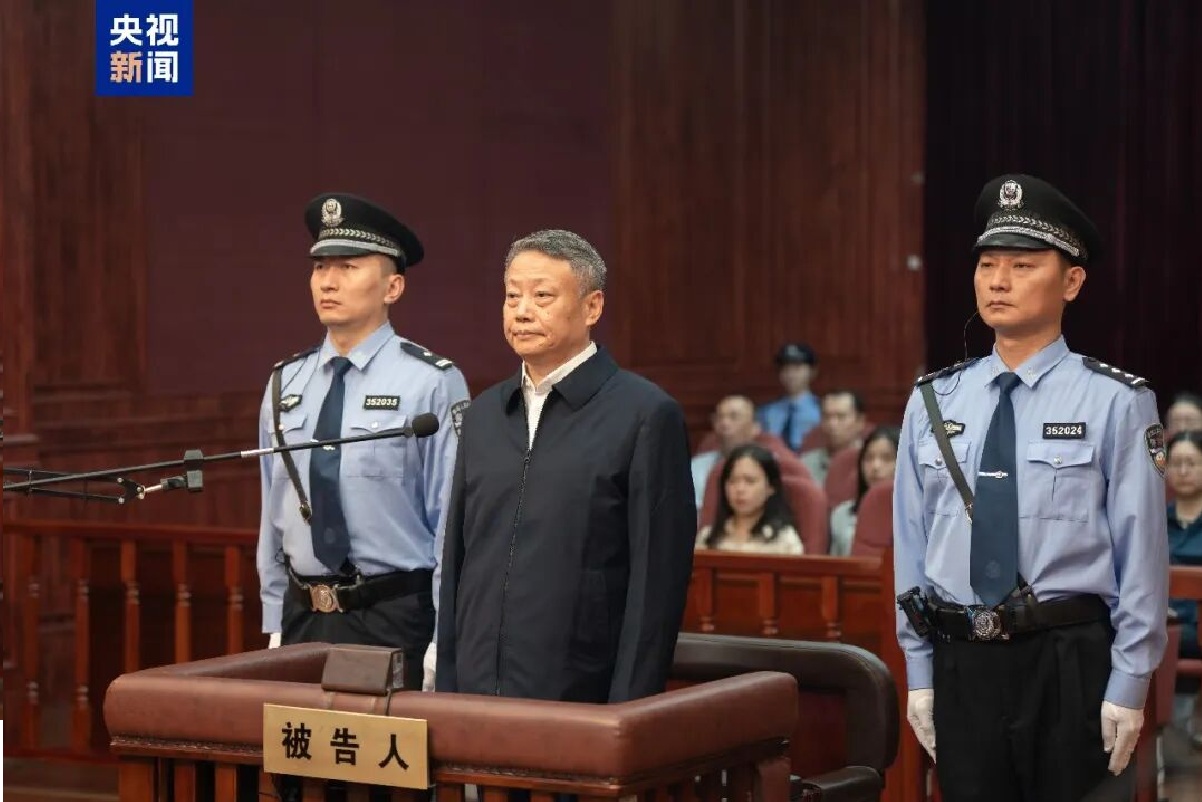
Mass Executions Follow September Death Sentences On 29 January 2026 Chinese authorities executed eleven members of the Ming family, a crime syndicate operating from Myanmar’s Laukkaing border town [2][3][4][5]. The executions were ordered by the Wenzhou Intermediate People’s Court after the defendants’ death‑penalty rulings were confirmed in September 2025 (some reports cite only “September” without a year) [2][3]. The court’s decision was upheld by the Supreme People’s Court after brief appeals, confirming the original verdicts [3][5].
Ming Clan Part of Four‑Family Crime Network Controlling Laukkaing The Ming family belonged to a quartet of Chinese‑origin clans (Ming, Bau, Wei, Liu) that seized Laukkaing after the 2009 power shift and ran large‑scale online‑fraud, gambling, drug, and forced‑labour operations [2][3][4]. Their enterprises generated between 10 billion yuan (≈ $1.4 bn) and over $1 billion in illicit revenue between 2015 and 2023 [4][5]. The syndicate’s activities caused the deaths of 14 Chinese citizens and injured many others, prompting Chinese authorities to label the group a “major threat” [4][5].
Key Figures Executed and Charges Enumerated Executed individuals included clan leaders Ming Guoping and Ming Zhenzhen, as well as operatives Zhou Weichang, Wu Hongming and Luao Jianzhang [5]. They were convicted of homicide, illegal detention, large‑scale fraud, and the killing of Chinese nationals [2][3][5]. Earlier, patriarch Ming Xuechang reportedly committed suicide while in Chinese custody after being handed over by ethnic militias [2][3].
2023 Crackdown and Late‑2023 Arrests Enabled Prosecution Beijing’s anti‑scam campaign launched in 2023 issued arrest warrants with rewards of $14,000‑$70,000, leading to the November 2023 detention of the Ming family by Myanmar border forces under Chinese pressure [5][4]. Ethnic militias that recaptured Laukkaing transferred the detainees to Chinese police, allowing the courts to proceed with the death‑penalty cases [2][4]. The executions mark the first time China has publicly carried out capital punishment for a Myanmar‑linked crime syndicate [4].
Broader Impact and Ongoing Legal Actions While the Ming executions aim to deter similar networks, investigators note that scam operations have migrated to Myanmar’s borders with Thailand, as well as to Cambodia and Laos, where Chinese influence is weaker [4][5]. Five members of the related Bai family received death sentences in November 2025, and trials for the Wei and Liu families remain pending [4]. International pressure from the United States and other nations continues to mount on Southeast Asian governments to dismantle the region’s sprawling “scam parks” [5].
Sources
-
2.
BBC: China Executes 11 Members of Myanmar’s Ming Crime Family Amid Crackdown on Cross‑Border Scams: details the January 29 executions, the family’s control of Laukkaing, forced‑labour scams, and ethnic militia handover .
-
3.
CNN: China Executes 11 Members of Myanmar‑Based Ming Family Crime Syndicate: confirms the executions, outlines the September 2025 sentencing, Supreme People’s Court affirmation, and names of executed members .
-
4.
BBC: China Executes 11 Members of Myanmar Scam Mafia: emphasizes the syndicate’s $1.4 bn earnings, ethnic militia transfer, and broader crackdown implications .
-
5.
AP: China Executes 11 Members of Myanmar‑Based Scam Syndicate: reports the Wenzhou court’s death sentences, names of key operatives, November 2023 arrests, and international pressure on regional governments .
Timeline
2009 – Four Chinese clans (Ming, Bau, Wei, Liu) seize the remote Shan‑state border town of Laukkaing after General Min Aung Hlaing’s operation, shifting the local power balance and laying groundwork for later scam empires [1].
2015‑2023 – The Ming family’s gambling dens and online‑fraud operations generate over 10 billion yuan (≈$1.4 bn), causing the deaths of 14 Chinese citizens and fueling a cross‑border criminal network [2].
Oct 2023 – An escape attempt from a forced‑labour scam compound in Myanmar leads to the killing of several Chinese nationals, sparking social‑media outrage and prompting Chinese authorities to intervene [1].
Oct 2023 – Guards at a scam compound open fire on workers moving under armed guard, killing four people and highlighting the violent enforcement of the fraud operations [3].
Nov 2023 – Chinese officials issue arrest warrants with rewards of $14,000‑$70,000 for Ming clan members, and the family head Ming Xuechang later dies by suicide while in custody, underscoring Beijing’s intensified crackdown [3].
Nov 2023 – Ethnic militias that seize Laukkaing detain Ming family members and hand them over to Chinese police, enabling Beijing to pursue pending death sentences [2].
Early 2024 – The MNDAA recaptures Laukkaing, detains clan leaders, and hands over more than 60 relatives to Chinese authorities; the operation returns thousands of trafficked victims to China as part of a broader border offensive [1][4].
Sep 2025 – A Zhejiang court hands down death sentences to 11 Ming family members for homicide, illegal detention and fraud, marking the first capital‑punishment verdict against Myanmar‑linked scam bosses [3][4].
Nov 2025 – Five members of the Bai family receive death penalties, while additional Ming relatives receive prison terms ranging from five years to life; appeals are rejected, expanding the crackdown on the “four families” syndicates [2][4].
Dec 9, 2025 – A Tianjin court executes Bai Tianhui, former general manager of China Huarong International Holdings, for taking about $157 million in bribes, illustrating the continued vigor of China’s anti‑corruption drive [7].
2025 – China secures extraditions of two Chinese scam magnates, She Zhijiang and Chen Zhi, from Bangkok and Phnom Penh, reinforcing cross‑border cooperation against fraud networks [1].
2025 – Chinese prosecutors charge dozens more suspects tied to the Kokang “four families,” issue a list of 100 wanted fugitives, and report that more than 57,000 Chinese nationals suspected of fraud have been arrested or repatriated since 2023 [4].
Jan 4, 2026 – State media reports that by 2025 Chinese authorities have arrested at least 65 people linked to the Kokang clans and prosecuted dozens more, signaling an expansive enforcement campaign against cross‑border scams [4].
Jan 29, 2026 – China executes 11 Ming family members, including Ming Guoping and Ming Zhenzhen, after the Supreme People’s Court upholds September 2025 death sentences; officials say the executions “send a warning to other criminal networks,” marking a rare public use of capital punishment for overseas crime syndicates [1][2][3][6].
Feb 2, 2026 – A court sentences former justice minister Tang Yijun to life imprisonment for accepting bribes exceeding 137 million yuan; analysts note that “Xi’s anti‑corruption drive hits record levels,” underscoring the broader wave of high‑level probes that also target senior military leaders [5].
All related articles (7 articles)
-
Newsweek: Former Justice Minister Tang Yijun Sentenced to Life in Prison
-
BBC: China Executes 11 Members of Myanmar’s Ming Crime Family Amid Crackdown on Cross‑Border Scams
-
CNN: China Executes 11 Members of Myanmar‑Based Ming Family Crime Syndicate
-
BBC: China Executes 11 Members of Myanmar Scam Mafia
-
AP: China Executes 11 Members of Myanmar‑Based Scam Syndicate
-
CNN: China-led crackdown on Kokang Four Families reshapes cross-border scam empire
-
The Hindu: Chinese financial firm's former top official executed in $157 million corruption case