Cat‑Mammary Tumor Genetics Reveal FBXW7 Target for Faster Breast‑Cancer Drug Development
Updated (2 articles)
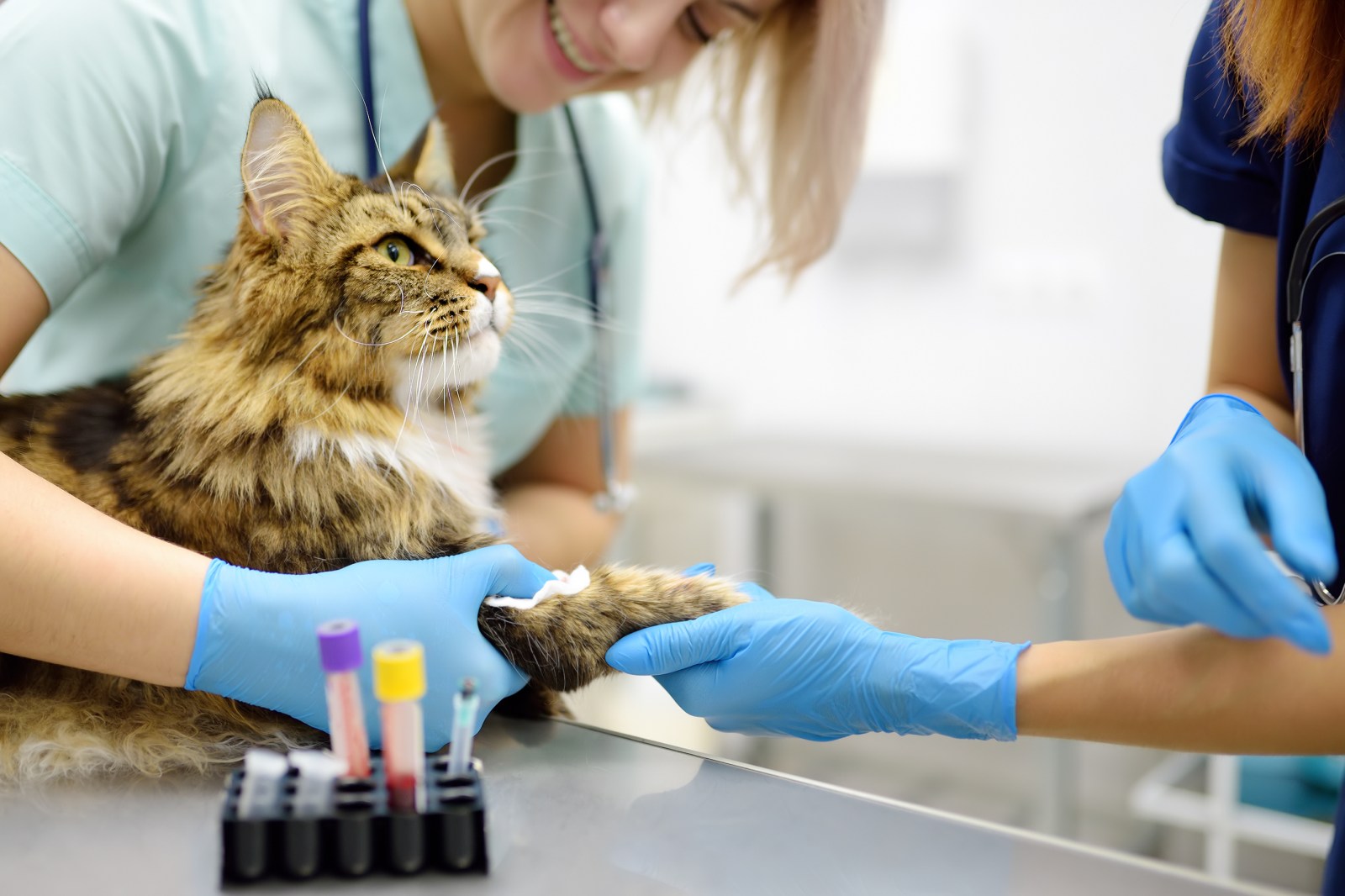
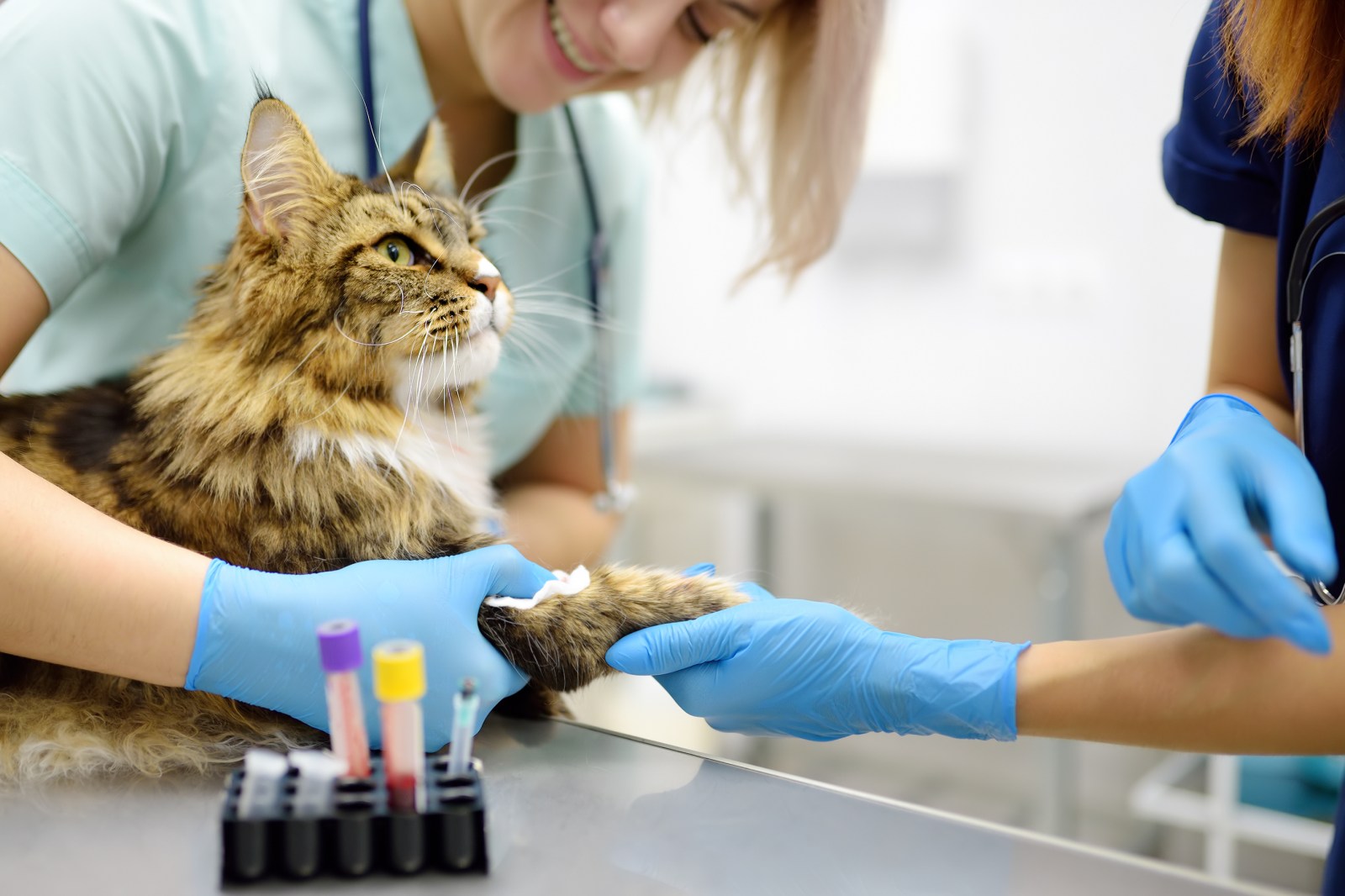
Large‑Scale Feline Genomic Survey Confirms Shared Driver Mutations The collaborative team sequenced tumor and normal tissue from nearly 500 domestic cats across five nations, covering 13 cancer types [1][2]. Mutations in the tumor‑suppressor gene FBXW7 appeared in more than half of feline mammary tumors, mirroring its role in aggressive human breast cancer [1][2]. Newsweek additionally reported that about 47 % of the cat samples carried PIK3CA mutations, a target already exploited by PI3K inhibitors in humans [2]. These findings establish the first extensive feline cancer genomic profile and underscore genetic parallels between species.
FBXW7 Mutation Mirrors Aggressive Human Breast Cancer Subtype In women, FBXW7 alterations are linked to poorer prognosis and therapy resistance, a pattern reproduced in the cat tumors studied [1][2]. The mutation’s functional behavior in feline mammary cells closely follows that observed in human breast‑cancer cells, validating cats as a biologically relevant model [1]. Researchers argue that this cross‑species driver can serve as a unified biomarker for precision oncology in both veterinary and human medicine [2].
Chemotherapy Agents Show High Efficacy on FBXW7‑Mutated Cat Tumors Swiss investigators tested two chemotherapy drugs already approved for human and veterinary use on FBXW7‑mutated feline tumor samples, observing strong tumor regression [1]. The study also found that chemotherapy response correlated with FBXW7 status, supporting the “One Medicine” approach of testing successful human therapies in cats [2]. These results suggest that existing drugs could be repurposed more rapidly for patients sharing this genetic alteration.
Cross‑Species Research Expected to Accelerate Clinical Trials Because many domestic cats naturally harbor the FBXW7 mutation, veterinary clinics can conduct pre‑clinical drug evaluations on a larger, more diverse cohort than is feasible in early‑phase human trials [1]. Experts such as Louise van der Weyden and Professor Harikrishna Nakshatri emphasize the “win‑win” potential: insights into gene‑environment interactions benefit both human patients and companion animals [1]. Accelerated testing may shorten the timeline for bringing targeted breast‑cancer therapies to market.
Sources
-
1.
The Hindu: Insight from Cats May Accelerate Breast Cancer Treatments: Highlights the 500‑cat genomic study, FBXW7 prevalence, Swiss drug efficacy tests, and expert commentary on cross‑species benefits.
-
2.
Newsweek: Genetic Overlap Between Cat Mammary Tumors and Human Breast Cancer Offers New Treatment Pathways: Emphasizes comparative genomics, adds PIK3CA mutation data, links chemotherapy response to FBXW7, and frames findings within a One Medicine perspective.
Timeline
2025 – Researchers from the Wellcome Sanger Institute, Ontario Veterinary College, University of Bern and collaborators sequence DNA from nearly 500 domestic cats across five nations, covering 13 cancer types, creating the first large‑scale feline cancer genomic profile and enabling direct comparison with human cancer gene panels [1][2].
2025 – Comparative analysis reveals FBXW7 mutations in over 50 % of feline mammary tumors, the same driver linked to aggressive breast cancer in women, establishing a shared oncogenic pathway across species [1][2].
2025 – About 47 % of cat mammary carcinoma samples carry PIK3CA mutations, the identical target of PI3K inhibitors used in human breast‑cancer therapy, indicating a molecular overlap for drug repurposing [1].
Late 2025 – Swiss researchers test two chemotherapy agents already approved for humans on FBXW7‑mutated cat tumor samples and observe strong tumor responses, providing proof‑of‑concept for cross‑species treatment efficacy [2].
Feb 19, 2026 – The study appears in Science, and senior author Louise Van Der Weyden calls it “one of the biggest advances in feline oncology,” noting it moves cat tumor genetics out of a “black box” toward precision diagnostics comparable to those for dogs and humans [1].
Feb 22, 2026 – Experts quote Van Der Weyden and Professor Harikrishna Nakshatri saying the findings create a “win‑win” for patients and pets, highlighting the potential to accelerate breast‑cancer drug development by leveraging the broad cat population for faster pre‑clinical testing [2].
2026‑2027 (planned) – The team proposes applying successful human therapies to cats under the “One Medicine” framework and using veterinary clinics to evaluate targeted treatments, aiming to speed drug development for both women and felines in upcoming trials [1][2].