Iran’s Supreme Leader Warns of Regional War as Live‑Fire Drill Commences in Hormuz
Updated (4 articles)
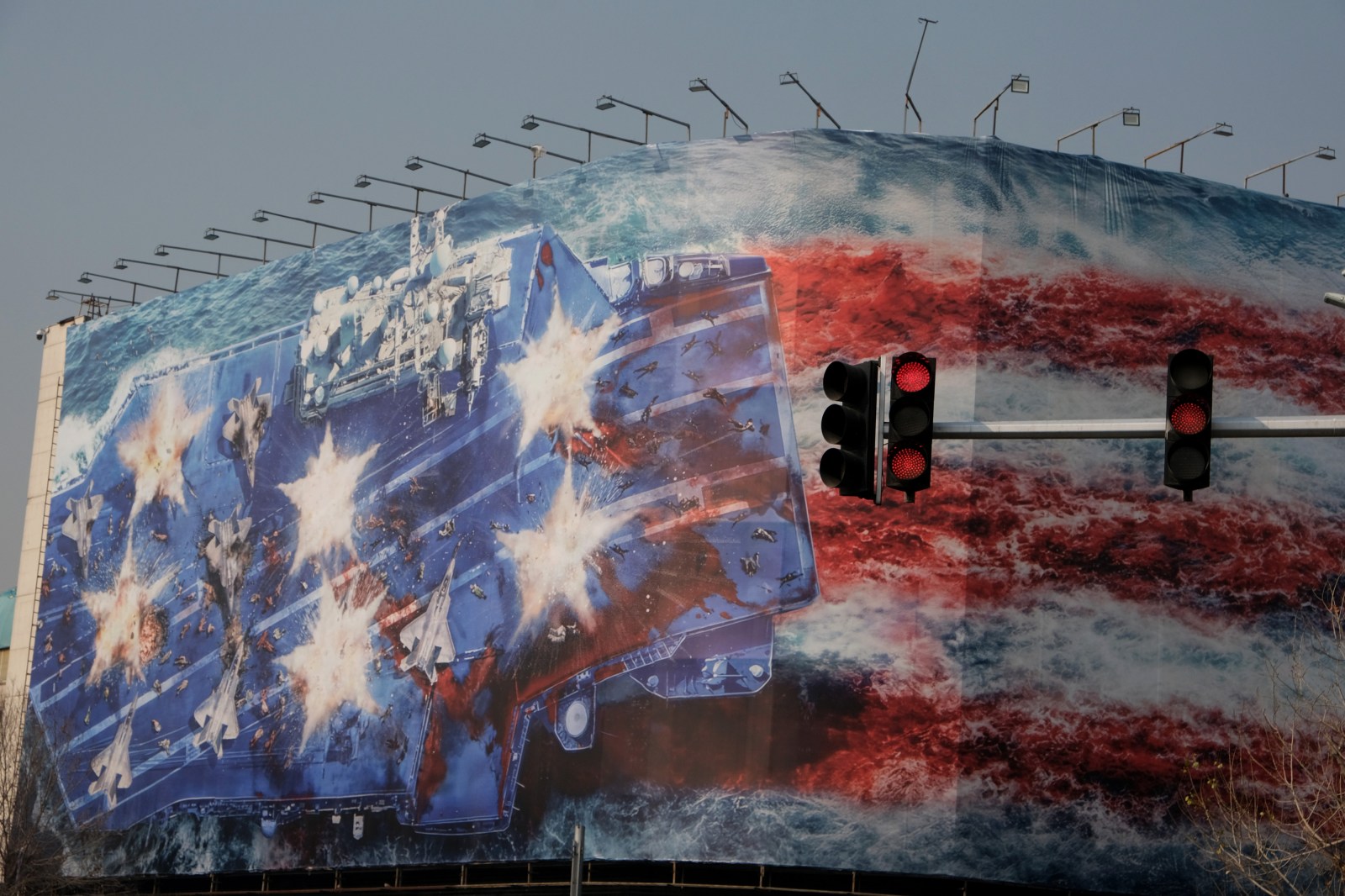
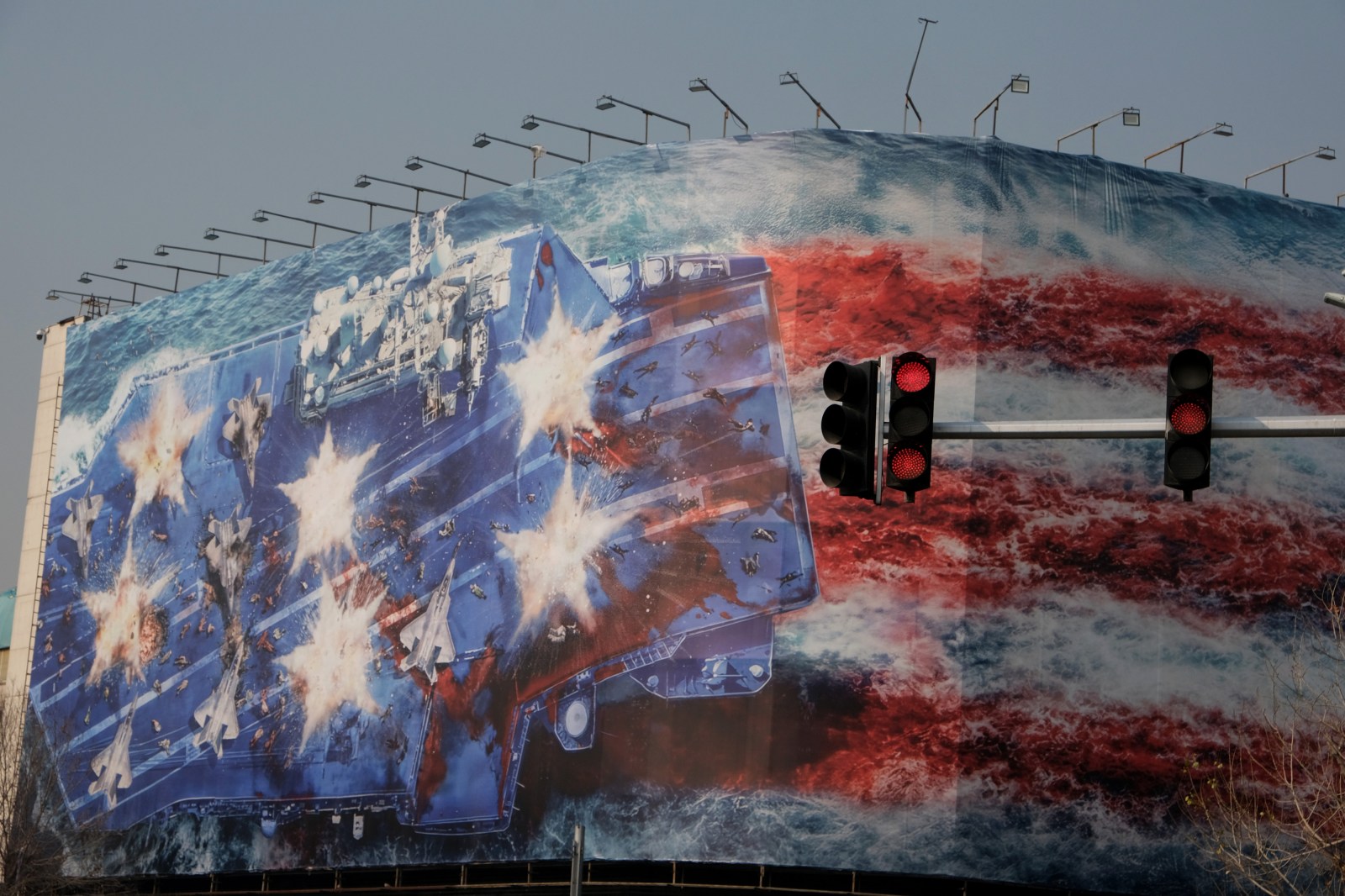
Khamenei’s stark warning follows Trump’s ambiguous stance On Feb. 1, Supreme Leader Ayatollah Ali Khamenei told a Tehran crowd that any U.S. attack would trigger a regional war and that Iran would deliver a “heavy blow” if struck, while President Donald Trump, speaking on Air Force One, offered no clear commitment to use force and urged Iran to negotiate over its nuclear program [1].
Iran schedules two‑day live‑fire exercise in the strategic strait Tehran announced a live‑fire naval drill for Sunday and Monday in the Strait of Hormuz, the narrow 3.2‑km traffic separation scheme that handles roughly one‑fifth of global oil shipments, with the Revolutionary Guard’s fast‑attack fleet expected to conduct the exercise [1][2][3].
U.S. Central Command warns against unsafe behavior near American forces CENTCOM cautioned that any “unsafe and unprofessional” actions, such as low‑altitude armed flights or weapons aimed at U.S. assets, could raise the risk of collision, escalation, and broader destabilization, and reiterated that the U.S. Navy, including the carrier USS Abraham Lincoln, remains the most lethal force in the region [2][3].
Regional tensions amplified by protest crackdown and reciprocal terrorist designations Iran’s security forces have detained over 49,500 protesters since Dec. 28, with death toll estimates ranging from 3,117 (official) to 6,713 (U.S.‑based agency), while the EU’s designation of the IRGC as a terrorist group prompted Iran’s parliament speaker to label all EU militaries terrorist in retaliation [1].
Analysts describe Iran’s “knife‑and‑handshake” strategy amid looming U.S. strikes Experts note Tehran is coupling public threats with diplomatic overtures, while U.S. officials are reportedly preparing possible strikes on Iran’s nuclear and missile sites before the midterm elections, a move intended to prevent a broader war [3][1].
Sources
-
1.
AP: Iran’s Supreme Leader Threatens Regional War Over Possible U.S. Attack – Details Khamenei’s war warning, live‑fire drill schedule, protest death toll, EU‑IRGC terrorist designations, and Trump’s non‑committal remarks .
-
2.
AP: Iran’s Live‑Fire Drill Raises Stakes in the Strait of Hormuz – Focuses on drill dates, strategic importance of the strait, CENTCOM cautions, and U.S. carrier group positioning .
-
3.
Newsweek: U.S. Warns Iran’s IRGC Over Live‑Fire Drills in Strait of Hormuz – Highlights CENTCOM’s explicit warning, IRGC readiness, diplomatic messaging from Iran’s foreign minister, analyst assessments of Iran’s dual‑track approach, and recent regional explosions .
Timeline
June 2025 – The United States conducts F‑35 strikes on Iranian nuclear facilities, prompting Tehran to condemn the attacks as violations of sovereignty and heightening regional tension[2].
June 2025 – Israel launches a 12‑day war against Iran; the United States responds by bombing three Iranian nuclear sites, while satellite imagery later suggests Iran attempts to conceal the damaged locations[3].
2025 – The European Union designates Iran’s Revolutionary Guard Corps as a terrorist organization; Iran’s parliament speaker retaliates by labeling all EU militaries terrorist, echoing a 2019 law used after a similar U.S. designation[3].
Dec 28, 2025 – Nationwide protests erupt in Iran; security forces detain over 49,500 people and record at least 6,713 deaths, while the government reports 3,117 deaths and labels many demonstrators “terrorists”[3].
Dec 5‑6, 2025 – The IRGC launches the two‑day “Shahid Mohammad Nazeri” naval drill across the Persian Gulf, Strait of Hormuz, and Sea of Oman, showcasing missiles, drones, and electronic‑warfare systems to refine readiness[2].
Dec 5, 2025 – During the drill, Iranian naval units issue a direct warning to U.S. warships to stay away from the exercise area, threatening decisive action against any interference[2].
Dec 5, 2025 – The drill concludes the following day as U.S. forces remain active in the region, while a Gulf Cooperation Council summit backs UAE claims to disputed islands, prompting Tehran to warn Gulf states against testing its red lines[2].
Jan 31, 2026 – U.S. Central Command issues an explicit warning that any “unsafe and unprofessional behavior” by Iran’s IRGC near U.S. forces or commercial traffic in the Strait of Hormuz could trigger escalation[1][4].
Jan 31, 2026 – Iran announces a two‑day live‑fire exercise for Sunday and Monday in the Strait of Hormuz, warning commercial vessels that naval shooting will occur within the narrow Traffic Separation Scheme that handles about one‑fifth of global oil trade[4].
Jan 31, 2026 – Iran’s army chief Amir Hatami affirms a high level of defensive readiness, while Foreign Minister Seyed Abbas Araghchi posts on X urging the United States to “set aside their threats” and signaling openness to negotiation[1].
Jan 31, 2026 – Analysts quote Behnam Ben Taleblu describing Iran’s strategy as “a knife and a handshake,” and Matt Gertken noting the U.S. may target Iran’s nuclear and missile sites before the November 2026 midterm elections[1].
Jan 31, 2026 – The U.S. positions the carrier USS Abraham Lincoln and guided‑missile destroyers in the Arabian Sea, signaling a possible strike as Iran prepares its live‑fire drill[4].
Feb 1, 2026 – Supreme Leader Ayatollah Ali Khamenei tells a Tehran crowd that any U.S. military action will become a regional war and that Iran will deliver a heavy blow if attacked[3].
Feb 1, 2026 – Iran conducts the scheduled live‑fire drill in the Strait of Hormuz, coinciding with the start of the commemoration of the 1979 Islamic Revolution, while U.S. CENTCOM reiterates that the drill must not threaten American warships or commercial traffic[3].
Feb 1, 2026 – President Donald Trump, speaking on Air Force One, declines to confirm a strike on Iran, stating “some people think that, some people don’t,” while urging Iran to negotiate a satisfactory nuclear deal[3].
Feb 1, 2026 – Ongoing crackdown reports indicate over 49,500 detainees and at least 6,713 protester deaths since Dec 28, 2025, underscoring the domestic turmoil that frames Iran’s aggressive external posture[3].
All related articles (4 articles)
External resources (5 links)
- https://www.iranintl.com/en/liveblog/202601258930 (cited 1 times)
- https://x.com/IranObserver0/status/1996871455900946913 (cited 1 times)
- https://x.com/araghchi (cited 1 times)
- https://www.bcaresearch.com/marketing/matt-gertken (cited 2 times)
- https://www.fdd.org/team/behnam-ben-taleblu/ (cited 2 times)