Hunger Strike Swells as New Amnesty Law Triggers Limited Prisoner Releases
Updated (5 articles)
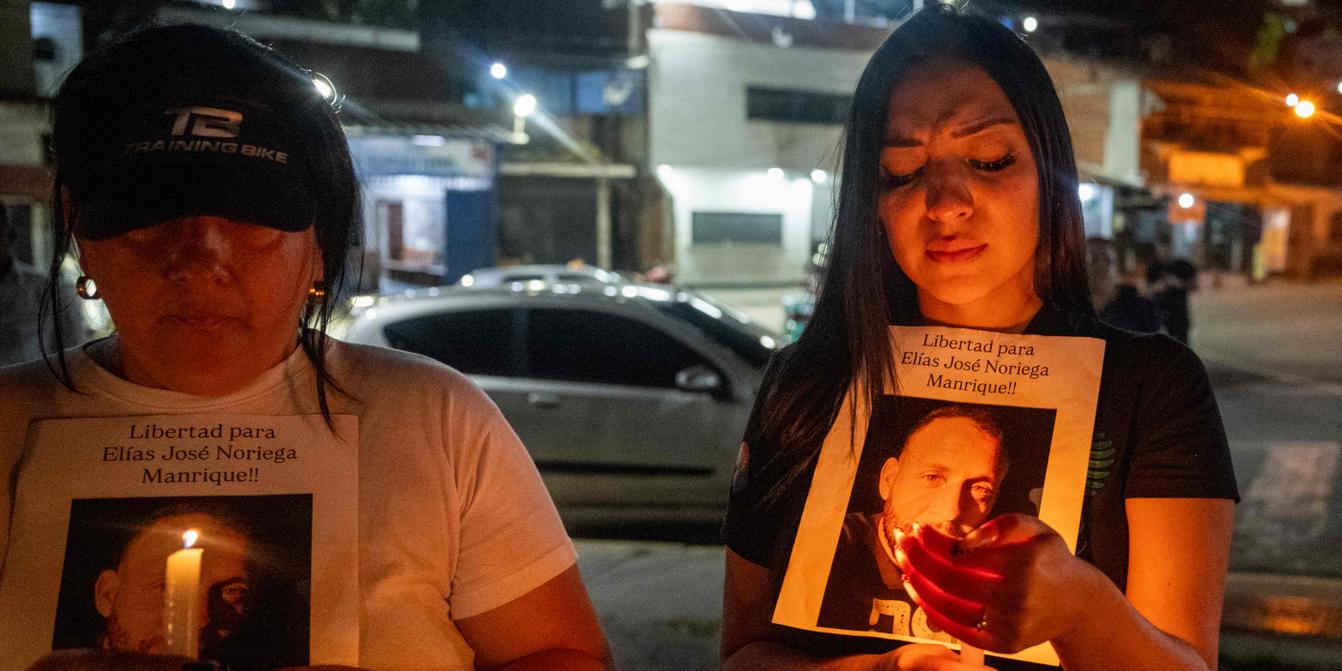
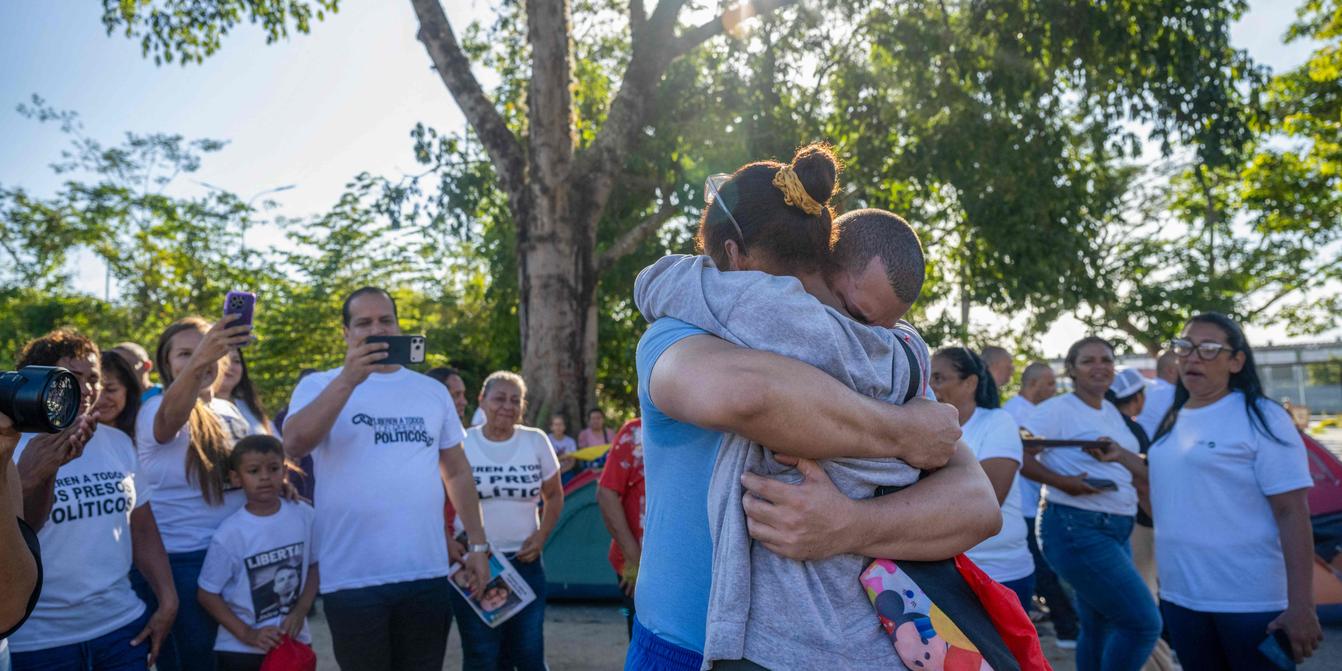
Amnesty Bill Passed and Signed Amid Political Turmoil Venezuela’s National Assembly approved a broad amnesty on 19 Feb 2026, and Acting President Delcy Rodríguez signed it into law the next day, promising freedom for politicians, activists and lawyers while barring those convicted of war crimes, murder, drug trafficking, corruption or foreign‑backed actions [3][4]. The legislation also permits lawyers to request amnesty for exiled detainees, a compromise that eased a parliamentary dispute [3][4]. Opposition figures expressed cautious optimism, with Nora Bracho calling it “a great step forward” and others warning the exclusions could trap many opponents [3].
Early Releases Remain Limited Compared with Detention Numbers Human‑rights NGO Foro Penal recorded 448 detainees freed since 8 Jan, while Le Monde reported 464 releases since the U.S. raid that captured Nicolás Maduro on 3 Jan, including 54 after the amnesty vote [1][3][4]. On 22 Feb, the interim government released 23 political prisoners, among them opposition member Juan Freites, adding to earlier court‑ordered releases that brought the total applications for amnesty to 1,557 [2]. Despite these steps, NGOs estimate more than 600 individuals remain incarcerated for political reasons [3][4].
Hunger Strike Grows at Rodeo I Prison After Exclusion Claims On Sunday 22 Feb, between 200 and 214 inmates at the Rodeo I facility 40 km east of Caracas began a hunger strike, protesting that the new law excludes most of them [1][2]. Families have gathered outside the prison for days, and the International Committee of the Red Cross gained its first access to both Rodeo I and the notorious Helicoid prison, describing the entry as “a first step” [2]. Prisoner Shakira Ibarreto, whose father was arrested in 2024, warned that the majority of detainees remain uncovered by the amnesty [1].
Domestic and International Pressure Intensifies Relatives of detainees, such as Marielis Guzmán, publicly appealed to U.S. President Trump to pressure the Venezuelan government, citing abuse of power [3]. Meanwhile, Acting President Rodríguez has moved to normalize relations with the United States after the January raid, though analysts doubt the law’s scope will address the many police, military and 1999‑2026 era prisoners still excluded [2]. Opposition reactions remain split, with some seeing the law as a concession and others denouncing procedural requirements as traps for exiles [3].
Release Figures Vary Across Reports, Highlighting Data Gaps Le Monde’s February 24 article cites 464 total releases since the raid, whereas AP and The Hindu report 448 releases since early January, reflecting inconsistencies in NGO and government accounting [1][3][4]. Both figures agree that hundreds remain detained, but the exact count differs by up to 16 individuals, underscoring challenges in verifying the law’s impact [1][3][4].
Sources
-
1.
Le Monde: Hunger strike by 200 Venezuelan inmates follows new amnesty law: Details the Feb 22 hunger strike of 200 prisoners at Rodeo I, their claim of exclusion from the Feb 19 amnesty, and notes 464 releases since the U.S. raid, with 54 after the amnesty vote .
-
2.
Le Monde: Venezuela releases 23 prisoners as hunger strike swells: Reports the Feb 22 release of 23 political detainees, the total of 1,557 amnesty applications, the ICRC’s first access to Rodeo I and Helicoid prisons, and critiques the law’s limited scope .
-
3.
AP: Venezuela’s Acting President Signs Amnesty Law Amid Calls for Prisoner Releases: Covers Delcy Rodríguez’s signing of the amnesty on 20 Feb, the law’s exclusions, the split opposition response, and families urging U.S. President Trump to intervene .
-
4.
The Hindu: Venezuela Legislature Passes Amnesty Bill Amid Political Prisoner Debate: Describes the 19 Feb parliamentary approval, the expected signing by Rodríguez, estimates of over 600 political detainees, and mentions families’ hunger strike beginning 14 Feb over slow releases .
Related Tickers
Timeline
1999 – The Chavismo era begins, later becoming the 27‑year span that the 2026 amnesty law seeks to cover, including political detainees from that period. [5]
2019 – Diplomatic relations between the United States and Venezuela break after U.S. sanctions, a rupture that the interim government later attempts to repair following the 2026 political transition. [4]
2024 – A contested presidential election triggers a wave of arrests and political repression, which the 2026 amnesty bill later references as part of “politically‑driven conflicts.” [5]
Jan 3, 2026 – U.S. special‑forces capture President Nicolás Maduro in Caracas, sparking a transition that intensifies international pressure on Venezuela to address political prisoners. [3]
Early Jan 2026 – The interim government frees 448 detainees after the U.S. raid, yet human‑rights NGO Foro Penal estimates more than 600 political prisoners remain incarcerated. [1][2]
Feb 5, 2026 – Venezuela’s National Assembly unanimously adopts a historic amnesty bill in a first‑reading session, mandating release of political detainees and dropping terrorism‑related charges while excluding grave crimes. [5]
Feb 6, 2026 – Acting President Delcy Rodríguez declares the amnesty “a very important event for Venezuela” and says it fulfills a promise made under U.S. diplomatic pressure. [5]
Feb 14, 2026 – Families of political detainees launch a hunger strike outside detention centers, demanding faster implementation of the amnesty after only 448 releases. [2]
Feb 19, 2026 – The National Assembly passes the amnesty bill into law, targeting over 600 political detainees and defining exclusions for war crimes, murder, drug trafficking, corruption and foreign‑backed activism. [2]
Feb 19, 2026 – Opposition lawmaker Nora Bracho praises the measure, saying, “It’s not perfect, but it’s a great step forward.” [2][1]
Feb 19, 2026 – Pedro Urruchurtu, a Machado aide in exile, condemns the requirement that exiles appear in court, calling the law a “trap.” [1]
Feb 20, 2026 – Acting President Delcy Rodríguez signs the amnesty law, allowing lawyers abroad to request amnesty for exiled detainees and granting them protection from arrest upon return. [1]
Feb 22, 2026 – The interim government releases 23 political prisoners, including seven members of the opposition Vente Venezuela, after the law takes effect. [4]
Feb 22, 2026 – More than 200 inmates at Rodeo I prison begin a hunger strike, demanding inclusion under the new amnesty and protesting that most are excluded. [3][4]
Feb 22, 2026 – Shakira Ibarreto states, “La plupart des détenus incarcérés ici ne sont pas couverts par la loi d’amnistie,” underscoring the law’s limited reach. [3]
Feb 23, 2026 – The International Committee of the Red Cross gains first access to El Rodeo I and the notorious Helicoid prison, a “first step” toward monitoring detainee health. [4]
Feb 23, 2026 – A parliamentary commission is announced to review excluded cases, signaling a possible expansion of amnesty coverage. [4]
Feb 24, 2026 – Foro Penal reports 464 releases since the U.S. raid, including 54 freed after the Feb 19 amnesty vote, while the Rodeo I hunger strike swells. [3]
2026 election cycle (future) – The amnesty could restore eligibility for opposition leader María Corina Machado, allowing her to run in upcoming elections. [5]
All related articles (5 articles)
-
Le Monde: Hunger strike by 200 Venezuelan inmates follows new amnesty law
-
Le Monde: Venezuela releases 23 prisoners as hunger strike swells
-
AP: Venezuela’s Acting President Signs Amnesty Law Amid Calls for Prisoner Releases
-
The Hindu: Venezuela Legislature Passes Amnesty Bill Amid Political Prisoner Debate
-
Le Monde: Venezuela’s Assembly Passes Historic Amnesty Bill in First Reading