Trump’s Affordability Message Falters as Approval Drops and Immigration Criticism Grows
Updated (8 articles)
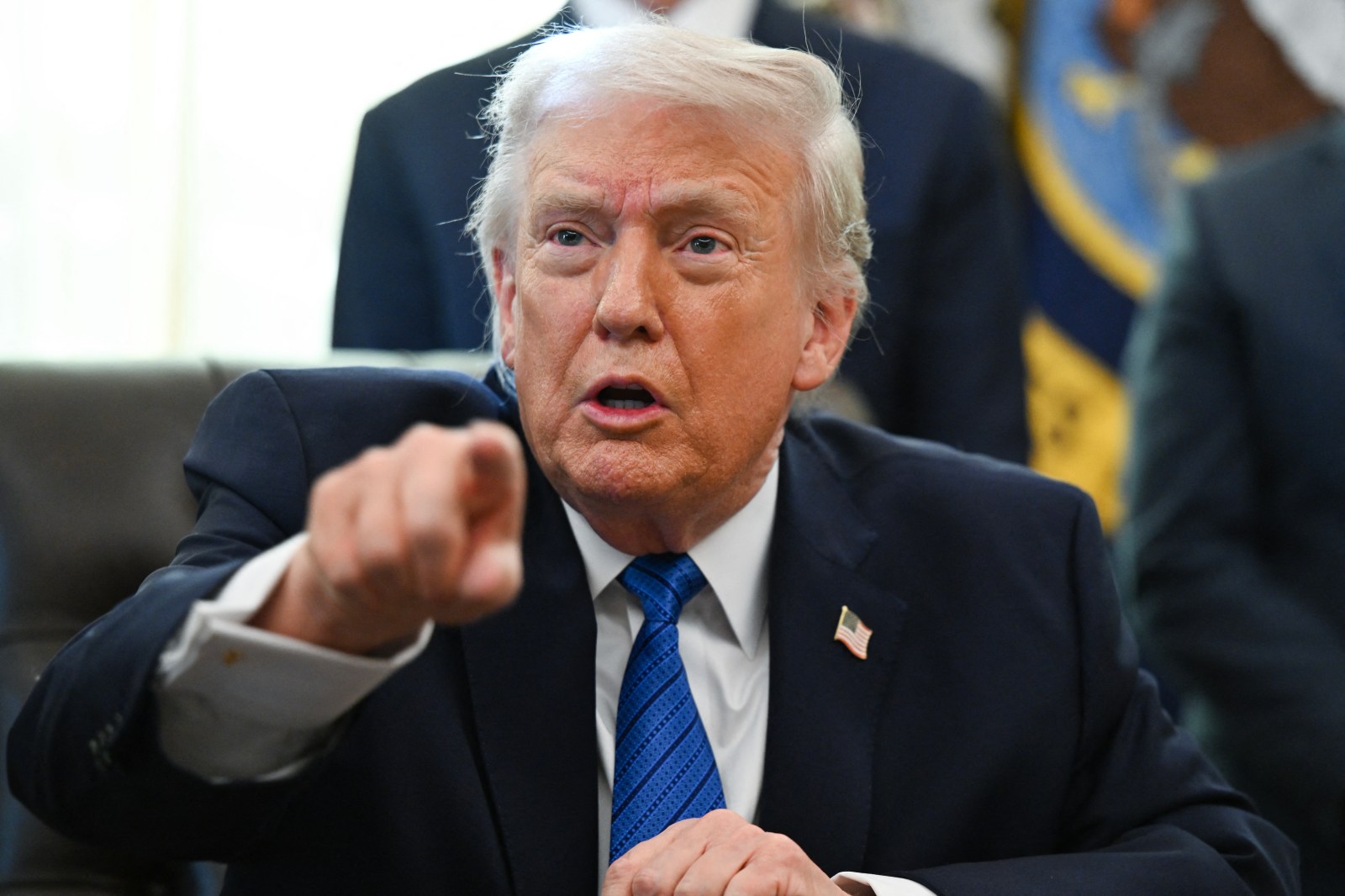
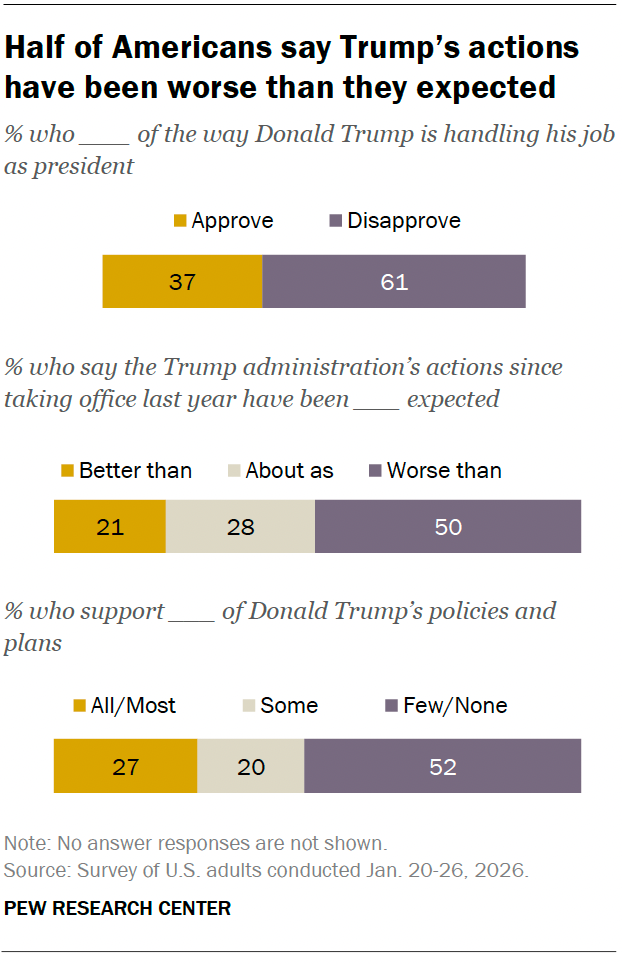
Polls Show Affordability Pitch Misses Voter Priorities Recent surveys reveal President Donald Trump’s focus on “affordability” fails to sway the electorate. A January AP‑NORC poll of 1,203 adults shows only 38 % of U.S. adults approve his immigration handling, down from 49 % in March, while a Fox News poll (Jan 23‑26, 1,005 voters) records overall approval at 44 % and 70 % say the economy is in bad shape [1][2]. The New York Times poll indicates half of registered voters believe Trump’s policies have made life “less affordable,” and a Pew Research survey (Jan 20‑26, 8,512 adults) reports approval at 37 % [1][2]. Voters consistently rank domestic economic concerns above foreign adventures, pressuring the administration to recalibrate its messaging.
Republican Support for Trump’s Agenda Erodes Sharply Both polls document a steep decline in GOP backing for the president’s agenda. Support for “all or most” Trump policies among Republicans fell from 67 % a year ago to 56 % in the latest Pew poll, mirroring the AP‑NORC finding of reduced confidence in his mental fitness and ethical conduct [1][2]. The erosion appears confined to the Republican base, as Democratic and independent approval remains low but stable. This shift signals growing reluctance within the party to grant automatic loyalty to Trump’s proposals.
Immigration Enforcement Faces Growing Backlash Six‑in‑10 respondents in the New York Times poll say ICE tactics have “gone too far,” and a YouGov‑Economist poll (Jan 23‑26, 1,684 adults) shows 55 % have very little confidence in ICE, a ten‑point rise since December [1][2]. Support for cutting ICE funding reaches 51 %, while Civiqs data indicates backing for abolishing ICE rose from 19 % in late 2024 to 44 % now, with 75 % of Democrats in favor [2]. These figures underscore a broadening consensus that the administration’s immigration stance is overly aggressive.
Foreign‑Policy Initiatives Prompt Broad Disapproval Pew poll finds about 60 % of U.S. adults oppose the proposed acquisition of Greenland, with only roughly 40 % of Republicans supporting it [1]. The AP‑NORC survey reports 56 % think Trump has “gone too far” deploying forces abroad and 57 % disapprove of his handling of Venezuela [2]. Voter sentiment consistently favors a domestic focus, linking foreign‑policy missteps to potential midterm losses for the president’s party.
Sources
-
1.
AP:Trump’s Affordability Pitch Fails to Convince Voters, Polls Show: Analyzes multiple January polls showing low approval of Trump’s affordability message, rising criticism of ICE, slipping immigration approval, and unpopular foreign‑policy ideas such as Greenland acquisition .
-
2.
Newsweek:Trump’s Approval Slips Amid Economic, Health‑Care and Foreign‑Policy Concerns: Highlights historic low approval numbers, sharp Republican backing decline, heightened health‑care cost anxiety, and backlash against overseas deployments and Venezuela policy .
Primary Data (4)
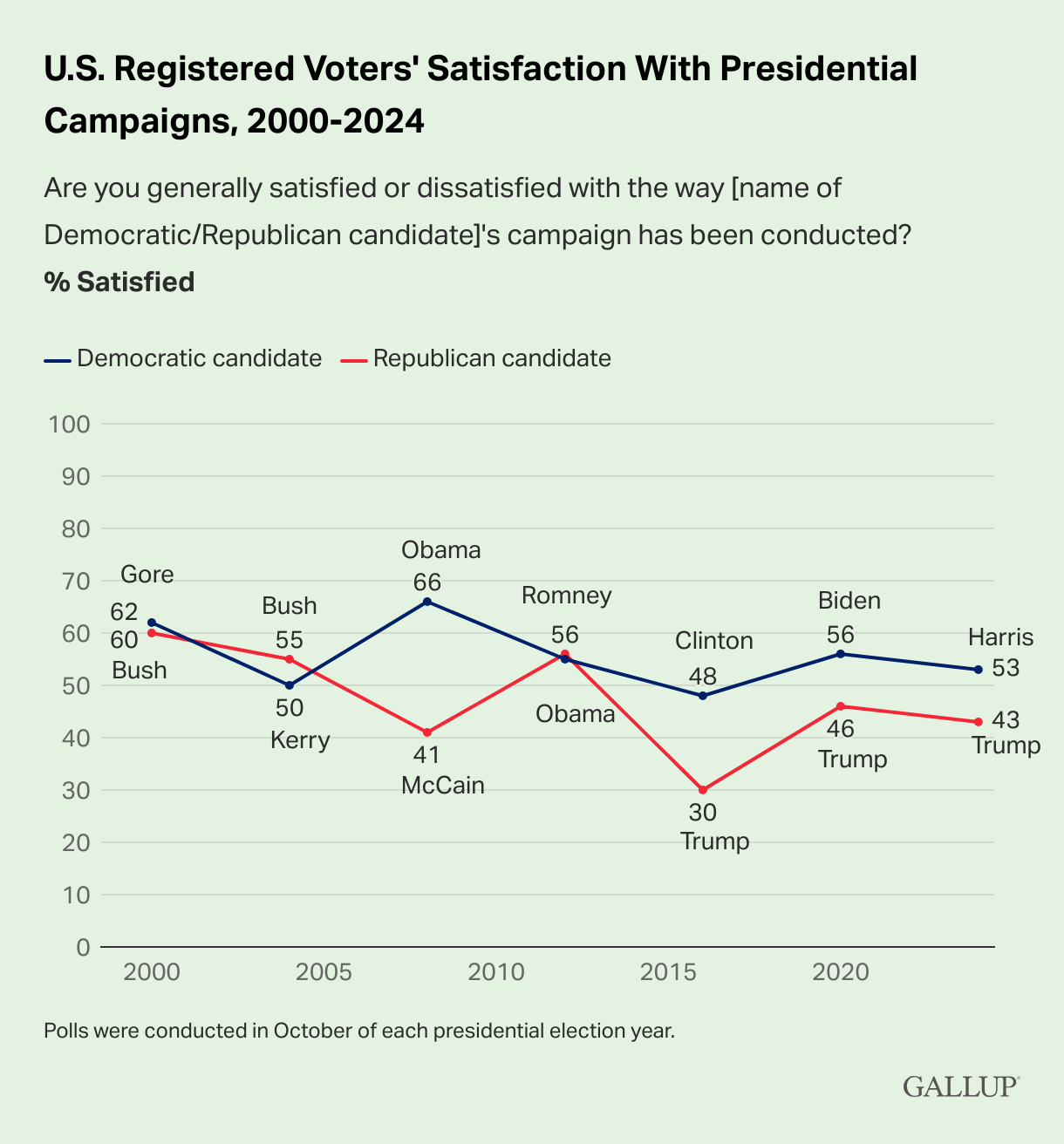
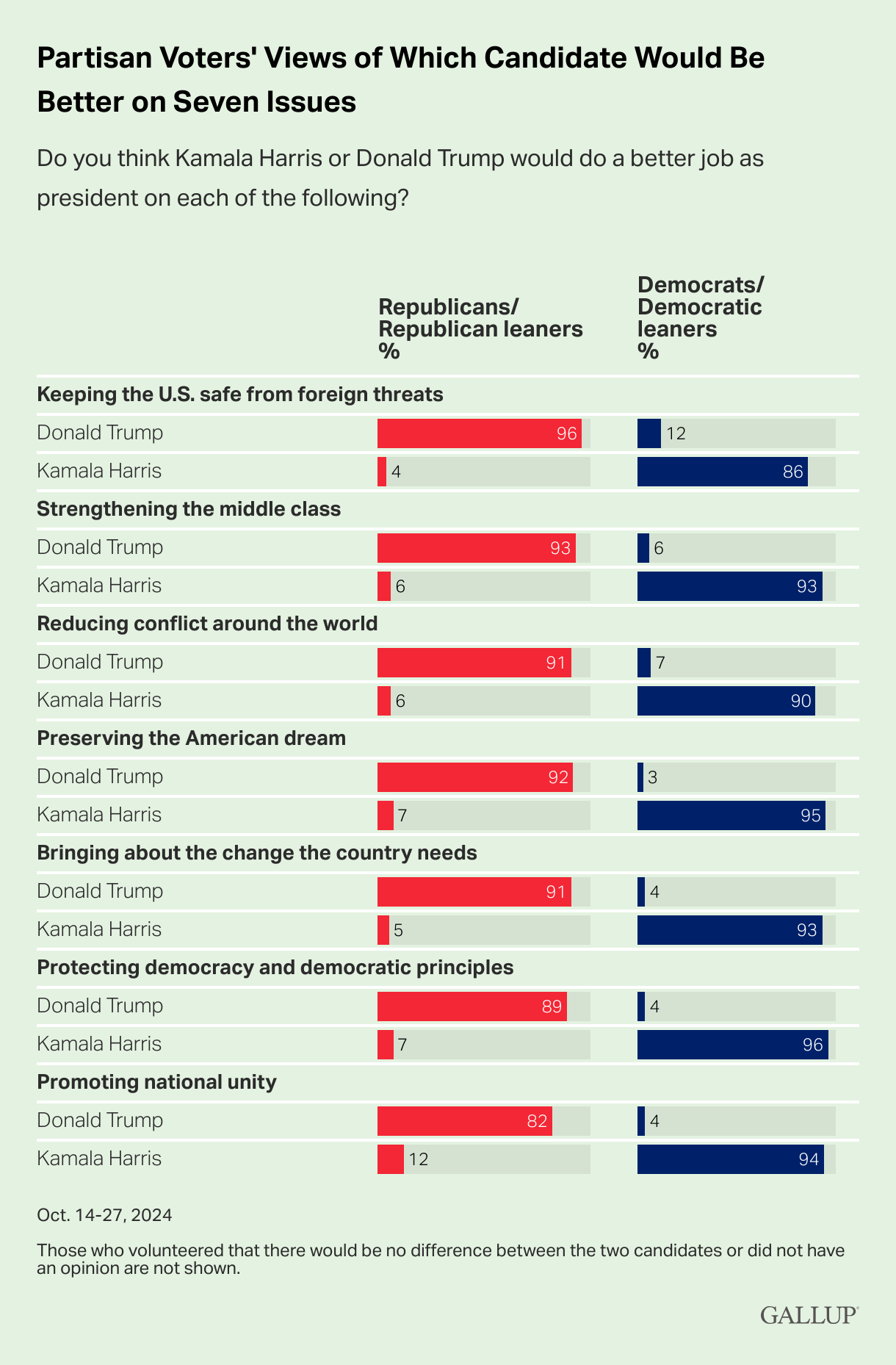
Gallup: Economy, Immigration, Abortion, Democracy Driving Voters
Published (6 tables/charts)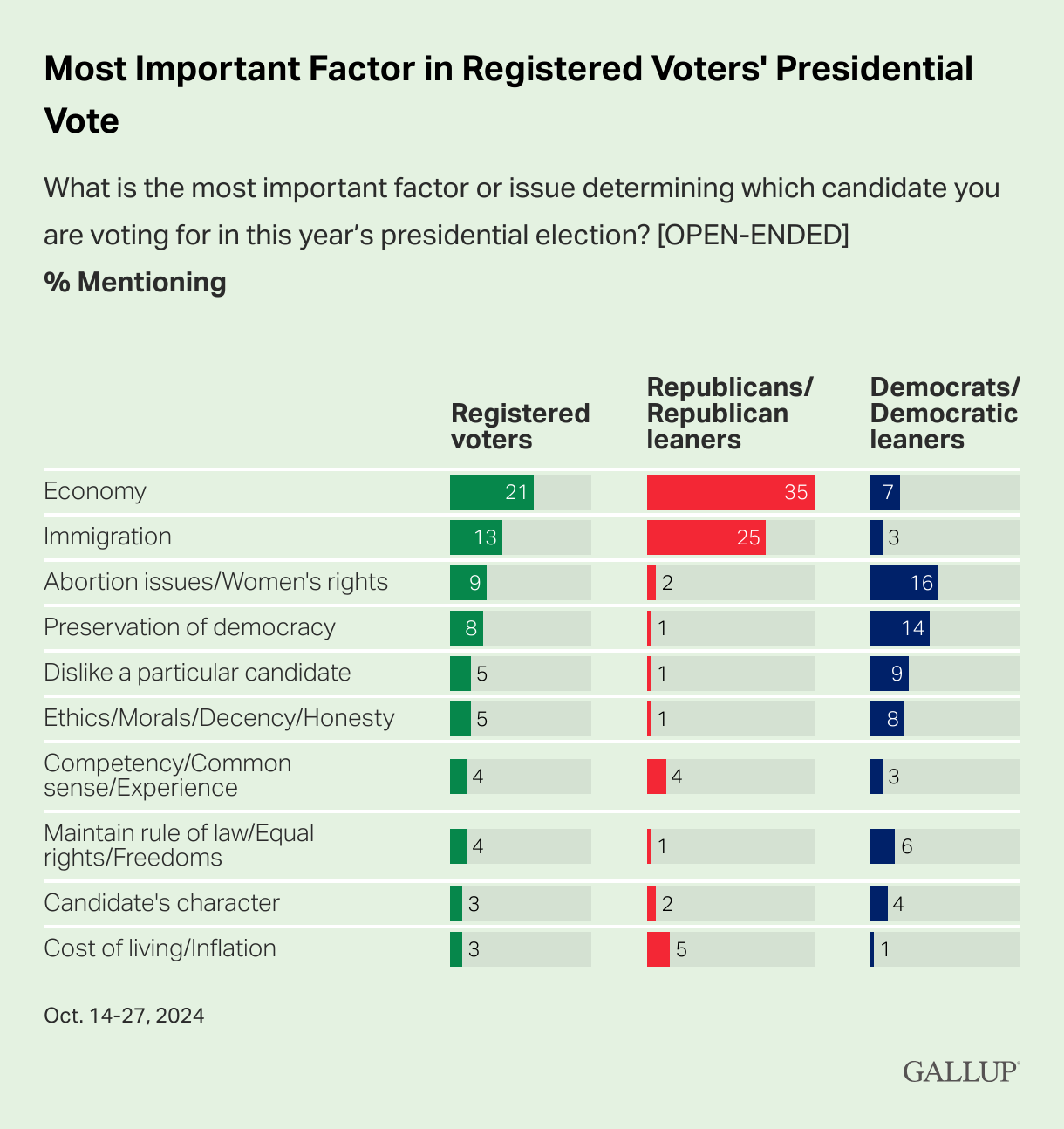
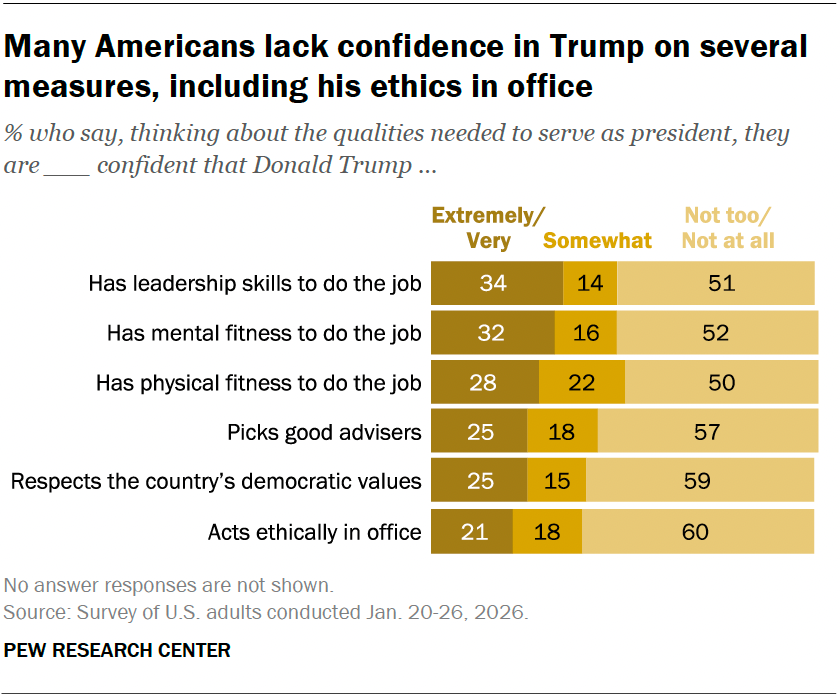
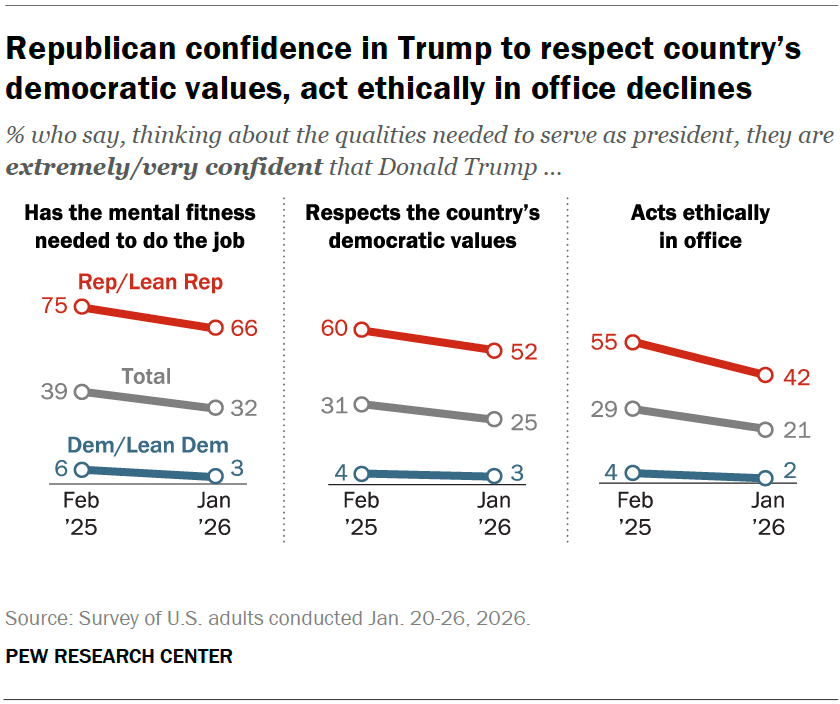
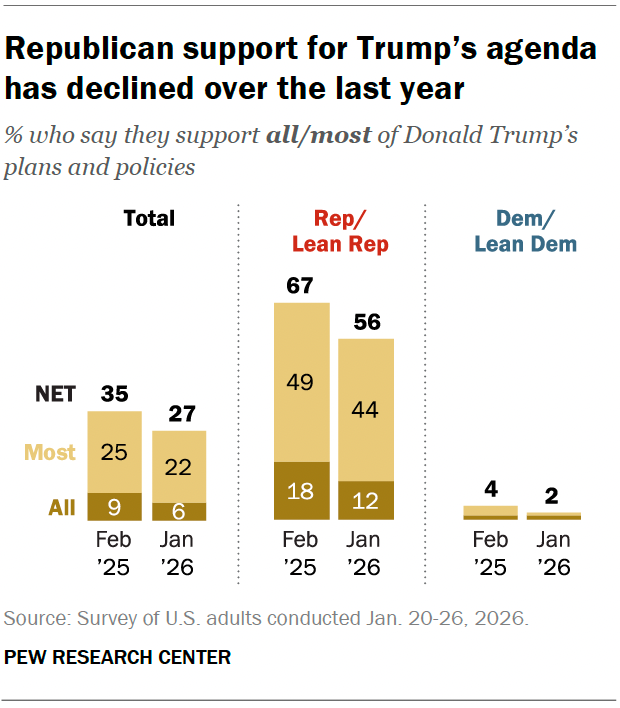
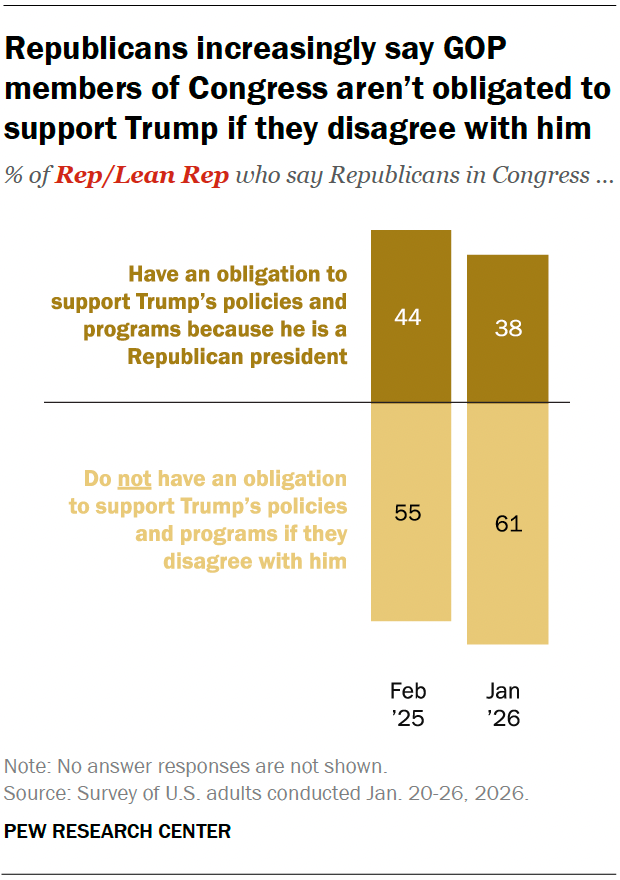
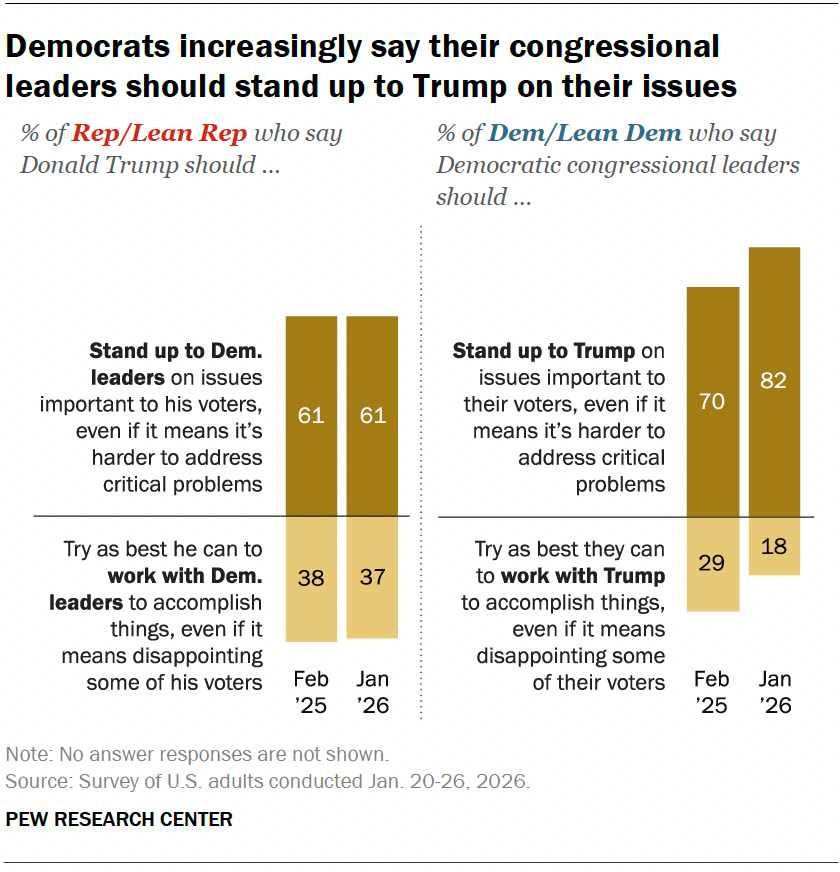
Pew: Confidence in Trump Dips, and Fewer Now Say They Support His Policies and Plans
Published (6 tables/charts)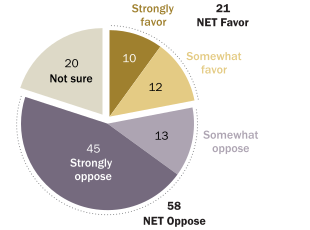
Timeline
Nov 2024 – Trump wins the presidential election, with exit polls showing a narrow working‑class victory that reverses recent trends as he campaigns on jobs and lower prices, setting the backdrop for his affordability agenda [6].
2025 – The Federal Reserve cuts rates twice, lowering the policy rate to about 3.9% while inflation hovers near 3%, creating mixed economic signals that the administration cites in its messaging [1].
Dec 10, 2025 – At a Pennsylvania rally, Trump declares that consumer prices are falling “tremendously,” makes “making America affordable again” his top priority, rolls back food tariffs, unveils a $12 billion farmer‑aid package, and frames the event as the first of a planned series of economic‑focused rallies [1].
Dec 12‑15, 2025 – A Fox News poll finds 44% approve Trump’s overall job performance, only 39% approve his economic management, 72% rate economic conditions as fair or poor, and 44% say they are falling behind financially; the BLS reports November CPI at a 2.7% annual rate, the lowest since March 2021 [7].
Dec 18, 2025 – Trump delivers a prime‑time national address claiming he has fixed the economy and attacking Biden; fact‑checkers label many of his statistics on falling prices and wages as exaggerated, while official data show inflation cooled to 2.7% in November and health‑insurance premiums rise as temporary subsidies end; a Quinnipiac poll blames Trump for the economy (57%) [3].
Dec 20‑22, 2025 – A YouGov/Economist poll of nearly 1,600 adults shows working‑class approval at 31% and a net approval of –34 points, a drop from the November poll and reflecting persistent high prices and labor‑market weakness [6].
Dec 26, 2025 – The YouGov/Economist release highlights the same low‑income approval figure (31%) and notes the decline from earlier in the year, underscoring growing political vulnerability for Trump as 2026 approaches [6].
Late Dec 2025 (Dec 26‑29) – A YouGov/Economist poll of 1,550 adults confirms the 31% approval among earners ≤$50,000 and a –34 net rating, while a December Quinnipiac phone survey shows broad opposition to U.S. military action in Venezuela across party lines [5].
Jan 1, 2026 – Late‑2025 polling indicates Trump’s support erodes among working‑ and middle‑class voters; lower‑income approval sits at 31%, Gallup rates him a “strong leader” at 48% (down from 59%), and the Quinnipiac poll registers widespread disapproval of a potential Venezuela intervention, framing a tough electoral outlook for the November midterms [5].
Jan 16, 2026 – A CNN/SSRS poll reports 58% of Americans label Trump’s first year a failure, his overall approval falls to 39%, the economy is the top issue by a two‑to‑one margin, 9 in 10 Republicans still approve of him, and 58% say he overuses presidential power, while only 4 in 10 expect the economy to improve in a year [2].
Jan 31, 2026 – Fox News and Pew Research polls show Trump’s approval at historic lows (44% overall, 37% in Pew), 70% think the economy is in bad shape, Republican backing for “all or most” of his policies drops to 56%, health‑care affordability worries 66% of adults, foreign‑policy moves draw backlash (56% say he’s gone too far abroad, 57% disapprove of Venezuela stance), and confidence in ICE falls to 55% [4].
Feb 2, 2026 – New polls reveal most voters doubt Trump’s affordability message, with about half saying his policies have made life less affordable and 7 in 10 saying he isn’t spending enough time on the economy; immigration enforcement is viewed as too aggressive (60% say ICE tactics have gone too far), approval of his immigration handling slips to 38%, a Pew poll shows 6 in 10 oppose a Greenland acquisition, and GOP support for his overall agenda declines to 56% [8].
Nov 2026 (future) – Midterm elections loom, with congressional control at stake and economic concerns projected to dominate voter decisions, setting a critical test for Trump’s party and his affordability agenda [5].
All related articles (8 articles)
-
AP: Trump’s Affordability Pitch Fails to Convince Voters, Polls Show
-
Newsweek: Trump’s Approval Slips Amid Economic, Health‑Care and Foreign‑Policy Concerns
-
CNN: CNN poll finds Americans say Trump is focused on the wrong priorities; economy dominates concerns
-
Newsweek: Late-2025 polls show Trump vulnerability as 2026 begins
-
Newsweek: Trump's working-class approval sinks to historic low in YouGov/Economist poll
-
Newsweek: Fox News poll shows declining support for Trump’s economy
-
CNN: Trump’s prime‑time address on economy draws criticism and low approval
-
BBC: Trump vows to make US affordable again, as Americans feel the pinch
External resources (18 links)
- https://news.gallup.com/poll/652970/economy-immigration-abortion-democracy-driving-voters.aspx (cited 1 times)
- https://poll.qu.edu/poll-release?releaseid=3943 (cited 1 times)
- https://www.kff.org/public-opinion/kff-health-tracking-poll-health-care-costs-expiring-aca-tax-credits-and-the-2026-midterms/ (cited 1 times)
- https://www.pewresearch.org/politics/2026/01/29/confidence-in-trump-dips-and-fewer-now-say-they-support-his-policies-and-plans/#do-republicans-in-congress-have-an-obligation-to-support-trump (cited 1 times)
- https://www.pewresearch.org/politics/2026/01/29/confidence-in-trump-dips-and-fewer-now-say-they-support-his-policies-and-plans/?utm_source=AdaptiveMailer&utm_medium=email&utm_campaign=26-01-29%20W185%20Main%20Report&org=982&lvl=100&ite=17283&lea=4831761&ctr=0&par=1&trk=a0DQm00000AFTqLMAX (cited 1 times)
- https://www.pewresearch.org/short-reads/2026/01/29/few-americans-support-trumps-proposed-takeover-of-greenland/ (cited 1 times)
- https://apnorc.org/projects/the-public-is-concerned-about-trumps-policy-priorities/ (cited 2 times)
- https://www.foxnews.com/politics/fox-news-poll-donald-trump-starts-2026-44-approval (cited 2 times)
- https://www.nytimes.com/interactive/2026/01/26/polls/times-siena-national-poll-crosstabs.html (cited 2 times)
- https://static.foxnews.com/foxnews.com/content/uploads/2026/01/fox_january-23-26-2026_national_cross-tabs_january-28-release.pdf (cited 1 times)
- https://www.foxnews.com/politics/fox-news-poll-59-voters-say-ice-too-aggressive-up-10-points-since-july.amp (cited 1 times)
- http://today.yougov.com/politics/articles/53954-confidence-ice-falling-half-americans-support-cutting-ice-funding-january-23-26-2026-economist-yougov-poll (cited 1 times)
- https://civiqs.com/results/abolish_ice?uncertainty=true&zoomIn=true&annotations=true (cited 1 times)
- https://d3nkl3psvxxpe9.cloudfront.net/documents/econTabReport_8FWGyNz.pdf (cited 1 times)
- https://d3nkl3psvxxpe9.cloudfront.net/documents/econTabReport_nBgFw7w.pdf (cited 1 times)
- https://harvardharrispoll.com/wp-content/uploads/2025/12/HHP_Dec2025_KeyFindings.pdf (cited 1 times)
- https://www.conference-board.org/topics/consumer-confidence/ (cited 1 times)