U.S. Prepares Possible Weekend Strike as Iran Nears Industrial‑Grade Uranium
Updated (7 articles)
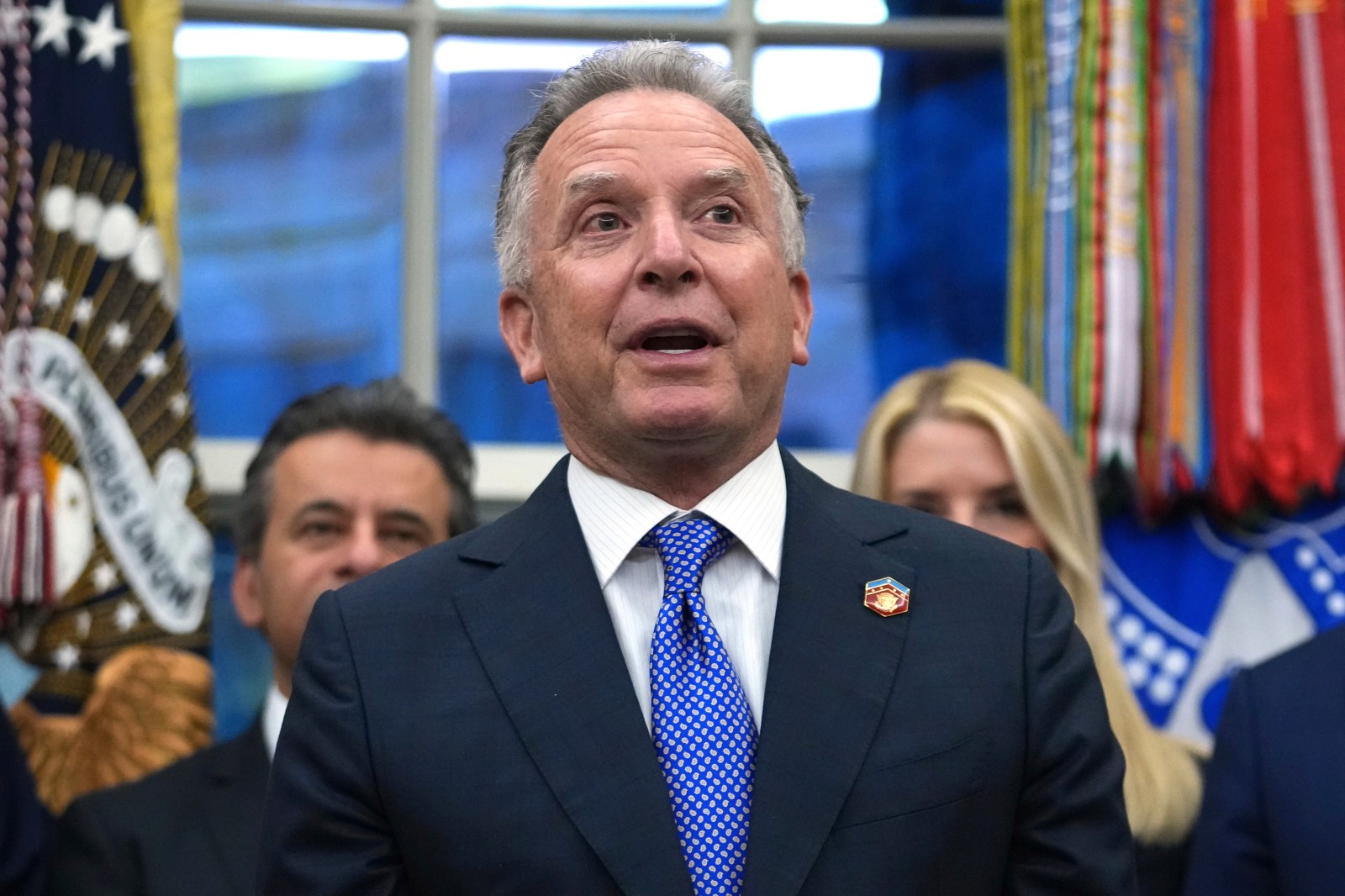
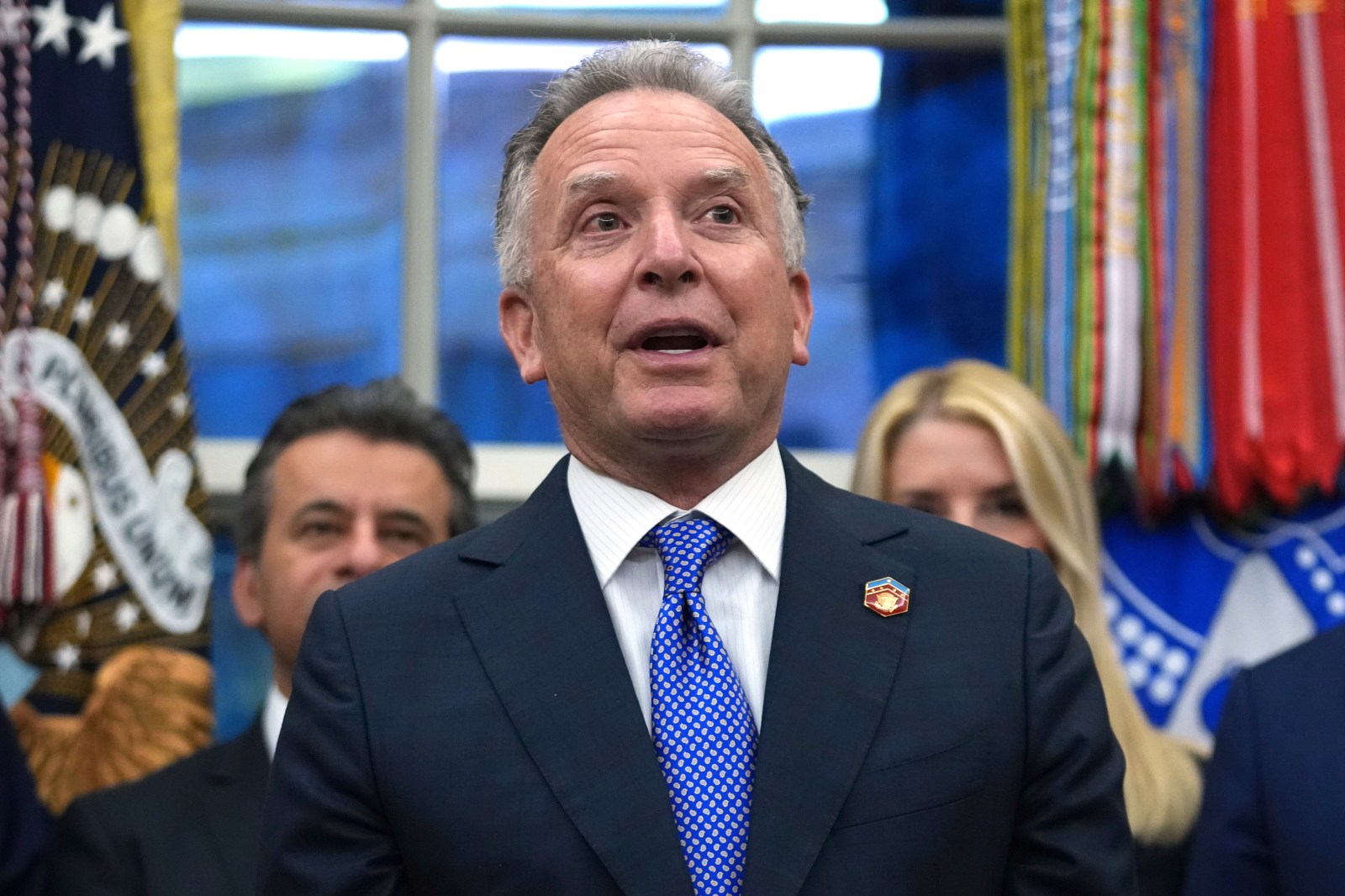
Enrichment Progress Brings Iran Close to Weapon‑Ready Material Iran has raised uranium enrichment to 60 % purity, short of the 90 % threshold for a nuclear weapon but close enough for a rapid final push, according to U.S. envoy Steve Witkoff, who warned Tehran could possess industrial‑grade bomb material within a week [1]. The June 2025 U.S.–Israeli strikes destroyed key centrifuges and set back the program by an estimated one to two years, yet the current level suggests a swift acceleration is feasible [1]. Iran’s own statements claim it lacks enriched material, operating machines, and a delivery system, creating a stark contrast with the envoy’s assessment [1].
U.S. Military Positions Indicate Imminent Attack Capability The White House has been briefed that, after deploying two aircraft carriers and additional air and naval assets, U.S. forces could be ready to launch strikes on Iran as early as the upcoming weekend [2]. This buildup follows a broader regional force increase and preparation for a multi‑week air campaign, reflecting heightened readiness for direct action [2]. The rapid deployment underscores Washington’s intent to respond swiftly if diplomatic avenues fail.
Iran Accelerates Repairs and Fortifies Nuclear Sites Satellite imagery from February 10, 2026 shows Iran rebuilding three of twelve missile structures at the Imam Ali base, repairing runways at Tabriz and Hamadan airfields, and restoring the Shahrud solid‑propellant missile plant, potentially restoring missile capacity beyond pre‑war levels [2]. High‑resolution photos also reveal fresh concrete sealing tunnel entrances at the Pickaxe Mountain complex near Natanz and a concrete sarcophagus at the Taleghan 2 site in Parchin, effectively bunkerizing key nuclear facilities against air attacks [2]. Tehran has reorganized its security governance, creating a new Defense Council led by former IRGC commander Ali Shamkhani to coordinate defense preparations [2].
Contrasting Claims Highlight Uncertainty Over Iran’s Nuclear Readiness While the U.S. envoy emphasizes a looming ability to produce bomb‑grade material, Iranian officials maintain that the nation lacks the necessary material, machinery, and delivery systems, suggesting a gap between external threat assessments and Tehran’s self‑portrayal [1]. This discrepancy fuels divergent policy approaches, with the United States demanding “zero enrichment” at upcoming Geneva talks, whereas Iran dismisses the urgency of such demands [1].
Sources
-
1.
Newsweek: Iran Nearing Industrial‑Grade Bomb Material, U.S. Envoy Warns: Highlights Witkoff’s warning of a week‑long timeline to bomb‑grade uranium, 60 % enrichment level, and Iran’s denial of material and machines, framing the diplomatic push for “zero enrichment” .
-
2.
CNN: US Military Buildup Raises Prospect of Strike on Iran Amid Tehran’s War Preparations: Details U.S. force deployments poised for a weekend strike, Iran’s rapid missile‑site repairs, fortification of nuclear complexes, and the creation of new defense councils, emphasizing the escalating military tension .
Related Tickers
Timeline
June 13 – June 22, 2025 – Israel and the United States launch a coordinated air campaign that destroys the Pilot Fuel Enrichment Plant at Natanz (June 13) and follows up with a strike on underground cascades (June 22), “obliterating” key centrifuge infrastructure and setting back Iran’s nuclear program by an estimated one‑to‑two years [2][3][6].
December 13, 2025 – Satellite imagery from ISIS shows panels installed over the damaged anti‑drone cage at Natanz’s Pilot Fuel Enrichment Plant, indicating Tehran is sheltering the site to study or retrieve material while the rest of the complex remains largely silent [4].
December 22, 2025 – In an RT interview, Foreign Minister Abbas Araghchi declares Iran’s nuclear program remains “peaceful” and asserts “Technology cannot be bombed,” rejecting any pre‑conditions on enrichment despite recent U.S. strikes [3].
Late December 2025 – Iran completes concrete roofs over the wreckage at Natanz and the Isfahan Nuclear Technology Center, effectively blocking external satellite observation and limiting IAEA verification of any surviving nuclear material [6].
January 19, 2026 – The IAEA reports it has been unable to verify the status of Iran’s 440.9 kg of 60 %‑enriched uranium stockpile since the June war, warning that internal protests and regime instability could erode safeguards and raise diversion risks [7].
January 31, 2026 – New Planet Labs images reveal the roofs over Natanz and Isfahan, expanding dirt piles at the “Pickaxe Mountain” site south of Natanz, and reconstruction of Parchin’s Taleghan 2 facility with a large containment vessel for high‑explosive testing [6].
February 10, 2026 – High‑resolution photos show fresh concrete sealing tunnel entrances at the Pickaxe Mountain complex near Natanz and a concrete sarcophagus topped with soil at Taleghan 2 in Parchin, turning both sites into bunker‑like structures to resist air attacks [1].
February 20, 2026 – The White House briefs that, after deploying two aircraft carriers and a surge of air and naval assets, U.S. forces could be ready to strike Iran as early as the coming weekend, signaling a potential multi‑week air campaign [1].
February 2026 (ongoing) – Iran rapidly repairs missile infrastructure damaged in the June 2025 strikes, rebuilding three of twelve destroyed structures at the Imam Ali Missile Base, runway work at Tabriz and Hamadan, and restoring the Shahrud solid‑propellant plant, potentially restoring pre‑war missile capacity [1].
February 2026 (ongoing) – The Supreme National Security Council expands under Ali Larijani and a new Defense Council led by former IRGC commander Ali Shamkhani is created to “strengthen defense preparations” and develop counter‑threat mechanisms [1].
February 2026 (ongoing) – Iran’s IRGC temporarily closes parts of the Strait of Hormuz, conducts joint naval drills with Russia to retake a mock hijacked ship, and threatens a U.S.–flagged tanker, demonstrating its intent to make any conflict costly for Washington [1].
February 22, 2026 – U.S. special envoy Steve Witkoff tells Fox News Iran could obtain “industrial‑grade bomb‑making material” within about a week, noting enrichment at 60 %—short of weapons‑grade but close enough for a rapid final push, and urges “zero enrichment” at upcoming Geneva talks [2].
Future (2026 Q2) – The United States plans to demand a narrowly defined “token enrichment” proposal at Geneva negotiations, offering it only if every pathway to a nuclear weapon is verifiably blocked, while Iran’s foreign minister continues to label the U.S. military buildup “absolutely unnecessary and unhelpful” [2].
All related articles (7 articles)
-
Newsweek: Iran Nearing Industrial‑Grade Bomb Material, U.S. Envoy Warns
-
CNN: US Military Buildup Raises Prospect of Strike on Iran Amid Tehran’s War Preparations
-
AP: Iran Builds Roofs Over War‑Damaged Nuclear Sites, Satellite Images Reveal
-
AP: Iran protests raise nuclear risk as internal upheaval threatens stockpile, IAEA warns
-
Newsweek: Iran asserts peaceful nuclear program and enrichment rights despite U.S. strikes
-
Newsweek: Satellite imagery shows renewed activity at Iran's PFEP site after June damage
-
Newsweek:
External resources (4 links)
- https://x.com/DAVIDHALBRIGHT1/status/2023828345276821724 (cited 1 times)
- https://x.com/IDF/status/1997718694898606343?s=20 (cited 1 times)
- https://outrider.org/ (cited 2 times)
- https://www.carnegie.org/ (cited 2 times)