Russian Drone‑Missile Barrage Injures Dozens, Triggers NATO Jet Response, While Talks Stall
Updated (3 articles)
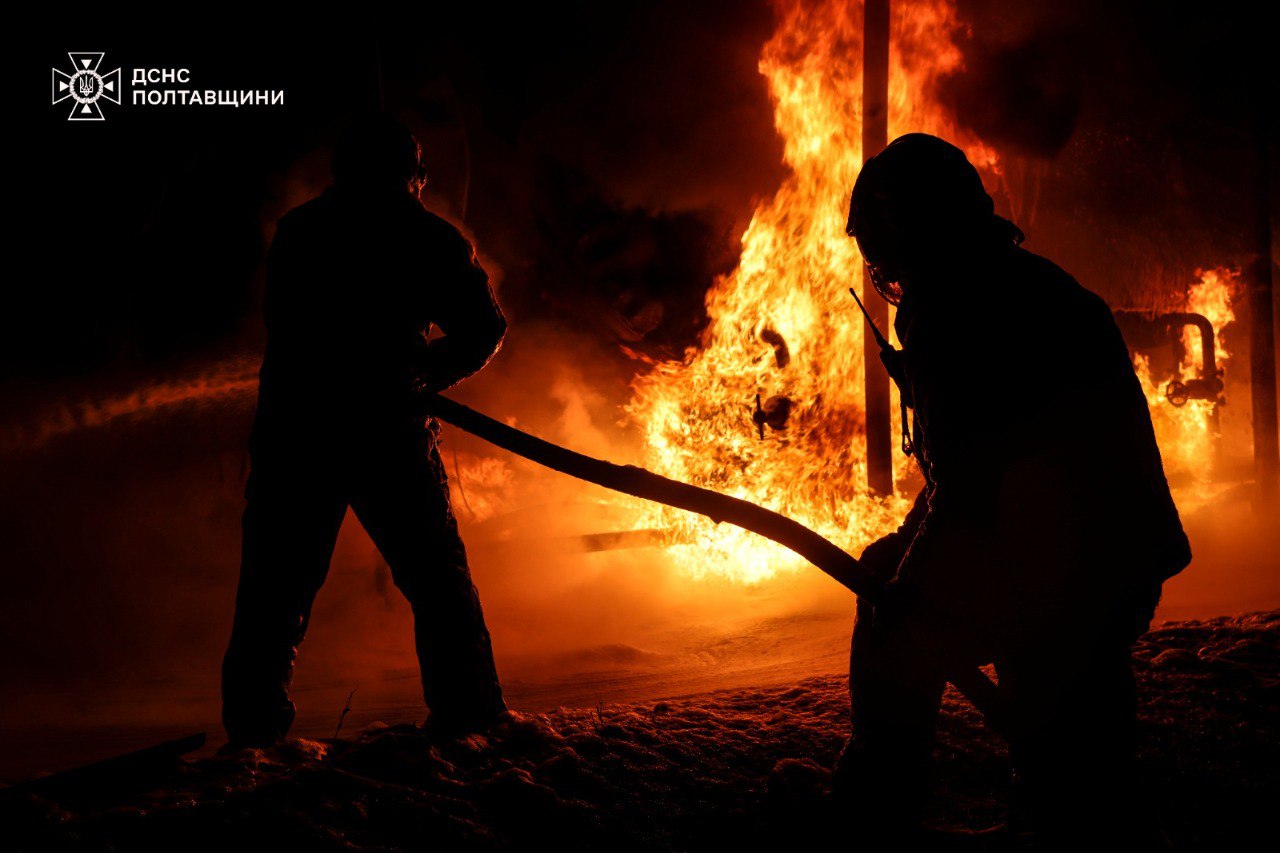
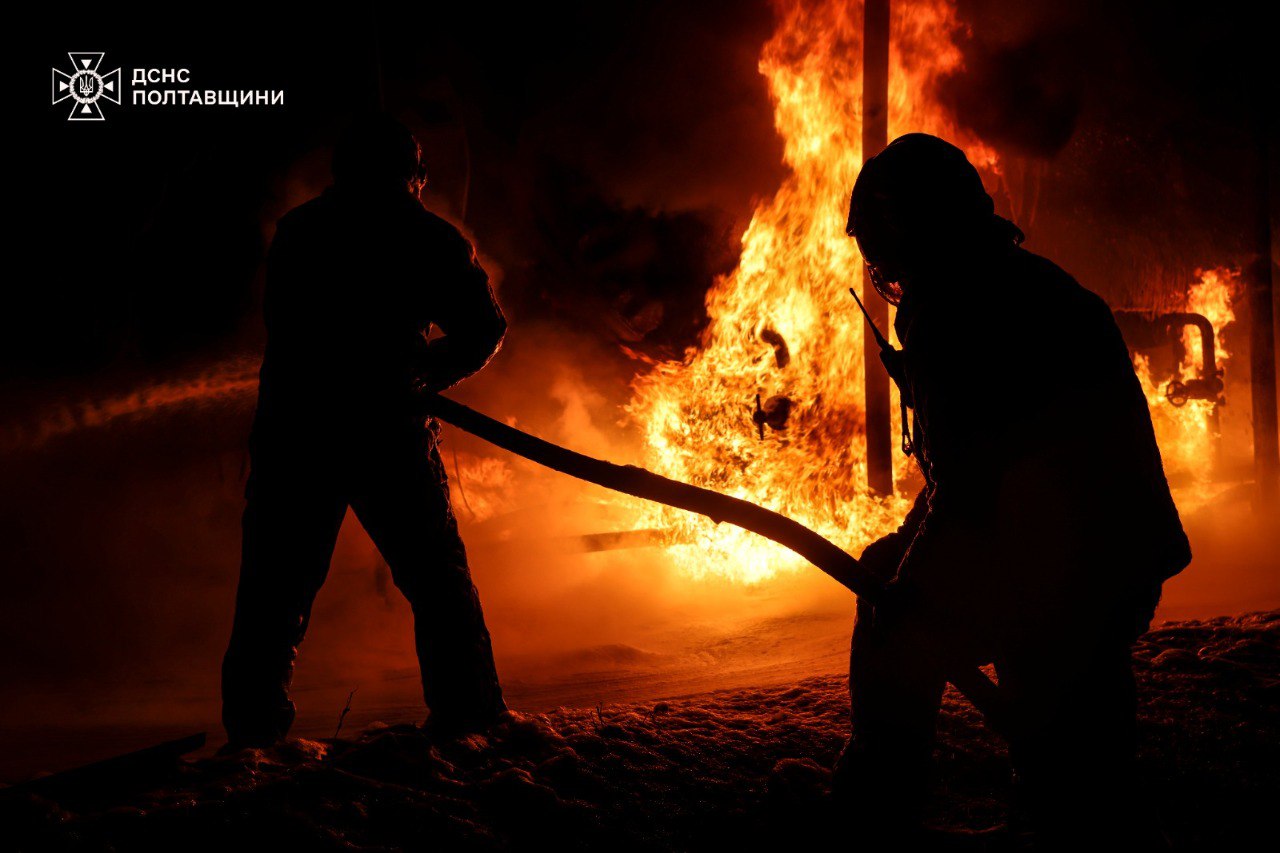
Massive Drone‑Missile Attack Hits Energy Infrastructure Across Ukraine The Russian strike employed roughly 420 drones and 39 missiles, targeting a gas facility in Poltava and electrical substations in Kyiv and Dnipro, according to President Zelensky’s statement on 26 February 2026[1]. The coordinated assault marked one of the largest single‑day attacks on Ukraine’s energy network since the war began. Damage to the facilities disrupted power and gas supplies in the affected regions.
Casualties Include Dozens of Civilians, Many Children Zelensky reported that the attack wounded dozens of civilians, with a significant number of children among the injured[1]. Hospitals in the impacted areas activated emergency protocols to treat burn and blast injuries. The civilian toll underscored the humanitarian impact of targeting critical infrastructure.
Air‑Defense Systems Intercept Most Missiles After Recent Aid Recent air‑defence deliveries agreed at the Ramstein meeting enabled Ukrainian forces to intercept the majority of incoming missiles[1]. Zelensky credited partner nations for the rapid provision of modern interceptors, though a fraction of the missiles still reached their targets. The interception success highlighted the importance of continued military assistance.
Poland Deploys NATO Fighter Jets in Immediate Support In response to the strike, Poland scrambled NATO‑aligned fighter jets to patrol Ukrainian airspace, demonstrating allied solidarity[1]. The deployment was coordinated with NATO command structures to provide rapid aerial coverage. Polish jets remained on standby to deter further Russian aerial incursions.
Diplomatic Stalemate Persists as Kremlin Offers Moscow Meeting Kremlin spokesperson Dmitry Peskov described the territorial issues as “complex” and reiterated President Putin’s invitation to meet Zelensky in Moscow, an offer Kyiv continues to reject[1]. Russian envoy Kirill Dmitriev is scheduled to travel to Geneva for talks with U.S. negotiators, indicating ongoing diplomatic maneuvering despite the military escalation. The deadlock reflects deep disagreements over ceasefire conditions and territorial concessions.
Related Tickers
Timeline
Dec 23, 2025 – Russia launches a massive drone‑and‑missile assault across 13 Ukrainian regions, deploying more than 650 drones and over 30 missiles; the strike kills a 4‑year‑old in Zhytomyr, triggers nationwide power cuts, and forces Ukrainian troops to withdraw from Siversk to preserve combat capability, which Zelensky describes as “one of the month’s largest aerial assaults” [1].
Dec 23, 2025 – In Miami, Ukrainian and Russian officials meet separately with a U.S. delegation led by Steve Witkoff and Jared Kushner; Zelensky outlines a 20‑point peace framework and says bilateral security guarantees with the United States are “approaching a real outcome” while declining to comment on land‑swap proposals [1].
Dec 23, 2025 – President Vladimir Putin signals no willingness to compromise on Donbas territory, and Kremlin spokesman Dmitry Peskov warns that the talks are “meticulous expert‑level work” and should not be read as a breakthrough [1].
Jan 2, 2026 – Zelensky condemns the Kharkiv missile strike as “heinous,” noting two missiles hit a residential area and injure at least 16 civilians; Ukraine’s air force reports firing 116 long‑range drones overnight, intercepting 86 and losing 27 to targets [3].
Jan 2, 2026 – General Kyrylo Budanov, head of Ukraine’s military intelligence (GUR), is appointed the new chief of staff; Budanov calls the role “an honor and a responsibility at a historic time for Ukraine” [3].
Jan 2, 2026 – Russia claims a Ukrainian drone attacked President Putin’s residence; Kyiv denies the allegation and a CIA assessment later finds the claim “not true,” according to CNN [3].
Feb 26, 2026 – Russia conducts a massive strike with 420 drones and 39 missiles targeting gas infrastructure in Poltava and electrical substations in Kyiv and Dnipro, wounding dozens of civilians, many of them children; Zelensky says the attack follows his call with former President Donald Trump and U.S. envoys Steve Witkoff and Jared Kushner ahead of planned bilateral talks in Geneva [2].
Feb 26, 2026 – Recent air‑defence aid delivered after the Ramstein meeting enables Ukraine to intercept most missiles, though some still hit targets, underscoring the daily need for such systems [2].
Feb 26, 2026 – Poland dispatches NATO fighter jets to the region in response to the Russian attack, demonstrating allied military support [2].
Feb 26, 2026 – Kremlin spokesperson Dmitry Peskov calls territorial issues “complex,” notes Putin’s offer to meet Zelensky in Moscow remains on the table while Kyiv rejects it; Russian envoy Kirill Dmitriev is slated to travel to Geneva for talks with U.S. negotiators [2].
Spring 2026 (planned) – Bilateral peace talks in Geneva are scheduled to follow the February strike, with U.S. envoys and Russian representatives expected to discuss the 20‑point framework and territorial demands [2].