Lancet Study Reveals Gaza Death Toll May Be 40% Higher Than Official Figures
Updated (18 articles)
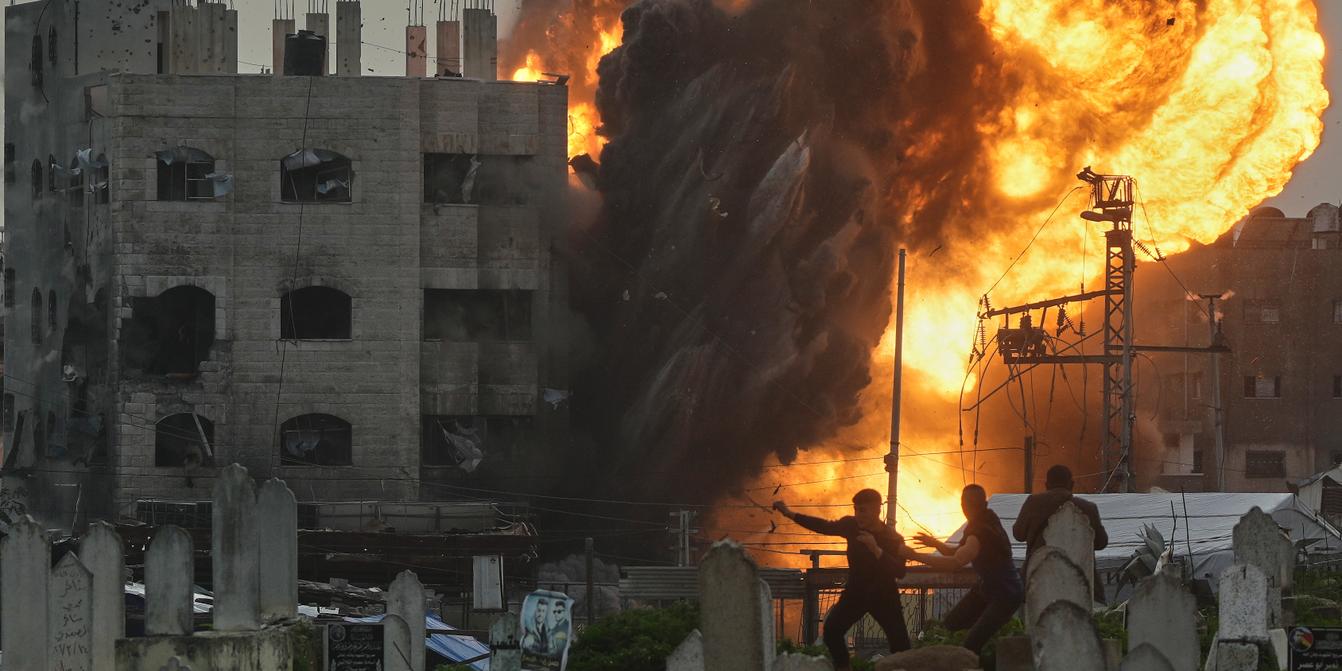
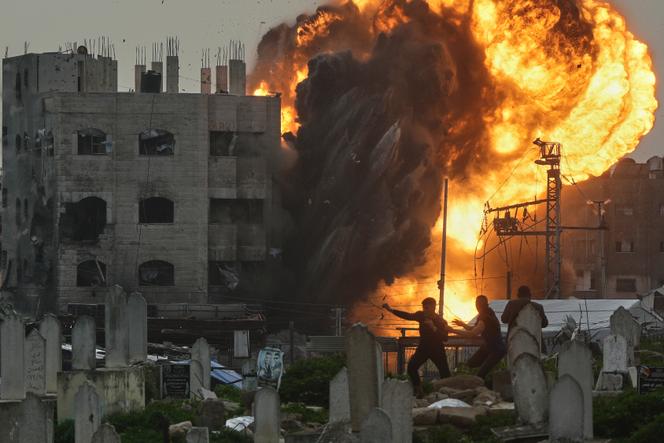
Independent Field Study Quantifies Gaza Mortality Gap The Lancet Global Health published a field study on 18 February that independently surveyed casualties in Gaza, finding the health ministry’s violent‑death count about 35 % lower than reality. When indirect deaths from disease, malnutrition and conflict‑related conditions are added, the total under‑estimation rises to roughly 40 % of all mortality. Researchers collected data on the ground, bypassing official channels, marking the first such independent assessment of Gaza’s death toll.
Official Health Ministry Figures Miss Significant Casualties Gaza’s health ministry, overseen by the governing Islamist movement, failed to register many deaths because rubble hampered body recovery and identification. Entire families erased from records and chaotic reporting conditions left large gaps in the official tally. The study attributes the omission to logistical challenges and the inability to obtain death reports from wiped‑out households.
Findings Align With Earlier Scientific Analyses Prior academic work had already suggested that Gaza’s official mortality statistics were incomplete, and the new Lancet data reinforce those concerns. The consistency between this field study and earlier literature strengthens doubts about the reliability of government‑issued figures. Researchers argue that the convergence of independent and prior analyses underscores a systemic reporting shortfall.
Implications for Humanitarian Aid and Accountability Recognizing a death toll up to 40 % higher could reshape international aid distribution, prompting donors to reassess resource allocation. The larger mortality estimate may also intensify calls for accountability regarding civilian harm. The article notes that specific policy changes remain undefined, but the revised numbers are likely to influence future humanitarian and diplomatic actions.
Related Tickers
Timeline
Oct 7, 2023 – Hamas launches a coordinated attack on southern Israel, killing about 1,200 civilians and seizing more than 250 hostages, igniting the Gaza war that later leads to a U.S.-brokered cease‑fire. [15]
Oct 2025 – Israel and Hamas implement a U.S.-brokered cease‑fire that begins on 10 October, halting large‑scale combat and initiating a phased plan that includes hostage exchange, partial Israeli withdrawal and an aid surge. [1][4]
Nov 30, 2025 – Gaza’s Health Ministry reports the death toll reaches 70,100 Palestinians since the war began and records 352 deaths since the October cease‑fire, figures deemed reliable by the international community. [15]
Dec 3, 2025 – Israeli aircraft strike tents in al‑Mawasi west of Khan Younis, killing five Palestinians including two children; Prime Minister Benjamin Netanyahu vows “to respond accordingly” while the IDF says it targeted a Hamas terrorist after five Israeli soldiers were wounded. [6]
Dec 4, 2025 – Israel conducts an airstrike on a Hamas militant in southern Gaza in retaliation for a tunnel‑based attack that wounded five Israeli soldiers; Netanyahu declares the strike a response to a “ceasefire violation” and announces that the Rafah crossing will open for medical evacuations while awaiting the return of all hostage remains. [14]
Dec 8, 2025 – A three‑year‑old girl is reported killed near Rafah; the IDF says it is unaware of a strike and will review the incident, while Qatar’s prime minister describes the situation as “more of a ‘pause’ than a ceasefire” and German Chancellor Friedrich Merz says a Palestinian state could be “the best route to a new Middle East.” [5]
Dec 24, 2025 – Prime Minister Benjamin Netanyahu accuses Hamas of breaching the cease‑fire after an explosive device wounds an Israeli officer in Rafah, warning that “Israel will respond accordingly” and reiterating the plan’s demand for Hamas’s removal and Gaza’s demilitarisation. [17]
Jan 8, 2026 – Israeli air strikes kill eight Palestinians, including four children, when a drone hits a tent for displaced people; the fragile cease‑fire remains under strain and President Trump warns Hamas that it will have “hell to pay” if it does not disarm soon. [4]
Jan 9, 2026 – Thirteen Palestinians die in Israeli strikes across northern Gaza and east of Gaza City; a U.S. official says President Trump will announce appointments to a “Board of Peace” next week, and Israeli Prime Minister Netanyahu names Bulgarian diplomat Nickolay Mladenov as the board’s director‑general. [13]
Jan 12‑13, 2026 – An Israeli drone strike kills three Palestinians near the Morag corridor; the attack occurs as Gaza prepares for the formal announcement of a technocratic Board of Peace that will oversee Hamas disarmament, an international security force and reconstruction. [12]
Jan 21, 2026 – Israeli forces strike a vehicle carrying three journalists from the Egyptian Relief Committee in al‑Zahra, killing them; the IDF says it targeted drone operators linked to Hamas, while eight other Palestinians, including two children, die from artillery and tank fire across Gaza, bringing the cease‑fire death toll to at least 466. [3]
Jan 21, 2026 – Israeli fire kills at least 11 Palestinians, among them three journalists and two 13‑year‑old boys, in separate incidents near Bureij refugee camp and Bani Suheila; AFP mourns the journalists and calls for a full investigation, and the Gaza Health Ministry records more than 470 deaths since the cease‑fire began. [11]
Jan 24, 2026 – Father Yusuf Zawara attempts to revive his 15‑year‑old son Mohammad in Shifa Hospital’s morgue after an Israeli missile kills the boy and his 13‑year‑old cousin while they gather firewood; the IDF maintains the strike targeted militants who crossed the Yellow Line. [10]
Jan 29, 2026 – A senior Israeli security source tells journalists that the military now accepts the Hamas‑run health ministry’s figure of over 70,000 Palestinian deaths as “largely accurate,” marking a shift from earlier skepticism. [2]
Jan 30, 2026 – Israeli officials brief journalists that about 70,000 Palestinians have been killed in the war, aligning the military’s estimate with the Gaza Health Ministry’s count of 71,667 deaths and 171,343 injured. [8]
Jan 31, 2026 – Israeli air and artillery strikes kill at least 32 Palestinians, including children, across Gaza; U.S. special envoy Steve Witkoff announces the launch of phase two of the peace plan, which will “establish a technocratic Palestinian government, reconstruct Gaza and fully demilitarise the territory,” and the Rafah crossing is scheduled to reopen after Israel recovers the last hostage’s body. [1]
Jan 31, 2026 – Israeli strikes kill 31 Palestinians, the highest daily toll since early November; the IDF says the attacks respond to a Hamas breach in eastern Rafah and Israeli officials acknowledge roughly 70,000 Gaza deaths, while Shifa Hospital director Dr. Mohammad Abu Salmiya warns the death toll will climb amid severe shortages. [7]
Feb 4, 2026 – Israeli air strikes kill 23 Palestinians, including three children, after a Hamas commander Bilal Abu Assi is targeted; the Rafah crossing partially reopens for patients and companions, allowing 45 people to cross on Feb 3 and a bus of returnees on Feb 4, while Al‑Shifa Hospital director Mohamed Abu Salmiya describes conditions as “extremely difficult” due to medicine shortages. [16]
Feb 5‑6, 2026 – Twenty‑four bodies arrive at Gaza hospitals, prompting Shifa Hospital director Mohamed Abu Selmiya to post on Facebook, “Where is the ceasefire? Where are the mediators?”; the Health Ministry reports 556 Palestinian deaths since the October cease‑fire, the Rafah crossing remains open but sees fewer than 50 crossings daily, and the Trump‑proposed 20‑point plan remains accepted but stalled on Hamas disarmament and reconstruction. [9]
Feb 19, 2026 – An independent field study published in The Lancet Global Health estimates that Gaza’s official death toll undercounts violent deaths by about 35 % and total mortality by roughly 40 % when indirect deaths are included, highlighting a substantial reporting gap and potential implications for humanitarian aid and accountability. [18]
Dive deeper (16 sub-stories)
-
Le Monde: Independent Study Shows Gaza Death Toll Under‑Counted by Up to 40 %
-
AP: Gaza Violence Persists Months After Ceasefire Takes Effect
-
The Hindu: Israeli strikes kill 23 in Gaza as Rafah crossing reopens for limited travel
-
BBC: Israeli Air Strikes Kill at Least 32 in Gaza as Ceasefire Tensions Rise
-
CNN: Israeli strikes kill over 30 in Gaza, health ministry says
-
Israeli Military Concedes Approximately 70,000 Gaza Deaths, Matching Health Ministry Count
(2 articles)
-
AP: Gaza father’s desperate attempt to revive son after Israeli strike
-
AP: Israeli fire in Gaza kills at least 11, including journalists and two 13-year-olds on deadly day
-
BBC: Israeli strike in central Gaza kills three journalists, first responders say
-
AP: Drone strike kills 3 in Gaza as Hamas prepares to transfer governance to new committee
-
AP: Israeli strikes kill at least 13 across Gaza as Trump plans Board of Peace
-
Eight Killed, Including Four Children, in Israeli Air Strikes Across Gaza on Jan 8
(2 articles)
-
The Hindu: Israel says Hamas violated Gaza ceasefire after officer wounded in Rafah, vows retaliation
-
BBC: Israel to review reports that troops killed three-year-old in Gaza
-
AP: Israel Strikes Hamas Militant in Southern Gaza After Soldier Attack
-
BBC: Five Palestinians Killed in Israeli Air Strike on Tents Near Khan Younis
All related articles (18 articles)
-
Le Monde: Independent Study Shows Gaza Death Toll Under‑Counted by Up to 40 %
-
AP: Gaza Violence Persists Months After Ceasefire Takes Effect
-
The Hindu: Israeli strikes kill 23 in Gaza as Rafah crossing reopens for limited travel
-
BBC: Israeli Air Strikes Kill at Least 32 in Gaza as Ceasefire Tensions Rise
-
CNN: Israeli strikes kill over 30 in Gaza, health ministry says
-
CNN: Israeli Military Acknowledges Approx. 70,000 Gaza Deaths, Aligning With Health Ministry Figures
-
BBC: Israeli Military Acknowledges Hamas‑Reported Gaza Death Toll
-
AP: Gaza father’s desperate attempt to revive son after Israeli strike
-
AP: Israeli fire in Gaza kills at least 11, including journalists and two 13-year-olds on deadly day
-
BBC: Israeli strike in central Gaza kills three journalists, first responders say
-
AP: Drone strike kills 3 in Gaza as Hamas prepares to transfer governance to new committee
-
AP: Israeli strikes kill at least 13 across Gaza as Trump plans Board of Peace
-
BBC: Eight killed in Israeli air strikes in Gaza, civil defence agency says
-
The Hindu: Israel says Hamas violated Gaza ceasefire after officer wounded in Rafah, vows retaliation
-
BBC: Israel to review reports that troops killed three-year-old in Gaza
-
AP: Israel Strikes Hamas Militant in Southern Gaza After Soldier Attack
-
BBC: Five Palestinians Killed in Israeli Air Strike on Tents Near Khan Younis
-
AP: Palestinian death toll surpasses 70,000 amid ongoing Israeli strikes
External resources (4 links)
- https://t.co/r7wAr2qewU (cited 1 times)
- https://twitter.com/hashtag/Watch?src=hash&ref_src=twsrc%5Etfw (cited 1 times)