India and EU Finalize Landmark Free‑Trade Pact, Await Formal Signing Amid US Tariff Pressures
Updated (5 articles)
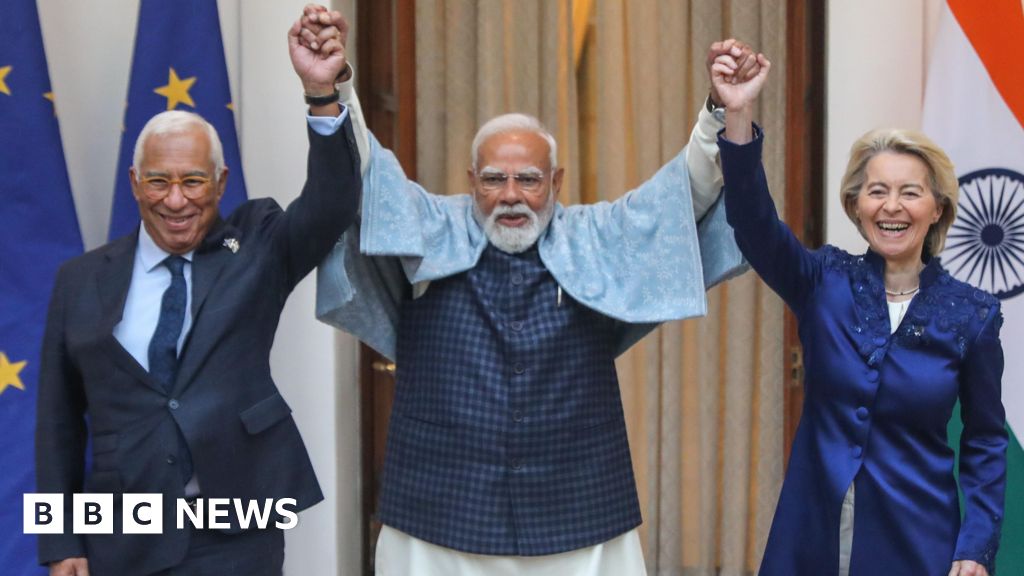
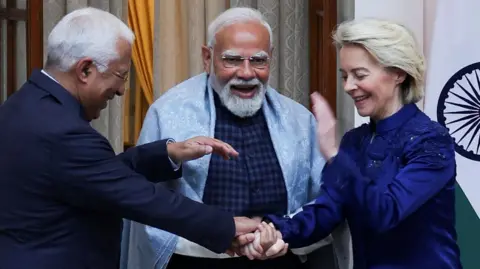
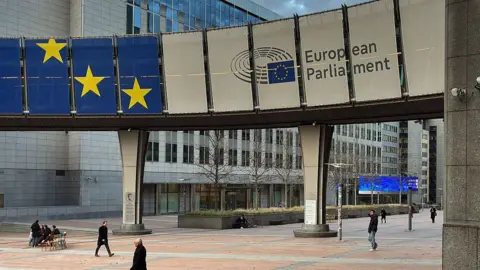
Deal Finalized and Dubbed ‘Mother of All Deals’ Prime Minister Narendra Modi announced on Jan 27 that India and the EU have finalized a free‑trade agreement, calling it the “mother of all deals” and praising its strategic significance. European Commission President Ursula von der Leyen attended the joint announcement in New Delhi and echoed the same description. The pact ends nearly two decades of intermittent negotiations that began in 2007 and were revived in 2022. A formal signing is expected after a five‑to‑six‑month legal vetting period and subsequent EU Parliament approval [2][3][4][1].
Scope Encompasses Two‑Billion People and 25% Global GDP The agreement links the 27‑member EU with India’s 1.4 billion‑plus population, together representing about 25 % of global GDP and a two‑billion‑person market. Bilateral trade reached $136.5 billion in the fiscal year ending March 2025, and officials aim to lift it to roughly $200 billion by 2030. The deal opens the EU’s market to Indian exporters and reduces Indian tariffs on EU goods, especially in labor‑intensive sectors. It follows a wave of recent EU pacts with Mercosur, Indonesia, Mexico and Switzerland, and complements India’s new agreements with Britain, New Zealand and Oman [2][3][4].
Tariff Cuts Focus on Cars, Chemicals, Machinery, Excluding Agriculture Tariffs on chemicals, machinery, aircraft and related equipment will become duty‑free, while duties on motor vehicles will fall from as high as 110 % to 10 % under a quota of 250,000 cars. The EU’s Carbon Border Adjustment Mechanism remains a concern, but the pact excludes sensitive Indian agricultural products such as dairy and sugar. Intellectual‑property and data‑protection rules are slated for negotiation, reflecting EU demands. Experts note that the carbon‑border tax could create an imbalance for Indian SMEs [3][1][2].
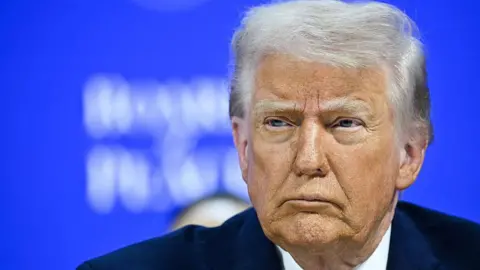
US Tariff Pressures and Geopolitical Tensions Shape Pact The United States has imposed a 50 % tariff on Indian imports and an additional 25 % levy for purchasing discounted Russian oil, prompting Delhi to diversify its trade partners. US Treasury Secretary Scott Bessent warned that the EU‑India deal could indirectly finance Russia’s war, a claim India rejected while emphasizing energy security for its citizens. The EU seeks strategic autonomy and reduced reliance on China, while the pact offers a counterweight to US pressure. Both sides acknowledge that the agreement must navigate the EU carbon tax and US‑India tariff tensions [1][4][5].
Sources
-
1.
BBC: India‑EU Trade Deal Gains Momentum Amid Trump‑Era Tariff Pressures: Highlights US tariff threats, Treasury warning about financing Russia, and challenges from the EU carbon border tax while framing the pact as a strategic “mother of all deals” .
-
2.
CNN: India and EU Finalize Landmark Trade Pact, Await Formal Signing: Details Modi’s announcement, the five‑to‑six‑month legal vetting, trade volume $136.5 bn, and the collapse of US‑India talks due to tariffs .
-
3.
BBC: EU and India Seal Landmark Free‑Trade Pact Amid US Tariff Pressures: Emphasizes the pact’s coverage of 25 % of global GDP, specific tariff cuts on cars, chemicals, machinery, and the exclusion of agriculture, plus security talks .
-
4.
AP: India and EU Finalize Free Trade Deal Amid US Tariff Pressures: Calls the agreement the “mother of all deals,” sets a $200 bn trade target by 2030, and situates it within US tariff pressure and EU strategic autonomy .
-
5.
BBC: India‑EU Trade Talks Intensify Ahead of Republic Day Summit: Provides pre‑deal context, discusses reinstating EU GSP benefits, sectoral sensitivities, and the sticking point of the EU carbon tax amid US tariff influences .
Timeline
2007 – India and the European Union launch free‑trade negotiations that later stall, marking the first attempt at a comprehensive pact between the two blocs [2].
July 2022 – Negotiations are revived after a decade‑long lull, spurred by mutual interest in diversifying trade away from China and the United States [2].
2023 – The EU withdraws its Generalised System of Preferences (GSP) for India, raising Indian export tariffs on garments, pharmaceuticals, steel and other goods [3].
2024 – Bilateral trade reaches $142.3 billion, making the EU India’s top goods partner and accounting for 11.5 % of India’s total trade [1].
2025 – The United States imposes a 50 % tariff on Indian imports and adds a 25 % penalty for India’s purchase of discounted Russian oil, intensifying pressure on Delhi to find new markets [1][5].
FY 2024‑25 (ending March 2025) – India‑EU trade climbs to $136.5 billion, underscoring the economic weight of a future agreement [4].
Early 2026 – The EU finalises a major Mercosur trade accord and signs deals with Indonesia, Mexico and Switzerland, signalling a broader push for strategic autonomy and new partnerships [4].
Jan 24, 2026 – European Council President Antonio Luis Santos da Costa and Commission President Ursula von der Leyen attend India’s Republic Day celebrations, pledging to accelerate the pending free‑trade talks [3].
Jan 24, 2026 – Indian Trade Minister Piyush Goyal and von der Leyen describe the forthcoming pact as the “mother of all deals,” highlighting its strategic significance [3].
Jan 26, 2026 – At the Republic Day summit, leaders reaffirm the goal of reinstating the EU’s GSP for India and discuss phased tariff cuts for cars, wine and spirits while protecting agriculture and dairy [3].
Jan 27, 2026 – Prime Minister Narendra Modi announces that India and the EU have finalised a landmark trade agreement, calling it the “mother of all deals” and noting it will open India’s guarded market to the 27‑nation bloc [4][5].
Jan 27, 2026 – The pact will be formally signed after a five‑to‑six‑month legal vetting period and ratification by the European Parliament and Council, with implementation expected within a year [4].
Jan 27, 2026 – The agreement eliminates tariffs on chemicals, machinery, aircraft and cuts car duties from up to 110 % to 10 % under a 250,000‑vehicle quota, while agricultural products such as dairy and sugar remain excluded [2].
Jan 27, 2026 – U.S. Treasury Secretary Scott Bessent warns that the EU‑India deal could indirectly fund Russia’s war through India’s crude purchases, a claim Delhi rejects, insisting the oil secures energy for millions [1].
Jan 27, 2026 – Trade analyst Ajay Srivastava says the pact will give an immediate price advantage to EU goods in India and boost Indian labor‑intensive exports, helping mitigate the impact of U.S. tariffs [4].
Jan 27, 2026 – The EU’s Carbon Border Adjustment Mechanism (CBAM) emerges as a key hurdle, potentially imposing border charges on Indian exports and raising compliance costs for SMEs [1][3].
Jan 27, 2026 – India sets a $200 billion trade target by 2030, aiming to raise bilateral commerce from $136.5 billion to that level within the next decade [5].
Late 2026 (expected) – The EU Parliament is slated to vote on the agreement, after which the pact becomes legally binding and paves the way for deeper security and defence cooperation discussed between Defence Minister Rajnath Singh and EU Vice‑President Kaja Kallas [2].
External resources (8 links)
- https://www.youtube.com/@bbcnewsindia/featured (cited 3 times)
- https://www.reuters.com/world/india/eu-nears-historic-trade-deal-with-india-von-der-leyen-says-2026-01-20/ (cited 1 times)
- https://www.facebook.com/bbcindia/ (cited 3 times)
- https://www.instagram.com/bbcnewsindia/ (cited 3 times)
- https://x.com/BBCIndia (cited 3 times)