Artemis II Launch Rescheduled to April After Helium‑Flow Failure and Cryogenic Leak
Updated (2 articles)
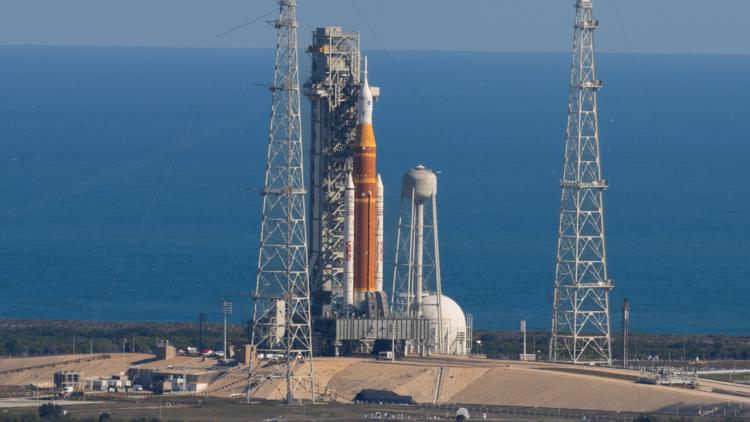
Helium‑Flow Failure Closes March Launch Window On the night of Feb 21, NASA detected an interruption in helium flow through the SLS interim cryogenic propulsion stage, prompting Administrator Jared Isaacman to declare the March launch window no longer viable [1][2]. The anomaly required extensive diagnostics and hardware checks, pushing the schedule back by weeks. NASA announced that the issue would preclude any March attempts, forcing a shift to later dates.
Wet‑Dress Rehearsal Leak Delayed February Launch wet‑dress rehearsal on Feb 6 exposed leaks in the SLS cryogenic propellant system, leading NASA to postpone the originally planned early‑February launch [1][2]. The leak was traced to a valve seal, requiring repairs and additional testing. This setback eliminated the first launch window and set the stage for the later helium‑flow problem.
April Becomes Earliest Viable Launch Month NASA now lists April 1, April 3‑6, and April 30 as the only remaining launch opportunities, making April the final month for Artemis II availability [1][2]. Launch Complex 39 at Kennedy Space Center remains the designated pad. The agency warned that further technical or weather issues could still cause additional delays.
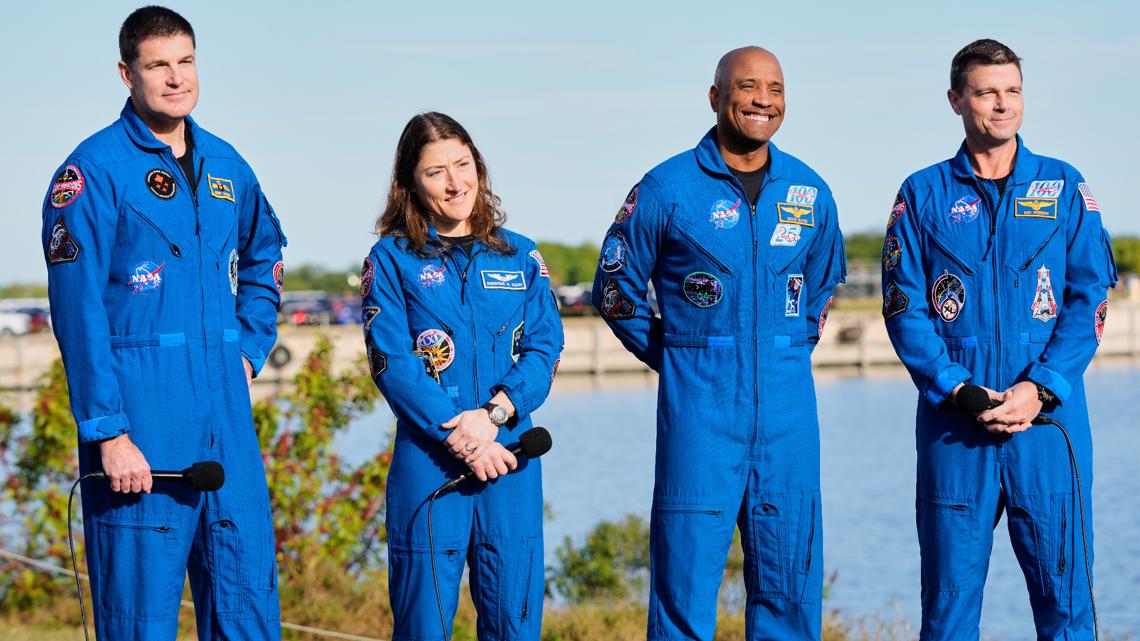
Crew and Mission Objectives Confirmed for Ten‑Day Flight Commander Reid Wiseman, pilot Victor Glover, mission specialist Christina Koch, and Canadian astronaut Jeremy Hansen will fly the Orion capsule on a ten‑day lunar flyby [1][2]. After launch, the crew will spend roughly two days near Earth to verify Orion’s systems, then proceed toward the Moon to test life‑support and other capabilities needed for future surface missions. The mission will also perform a targeting demonstration and gather data on the Space Launch System’s performance.
Sources
-
1.
WBNS: Artemis II launch pushed to April after helium‑flow and leak setbacks: Details the Feb 6 wet‑dress rehearsal leak, the Feb 21 helium‑flow interruption, lists specific April launch dates, and emphasizes crew composition and mission goals .
-
2.
King5: Artemis II launch pushed to April after helium‑flow and leak setbacks: Mirrors WBNS content while noting multiple April launch opportunities and warning that further technical or weather issues could cause additional delays .
Related Tickers
Timeline
Feb 6, 2026 – A wet‑dress rehearsal for Artemis II uncovers leaks in the Space Launch System’s cryogenic propellant system, prompting NASA to postpone the early‑February launch window and highlighting the need to secure propellant integrity before flight [1][2].
Feb 21, 2026 – An overnight interruption in helium flow through the SLS interim cryogenic propulsion stage is detected, and NASA Administrator Jared Isaacman says the problem “takes the March launch window out of consideration,” effectively removing the March opportunity [1][2].
April 2026 (possible dates: Apr 1, Apr 3‑6, Apr 30) – NASA announces that the earliest Orion launch can now occur no earlier than April, listing specific launch windows that constitute the final month of mission availability while warning that weather or further technical issues could cause additional delays [1][2].
2026 (crew confirmed) – Four veteran astronauts—Commander Reid Wiseman, pilot Victor Glover, mission specialist Christina Koch, and Canadian astronaut Jeremy Hansen—are slated to fly the ten‑day Artemis II mission, which will spend two days near Earth checking Orion’s systems before traveling toward the Moon to evaluate life‑support performance and pave the way for future lunar surface missions [1][2].
External resources (6 links)
- https://www.nasa.gov/humans-in-space/astronauts/christina-koch/ (cited 2 times)
- https://www.nasa.gov/humans-in-space/astronauts/g-reid-wiseman/ (cited 2 times)
- https://www.nasa.gov/humans-in-space/astronauts/victor-j-glover/ (cited 2 times)
- https://x.com/NASA/status/2014042718041747820?s=20 (cited 4 times)
- https://t.co/PuuULJ1QkG (cited 2 times)