Jinan Real‑Estate Agents See Income Collapse as Property Prices Plummet
Updated (2 articles)
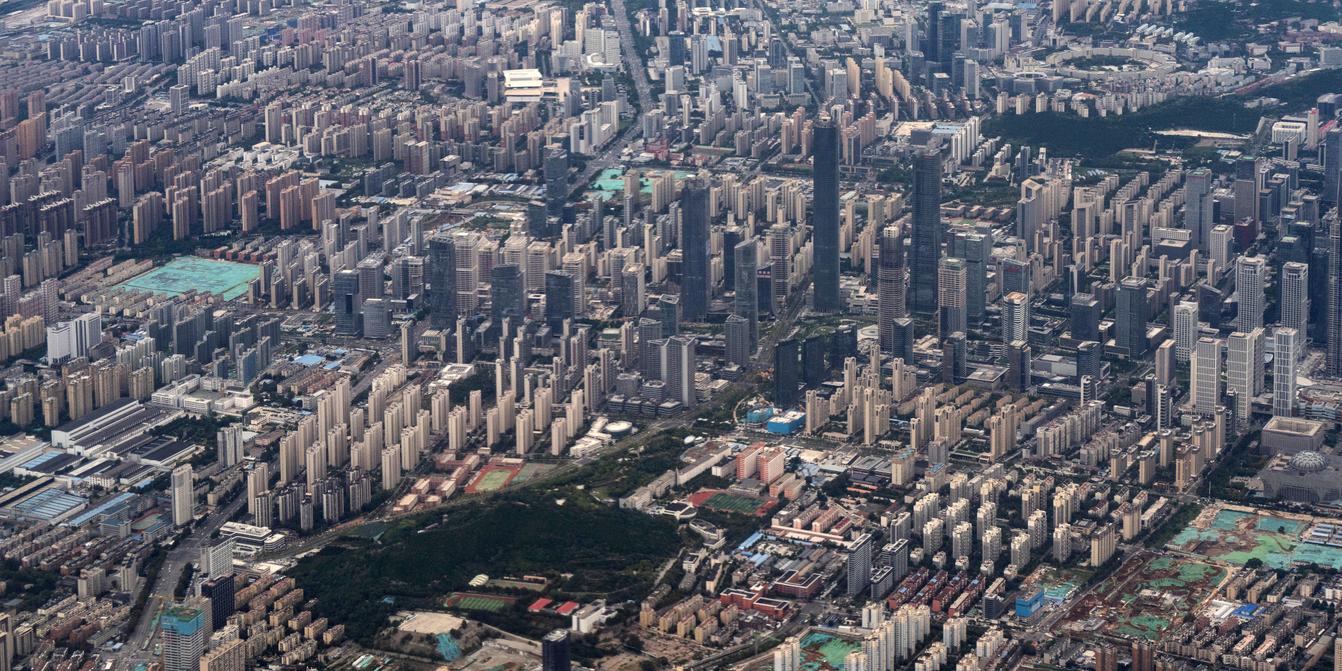
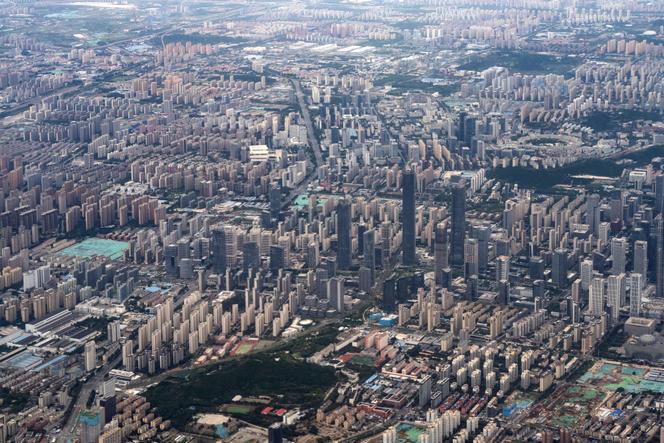
Extended Five‑Year Price Decline Undermines Confidence Property prices have been falling for five consecutive years, eroding consumer confidence and weakening local fiscal health while pushing households into pessimism across Jinan and other Chinese cities [1].
Agent Hou Fashuai’s Deal Volume Slashed Elite City agent Hou Fashuai now closes roughly one transaction every two to three months, down from two‑to‑three deals per month, causing a sharp drop in his earnings; many former colleagues have turned to parcel or food‑delivery work [1].
Elite City Development Remains Unsold Despite Amenities The neighbourhood comprises about twenty residential compounds, each with more than ten thirty‑storey towers, surrounded by green hills, quality schools, and a 20‑minute walk to the main train station, yet demand remains weak and sales are scarce [1].
Jinan’s Strategic Transport and Academic Assets Insufficient to Revive Market With a nine‑million population, Jinan sits on China’s busiest high‑speed rail line, 1 hour 30 minutes from Beijing and three hours from Shanghai, and hosts historic lanes and reputable universities, but these advantages have not halted the property slump [1].
Municipal Budgets Stretched by Prolonged Housing Downturn The ongoing downturn strains local government finances, weakening municipal budgets across China and contributing to broader economic fragility [1].
Timeline
2021 – Housing prices peak across China, then begin a decline that later exceeds 20% by 2025, eroding household wealth and confidence in the market[1][2].
2021‑2025 – A five‑year property‑price slump spreads nationwide, weakening municipal budgets and contributing to broader economic fragility[2].
Early 2025 (first 11 months) – Exports surge to a record pace, providing a key buffer for the economy as domestic demand stays weak[1].
Early 2025 – China’s AI boom lifts stock prices and fuels growth in high‑tech sectors, though the benefits have not yet reached most households[1].
2025 – Disposable‑income growth lags pre‑pandemic levels, prompting consumers to cut discretionary spending and small firms to tighten margins[1].
2025 – Beijing redirects policy toward consumption‑driven growth and high‑tech innovation, aiming to reduce reliance on export‑led growth and property investment[1].
2025 – The IMF lifts its outlook toward China’s 5% growth target, while other forecasters project a range of roughly 2.5%‑5% for the year, underscoring uncertainty about the rebound pace[1].
Dec 30, 2025 – Beijing billiards‑hall owner Xiao Feng says he is breaking even after cutting staff and enduring months without income, illustrating household strain amid the housing slump[1].
Dec 30, 2025 – A Beijing commercial‑property agent reports weak demand as companies relocate out of the capital, highlighting the sector’s slowdown[1].
Dec 30, 2025 – A Tianjin tutor notes that tutoring demand has collapsed as families tighten budgets, reflecting broader consumer contraction[1].
Feb 4, 2026 – Jinan real‑estate agent Hou Fashuai now closes roughly one deal every two‑to‑three months versus two‑to‑three per month before, and many former colleagues shift to parcel or food‑delivery jobs, showing the severe income hit for agents[2].
Feb 4, 2026 – The Elite City development in Jinan, with about twenty residential compounds and dozens of thirty‑storey towers near schools and a train station, struggles to sell any units despite its extensive amenities[2].
Feb 4, 2026 – Jinan’s strategic assets—nine‑million population, location on the busiest high‑speed rail line, proximity to Beijing and Shanghai, historic lanes, and reputable universities—remain underutilized as the property slump drags the local economy[2].
Feb 4, 2026 – The prolonged housing downturn strains local government finances, weakening municipal budgets across China and adding to national economic fragility[2].