Russian and Belarusian Athletes Set to Compete as Neutrals at 2026 Milan‑Cortina Games
Updated (7 articles)
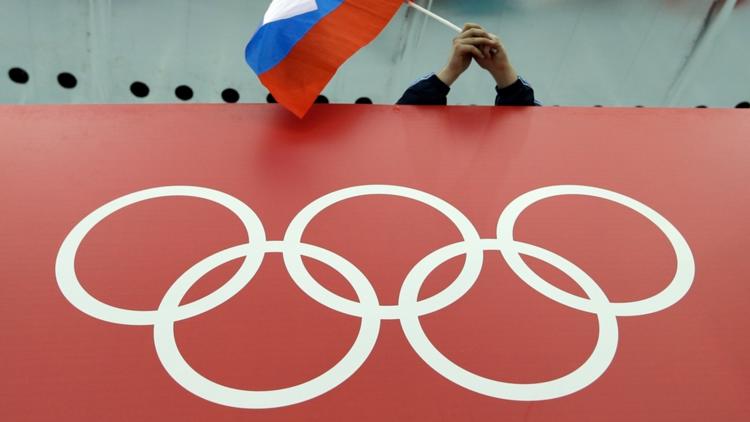

IOC Extends Ban on Russian and Belarusian National Teams The International Olympic Committee has prohibited Russia and Belarus from entering any team events at the Paris 2024 Summer Games and the Milan‑Cortina 2026 Winter Games. Only athletes who receive approval from their sport’s federation may compete, and they must do so under the “Individual Neutral Athlete” designation without national symbols. This policy is applied uniformly across both the upcoming Summer and Winter Olympics [1][2].
Twenty Athletes Confirm Neutral Status for Milan‑Cortina As of Jan. 29, a roster of 20 competitors—13 Russians and 7 Belarusians—has accepted invitations to compete as neutrals in sports including alpine skiing, figure skating, luge and speed skating. Prospective participants undergo a two‑step vetting process that verifies no public support for the Ukraine invasion, no ties to military or security agencies, compliance with anti‑doping rules, and fulfillment of standard qualification criteria. All confirmed athletes will appear without flag, anthem or national colors during the Games [1][2].
Neutral Participation Mirrors Earlier Olympic Designations The current neutral status follows a series of IOC‑mandated designations: “Olympic Athletes from Russia” in 2018, the “Russian Olympic Committee” banner in Tokyo 2020 and Beijing 2022, and the neutral team of 15 Russians at Paris 2024. Each iteration arose from sanctions related to doping violations and geopolitical concerns, establishing a precedent for the 2026 arrangement. The continuity underscores the IOC’s long‑term strategy to separate athletes from state actions while preserving competition integrity [1][2].
World Taekwondo Reverses Flag Ban for Russian and Belarusian Competitors On Feb. 1, World Taekwondo announced that junior and senior athletes from Russia and Belarus may compete in international tournaments under their national flags, following an extraordinary council meeting in Fujairah on Jan. 31. The federation retained existing sanctions that bar Russia from hosting events and prohibit accreditation of Russian government officials, maintaining pressure on the Russian sports administration. The decision aligns with a recent IOC policy allowing youth athletes to use national symbols at the Dakar 2024 Youth Olympic Games [3].
Policy Divergence Highlights Inconsistent International Sports Sanctions While the IOC insists on neutral status for Russian and Belarusian athletes at the Olympics, World Taekwondo permits the display of national flags in its competitions, creating a split in how major governing bodies enforce sanctions. Both organizations cite the IOC’s youth‑Olympic precedent, yet their implementation differs, reflecting varying interpretations of “political neutrality” versus “athlete rights.” This discrepancy may influence future coordination among sport federations regarding sanctions enforcement [2][3].
Sources
-
1.
WBNS:Russia’s Athletes to Compete as Neutrals at 2026 Milan‑Cortina Winter Games: details IOC’s team ban, 13 Russian and 7 Belarusian athletes accepted, strict vetting, and the Feb. 6‑22 schedule
-
2.
King5:Russia’s Neutral Athletes to Appear at 2026 Milan‑Cortina Winter Games: repeats IOC ban, confirms same 20‑athlete roster, emphasizes continuation of neutral practice
-
3.
Yonhap:World Taekwondo Allows Russian and Belarusian Athletes to Compete Under National Flags: reports WT council decision permitting flags, maintains event‑hosting bans, cites IOC youth‑Olympic precedent
Timeline
2014 – Russia faces a doping scandal that leads the International Olympic Committee to bar the nation from competing under its flag, a sanction that persists through subsequent Games [2].
2018 – Russian athletes participate in the PyeongChang Winter Olympics as “Olympic Athletes from Russia,” establishing a precedent for neutral competition used in later events [5].
2022 – Russian athletes compete as the “Russian Olympic Committee” at the Beijing Winter Games, winning 32 medals including three golds for Alexander Bolshunov, marking the last full‑team appearance before neutral status becomes mandatory [4].
2022 – Russia’s invasion of Ukraine triggers widespread sanctions and disrupts Ukrainian sport, displacing athletes, damaging facilities, and prompting power‑grid attacks on regions like Chernihiv [1].
Dec 2, 2025 – The Court of Arbitration for Sport overturns the International Ski and Snowboard Federation’s blanket ban, allowing Russian skiers and snowboarders to apply for neutral status ahead of the Jan 18 qualification deadline for Milan‑Cortina [4].
Dec 12, 2025 – Six Russian lugers obtain U.S. visas (routed through Kazakhstan) and prepare to race as neutrals at a World Cup in Lake Placid, the first Russian participation in a luge World Cup since the 2022 invasion; Ukrainian slider Anton Dukach protests, saying the athletes “support war” [3].
Jan 9, 2026 – Russian ski‑mountaineer Nikita Filippov declares he will prove “Russians can win” while competing without a flag or anthem at Milan‑Cortina, reflecting the motivation of athletes under the Individual Neutral Athlete designation [2].
Jan 9, 2026 – The Russian Sports Minister predicts that 15‑20 Russian athletes may qualify as neutrals for Milan‑Cortina, underscoring the limited scale of Russia’s presence despite ongoing appeals [2].
Jan 16, 2026 – At the Chernihiv Sports Ski Base, about 350 youths train in cross‑country skiing and biathlon despite drone strikes, with coaches escorting them to underground shelters during sirens; biathlete Khrystyna Dmytrenko prepares to represent Ukraine at Milan‑Cortina [1].
Jan 31, 2026 – World Taekwondo’s extraordinary council in Fujairah votes to let Russian and Belarusian athletes compete under their national flags in international tournaments, while maintaining bans on Russian event hosting and official accreditation [7].
Feb 5, 2026 – The International Olympic Committee confirms that 13 Russian and seven Belarusian athletes have accepted invitations to compete as Individual Neutral Athletes at the Milan‑Cortina Games, which run Feb 6‑22, and reiterates the ban on national teams from Russia and Belarus [5][6].
Feb 6‑22, 2026 – The Milan‑Cortina Winter Olympics take place, featuring Russian and Belarusian competitors without flags or anthems, while the Jan 18 qualification deadline determines which athletes secure neutral status [4][5].
All related articles (7 articles)
-
WBNS (Columbus, OH): Russia’s Athletes to Compete as Neutrals at 2026 Milan‑Cortina Winter Games
-
King5 (Seattle, WA): Russia’s Neutral Athletes to Appear at 2026 Milan‑Cortina Winter Games
-
Yonhap: World Taekwondo Allows Russian and Belarusian Athletes to Compete Under National Flags
-
AP: Chernihiv ski base trains Ukraine’s next generation amid war, eyeing Milan Cortina
-
AP: Russia competes as neutral athletes at Milan Cortina with limited participation
-
AP: Russian lugers set to compete in Lake Placid, sparking Ukrainian protest
-
AP: Russian Skiers and Snowboarders Granted Neutral Status for Milan Cortina Winter Olympics