Canada Prepares Aid While Mexico Launches Nationwide Relief Amid Cuba’s Fuel Crisis
Updated (20 articles)
U.S. Oil Embargo Triggers Island‑Wide Fuel Shortage The Trump administration halted all oil shipments to Cuba, cutting off supplies from Venezuela and other sources after the January 3 capture of Nicolás Maduro [1]. The embargo has caused prolonged blackouts, halted public transport, and forced power‑intensive industries to shut down [4]. The United Nations warned that unmet energy needs could evolve into a full‑scale humanitarian disaster [1].
Cuba Seeks International Support Amid Energy Crisis On February 24, Foreign Minister Anita Anand announced that Canada is formulating a humanitarian assistance plan for Cuba, though details remain undisclosed [1]. Earlier, Cuban Foreign Minister Bruno Rodriguez met with Russian officials in Moscow, where President Vladimir Putin pledged continued Russian support and Sergey Lavrov urged the United States to abandon its blockade [3]. Both Canada and Russia framed their actions as solidarity with Cuba’s sovereignty [1][3].
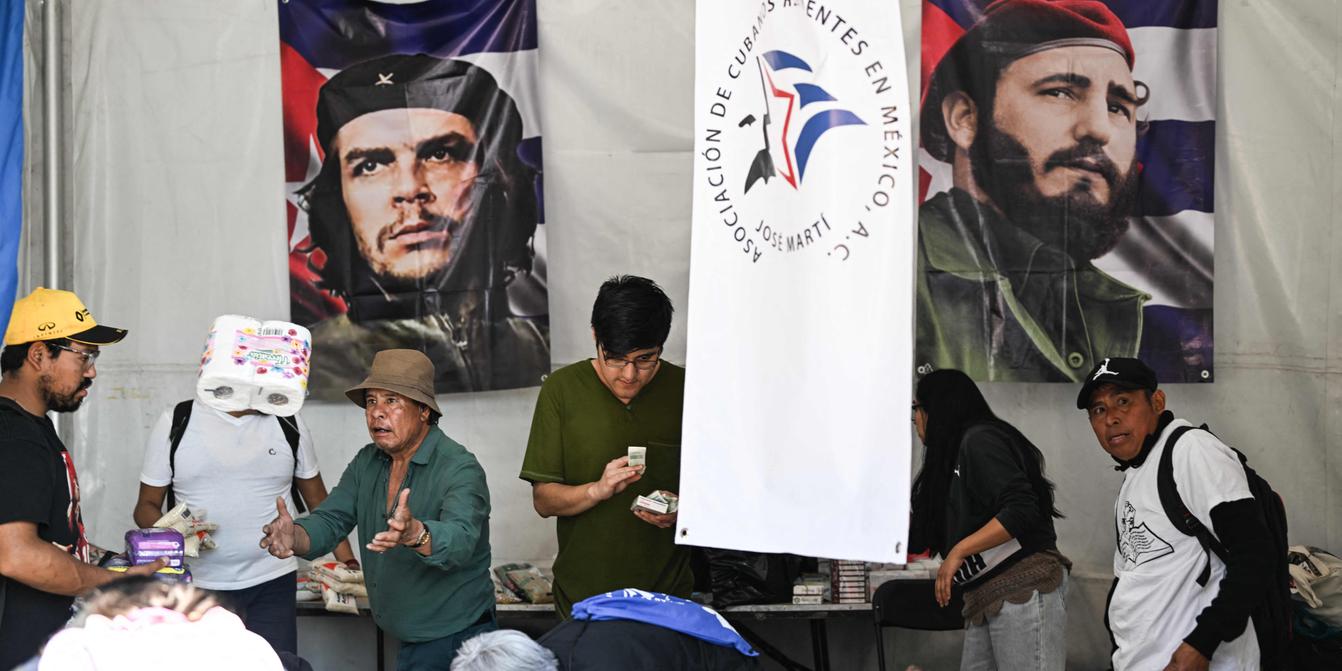
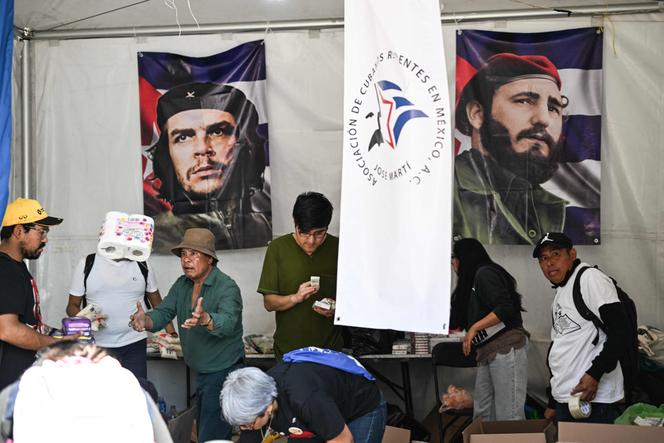
Mexico Mobilizes Nationwide Food and Medicine Drive Starting February 14, Mexican volunteers gathered supplies at a white tent on the Zócalo, coordinated by Ivonne Guerra of the Association of Cubans Residing in Mexico [2]. Navy trucks packed the donations nightly and shipped them to Cuban ports, with the collection site expanding by February 21 due to overwhelming contributions [2]. The effort was presented as a direct response to the intensified U.S. oil embargo that deepened Cuba’s humanitarian needs [2].
Tourism Collapse Deepens Economic Pressure The oil cutoff crippled Cuba’s tourism sector, leading to hotel closures, flight cancellations, and school suspensions [4]. Classic‑car driver Mandy Pruna halted his license after two decades of ferrying tourists and is considering emigrating to Spain [4]. The loss of tourist revenue compounded food‑price spikes and strained hospitals, heightening the risk of hunger [4].
Humanitarian Outlook Remains Uncertain The UN human‑rights office labeled the U.S. raid on Maduro illegal, underscoring broader concerns about U.S. pressure tactics [1]. While Canada monitors the “increasing risk of a humanitarian crisis,” it has not yet disclosed the scale of its aid [1]. Russia’s pledged fuel shipments remain “unrelated to recent U.S. ties,” leaving Cuba’s immediate relief options ambiguous [3].
Sources
-
1.
CNN: Canada Announces Aid Plan for Cuba as U.S. Oil Blockade Deepens – Reports Canada’s foreign minister Anita Anand preparing an undisclosed assistance package while highlighting U.S. oil embargo effects and broader U.S.–Canada tensions .
-
2.
Le Monde: Mexican Nationwide Drive Sends Food and Medicine to Cuba Amid U.S. Oil Blockade – Details Mexico’s February 14‑onward collection effort, the Zócalo tent hub, and the role of Cuban diaspora organizer Ivonne Guerra in delivering nightly shipments .
-
3.
AP: Russia Hosts Cuban Foreign Minister Amid Fuel Crisis – Covers Bruno Rodriguez’s Moscow visit, Putin’s pledge of support, Lavrov’s appeal to the U.S., and notes that Venezuela and Mexico halted oil shipments in January .
-
4.
CNN: Cuba’s Economy Crumbles Under U.S. Oil Cutoff and Tourist Collapse – Describes the cascade of blackouts, tourism decline, school closures, and personal impact on classic‑car driver Mandy Pruna, linking the crisis to U.S. oil restrictions .
Related Tickers
Timeline
1990s – Cuba endures the “Special Period,” a severe economic contraction after the Soviet Union collapses, a backdrop that resurfaces as fuel shortages re‑emerge in 2026 [14].
2015 – The United States restores diplomatic relations with Cuba, sparking a tourism boom and classic‑car tours that later vanish amid the 2026 energy crisis [3].
Late 2024 – Cuba experiences five nationwide blackouts, a pattern that intensifies after Venezuela halts oil shipments in early 2026 [20].
Jan 3, 2026 – U.S. forces raid Caracas, capture Nicolás Maduro and his wife, and kill 32 Cuban security personnel, cutting off a major source of subsidized Venezuelan oil to Havana [1].
Jan 11, 2026 – President Donald Trump posts that “there will be no more oil or money going to Cuba” and warns the island is “very close to failing,” linking the threat to the Maduro capture [9][1].
Jan 12, 2026 – Cuban President Miguel Díaz‑Canel tweets “No one dictates what we do,” rejecting Trump’s ultimatum and asserting Cuban sovereignty [6].
Jan 12, 2026 – Díaz‑Canel announces Cuba is “open to serious dialogue on sovereign equality, mutual respect and international law,” while noting no talks exist beyond migration issues [8].
Jan 12, 2026 – China’s foreign ministry calls on the United States to lift the blockade and sanctions on Cuba, framing U.S. actions as counter‑productive [8].
Jan 12, 2026 – Cuba’s foreign ministry states there are “no talks with the United States” beyond migration, emphasizing conditions of sovereign equality [17].
Jan 28, 2026 – Trump tells reporters in Iowa that Cuba will “fail pretty soon” and urges Havana to strike a deal before it is “too late,” emphasizing an imminent economic collapse [7].
Jan 29, 2026 – U.S. diplomats warn “nothing is getting in” and that “no more oil is coming” to Cuba, and the White House mulls the first naval blockade of the island since 1962 [5].
Jan 30, 2026 – Trump signs an executive order imposing tariffs on any goods from nations that supply oil to Cuba, targeting Mexico as the primary source of remaining shipments [15].
Jan 30, 2026 – U.S. policy shifts, including the tariff order, threaten to cripple Cuba’s oil supply, prompting officials to label the regime “tottering” after 67 years [13].
Jan 30, 2026 – Cuban activists report mass torch‑march protests and growing unrest, while citizens adopt solar power and farming to survive the deepening shortages [14].
Jan 31, 2026 – Deputy Secretary of State Christopher Landau publicly denounces the “Castro regime” as failing, and Secretary of State Marco Rubio calls for a “change in dynamic” with Cuba [13].
Feb 1, 2026 – On Air Force One, Trump declares the United States “is starting to talk to Cuba,” though he gives no details on timing or substance [12].
Feb 1, 2026 – Mexican President Claudia Sheinbaum pledges to send humanitarian food aid to Cuba within days, despite U.S. pressure to halt oil shipments [11].
Feb 4, 2026 – A fault at the Holguín 220 kV substation triggers a massive outage, darkening eastern Cuba’s provinces and highlighting the island’s fragile grid after years of blackouts [20].
Feb 4, 2026 – UN Secretary‑General Antonio Guterres warns the power failure could precipitate a humanitarian collapse if U.S. tariff decree proceeds [20].
Feb 5, 2026 – Deputy Foreign Minister Carlos Fernández de Cossío says Cuba is ready for “meaningful” dialogue but will not discuss its constitutional system, rejecting U.S. regime‑change demands [4].
Feb 5, 2026 – The U.S. tariff decree on oil‑related goods threatens further deterioration of Cuba’s energy crisis, as analysts link the measure to the recent eastern blackout [20].
Feb 14, 2026 – Mexico launches a nationwide drive, collecting food and medicine for Cuba; volunteers pack supplies in a white tent on the Zócalo and ship them nightly by navy trucks [19].
Feb 18, 2026 – Cuba’s economy crumbles under the U.S. oil cutoff and a collapse in tourism, forcing school closures, hotel shutdowns and a surge in self‑sufficiency measures [3].
Feb 18, 2026 – Cuban Foreign Minister Bruno Rodríguez meets Russian Foreign Minister Sergey Lavrov and President Vladimir Putin in Moscow; Lavrov urges the U.S. to abandon blockade plans and Putin pledges continued Russian support for Cuba [10].
Feb 24, 2026 – Canada announces it is formulating an assistance plan for Cuba amid a deepening fuel crisis, while the United Nations warns that unmet energy needs could trigger a full‑scale humanitarian disaster [2].
Feb 24, 2026 – The UN human‑rights office declares the U.S. raid that captured Maduro illegal, labeling it a violation of international law [2].
Dive deeper (6 sub-stories)
-
Canada Announces Aid Plan for Cuba as U.S. Oil Blockade Deepens, Russia Offers Support
(13 articles)
-
Le Monde: Mexican Nationwide Drive Sends Food and Medicine to Cuba Amid U.S. Oil Blockade
-
Cuba’s Economy Crumbles Under U.S. Oil Cutoff and Tourist Collapse
(2 articles)
-
Le Monde: Massive Power Outage Darkens Eastern Cuba Amid Growing Energy Crisis
-
AP: Cubans Turn to Self‑Sufficiency as U.S. Sanctions Tighten
-
Cuba Rejects U.S. Talks While Trump Threatens Oil Cut After Venezuela Attack
(2 articles)
All related articles (20 articles)
-
CNN: Canada Announces Aid Plan for Cuba as U.S. Oil Blockade Deepens
-
Le Monde: Mexican Nationwide Drive Sends Food and Medicine to Cuba Amid U.S. Oil Blockade
-
AP: Russia Hosts Cuban Foreign Minister Amid Fuel Crisis
-
CNN: Cuba’s Economy Crumbles Under U.S. Oil Cutoff and Tourist Collapse
-
CNN: Cuba Open to Talks but Rejects U.S. Regime‑Change Demands
-
Le Monde: Massive Power Outage Darkens Eastern Cuba Amid Growing Energy Crisis
-
AP: Mexico’s President Sheinbaum Announces Humanitarian Aid to Cuba Amid Oil‑Supply Tensions
-
AP: Trump Announces U.S. “Starting to Talk to Cuba” Amid Oil Restrictions
-
AP: Cuba Faces Deepening Scarcity as U.S. Tariffs Loom
-
AP: Cubans Turn to Self‑Sufficiency as U.S. Sanctions Tighten
-
AP: Trump Orders Tariffs on Nations Supplying Oil to Cuba
-
CNN: Havana braces for oil cutoff as US considers naval blockade
-
Newsweek: Trump Warns Cuba of Imminent Economic Collapse
-
AP: Mexico’s President Says Oil Shipments to Cuba Temporarily Paused
-
AP: Cuba says no talks with U.S. for now after Trump threats
-
Newsweek: Díaz-Canel signals openness to talks as Trump pressures Cuba over oil and Venezuela ties
-
CNN: Cuba rejects Trump demand to make a deal as Venezuela oil shift looms
-
AP: Trump warns Cuba to strike a deal after Maduro's capture
-
BBC: Trump urges Cuba to strike a deal as US squeezes Venezuelan oil after Maduro raid
-
Newsweek: Trump warns Cuba of zero oil or money from Venezuela as Maduro's capture prompts hardline stance
External resources (3 links)
- https://truthsocial.com/@realDonaldTrump/posts/115876460615555838 (cited 1 times)
- https://x.com/CarlosFdeCossio/status/2014835192616112605 (cited 1 times)
- https://x.com/DiazCanelB/status/2010697032046956599 (cited 1 times)