Zelensky Slams Trump Pressure as Geneva Talks Fail and Russia Escalates Attacks
Updated (5 articles)
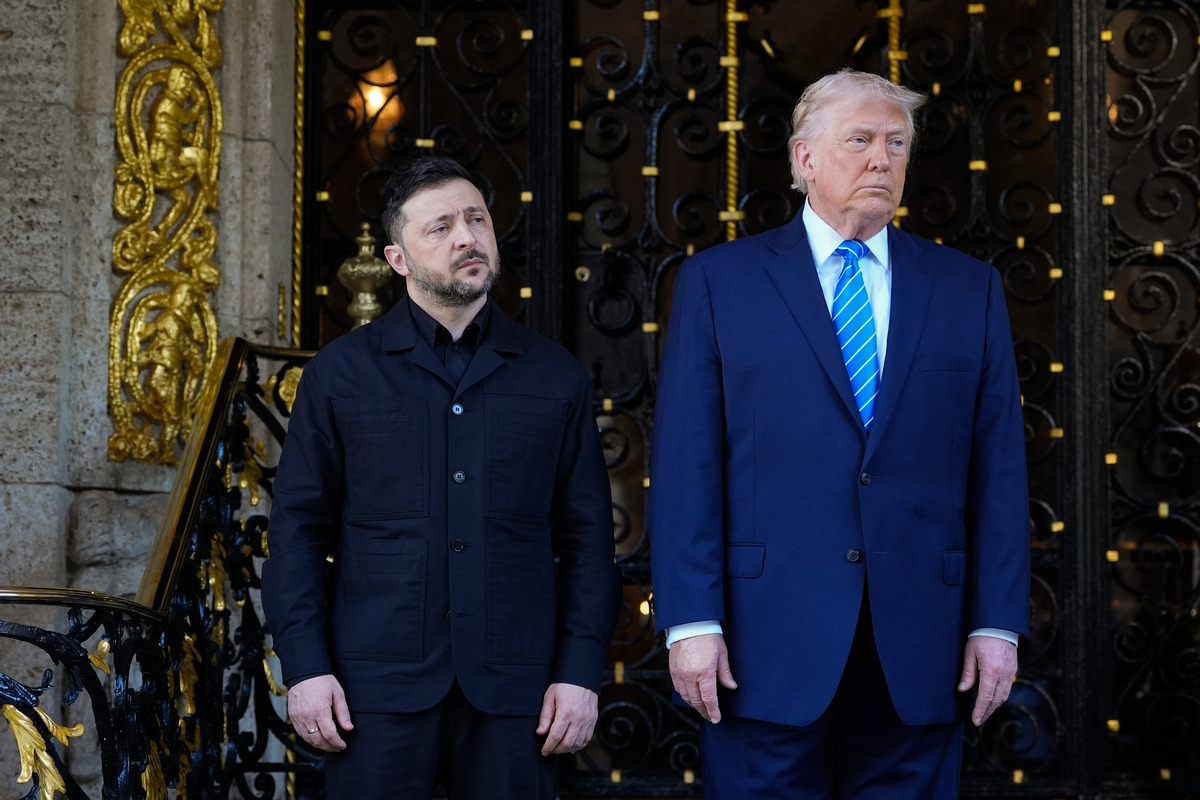
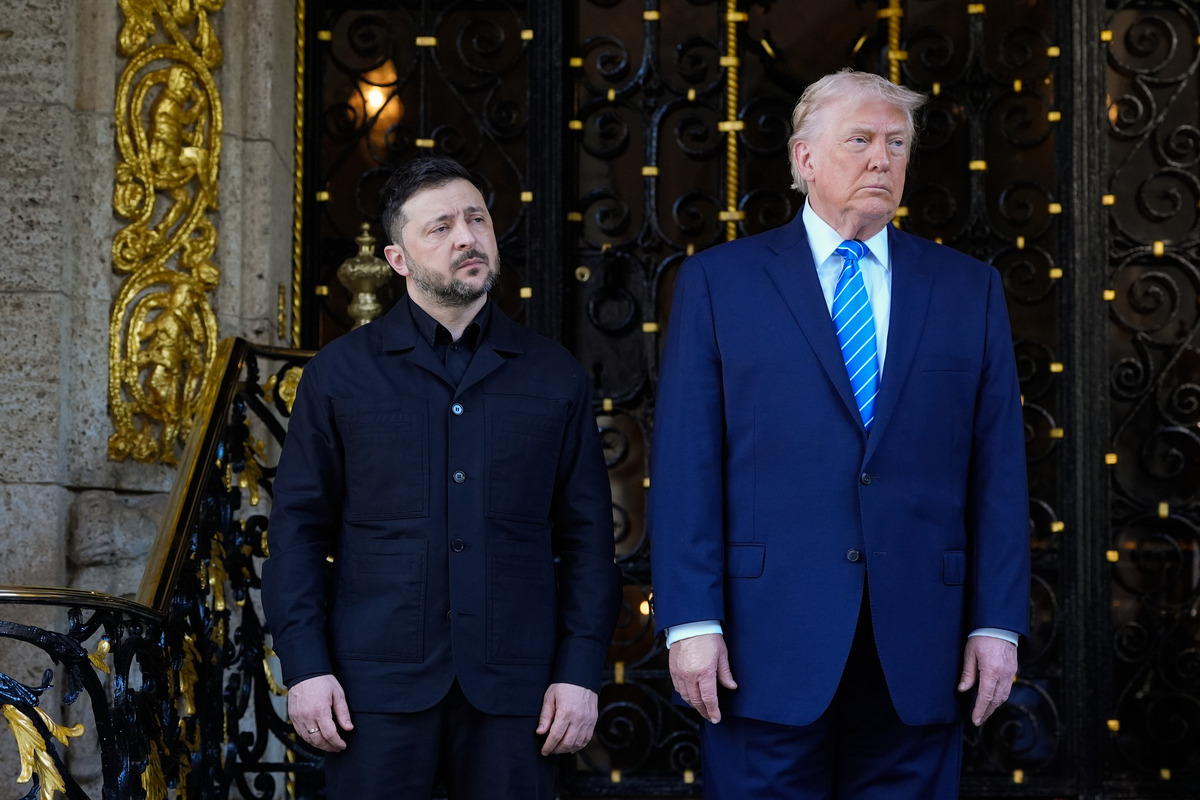
Zelensky Accuses Trump of Unfair Pressure on Ukraine In a February 18 Axios interview, President Volodymyr Zelensky said President Donald Trump’s public urging of Ukraine to concede to Russia is “not fair,” insisting any settlement must not hand victory to Moscow and warning that external pressure undermines Ukraine’s negotiating position [1].
Third Geneva Negotiation Ends Without Agreement The U.S.-brokered third round of tripartite talks in Geneva lasted only two hours on February 19, with Zelensky describing the session as “difficult” and accusing Russia of dragging out discussions; no breakthrough was reached and the meeting concluded without a deal [1].
Russia Maintains Demands for Full Donbas Control Russian negotiators continue to press for control of all occupied eastern and southern territories, including the entire Donbas region, while Kyiv maintains that ceding any land would be illegal and politically untenable, keeping territorial issues at the core of the stalemate [1].
Intensified Russian Missile and Drone Strikes Target Energy Grid The night before the Geneva talks Russia launched large‑scale missile and drone attacks on Ukraine’s energy infrastructure, injuring nine civilians; on February 19 Russian forces fired 126 drones and a ballistic missile, heightening pressure on Kyiv amid negotiations [1].
Zaporizhzhia Nuclear Plant’s Status Remains Uncertain Amid Talks The Zaporizhzhia Nuclear Power Plant, seized by Russian forces in March 2022 and still operated under their control, remains a focal point of the diplomatic talks, with experts warning of heightened nuclear‑disaster risk if hostilities continue near the facility [1].
Ukraine Sanctions Belarusian Leader Over War Support Kyiv imposed sanctions on Belarusian President Alexander Lukashenko, accusing his regime of supplying technology that enables Russian strikes on northern Ukraine and providing components for Russian weapons systems, marking a new punitive step against Belarus’s role in the conflict [1].
Timeline
Mar 2022 – Russia seizes the Zaporizhzhia Nuclear Power Plant, keeping it under Russian control and turning it into a central bargaining chip in later peace negotiations, with experts warning of nuclear‑disaster risk [3].
Dec 6, 2025 – Kremenchuk suffers a massive combined strike that cuts water, electricity and heat, prompting the mayor to report extensive infrastructure damage while officials assess casualties [2].
Dec 6, 2025 – Moscow claims it has shot down 77 Ukrainian drones across multiple locations, highlighting ongoing aerial assaults ahead of diplomatic initiatives [2].
Dec 6, 2025 – President Zelensky describes a “very constructive” phone call with Donald Trump’s negotiating team after three days of U.S. talks in Florida, focusing on deterring Russia in any future agreement [2].
Dec 6, 2025 – U.S.-led peace discussions in Miami aim to draft a settlement framework acceptable to both sides, seeking long‑term peace and deterrence mechanisms [2].
Dec 6, 2025 – French President Macron contacts Zelensky to offer solidarity and support for a ceasefire, while EU leaders and UK Prime Minister Starmer plan in‑person talks in London on security guarantees [2].
Dec 6, 2025 – President Putin rejects the proposal for a post‑war peacekeeping force, declaring any foreign troops in Ukraine would be legitimate targets [2].
Dec 23, 2025 – Moscow launches a massive overnight strike with hundreds of drones and dozens of missiles, killing at least three civilians including a four‑year‑old girl in Zhytomyr, and Zelensky urges the world to increase pressure on Russia [5].
Dec 23, 2025 – Zelensky says the strike “sends an extremely clear signal about Russia’s priorities” and condemns it as a pre‑Christmas attack on energy and civilian infrastructure, intensifying winter hardship [5].
Dec 23, 2025 – The Kremlin rules out temporary ceasefires, insisting it seeks a comprehensive and permanent peace agreement, while Poland raises its air‑defence readiness and scrambles fighter jets in response to the attacks [5].
Dec 23, 2025 – A Russian general is killed in a Moscow car‑bomb attack, prompting investigations into possible Ukrainian involvement and adding tension to the conflict dynamics [5].
Dec 29, 2025 – Zelensky denies reports that Putin ordered or carried out a drone strike on his residence, labeling the claim unfounded amid ongoing peace negotiations [4].
Dec 29, 2025 – The denial appears within a live‑blog format that tracks real‑time developments as the diplomatic process proceeds, illustrating the fluid information environment surrounding the talks [4].
Jan 1, 2026 – In his New Year address, Zelensky declares the peace deal is “90% ready,” warning that the remaining 10% will determine the fate of peace for Ukraine and Europe [1].
Jan 1, 2026 – Zelensky adds that a withdrawal from the Donbas would amount to ending the war, emphasizing Ukraine will not concede its core security needs [1].
Jan 1, 2026 – President Putin delivers his own New Year message, telling Russian troops that Moscow believes in them and in victory, underscoring competing narratives at the start of the year [1].
Jan 1, 2026 – Moscow releases footage it claims shows a Ukrainian drone attack on Putin’s private residence, accompanied by a map of alleged drone origins, though the BBC cannot verify the source [1].
Jan 1, 2026 – Estonian Prime Minister Kaja Kallas calls the Russian drone‑strike claims a “deliberate distraction” intended to derail the peace process [1].
Jan 1, 2026 – The United States offers Ukraine a 15‑year security guarantee following talks in Florida, though the exact timing of implementation remains unclear [1].
Feb 18, 2026 – Zelensky tells Axios that President Trump’s public pressure on Ukraine to make concessions to Russia is “not fair,” arguing any deal must not hand victory to Russia [3].
Feb 18, 2026 – The third U.S.-brokered Geneva round of tripartite talks ends after two hours without a breakthrough, with Zelensky describing the session as “difficult” and accusing Russia of dragging out negotiations [3].
Feb 18, 2026 – Russia continues to demand control of all occupied eastern and southern regions, including the Donbas, while Ukraine insists it will not cede any territory, labeling concessions illegal and politically untenable [3].
Feb 18, 2026 – Russia intensifies pressure with large‑scale missile and drone strikes on Ukraine’s energy infrastructure the night before the talks, injuring nine, and launches 126 drones and a ballistic missile during the Geneva session, underscoring ongoing hostilities [3].
Feb 18, 2026 – The future of the Zaporizhzhia Nuclear Power Plant, seized by Russia in March 2022 and still operated by Russian forces, remains a focal point of negotiations, with experts warning of nuclear‑disaster risk [3].
Feb 18, 2026 – Kyiv imposes sanctions on Belarusian President Alexander Lukashenko, accusing Belarus of providing technology that enables Russian strikes on northern Ukraine and supplying parts for Russian weapons [3].
All related articles (5 articles)
-
Newsweek: Zelensky denounces Trump’s pressure as Ukraine‑Russia talks stall
-
BBC: Zelensky says peace deal is 90% ready in New Year address
-
Newsweek: Zelensky denies Putin drone strike claim amid peace talks
-
Newsweek: Zelensky calls for stronger pressure on Putin after massive overnight attack that killed civilians
-
BBC: Ukraine conflict updates: Kremenchuk strikes, ongoing peace talks in the US