Snow Squall Alerts Prompt Immediate Driving Precautions Across Midwest and Pacific Northwest
Updated (6 articles)
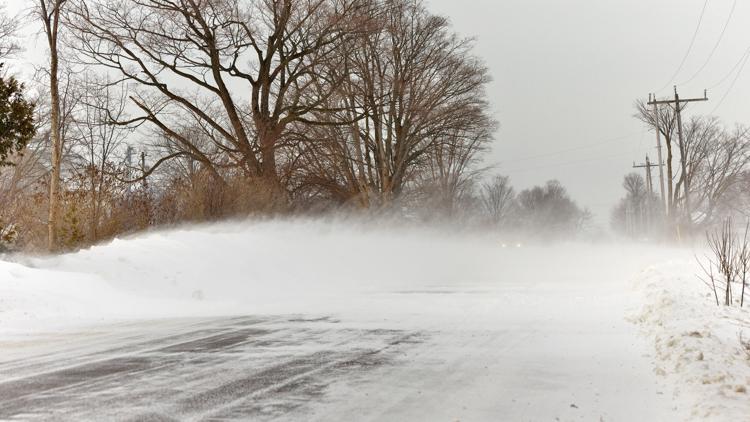
Brief, Intense Snowfall Bursts Threaten Visibility Snow squalls are short‑lived, powerful bursts of snowfall that can create near‑zero visibility and icy road surfaces within minutes, according to the National Weather Service [1][2]. They typically accompany strong cold fronts and last less than an hour, depositing an inch of snow or less. The rapid onset catches drivers off guard, making conditions hazardous almost instantly.
Snow Squalls Differ Significantly From Larger Winter Storms Unlike multi‑day snowstorms, squalls develop without a broader weather system and affect only isolated road segments [1][2]. Accumulation is minimal, often under an inch, which masks the severity of the sudden whiteout conditions. This distinction emphasizes the need for drivers to treat squalls as acute, not cumulative, threats.
National Weather Service Issues Immediate Motorist Warnings When a snow squall warning is issued, officials stress that there is “no safe place on the highway,” urging motorists to avoid or delay travel [1][2]. The warning is broadcast via local media and mobile alerts, targeting drivers who might already be on the road. The primary safety concern is the abrupt loss of traction and visibility that leaves little reaction time.
NOAA Recommends Specific Driving Precautions and Forecast Checks Drivers already traveling should reduce speed, turn on headlights and hazard lights, increase following distance, and avoid sudden braking [1][2]. Maintaining a cautious speed gives tires more time to grip icy surfaces. Travelers are advised to consult weather.gov frequently for up‑to‑date alerts before departing.
Sources
-
1.
WBNS: Snow Squall Alert: What Drivers Need to Know: Provides a detailed definition, emphasizes the rapid visibility loss, and outlines NOAA’s step‑by‑step driving recommendations, focusing on the Midwest audience.
-
2.
King5: Understanding Snow Squall Alerts and Safety Guidance: Mirrors the definition and hazards, adds a Pacific Northwest perspective, and stresses checking weather.gov, highlighting regional alert dissemination.
Timeline
Dec 31, 2025 – The National Weather Service Weather Prediction Center issues a New Year’s Eve travel warning, saying an Arctic cold front will trigger snow squalls across the Great Lakes, Ohio Valley and Northeast, “coinciding with New Year’s Eve celebrations,” and warns of “heavy lake‑effect snow and light snow in the days ahead” that could disrupt holiday travel[3].
Jan 16, 2026 (morning) – The Weather Prediction Center warns that snow squalls forming along the Arctic front will bring “heavy snow rates and damaging winds with near‑zero visibility” to the northern and central Plains, and advises motorists to “reduce speed, turn on headlights and hazards, and avoid heavy braking” as conditions may deteriorate within minutes[2].
Jan 16, 2026 (evening) – A later WPC update expands the threat, noting squalls stretching from the Dakotas through Minnesota, Wisconsin, Kansas and Missouri, and quoting NWS officials that “snow squalls are one of the most dangerous winter weather phenomena” because low accumulations do not lessen the hazard of gusts and rapid visibility loss[6]. The same squall grounds flights at Chicago’s O’Hare and Midway airports and contributes to a 30‑vehicle pile‑up in northern Indiana[6].
Jan 19, 2026 – The National Weather Service issues a snow squall warning for more than one million Pennsylvanians, first covering northwestern Pennsylvania at 12:30 p.m. ET and later expanding to central Pennsylvania; major interstates (I‑70, I‑80, I‑79, I‑376, Pennsylvania Turnpike) are flagged, and officials stress that “there is no safe place on a highway when a snow squall hits,” urging drivers to delay travel or exit the road before conditions deteriorate[1].
Jan 27, 2026 – NOAA releases a public safety brief titled “Snow Squall Alert: What Drivers Need to Know,” defining snow squalls as “short‑lived but powerful bursts of snowfall that can create sudden whiteout conditions” and reiterating that “there is no safe place on the highway” during such events; the guidance advises drivers to slow down, use headlights and hazard lights, increase following distance, and check weather.gov for real‑time alerts[4][5].
All related articles (6 articles)
-
WBNS (Columbus, OH): Snow Squall Alert: What Drivers Need to Know
-
King5 (Seattle, WA): Understanding Snow Squall Alerts and Safety Guidance
-
Newsweek: Snow squalls trigger travel alert for more than 1 million Pennsylvanians
-
King5 (Seattle, WA): Snow squalls threaten Plains and upper Midwest with warnings and travel disruptions
-
Newsweek: Snow squalls threaten Plains and Midwest travel, forecasters warn
-
Newsweek: New Year's Eve Travel Warning Issued for Several States Amid Snow Squalls
External resources (8 links)
- https://www.noaa.gov/stories/4-tips-to-keep-you-safe-during-snow-squall (cited 2 times)
- https://www.weather.gov/safety/winter-snow-squall (cited 2 times)
- https://www.weather.gov/ctp/snowsquall (cited 1 times)
- https://www.weather.gov/safety/winter-lake-effect-snow (cited 1 times)
- https://www.wpc.ncep.noaa.gov/key_messages/LatestKeyMessage_1.png (cited 1 times)
- https://www.facebook.com/ISPBremen/posts/1180892397534817?ref=embed_post (cited 2 times)
- https://x.com/NWSWPC/status/2006096080119718295 (cited 1 times)
- https://x.com/NWSWPC/status/2006096082757964100 (cited 1 times)