Winter Storm Blankets 40% of U.S., Triggers Power Outages and Record Cold
Updated (28 articles)
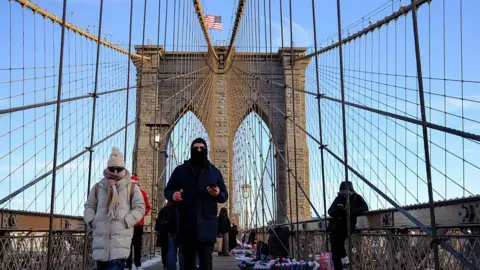
Nationwide Scope and Advisory Surge The storm began Saturday morning and quickly spread across roughly two‑fifths of the United States, placing about 213 million people under winter‑weather advisories and 182 million under ice‑and‑snow watches [1][7]. The National Weather Service warned of a “catastrophic” ice band from east Texas to North Carolina, likening potential damage to that of a hurricane [1][2]. Homeland Security Secretary Kristi Noem called it the largest multi‑state storm in decades at a FEMA press conference [1][2].
Snowfall Extremes and Regional Totals NOAA’s preliminary measurements recorded up to 31 inches at Bonito Lake, Texas, and 23 inches at Crested Butte, Colorado, with Oklahoma City forecast for 22 inches [1][2]. Colorado, New Mexico and Pennsylvania logged the three highest snowfall totals, while Dallas saw only a few inches and ice dominated [2][5]. Some locations in the Plains and Northeast were already reporting six‑to‑twelve inches, with rates exceeding an inch per hour in spots [4][14].
Power Outages and Aviation Chaos Hundreds of thousands lost electricity, especially in Tennessee and Mississippi, while power‑outage trackers indicated widespread disruptions [3][4][5]. FlightAware recorded roughly 12,000 canceled flights and nearly 20,000 delayed, with airlines cancelling over 3,200 flights on Saturday alone [3][6][14]. The storm forced school closures across the Midwest and prompted pre‑positioned FEMA meals, blankets and generators [7][10][11].
Arctic Air Drives Record Cold Arctic air surging from Canada pushed wind chills below –40 °F in the Midwest and as low as –49 °F in Copenhagen, New York, with some areas forecast to break –50 °F wind‑chill records [3][4][16][19]. Watertown, New York logged a historic –34 °F, while sub‑zero temperatures persisted into Monday, heightening frostbite risk [3][6]. The extreme cold is expected to linger in the eastern U.S. into next week [6][19].
Federal and State Emergency Mobilizations President Donald Trump declared emergencies in at least a dozen states, enabling FEMA teams to deploy search‑and‑rescue units, meals, blankets and generators [3][7]. Governors in Arkansas, Georgia, Texas, North Carolina, South Carolina and others issued emergency orders, mobilizing National Guard units and stockpiling salt, sand and ice‑melting chemicals [6][8][14][15][17]. Major cities such as New York and Boston activated snow‑removal fleets and transit plans to keep essential services running [6][10][14].
Sources
-
1.
WBNS: Massive Winter Storm Blankets 40% of U.S. with Snow, Ice and Sleet: Highlights 40 % coverage, 213 million under advisories, DHS Secretary Noem’s “largest storm in decades,” and snowfall extremes up to 31 inches .
-
2.
King5: Massive Winter Storm Dumps Snow, Ice and Sleet Across 40% of U.S.: Mirrors WBNS data, adds sleet and freezing‑rain tracking, and repeats ice‑band catastrophe warning .
-
3.
AP: Massive Winter Storm Sweeps U.S., Triggers Power Outages and Travel Chaos: Details power outages, flight cancellations, record sub‑zero temps in New York, and Mississippi’s historic ice‑melting chemical deployment .
-
4.
CNN: Historic U.S. Winter Storm Spreads Snow, Ice and Power Outages: Focuses on heavy snow, ice, record‑breaking cold, and ongoing power‑outage tracking .
-
5.
Newsweek: Travel Warnings Affect Millions of Americans Amid Winter Storms: Emphasizes travel advisories, 9‑13 inch snow forecasts for Missouri, and ice‑storm warnings for the Carolinas .
-
6.
BBC: U.S. braces for ‘extremely dangerous’ winter storm: Stresses over 200 million facing extreme conditions, wind‑chill forecasts below –50 °F, and state emergency declarations .
-
7.
AP: Winter Storm Threatens Half of U.S. with Snow, Ice, and Power Outages: Reports 182 million under watches, school closures, and Texas’s grid‑failure safeguards .
-
8.
WBNS: Winter Storm Severity Index flags ice risk across South, Texas and DC area as weekend storm nears: Introduces the Winter Storm Severity Index, highlighting severe ice risk in Mississippi, NC, GA, and I‑20/I‑30 corridors .
-
9.
King5: Ice-heavy winter storm flagged by WSSI as South faces major impacts: Explains WSSI methodology and its focus on ice hazards along major southern corridors .
-
10.
WBNS: Winter storm bears down on half the U.S., bringing snow, ice and power‑outage risk: Covers Arctic air, Midwest school closures, and Boston’s cold emergency declaration .
-
11.
King5: Winter storm bears down on half the U.S., bringing snow, ice and widespread outages: Reiterates half‑nation impact, hurricane‑like damage potential, and Texas road‑treatment efforts .
-
12.
Newsweek: Winter Storm Triggers Broad Warnings as Snow Reaches Up to 17 Inches: Highlights up to 17 inches in Pennsylvania, lake‑effect bands, and extensive power‑outage warnings .
-
13.
AP: Nationwide ice storm prep escalates as forecasts warn of heavy snow and outages: Focuses on ice‑storm threats to trees and power lines, and I‑95 corridor snow forecasts .
-
14.
CNN: Massive winter storm to blanket 1,500‑mile swath from Plains to Northeast: Details 1,500‑mile track, 160 million alerts, and emergency declarations in ten states .
-
15.
WBNS: Huge US winter storm threatens crippling ice, snow from Texas to Boston: Describes foot‑plus snow from Oklahoma to Boston and Texas’s grid‑failure precautions .
-
16.
BBC: Arctic Cold Wave Threatens 160 Million Americans with Heavy Snow and Extreme Wind Chill: Reports Arctic blast across 30 states, wind chills below –50 °F, and major city snow forecasts .
-
17.
AP: Eastern U.S. braces for severe ice storm with potential outages and extreme cold: Highlights 160 million under watches, ice‑storm risk from Texas to the Northeast, and school closures .
-
18.
Newsweek: Winter Storm Fern Prompts Wide U.S. Winter Watch for Long‑Duration Ice and Snow: Introduces “Winter Storm Fern,” long‑duration heavy precipitation, and uncertainty in track .
-
19.
CNN: Winter storm to lash more than two dozen states with ice and heavy snow: Emphasizes record‑cold potential, ice‑related power‑outage risk in the South, and extensive flight cancellations .
-
20.
Newsweek: Texas Braces for Expansive Winter Storm With Life‑Threatening Cold: Details Texas‑wide watches, snowfall/ice totals up to 10 inches, and extreme wind‑chill forecasts .
Timeline
Dec 11, 2025 – The National Weather Service issues winter storm alerts for 13 states, forecasting up to 5 inches of snow in Buffalo, NY, severe icing threats to aviation in the Midwest, and school closures that prompt tax‑deadline extensions [13].
Dec 22, 2025 – NWS advisories sweep the Northeast ahead of Christmas, warning of light snow turning to a wintry mix with possible freezing rain, moderate‑to‑heavy snow and low visibility in Maine, and urging travelers to delay trips and drive cautiously on icy surfaces [12].
Jan 1, 2026 – Six‑state winter storm warnings launch, projecting snowfall of up to 4 feet in isolated bands, near‑zero visibility, and power‑outage risks; Gov. Kathy Hochul tells residents to avoid unnecessary travel and prepares plow and utility crews for the event [11].
Jan 17, 2026 – A winter storm blankets the Midwest and East Coast, producing whiteout conditions in Cleveland, wind chills below zero from the Plains to the Northeast, and up to 4 inches of snow from the Florida Panhandle to Maine; forecasters cite the Jan 2025 Florida Panhandle storm as a recent precedent [19].
Jan 20, 2026 – Meteorologists warn that an Arctic air mass colliding with Gulf moisture will spawn a widespread ice storm from Texas to the Carolinas, with an atmospheric river feeding heavy ice and snow; officials in Mississippi deploy 200,000 gallons of ice‑melting chemicals, citing the state’s worst ice event since 1994 [18][24][28].
Jan 21, 2026 – Texas issues statewide winter storm watches, marking the season’s first substantial winter event with 4‑10 inches of snow/ice and wind chills in the single‑digit °F; Gov. Greg Abbott pledges “no expectation whatsoever” of a repeat of the 2021 grid collapse, while the Weather Prediction Center expands the storm’s projected track northward and Stephanie Abrams describes it as “plan‑changing” [9][10].
Jan 22, 2026 – An Arctic cold wave threatens 160 million people across 30 states, prompting emergency declarations in Arkansas, Georgia, Texas, North Carolina and South Carolina and warning of wind chills below –50 °F; the Weather Channel names the system “Winter Storm Fern” as the NWS issues watches for dozens of states and an ice‑storm warning for NC, SC and northeast GA [2][7][15][17].
Jan 23, 2026 – The storm places 182 million people under ice‑and‑snow watches, forces school closures in the Midwest, cancels over 1,000 flights, and drives wind chills to –40 °F; FEMA prepositions 7 million meals, 600 k blankets and 300 generators, while President Trump declares federal emergencies for at least a dozen states and DHS Secretary Kristi Noem calls it “the largest storm we’ve seen in decades” [16][14][21][22][23].
Jan 24, 2026 – The system begins Friday with heavy snow and freezing rain, exposing over 200 million Americans to “extremely dangerous” conditions; governors in Arkansas, Georgia, Texas, North Carolina and South Carolina activate emergencies, NYC Mayor Zohran Mamdani deploys 1,600 plows, 700 salt spreaders and 2,200 sanitation workers, and NWS meteorologists Rich Otto and Tony Fracasso warn travel will be “nearly impossible” as airlines cancel more than 3,200 flights Saturday and 4,800 Sunday [1][6].
Jan 25, 2026 – The historic winter storm spreads heavy snow (6‑12 inches) and damaging ice across the Plains, Ohio Valley, Mid‑Atlantic and Northeast, triggering hundreds of thousands of power outages and prompting CNN to track the evolving impacts as the system is expected to wrap up on Monday [3].
Jan 26, 2026 – The storm blankets roughly 40 % of the United States, putting 213 million people under winter‑weather advisories and creating a catastrophic ice band from east Texas to North Carolina that forecasters compare to a hurricane; DHS Secretary Noem reiterates it is the largest multi‑state storm in decades, NOAA records snowfall up to 31 inches in Texas, and a deep Arctic air mass keeps temperatures well below freezing through the weekend [20][25].
Dive deeper (23 sub-stories)
-
Winter Storm Engulfs 40% of U.S., Ice Band Threatens Catastrophic Damage
(2 articles)
-
AP: Massive Winter Storm Sweeps U.S., Triggers Power Outages and Travel Chaos
-
CNN: Historic U.S. Winter Storm Spreads Snow, Ice and Power Outages
-
Newsweek: Travel Warnings Affect Millions of Americans Amid Winter Storms
-
BBC: US braces for ‘extremely dangerous’ winter storm
-
AP: Winter Storm Threatens Half of U.S. with Snow, Ice, and Power Outages
-
WBNS (Columbus, OH): Winter Storm Severity Index flags ice risk across South, Texas and DC area as weekend storm nears
-
King5 (Seattle, WA): Ice-heavy winter storm flagged by WSSI as South faces major impacts
-
Winter Storm Threatens Half U.S. with Snow, Ice, Power Outages, Travel Chaos
(2 articles)
-
Newsweek: Winter Storm Triggers Broad Warnings as Snow Reaches Up to 17 Inches
-
AP: Nationwide ice storm prep escalates as forecasts warn of heavy snow and outages
-
CNN: Massive winter storm to blanket 1,500-mile swath from Plains to Northeast
-
Massive Winter Storm Sweeps Eastern U.S., Prompting Power Outage Preparations and Flight Cancellations
(2 articles)
-
BBC: Arctic Cold Wave Threatens 160 Million Americans with Heavy Snow and Extreme Wind Chill
-
Newsweek: Winter Storm Fern Prompts Wide U.S. Winter Watch for Long-Duration Ice and Snow
-
CNN: Winter storm to lash more than two dozen states with ice and heavy snow
-
Newsweek: Texas Braces for Expansive Winter Storm With Life-Threatening Cold
-
Newsweek: Forecasters issue update as major winter storm looms
-
Massive Arctic‑Gulf Storm Set to Ice‑Coat Texas‑to‑Carolina Corridor This Weekend
(3 articles)
-
AP: Winter storm blankets Midwest and East Coast with snow and subfreezing wind chills
-
Newsweek: New Year’s Day winter storm could bring up to 4 feet of snow across six states
-
Newsweek: NWS issues advisories as Northeast braces for wintry storm ahead of Christmas
-
Newsweek: Winter Storm Warnings Issued Across 13 States Amid Heavy Snow and Icing
All related articles (28 articles)
-
WBNS (Columbus, OH): Massive Winter Storm Blankets 40% of U.S. with Snow, Ice and Sleet
-
King5 (Seattle, WA): Massive Winter Storm Dumps Snow, Ice and Sleet Across 40% of U.S.
-
AP: Massive Winter Storm Sweeps U.S., Triggers Power Outages and Travel Chaos
-
CNN: Historic U.S. Winter Storm Spreads Snow, Ice and Power Outages
-
Newsweek: Travel Warnings Affect Millions of Americans Amid Winter Storms
-
BBC: US braces for ‘extremely dangerous’ winter storm
-
AP: Winter Storm Threatens Half of U.S. with Snow, Ice, and Power Outages
-
WBNS (Columbus, OH): Winter Storm Severity Index flags ice risk across South, Texas and DC area as weekend storm nears
-
King5 (Seattle, WA): Ice-heavy winter storm flagged by WSSI as South faces major impacts
-
WBNS (Columbus, OH): Winter storm bears down on half the U.S., bringing snow, ice and power-outage risk
-
King5 (Seattle, WA): Winter storm bears down on half the U.S., bringing snow, ice and widespread outages
-
Newsweek: Winter Storm Triggers Broad Warnings as Snow Reaches Up to 17 Inches
-
AP: Nationwide ice storm prep escalates as forecasts warn of heavy snow and outages
-
CNN: Massive winter storm to blanket 1,500-mile swath from Plains to Northeast
-
WBNS (Columbus, OH): Huge US winter storm threatens crippling ice, snow from Texas to Boston
-
BBC: Arctic Cold Wave Threatens 160 Million Americans with Heavy Snow and Extreme Wind Chill
-
AP: Eastern U.S. braces for severe ice storm with potential outages and extreme cold
-
Newsweek: Winter Storm Fern Prompts Wide U.S. Winter Watch for Long-Duration Ice and Snow
-
CNN: Winter storm to lash more than two dozen states with ice and heavy snow
-
Newsweek: Texas Braces for Expansive Winter Storm With Life-Threatening Cold
-
Newsweek: Forecasters issue update as major winter storm looms
-
AP: Ice storm threatens southern states as Arctic air meets Gulf moisture
-
WBNS (Columbus, OH): Major winter storm to blast the South with ice and snow through Sunday
-
King5 (Seattle, WA): Major winter storm to blanket South with rain, snow and ice from Texas to the Carolinas
-
AP: Winter storm blankets Midwest and East Coast with snow and subfreezing wind chills
-
Newsweek: New Year’s Day winter storm could bring up to 4 feet of snow across six states
-
Newsweek: NWS issues advisories as Northeast braces for wintry storm ahead of Christmas
-
Newsweek: Winter Storm Warnings Issued Across 13 States Amid Heavy Snow and Icing
External resources (29 links)
- https://www.wpc.ncep.noaa.gov/discussions/nfdscc3.html (cited 4 times)
- https://www.ncei.noaa.gov/news/coldest-day-of-the-year (cited 2 times)
- https://www.weather.gov/forecast (cited 2 times)
- https://www.weather.gov/gsp/winter (cited 2 times)
- https://www.weather.gov/lwx/warningsdefined#Winter%20Storm%20Watch (cited 2 times)
- https://www.weather.gov/lzk/ (cited 2 times)
- https://www.wpc.ncep.noaa.gov/wwd/wssi/wssi.php (cited 2 times)
- https://forecast.weather.gov/wwamap/wwatxtget.php?cwa=usa&wwa=Winter%20Storm%20Watch (cited 1 times)
- https://www.governor.ny.gov/news/ahead-new-years-holiday-governor-hochul-urges-new-yorkers-exercise-caution-severe-winter (cited 1 times)
- https://www.weather.gov/ (cited 1 times)
- https://www.weather.gov/tae/2025WinterStorm (cited 1 times)
- https://www.cps.edu/media/community-updates/2026/january/classes-canceled-january-23/ (cited 1 times)
- https://www.facebook.com/MetroSchools/photos/meet-dolly-plowton-music-city-plow-blizzard-of-oz-snowella-and-frosty-the-snow-p/1337230701778613/ (cited 1 times)
- https://www.facebook.com/WatertownInternationalAirport/photos/brrr-%EF%B8%8F%EF%B8%8F-its-official-the-us-national-weather-service-buffalo-ny-confirmed-a-new-/1319894566832934/ (cited 1 times)
- https://x.com/NWSWPC/status/2013925322689749471 (cited 1 times)
- https://x.com/NWSWPC/status/2014266494276776000/photo/1 (cited 1 times)
- https://x.com/juanlozano70 (cited 1 times)
- http://Winter%20Storm%20Severity%20Index%20-%20Effective%20From%20Fri,%20Jan%2023,%202026%2007%20AM%20ET%20Through%20Mon,%20Jan%2026,%202026%2007%20AM%20ET%20Last%20Updated:%20Friday%20January%2023,%202026%2007:13%20AM%20ET%20%20Map%20data%20%C2%A9%20OpenStreetMap%20contributors,%20CC-BY-SA%20%20Change%20image%20opacity:%20%20%2070%25%20%20%20For%20a%20users%20guide%20and%20more%20information%20about%20the%20WSSI,%20please%20select%20from%20the%20dropdown%20menu%20below.%20%20%20Click%20Me%20for%20Additional%20Information (cited 2 times)
- http://flightaware.com/ (cited 2 times)
- https://bit.ly/3LwqJFr (cited 2 times)
- https://bit.ly/3NBgUXi (cited 2 times)
- https://bit.ly/3YW3QOI (cited 2 times)
- https://bit.ly/45XMHrE (cited 2 times)
- https://bit.ly/4bfrux1 (cited 2 times)
- https://bit.ly/4rciHAB (cited 2 times)
- https://archive.ph/d8PVi (cited 1 times)
- https://poweroutage.us/ (cited 1 times)
- https://weather.com/storms/winter/news/2026-01-21-winter-storm-fern-ice-snow-forecast-south-northeast-midwest (cited 1 times)
- https://www.dmschools.org/news_release/classes-canceled-for-friday-due-to-extreme-cold/ (cited 1 times)