Bodies of 24 Palestinians Reach Gaza Hospitals as Cease‑Fire Tensions Escalate
Updated (17 articles)
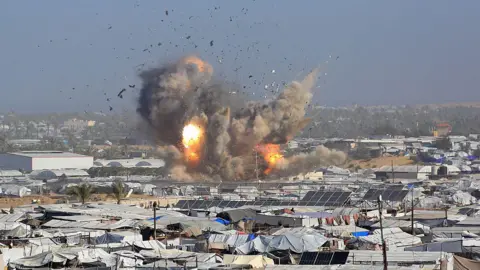
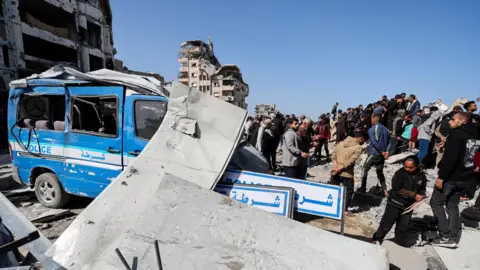
Cease‑fire casualty counts remain contested but hover around five‑hundred deaths. Gaza’s Health Ministry reports at least 556 Palestinians killed by Israeli strikes since the U.S.‑brokered cease‑fire began on 10 October, while Israel acknowledges four of its soldiers dead in Gaza during the same period [1][2]. The Hindu cites a similar figure of 556, adding that 32 Palestinians died on a single Saturday [2]. The BBC, relying on Hamas‑run data, puts the post‑truce death toll at 509, highlighting a modest discrepancy among sources [3]. All outlets agree the overall war death toll exceeds 70,000 [4][5].
Twenty‑four bodies arrived at Shifa Hospital, prompting a cease‑fire query. On 6 February, Shifa Hospital director Mohamed Abu Selmiya posted on Facebook asking “Where is the cease‑fire? Where are the mediators?” after 24 additional corpses were delivered to Gaza’s main medical complex [1]. He also warned of “extremely difficult” conditions due to severe medicine shortages, a concern echoed by the Hindu’s report of dwindling supplies [2]. CNN similarly notes Al‑Shifa’s director stressing that the death toll will climb as critically injured patients flood the hospital [4].
Rafah crossing remains minimally operational despite partial reopenings. The crossing allowed fewer than 50 people to pass on Monday, according to the AP [1]; the Hindu recorded 45 individuals crossing on 3 February and a bus of returnees on 4 February [2]. The BBC adds that the crossing is slated to reopen on Sunday following the recovery of the last Israeli hostage’s body [3]. All sources describe the movement as limited and tightly controlled, underscoring ongoing humanitarian bottlenecks.
Key elements of the October peace framework are stalled. The U.S.‑proposed 20‑point plan, touted by President Trump, was accepted by Israel and Hamas, leading to a hostage‑prisoner exchange, yet deployment of an international security force, Hamas disarmament and reconstruction efforts have stalled [1]. The BBC notes that U.S. special envoy Steve Witkoff announced the start of phase two, which aims to install a technocratic Palestinian government and fully demilitarise Gaza [3]. No article reports progress on these political milestones since the cease‑fire’s inception.
Israel continues to justify strikes as responses to Hamas violations. The Hindu identifies Bilal Abu Assi, a Hamas commander, as the focal target of the 23‑person strike on 4 February [2]. The BBC reports that Israeli forces said Saturday’s attacks hit Hamas commanders and weapons sites after eight terrorists emerged from tunnels in Rafah [3]. CNN echoes this narrative, stating the Saturday strikes were retaliation for a Friday breach in eastern Rafah where eight terrorists exited underground infrastructure [4]. All outlets present Israeli operations as counter‑terror measures, despite civilian casualties.
Sources
-
1.
AP: Gaza Violence Persists Months After Ceasefire Takes Effect: Reports 24 new bodies at Gaza hospitals, 556 Palestinian deaths since October truce, stalled peace‑plan elements, and limited Rafah crossing traffic .
-
2.
The Hindu: Israeli Strikes Kill 23 in Gaza as Rafah Crossing Reopens for Limited Travel: Details 23 deaths on 4 Feb, targeting of Hamas commander Bilal Abu Assi, medicine shortages, and 45 people crossing Rafah .
-
3.
BBC: Israeli Air Strikes Kill at Least 32 in Gaza as Ceasefire Tensions Rise: Covers 32 deaths on 1 Feb, Israeli claim of targeting Hamas violations, phase‑two peace preparations, and scheduled Rafah reopening .
-
4.
CNN (31 Feb 31): Israeli Strikes Kill Over 30 in Gaza, Health Ministry Says: Notes 31 deaths on 31 Jan, civilian casualty share, IDF retaliation claim, and Al‑Shifa’s warning of rising deaths .
-
5.
CNN (30 Jan): Israeli Military Acknowledges Approx. 70,000 Gaza Deaths, Aligning With Health Ministry Figures: Announces Israeli military’s acceptance of ~70,000 Palestinian deaths, matching health ministry totals, and recounts earlier Israeli skepticism .
Timeline
Oct 7, 2023 – Hamas launches a coordinated assault on southern Israel, killing about 1,200 civilians and seizing over 250 hostages, igniting the war that later leads to the 2025 cease‑fire [15].
Oct 10, 2025 – A U.S.‑brokered cease‑fire takes effect, pausing large‑scale combat but allowing intermittent violations and setting the stage for a phased peace plan [15].
Oct 2025 – Phase one of the U.S. plan delivers a hostage‑prisoner exchange, a partial Israeli withdrawal and a surge of humanitarian aid, laying groundwork for later political steps [1].
Dec 3, 2025 – Israeli aircraft strike tents in al‑Mawasi west of Khan Younis, killing five Palestinians including two children; Prime Minister Netanyahu vows “to respond accordingly” [6].
Dec 4, 2025 – Israel conducts an airstrike on a Hamas militant after five soldiers are wounded, while announcing that the Rafah crossing will open for medical evacuations but not for general Palestinian movement [14].
Dec 8, 2025 – A three‑year‑old girl is shot near Rafah; the IDF says it is “not aware of a strike” and will conduct an additional review [5].
Dec 24, 2025 – Prime Minister Netanyahu declares that Hamas “has breached the Gaza cease‑fire” after an explosive device wounds an Israeli officer in Rafah, warning of a swift Israeli response [17].
Nov 30, 2025 – Gaza’s Health Ministry reports a cumulative death toll of 70,100 Palestinians since the war began and 352 deaths since the cease‑fire, underscoring the humanitarian crisis [15].
Jan 8, 2026 – Eight Palestinians, including four children, die in Israeli air strikes on tents and a school; Trump warns Hamas it will have “hell to pay” if it does not disarm [4].
Jan 9, 2026 – Thirteen people are killed in Israeli strikes; a U.S. official says President Trump will announce a “Board of Peace” next week, and Israeli Prime Minister Netanyahu names Bulgarian diplomat Nickolay Mladenov as its director‑general [13].
Jan 13, 2026 – An Israeli drone strike kills three Palestinians near the Morag corridor; the Gaza Health Ministry says the death toll exceeds 440 since the cease‑fire, while officials await the formal announcement of a technocratic Board of Peace [12].
Jan 21, 2026 – Israeli forces strike a vehicle carrying three journalists in al‑Zahra, killing them; the IDF says it targeted “drone operators linked to Hamas” and notes that eight other Palestinians, including two children, die elsewhere that day, bringing the cease‑fire toll to 466 [3].
Jan 21, 2026 – Israeli fire kills at least 11 Palestinians, among them three journalists and two 13‑year‑old boys; the Gaza health ministry records more than 470 deaths since the cease‑fire began [11].
Jan 24, 2026 – Father Yusuf Zawara kneels over his dead 15‑year‑old son in Shifa Hospital, pleading “He’s sleeping… He’ll wake up now,” while Israel maintains the strike targeted militants, not children [10].
Jan 29, 2026 – A senior Israeli security source tells journalists that the military now “accepts the Hamas‑run health ministry figure of over 70,000 deaths,” marking a shift from earlier skepticism [2].
Jan 30, 2026 – Israeli officials publicly cite “about 70,000 Palestinians killed” in the war, aligning the military’s estimate with the health ministry’s count [8].
Jan 31, 2026 – Israeli air and artillery strikes kill at least 32 Palestinians across Gaza, including children; Hamas and Egypt condemn the attacks as cease‑fire breaches, while U.S. envoy Steve Witkoff announces the start of phase two to establish a technocratic Palestinian government, reconstruct Gaza and fully demilitarise the territory [1].
Jan 31, 2026 – Israeli strikes kill 31 people; Dr. Mohammad Abu Salmiya of Al‑Shifa Hospital warns that “the death toll will climb” as hospitals face severe shortages [7].
Feb 4, 2026 – Israeli air strikes kill 23 Palestinians, including three children; Israel says it targets Hamas commander Bilal Abu Assi, while the Rafah crossing partially reopens for limited travel, allowing 45 people to cross on Feb 3 [16].
Feb 5‑6, 2026 – Twenty‑four bodies arrive at Gaza hospitals, prompting Shifa Hospital director Mohamed Abu Selmiya to post “Where is the cease‑fire? Where are the mediators?”; the Health Ministry records 556 Palestinian deaths since the October 2025 truce, while the Rafah crossing remains open but sees fewer than 50 crossings per day, and Trump’s 20‑point plan remains accepted but unimplemented [9].
Future/Planned: Phase two, announced Jan 31 2026, aims to install a technocratic Palestinian government, disarm Hamas, deploy an international security force and begin Gaza’s reconstruction [1]; the Board of Peace, expected to be named “next week” after Jan 9 2026, will oversee these steps [13]; deployment of the security force and full implementation of the U.S. 20‑point plan remain pending [12, 9].
Dive deeper (15 sub-stories)
-
AP: Gaza Violence Persists Months After Ceasefire Takes Effect
-
The Hindu: Israeli strikes kill 23 in Gaza as Rafah crossing reopens for limited travel
-
BBC: Israeli Air Strikes Kill at Least 32 in Gaza as Ceasefire Tensions Rise
-
CNN: Israeli strikes kill over 30 in Gaza, health ministry says
-
Israeli Military Concedes Approximately 70,000 Gaza Deaths, Matching Health Ministry Count
(2 articles)
-
AP: Gaza father’s desperate attempt to revive son after Israeli strike
-
AP: Israeli fire in Gaza kills at least 11, including journalists and two 13-year-olds on deadly day
-
BBC: Israeli strike in central Gaza kills three journalists, first responders say
-
AP: Drone strike kills 3 in Gaza as Hamas prepares to transfer governance to new committee
-
AP: Israeli strikes kill at least 13 across Gaza as Trump plans Board of Peace
-
Eight Killed, Including Four Children, in Israeli Air Strikes Across Gaza on Jan 8
(2 articles)
-
The Hindu: Israel says Hamas violated Gaza ceasefire after officer wounded in Rafah, vows retaliation
-
BBC: Israel to review reports that troops killed three-year-old in Gaza
-
AP: Israel Strikes Hamas Militant in Southern Gaza After Soldier Attack
-
BBC: Five Palestinians Killed in Israeli Air Strike on Tents Near Khan Younis
All related articles (17 articles)
-
AP: Gaza Violence Persists Months After Ceasefire Takes Effect
-
The Hindu: Israeli strikes kill 23 in Gaza as Rafah crossing reopens for limited travel
-
BBC: Israeli Air Strikes Kill at Least 32 in Gaza as Ceasefire Tensions Rise
-
CNN: Israeli strikes kill over 30 in Gaza, health ministry says
-
CNN: Israeli Military Acknowledges Approx. 70,000 Gaza Deaths, Aligning With Health Ministry Figures
-
BBC: Israeli Military Acknowledges Hamas‑Reported Gaza Death Toll
-
AP: Gaza father’s desperate attempt to revive son after Israeli strike
-
AP: Israeli fire in Gaza kills at least 11, including journalists and two 13-year-olds on deadly day
-
BBC: Israeli strike in central Gaza kills three journalists, first responders say
-
AP: Drone strike kills 3 in Gaza as Hamas prepares to transfer governance to new committee
-
AP: Israeli strikes kill at least 13 across Gaza as Trump plans Board of Peace
-
BBC: Eight killed in Israeli air strikes in Gaza, civil defence agency says
-
The Hindu: Israel says Hamas violated Gaza ceasefire after officer wounded in Rafah, vows retaliation
-
BBC: Israel to review reports that troops killed three-year-old in Gaza
-
AP: Israel Strikes Hamas Militant in Southern Gaza After Soldier Attack
-
BBC: Five Palestinians Killed in Israeli Air Strike on Tents Near Khan Younis
-
AP: Palestinian death toll surpasses 70,000 amid ongoing Israeli strikes
External resources (3 links)
- https://t.co/r7wAr2qewU (cited 1 times)
- https://twitter.com/hashtag/Watch?src=hash&ref_src=twsrc%5Etfw (cited 1 times)